Start with the room, not the product page. A purifier that suits a small bedroom can struggle in an open living area, and a unit that works well in a quiet office can be too loud beside a bed. This guide sends you down one of three paths: choosing a purifier, fixing the one you own, or sorting out filters.
Start with your room and your air problem
Before you compare models, write down three things: the room’s approximate size, where the purifier would sit, and what bothers you about the air. That might be dust on shelves, cooking smells, or a room that feels stuffy. Those notes narrow the field faster than any ranking.
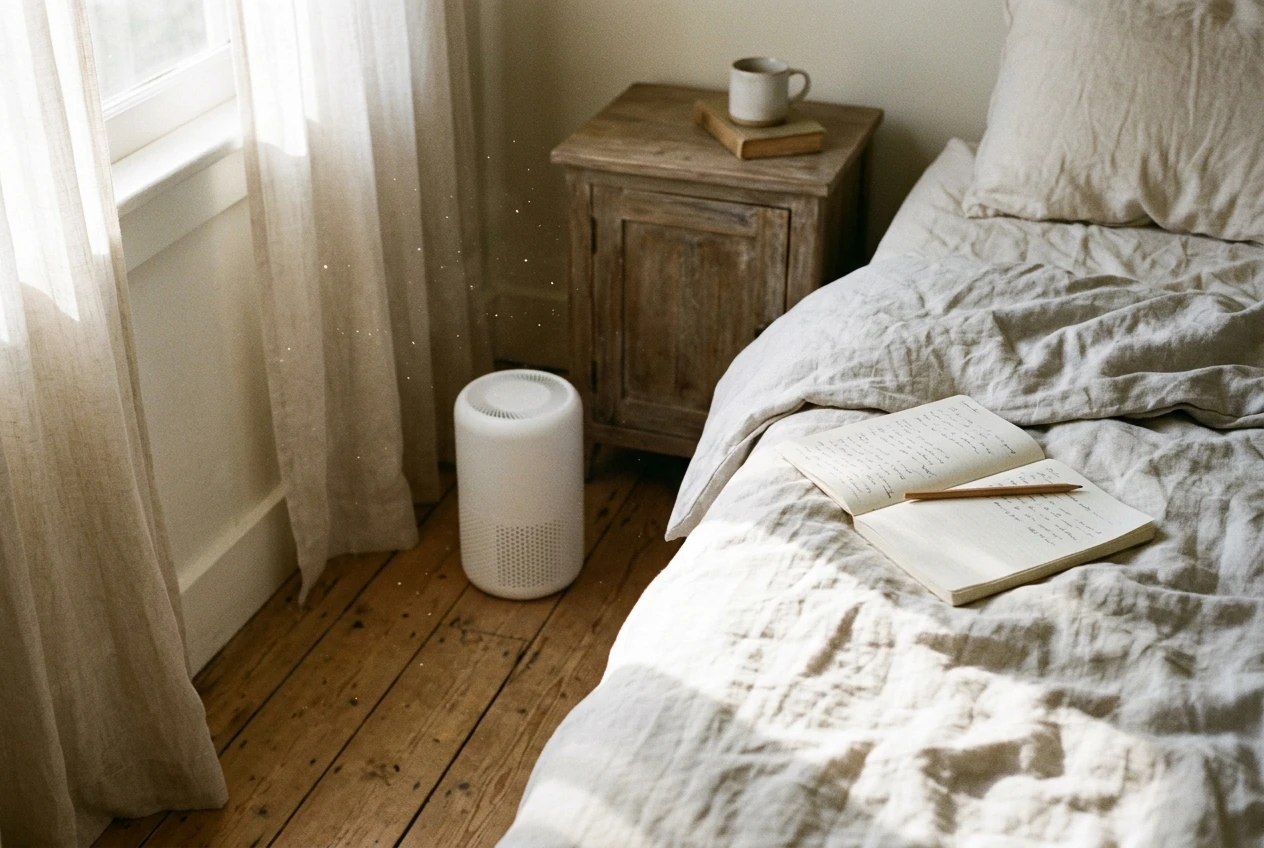
When you read a product’s specs, compare the room size the manufacturer lists against your own room. Then check whether replacement filters are easy to find and what they cost over time. A low sticker price matters less if the filters are hard to get or expensive. If you rent, also consider whether the unit is easy to move and store.
Already own a purifier? Fix what it’s doing right now
Most purifier problems have a short list of causes, and many can be checked in a few minutes without buying anything. Pick the symptom that matches yours:
- A sudden new sound: what rattling, whistling, clicking, and grinding mean
- An odd odor from the unit: what musty, burning, plastic, and ozone-like smells mean
- The unit shuts itself off: eight checks before you replace it
- Air barely coming out: seven checks before you give up on it
Work through the checks in order. The cheapest and simplest ones come first for a reason.
Filters without the guesswork
Filters are where most of the confusion and wasted money happens. Three questions come up again and again.
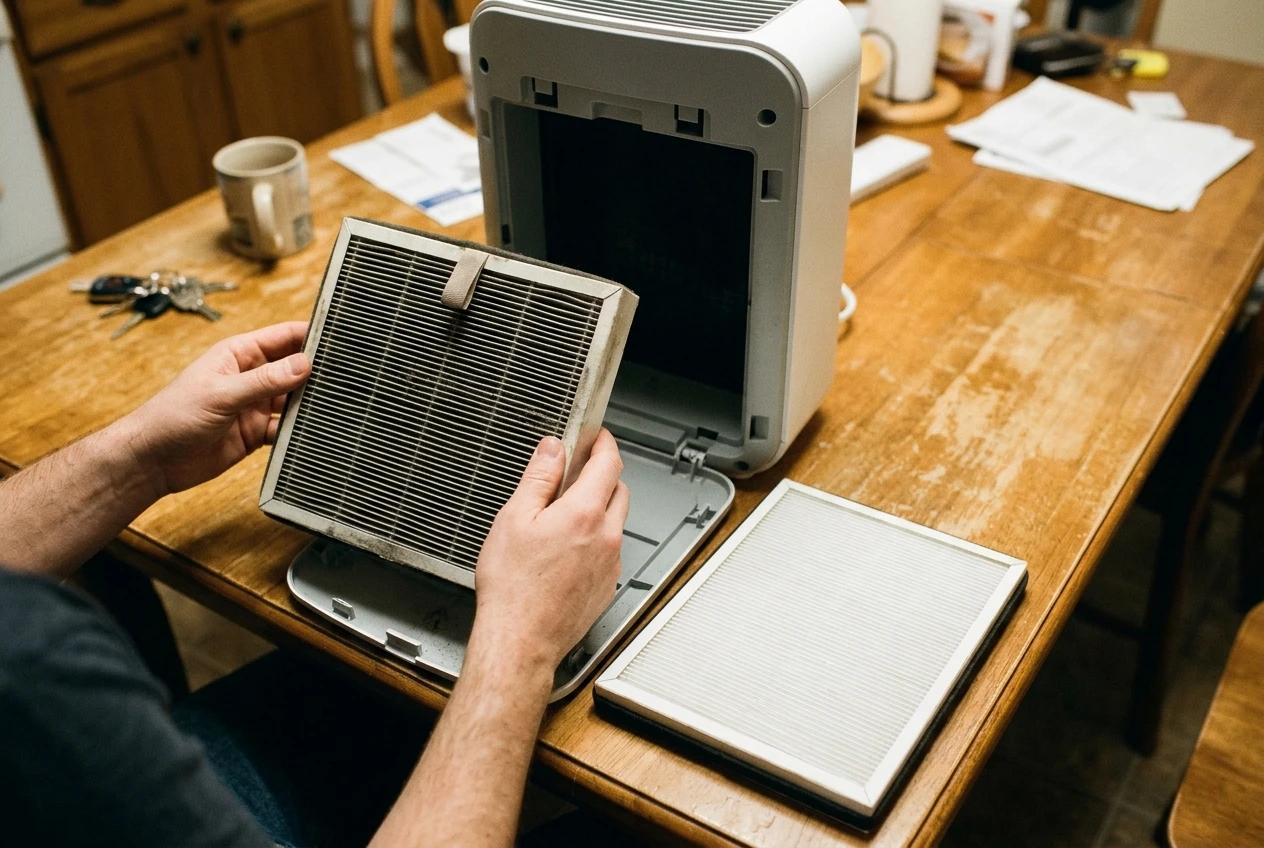
Does it fit? A filter that sticks or a cover that won’t close usually points to a specific cause, such as the wrong model, a missing pre-filter, or a seal out of place. Read Air Purifier Filter Won’t Fit? 7 Checks Before You Force the Cover before you press harder.
Original or compatible? Both have trade-offs in price, fit, and what your unit expects. Our comparison of original and compatible filters lays out what to weigh so you can decide for your own situation.
Should you stock up? Buying several at once can save a trip, but it can also leave you with spares for a unit you replace. Five checks before you buy in bulk will help you decide.
Where you place it matters
A good purifier in a bad spot can still disappoint. Three placement questions come up most often:
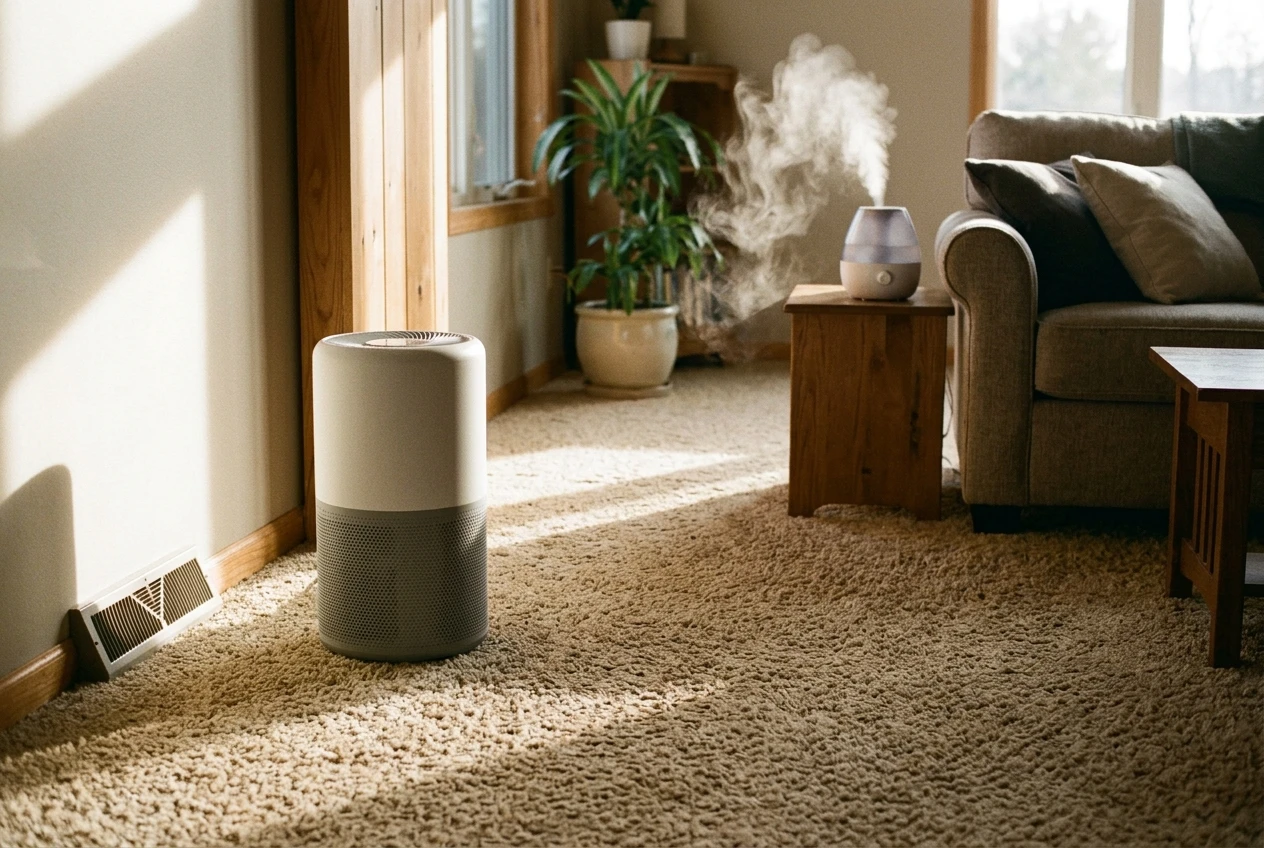
- Carpet: soft flooring can interfere with intake on some designs. See whether carpet is blocking your purifier.
- HVAC vents: airflow from a vent can compete with the purifier or affect its readings. Here’s whether sitting next to a vent helps or hurts.
- Humidifiers: mist near the sensor can trigger a red indicator light. Find out whether it’s just the mist.
Check the manual for the clearance your model needs on each side. Giving the unit that space is free and often fixes the problem.
How we recommend products, and when we’ll tell you not to buy anything
This site earns money from affiliate commissions. If you buy a purifier, replacement filter, or maintenance supply through one of our links, we may earn a commission. Guides and planners we sell are also part of how the site is funded.
That arrangement should never push you toward a purchase you don’t need. We judge a product on whether it matches your room, whether its filters are practical to keep buying, and whether the ongoing cost makes sense. Many problems on this site end with a cleaned intake, a moved unit, or a filter you already own, and when that is the answer, we’ll say so and send you to the fix instead of a product.
We also don’t make health promises. A purifier is an appliance, and we describe what it does and how to keep it running, not what it will do for your body.
Get simple maintenance reminders and new guides by email
Join the email list for plain-English air purifier maintenance reminders, new filter and troubleshooting guides, and buying tips that help you avoid wasted spending.