Discover how smart air purifiers can become your trusty sidekick during allergy season—learn the benefits, key features, and real‑life tips to breathe easier all spring and fall.
The Story Begins: One Sniffle Too Many
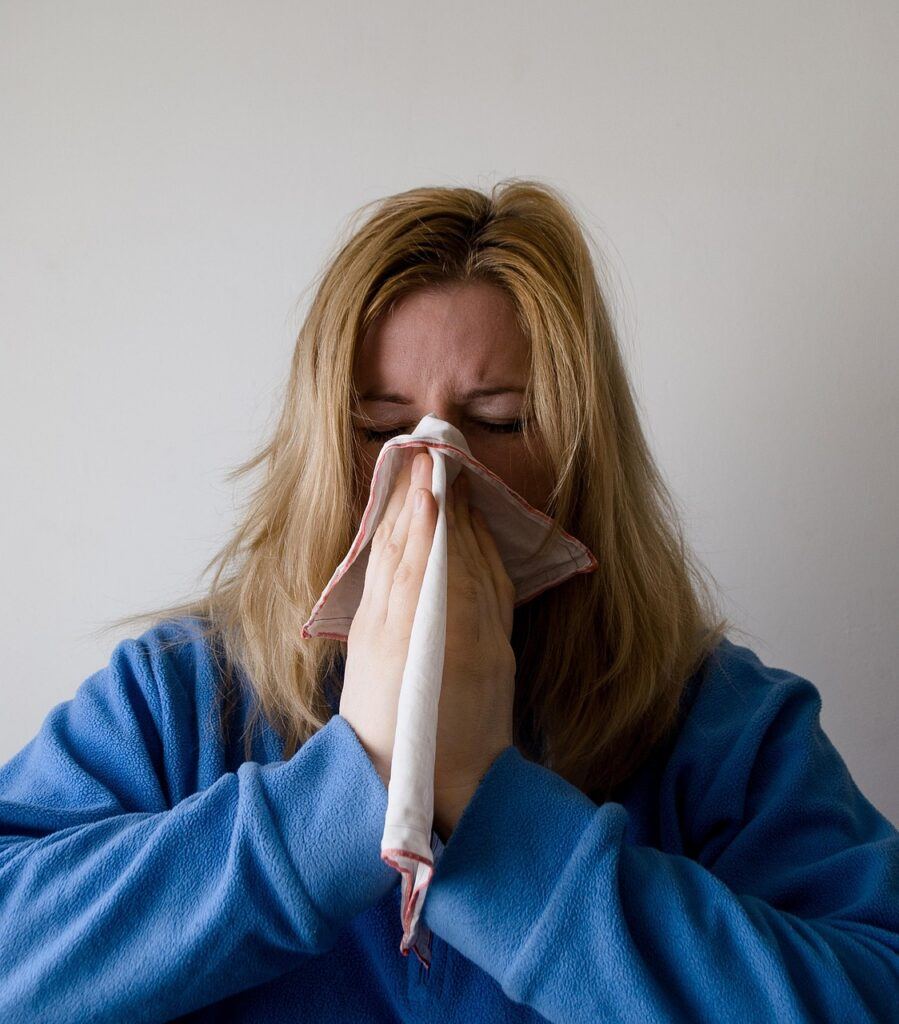
Jordan loved spring. The return of warm breezes, budding flowers, and weekend hikes filled his calendar with promise. Yet every April, the same scene unfolded: he’d wake up with swollen eyes, a scratchy throat, and a nose that ran faster than a mountain stream. Antihistamines helped but often left him drowsy. Opening windows invited fresh air—and a fresh blast of pollen. Closing them trapped dust. Frustration mounted each morning until a friend suggested something simple but powerful: a smart air purifier.
Jordan was skeptical. He pictured a bulky box humming in the corner. But he soon discovered that today’s smart purifiers act more like vigilant, invisible guardians—quietly measuring air quality, capturing pesky pollens, and reporting real‑time stats right to your phone. By May, Jordan’s mornings were clearer, and his enthusiasm for spring returned. His story isn’t unique; millions of allergy sufferers are turning to smart air purifiers to turn misery into manageable comfort.
In this comprehensive guide, we’ll explore why and how these devices work, what to look for when buying one, and practical steps to ensure you get the most relief—without drowning you in technical jargon. Grab a cup of tea, breathe in deeply (through clean air, of course!), and let’s dive in.
1. Seasonal Allergies Explained in Plain English
Before we praise the purifier, let’s understand the culprit. Seasonal allergies—sometimes called hay fever or allergic rhinitis—happen when your immune system mistakes harmless particles like pollen, mold spores, or grass fragments for dangerous invaders. To defend you, it floods your body with histamines. The result? Sneezing, congestion, itchy eyes, and an overall groggy feeling.
Common Triggers by Season
| Season | Typical Allergens | Not‑So‑Fun Symptoms |
|---|---|---|
| Spring (Mar–May) | Tree pollen (oak, birch, maple) | Sneezing fits, watery eyes |
| Summer (Jun–Aug) | Grass pollen (Bermuda, timothy) | Runny nose, throat itch |
| Fall (Sep–Nov) | Weed pollen (ragweed) | Post‑nasal drip, headaches |
| Damp Seasons | Mold spores | Persistent cough, wheezing |
Notice how each time of year brings a new “villain.” That’s why relief strategies must adapt as well, and a smart purifier’s flexible settings shine here.
2. Why Indoor Air Gets Worse During Allergy Season
Many assume closing windows keeps pollen out. Yet every time you open a door, pollen hitchhikes on clothes, hair, or even the dog’s fur. Indoor dust mites also thrive in warmer weather. HVAC systems can stir allergens into the air, and humidity swings invite mold. Consequently, indoor air sometimes contains two to five times the pollutants found outside.
Because seasonal allergens are tiny (often 10–60 microns wide), they can remain airborne for hours. Each breath pushes them deeper into your respiratory tract, prolonging inflammation. Removing them swiftly matters—and this is where smart purifiers prove their worth.
3. Smart Air Purifiers: A Quick Primer
Traditional air purifiers have existed for decades. So, what makes a smart purifier different?
- Connected Sensors —Built‑in particulate sensors measure PM2.5 (fine dust) and sometimes even VOCs (volatile organic compounds).
- Automatic Adjustments —Algorithms raise or lower fan speed based on real‑time readings, tackling spikes—like when you vacuum or bring in fresh flowers—before symptoms hit.
- Mobile App Control —From the grocery store, you can check indoor air quality (IAQ) and kick the unit into Turbo mode if pollen counts surge.
- Voice Assistant Integration —“Hey Alexa, turn on the purifier” beats fumbling for buttons at 2 a.m.
- Usage Analytics —Apps log filter life, run times, and IAQ histories so you can see exactly how pollen season affects your home.
Think of a smart purifier as a weather station, filter, and proactive caretaker wrapped into one sleek tower.
4. The Science Behind the Clean: Filters That Matter
4.1 High‑Efficiency Particulate Air (HEPA)
True HEPA filters capture 99.97 % of particles down to 0.3 microns—the sweet spot for most allergy triggers. When shopping, ensure the label says “True HEPA” rather than “HEPA‑like.” The difference is more than a marketing tweak; it’s the key to trapping pollen efficiently.
4.2 Activated Carbon
While carbon doesn’t snag pollen, it absorbs odors and common household chemicals. During allergy season, window‑sealed rooms can smell musty. Carbon keeps indoor air fresh.
4.3 Pre‑Filters**
These washable meshes catch hair and large dust bunnies, sparing the HEPA layer from early clogging. They’re the unsung heroes extending filter life.
4.4 Optional Upgrades
- UV‑C Lamps deactivate bacteria and mold.
- PECO or Photocatalytic Filters break down VOCs at a molecular level.
- Ionizers charge particles so they clump and fall—useful but ensure ozone output is certified safe (< 0.050 ppm).
5. Key Metrics That Influence Allergy Relief
| Term | Definition | Why It Matters for Allergies |
|---|---|---|
| CADR (Clean Air Delivery Rate) | Cubic feet of clean air delivered per minute | Higher CADR = Faster removal of pollen spikes |
| ACH (Air Changes per Hour) | Number of times the purifier filters the entire room in one hour | Aim for 4–5 ACH during peak allergy days |
| Room Size Rating | Square footage a unit can handle | Match or exceed your largest room |
| Noise Level | Decibels at various speeds | Quiet units let you sleep symptom‑free |
Understanding these figures empowers you to choose a model that won’t just sit prettily—it will perform.
6. Choosing the Right Smart Purifier for Your Space
Step 1: Measure Your Room
Grab a tape measure. Multiply length by width (and height for ACH calculations if you’re a data nerd). A 15 × 20 ft bedroom is 300 sq ft.
Step 2: Check CADR Charts
Many manufacturers provide a pollen‑specific CADR. For a 300 sq ft space, look for at least 200 cfm pollen CADR.
Step 3: Consider App Ecosystems
- Apple HomeKit loyalists may like devices from Coway or Smartmi.
- Google/Alexa users often gravitate toward Levoit or Winix.
Sticking to one ecosystem simplifies routines like “When IAQ is Poor, turn purifier to High.”
Step 4: Filter Costs
A bargain‑priced purifier can bleed your wallet with pricey cartridges. Compare annual filter replacement fees before you hit “Buy.”
Step 5: Energy Efficiency
Look for models carrying the ENERGY STAR badge. You’ll run the purifier for hours daily; efficiency saves utility dollars.
7. Positioning for Maximum Allergy Defense
- Bedroom First —You spend a third of your life sleeping. Place the purifier within eight feet of your pillow, away from walls for 360‑degree intake.
- Keep Doors Closed —Purifiers work best in controlled spaces. An open hallway dilutes their focus.
- Elevate Slightly —A small stand prevents the unit from sucking dust bunnies directly off the floor, reducing clogging.
- Avoid Corners —Dead air pockets reduce circulation. Centered placement—while not always décor‑friendly—delivers faster results.
8. Smart Features That Make Allergy Season Easier
| Feature | Real‑Life Benefit | Example Scenario |
|---|---|---|
| Auto Mode | Hands‑free adjustments | Pollen count spikes at noon; fan ramps up without your input |
| Scheduling | Saves energy | Unit powers down while you’re at work, restarts 30 minutes before you return |
| Geofencing | Personalized comfort | When your phone gets within 500 ft of home, purifier turns on |
| Filter‑Life Alerts | No guesswork | Push notification says “Replace HEPA filter in 10 days” |
| Multi‑Room Monitoring | Whole‑home insight | See bedroom at “Good,” kitchen at “Fair,” decide where to relocate unit |
These conveniences transform the purifier from a background gadget into a dependable teammate.
9. Maintenance: The Secret Sauce to Ongoing Relief
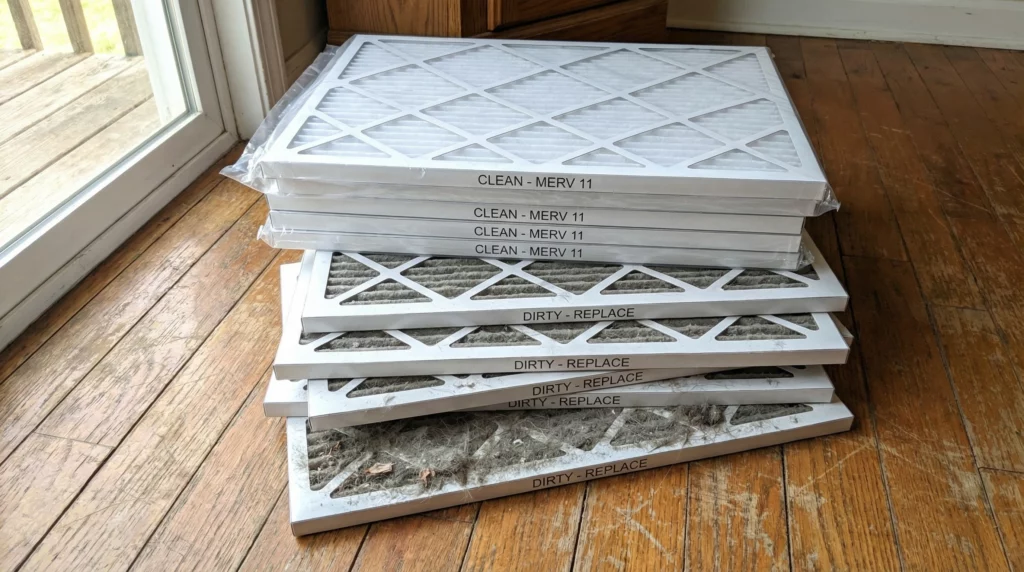
A clogged filter is like a clogged nose—ineffective and annoying. Follow this simple routine:
- Vacuum Pre‑Filter Weekly during high‑pollen months.
- Replace HEPA Every 6–12 Months or when sensors indicate.
- Wipe Sensors Gently—a cotton swab and a puff of air keep readings accurate.
- Check App Logs—sudden jumps in fan speed may signal filter aging.
Set a calendar reminder or enable push alerts to stay ahead of replacements. Your sinuses will thank you.
10. Real‑Life Success Stories
The Family with Twin Toddlers
Emma and Luis noticed their toddlers’ constant sniffles turned to full‑blown colds each spring. Pediatric visits piled up. They invested in two smart purifiers—one in the nursery, another in the living room—and saw a 60 % drop in doctor calls the next season. The app’s child‑lock feature kept curious fingers from tampering with settings.
College Roommates in a Drafty Apartment
Cole and Priya lived near a bustling road blanketed with ragweed. Their compact purifier’s geofencing meant it stayed off during classes to save power yet switched on before they unlocked the door. Sneezes went from daily to rare, and electricity costs barely budged.
The Marathon Trainer
Diane, preparing for her first marathon, dreaded April’s pollen sabotage. She integrated her purifier with her smartwatch: if her overnight heart‑rate variability dipped (often due to nasal blockage), the system kicked into Turbo for an hour. She woke refreshed and hit personal bests on morning runs.
These snapshots prove technology’s quiet but profound impact on daily wellbeing.
11. Complementary Habits for Peak Performance
- Shower After Outdoor Activities to rinse pollen off hair and skin.
- Change Bedding Weekly in hot water (130 °F) to kill dust mites.
- Use a High‑MERV HVAC Filter so central air supports the purifier’s efforts.
- Monitor Local Pollen Counts via weather apps and plan indoor workouts on high‑count days.
Combining smart purification with smart habits offers multiplied relief.
12. Tackling Common Myths
- “Smart Purifiers Are Just Marketing Hype.”
Reality: Independent lab tests show auto‑mode units can reduce indoor pollen by up to 90 % within one hour. - “Opening Windows Negates a Purifier.”
Partly true. Yet if you close windows after airing out, the purifier quickly cleans up residual allergens. - “Ionizers Create Unhealthy Ozone.”
Modern, certified units emit ozone well below safety thresholds. Always check CARB (California Air Resources Board) certification to be safe. - “Bigger Means Better.”
Oversized units on low speed may underperform by recirculating air too slowly. Follow CADR guidelines instead of floor‑space bravado.
13. Budget vs. Premium: Finding Your Sweet Spot
| Price Range | Typical Features | Best For |
|---|---|---|
| $100–$200 | Smaller rooms, app control, basic HEPA | Dorms, home offices |
| $200–$400 | Mid‑size rooms, VOC sensor, voice commands | Bedrooms, apartments |
| $400–$700 | Large rooms, multiple sensors, quiet motors | Living rooms, open lofts |
| $700+ | Whole‑home Wi‑Fi networks, replaceable modules | Allergy‑prone families, smart‑home enthusiasts |
Remember, ongoing filter costs shape total ownership expenses.
14. Energy Use and Eco‑Friendliness
Running a purifier 24/7 may sound costly, but smart models often draw less power than a 40‑watt bulb on low. Auto mode trims wattage further by idling when IAQ is “Excellent.” Some brands use recyclable filters and ship in minimal packaging—helping you breathe easy and tread lightly on the planet.
15. Integrating with Your Smart Home
- If This Then That (IFTTT) recipes: If pollen count > 9, then set purifier to Turbo.
- Smart Thermostats: Link purifier to AC cycles for synchronized climate control.
- Smart Lights: Flash yellow when IAQ shifts from “Good” to “Fair,” offering visual cues for hearing‑impaired users.
These automations make a previously passive appliance dynamic and responsive.
16. Traveling? Take Clean Air with You
Portable smart purifiers (under three pounds) fit in suitcases and plug into hotel USB outlets. App control lets you sanitize stale hotel air before you even check in. Frequent flyers revel in waking congestion‑free, ready for meetings or sightseeing.
17. What the Future Holds
Predictive algorithms already analyze outdoor pollen forecasts to pre‑activate indoor filtration. Next‑gen models may use machine learning to adapt settings to your unique histamine cycles, maybe even syncing with wearable allergy trackers. Imagine a purifier that knows you’re about to sneeze—before you do!
18. A Step‑by‑Step Quick‑Start Checklist
- Unbox and Inspect filters for factory plastic wrap.
- Download the App and create an account.
- Run an Initial IAQ Scan to establish a baseline.
- Set Allergy Season Schedule (e.g., Auto 6 a.m.–11 p.m., Sleep Mode overnight).
- Create Automation: If Relative Humidity > 60 %, boost fan speed—mold spores dislike dry air.
- Invite Family Members via app sharing so everyone can check IAQ at a glance.
19. Frequently Asked Questions
Q: How often should filters be replaced during heavy pollen months?
A: Check every three months. Some users swap HEPA filters at the season’s end to start fresh next year.
Q: Can I rely solely on my HVAC filter?
A: HVAC filters help, but smart purifiers offer room‑level precision and run year‑round—even when AC or heat is off.
Q: Do plants reduce indoor allergens?
A: While plants boost mood, they’re not proven pollen traps. Purifiers remain the frontline defense.
Q: Will two smaller purifiers work better than one large unit?
A: Sometimes. Positioning devices in separate rooms prevents allergen migration, giving you tailored coverage.
The Final Breath: Turning a Season of Suffering into a Season of Serenity
Seasonal allergies once dictated routines—close windows, skip picnics, stock up on tissues. Today, smart air purifiers offer a different narrative: empowerment. By automatically sensing and filtering allergens, they free you to embrace blooming gardens and leaf‑crunching trails without dreading the aftermath. Technology, when paired with good habits, shifts the storyline from “I can’t go outside” to “I choose when and how I breathe clean.”
Jordan, our spring‑loving friend, no longer views April as an obstacle. Each morning, his app shows a calm green circle labeled Excellent. He pours coffee, opens the blinds, and smiles—because somewhere beyond that glass, pollen swirls wildly, but inside, his air is clear, and his day begins on his terms.
So here’s your call to action: Measure your room, compare CADR ratings, and invite a smart air purifier into your life before the next wave of pollen hits. Your nose, eyes, and overall zest for the great outdoors will reward you with every easy, effortless breath.
Key Takeaways at a Glance
- True HEPA + Smart Sensors = Top allergy defense.
- Aim for 4–5 ACH in regularly used rooms.
- Auto mode handles sudden pollen surges hands‑free.
- Maintenance is minimal—vacuum pre‑filter weekly, replace HEPA semi‑annually.
- Pair purification with healthy habits (e.g., showering, HVAC filters) for the best results.
With this knowledge, you’re armed to conquer allergy season, one smart, filtered breath at a time. Here’s to clearer sinuses and brighter days ahead!