Air purifiers are everywhere now, but the advice around them can still feel foggy. Some people expect one machine to erase every indoor air problem. Others think air purifiers are all hype. The truth sits in the middle: the right purifier can help, but only when it is sized, placed, maintained, and used correctly.
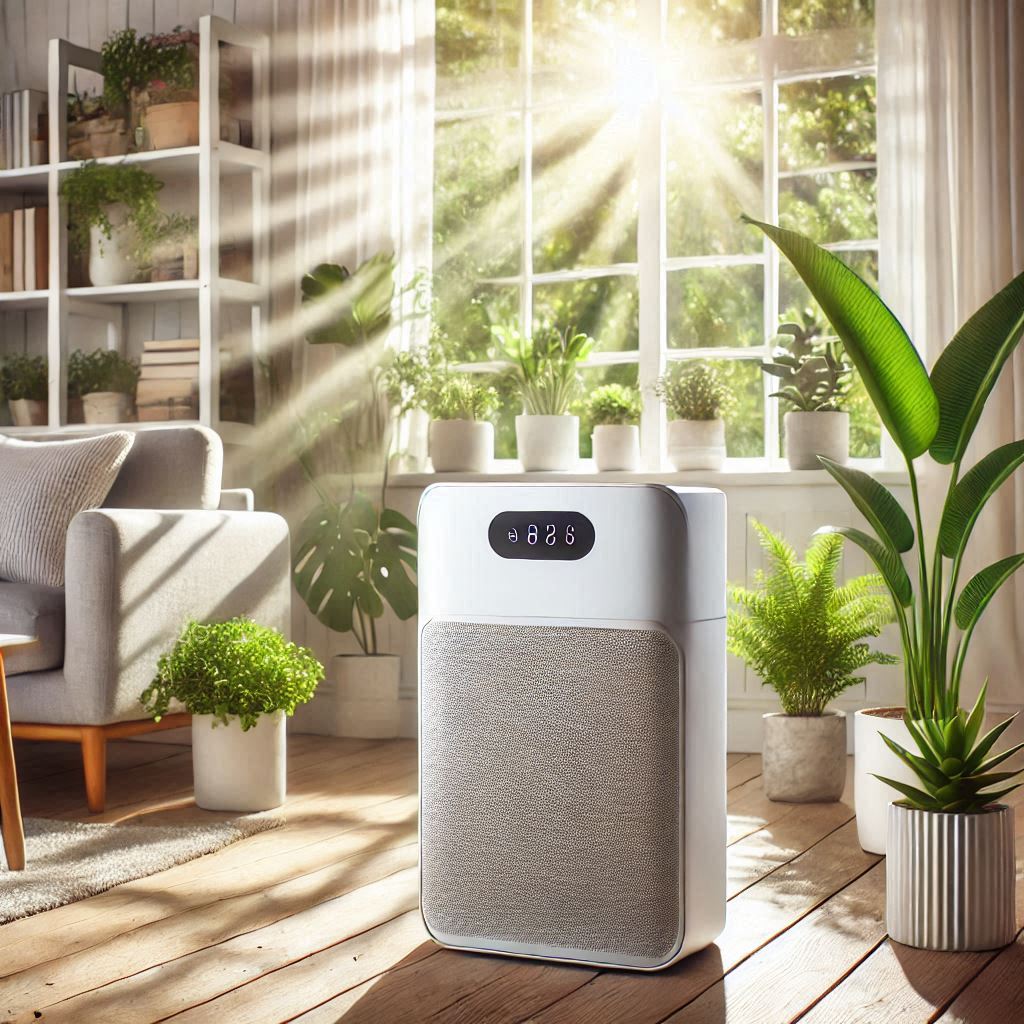
The short answer: air purifiers work, but they are not magic boxes
Air purifiers can reduce airborne particles such as dust, pollen, pet dander, smoke particles, and some mold-related particles. Some models can also help with certain odors and gases when they include enough activated carbon or another gas-focused filter.
But no air purifier removes every pollutant from a home. It will not fix a leak, stop mold growth, replace kitchen ventilation, or make indoor smoking harmless. A purifier is best understood as one part of a clean-air plan, not the whole plan.
Quick air purifier knowledge check
Before diving into the myths, test what you already know. These questions can save you from buying the wrong machine.
- Does a HEPA filter remove odors by itself, or does it mainly capture particles?
- Is your purifier’s CADR strong enough for the room where you will actually use it?
- Can you easily buy the correct replacement filter for your exact model?
- Does the purifier intentionally produce ozone, “activated oxygen,” or ionized air?
- Will the purifier be quiet enough that you will actually run it every day?
Myth #1: Air purifiers remove every airborne pollutant
One good air purifier can remove dust, pollen, smoke, VOCs, odors, mold, bacteria, viruses, and every other indoor air concern.
The truthAir purifiers are designed around specific filter types. A particle filter can capture many airborne particles. A carbon filter can help with certain gases and odors. But one filter does not automatically handle everything.
This is why purifier claims can get confusing. A unit may be excellent for pollen but weak for odors. Another may include carbon but not enough of it to make a major difference in a kitchen or smoke-adjacent room. Some electronic technologies sound impressive but may not outperform strong mechanical filtration in ordinary home use.
A stronger way to think about air purification is to match the filter to the problem. Dust, pollen, pet dander, and smoke particles call for strong particle filtration. Cooking smells, smoke odor, and some VOC concerns require activated carbon or another gas-focused filter. Moisture problems require moisture control, not just filtration.
| Air problem | What usually helps | What to remember |
|---|---|---|
| Dust, pollen, pet dander | HEPA or high-efficiency particle filtration | Clean surfaces and vacuuming still matter. |
| Wildfire smoke particles | High smoke CADR and strong particle filtration | Run the purifier longer and at an effective fan speed. |
| Cooking odors | Activated carbon plus kitchen exhaust | A thin carbon sheet may not be enough. |
| Musty smells | Moisture control, cleanup, and possible carbon support | A purifier will not solve the source of mold. |
| VOCs | Source reduction and gas-phase filtration | Particle-only filters are not designed for most gases. |
Myth #2: Any purifier can clean any room
A compact air purifier can clean a bedroom, living room, basement, or open-concept space as long as it has a good filter.
The truthRoom size matters. Air has to move through the purifier often enough to make a practical difference. That is where CADR, or Clean Air Delivery Rate, becomes important.
CADR helps estimate how quickly a purifier delivers filtered air for particles such as smoke, dust, and pollen. A purifier with a low CADR may still help in a small bedroom, but it may struggle badly in a large living room or open floor plan.
Do not rely only on bold “covers up to” claims. Look for the CADR rating, the recommended room size, and the assumptions behind that room size. High ceilings, open doorways, connected rooms, and heavy pollution events may require a stronger purifier or more than one unit.
Myth #3: HEPA filters remove odors and gases
If a purifier has a HEPA filter, it should remove pet smells, cooking odors, smoke odor, chemical smells, and VOCs.
The truthHEPA-style filtration is mainly about particles. It can be very useful for dust, pollen, dander, fine particles, and many smoke particles. But odors and gases behave differently. For those, you need activated carbon or another filter specifically designed for gases.
This is one of the biggest buying mistakes in the air purifier market. A shopper sees “HEPA” and assumes it covers every indoor air concern. Then the purifier captures dust well but does little for cooking odor or chemical smells.
If odors are your main issue, study the carbon filter more closely. A thin deodorizing layer is not the same as a heavier carbon filter. Carbon also gets used up over time, so filter replacement becomes especially important in homes with pets, smoke exposure, frequent cooking, or strong indoor odors.
For a deeper breakdown, read our guide to HEPA, activated carbon, and air purifier technology.
Myth #4: Air purifiers are silent and maintenance-free
You can plug in an air purifier, forget about it, and enjoy clean air with no sound, no filter changes, and no upkeep.
The truthAir purifiers move air with a fan. That means noise is part of the design. Many modern purifiers are quiet on low settings, but higher speeds usually create more sound. This matters because higher fan speeds often clean more air.
Maintenance matters too. Filters collect particles and become loaded over time. A clogged or dirty filter can reduce airflow and weaken performance. In pet homes, dusty homes, smoky conditions, or high-pollen seasons, filters may need attention sooner than expected.
The best purifier is not always the quietest purifier on paper. It is the one you can run consistently at a useful speed. A purifier that is whisper-quiet but too weak for the room may not solve your problem. A powerful purifier that is too loud to use may sit turned off.
Myth #5: Ozone and ionizing features make air purifiers stronger
If a purifier produces ozone, ions, plasma, “activated oxygen,” or a fresh smell, it must be cleaning the air more deeply.
The truthBe careful with any air cleaner that intentionally produces ozone. Ozone is a lung irritant. Cleaner indoor air should not require adding a respiratory irritant to the room.
Some electronic air-cleaning technologies may produce ozone as a byproduct. That does not mean every air purifier is dangerous, and it does not mean every electronic feature is automatically unsafe. It does mean shoppers should read labels carefully, verify safety testing, and avoid devices marketed primarily as ozone generators.
If a product uses ionization, UV, plasma, electrostatic precipitation, or similar technology, check whether it has credible ozone-emission testing. Also remember that ozone certification does not prove the purifier is effective at removing pollutants. It only addresses ozone-emission limits.
The cleaner-air plan most homes actually need
Instead of expecting one device to do everything, use air purification as part of a layered plan.
Use kitchen exhaust, avoid indoor smoking, control dust, fix moisture problems, and reduce strong chemical odors when possible.
Bring in outdoor air when it is clean. Keep windows closed during wildfire smoke, heavy pollen, or poor outdoor air-quality days.
Start with bedrooms, home offices, nurseries, pet-heavy spaces, or the room where sensitive family members spend the most time.
Use particle filtration for dust and pollen. Add meaningful carbon support for odors and some gases.
Clean pre-filters when allowed, replace filters on schedule, and keep airflow clear around the purifier.
Prioritize CADR, filter type, room size, safety, and filter availability before app features or futuristic claims.
Smart purifier features: useful, but not the main event
Smart features can make air purification easier. App controls, schedules, filter reminders, real-time particle readings, and auto mode can all help a purifier fit into daily life.
Still, smart controls do not replace strong airflow and proper filtration. A connected purifier that is too small for the room will still be too small. A beautiful app cannot fix a dirty filter. A green air-quality light does not mean every pollutant has disappeared.
Use smart features for convenience, not as your only proof of clean air. For more help, read our smart air purifier guide to automation, sensors, and home integration.
Quick comparison: myth versus reality
| Myth | Reality | Better buying move |
|---|---|---|
| Air purifiers remove everything. | They reduce specific particles or gases depending on filter design. | Match the filter to the air problem. |
| Any purifier works in any room. | Room size and CADR matter. | Buy for the room where it will run. |
| HEPA removes odors. | HEPA targets particles; carbon helps with many odors and gases. | Look for meaningful activated carbon if odors matter. |
| Purifiers are maintenance-free. | Filters need cleaning or replacement. | Check replacement filter cost before buying. |
| Ozone means extra cleaning power. | Ozone can irritate the lungs and should be avoided in occupied spaces. | Choose strong mechanical filtration and verify safety claims. |
FAQs about air purification myths
Do air purifiers really help with allergies?
They can help reduce airborne particles that trigger symptoms for some people, including pollen, dust, and pet dander. They work best when properly sized for the room and used alongside cleaning, source control, and good filter maintenance.
Can an air purifier remove viruses from the air?
A high-efficiency particle filter may capture many airborne particles, including some that can carry viruses. However, an air purifier should not be treated as a complete infection-prevention tool. Ventilation, hygiene, source control, and medical guidance still matter.
Is a HEPA filter enough for smoke?
A strong HEPA or high-efficiency particle filter can help with smoke particles, especially when the purifier has a strong smoke CADR. For smoke odor and some gases, activated carbon becomes important.
Can air purifiers remove mold?
They may capture some airborne mold-related particles, but they cannot fix the moisture problem causing mold growth. Mold problems require moisture control, cleanup, and sometimes professional remediation.
Should I leave my air purifier on all day?
Many homes get better results when the purifier runs for long periods, especially during allergy season, wildfire smoke, or high indoor activity. Use the fan speed that balances cleaning power and noise.
Are smart air purifiers worth it?
They can be worth it if the smart features help you run the purifier more consistently. Look for useful features such as filter reminders, scheduling, app control, and air-quality feedback. Do not pay extra for smart features if the purifier is weak, undersized, or expensive to maintain.
What is the most important air purifier number?
For particle filtration, CADR is one of the most useful numbers because it helps show how much filtered air the purifier delivers. Filter type, room size, noise, energy use, and replacement filter cost also matter.
Helpful external resources
For readers who want to verify air purifier guidance from independent sources, these are useful starting points:
EPA Guide to Air Cleaners in the Home
AHAM CADR and Air Filtration Standards
California Air Resources Board Certified Air Cleaning Devices
ENERGY STAR Room Air Cleaner Criteria
AirNow Outdoor Air Quality Index
Final takeaway: cleaner air starts with better expectations
Air purifiers can be useful, but they work best when expectations are realistic. They are not magic boxes. They are not whole-home cures. They are not maintenance-free. And not every “advanced” technology is safer or better.
The best choice is usually simple: choose enough CADR for your room, use the right filter type for your main air problem, avoid ozone-producing devices, place the purifier where airflow is not blocked, and replace the filter on schedule.
Ready to make a smarter air purifier choice?
Start with the room size, then match the filter to the problem. If you already own a purifier, make sure the replacement filter is correct for your exact model before performance drops.
I’ve often wondered about the actual effectiveness of air purifiers, especially when it comes to claims like removing airborne pathogens entirely. Your explanation about the limits of HEPA filters and the need for additional features like UV lights or ionizers was eye-opening.
I also appreciated the discussion on maintenance, as I’ve neglected filter replacements in the past, which probably affected performance. Have you come across any studies or recommendations for specific air purifier brands that are particularly effective for reducing allergens while being low-maintenance?
Thanks for breaking down these myths—I feel much better informed about what to look for when purchasing or using an air purifier!”
Hi Roopesh, Thank you so much for your thoughtful comment! I’m glad the article helped shed some light on the effectiveness of air purifiers and the importance of regular maintenance. It’s true—neglecting filter replacements can significantly impact performance, so staying on top of that is key.
Regarding your question, there are indeed some air purifiers that stand out for reducing allergens while being relatively low-maintenance. Brands like Blueair, Coway, and Levoit are often praised for their efficiency in trapping allergens and their user-friendly features, like filter replacement indicators and quiet operation. Some models even combine HEPA filtration with UV-C lights or ionizers for enhanced pathogen removal.
If you need specific recommendations based on your space size, budget, or other needs, I’d be happy to help you narrow them down. Thanks again for engaging with the post—it’s always great to hear when readers find value in the content. Feel free to share any other questions or insights!