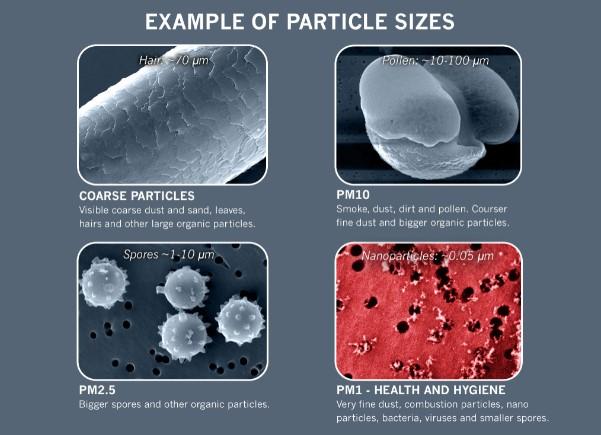
Most homeowners realize that dust and pollen are nuisances, but the invisible threats—Volatile Organic Compounds (VOCs) and persistent odors—are often what actually impact long-term health and daily comfort. While a standard HEPA filter captures particles, it is essentially useless against gases.
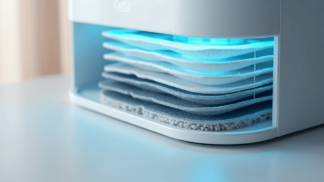
To stop smells and chemicals, you need the heavy lifting of activated carbon. This guide breaks down why carbon is the gold standard for indoor air quality (IAQ) and which filters actually deliver results.
Disclosure: This post contains affiliate links. If you purchase through these links, we may earn a commission at no additional cost to you.
What is the Best Filter for VOCs and Odors?
The most effective filter for removing VOCs, smoke, and household odors is an Activated Carbon Filter. Unlike HEPA filters that trap physical particles, activated carbon uses a process called adsorption to chemically bond gas molecules to the surface of the carbon. For heavy odors, look for “Deep Bed” or “Granular” carbon filters rather than thin carbon-coated pre-filters.
Why HEPA Is Not Enough for Gases
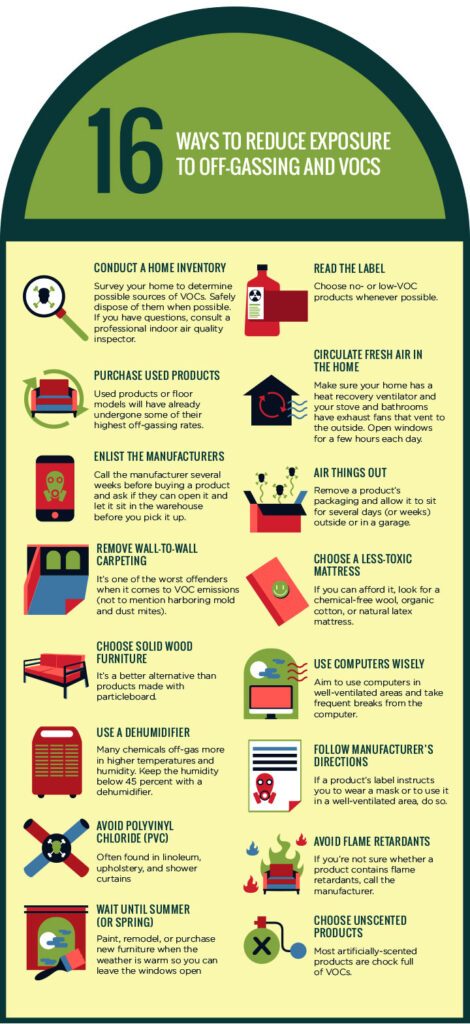
If you have read our guide on Understanding Air Purifier Technology, you know that HEPA handles the solid stuff. However, VOCs—found in paints, new furniture, and cleaning supplies—exist in a gaseous state.
According to the EPA’s research on Indoor Air Quality (IAQ), indoor air can be two to five times more polluted than outdoor air. This is why a multi-stage filtration system is non-negotiable for a healthy home.
The Problem with “Carbon-Infused” Filters
Many budget air purifiers use a thin foam layer “sprinkled” with carbon dust. While better than nothing, these saturate quickly. For true chemical removal, you need substantial weight—measured in pounds of carbon—to ensure a long lifespan and high efficiency.
Comparison: Top-Tier Activated Carbon Solutions
| Feature | FiltersFast Custom Carbon | FieldControls Media Filters |
|---|---|---|
| Best For | DIY Replacement & Value | Whole-Home HVAC Integration |
| Carbon Density | High (Granular options) | Industrial Strength |
| Target Pollutants | Cooking, Pets, Smoke | VOCs, Formaldehyde, Ozone |
| Replacement Cycle | 3-6 Months | 6-12 Months |
| Affiliate Link | Check Price at FiltersFast | Check Price at FieldControls |
Strategic Recommendations for 2026
1. For Room-Specific Odors (Kitchens & Bedrooms)
If your primary goal is removing cooking odors in minutes, a portable smart purifier is your best bet. Look for units that feature a dedicated VOC sensor. These sensors trigger higher fan speeds automatically when they detect gas spikes, saving you energy while maintaining air purity.
2. For Whole-Home Chemical Protection
If you are dealing with “new house smell” or off-gassing from renovations, upgrading your HVAC filter to a high-capacity carbon media filter is more cost-effective than buying five separate portable units.
- Recommendation: FieldControls specializes in these heavy-duty systems that scrub the air as it circulates through your central air.
The True Cost of Clean Air
Maintaining an odor-free home is an investment. Before you buy, consider the long-term maintenance. We have analyzed how much you really spend on filters over 5 years to help you avoid “cheap” machines that cost a fortune in replacement parts.
FAQs
How do I know if my carbon filter is full?
Unlike HEPA filters, which visibly turn grey, carbon filters stop working when they reach “breakthrough.” This is when the carbon sites are fully occupied, and you may notice a slight “sweet” or chemical smell returning to the room.
Can activated carbon filters remove formaldehyde?
Standard carbon is moderately effective against formaldehyde, but “treated” or “impregnated” carbon (often with potassium permanganate) is significantly better for this specific chemical.
Is my home’s air toxic?
Indoor toxicity depends on ventilation and local sources. You can read our deep dive on why indoor air quality matters to identify the red flags in your own living space.
Buying Advice: How to Choose
When shopping for your next replacement or new unit, follow these three rules:
- Check the Weight: If the carbon filter weighs less than a few ounces, do not expect it to handle heavy smoke or paint fumes.
- Match the MERV: For HVAC filters, ensure your system can handle the pressure drop of a high-density carbon filter.
- Automation Matters: In our Smart Air Purifiers Guide, we highlight why sensors are critical for VOC management.
For a full list of the highest-rated units this year, consult our Best Air Purifier for Home 2026 Guide.
Final Verdict
If you want to breathe easier and eliminate the “invisible” pollutants in your home, high-quality carbon is your only solution. For the best selection of replacement filters, we recommend FiltersFast for their vast inventory and competitive pricing. For professional-grade VOC mitigation, FieldControls remains the industry leader.