Indoor plants can make a home feel fresher, calmer, and more alive. They may also play a small supporting role in indoor air quality. But here is the important update: houseplants should not be treated as a replacement for source control, ventilation, HEPA filtration, activated carbon, or a properly sized air purifier.
The best approach is not plants versus purifiers. It is plants plus smarter air habits. Greenery can improve the feel of a room, while proven filtration handles the airborne particles and odors that plants cannot remove quickly enough in most real homes.
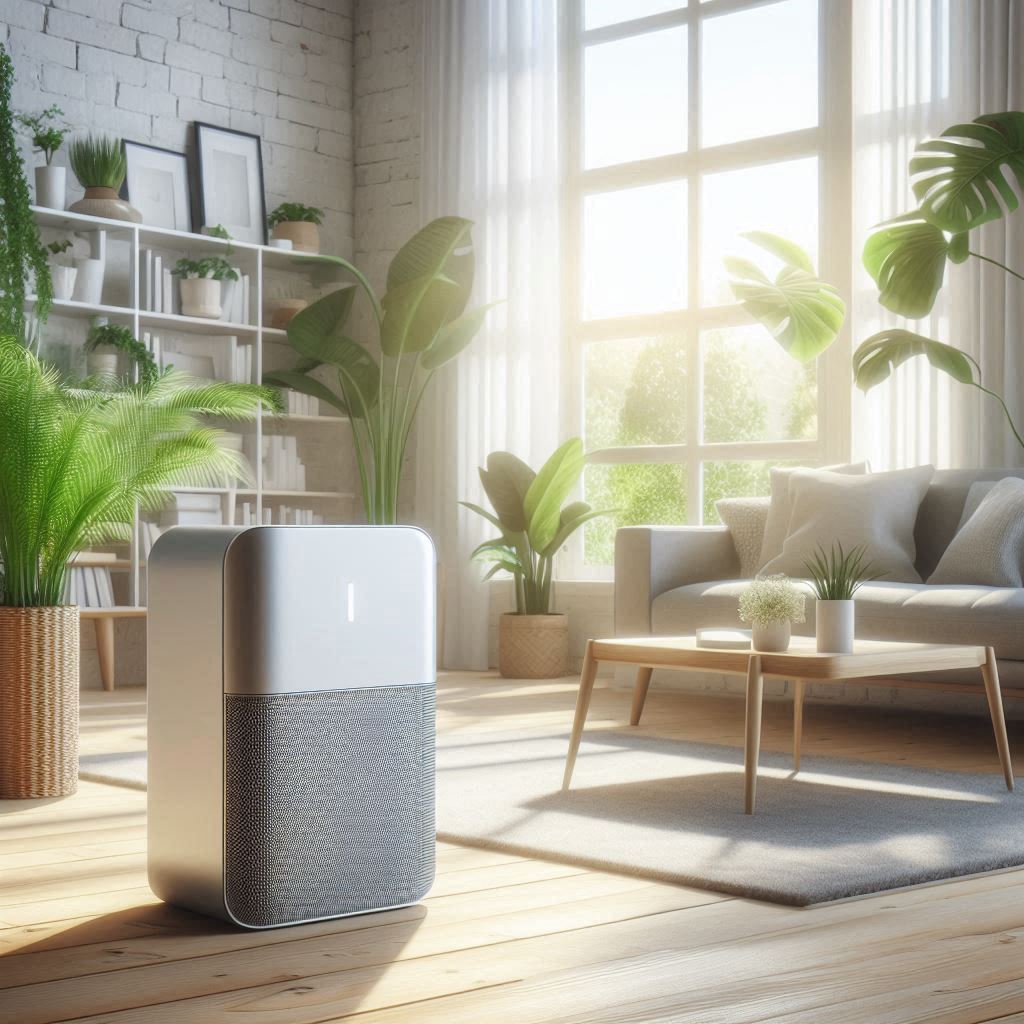
Do indoor plants really clean the air?
Indoor plants can remove some pollutants under controlled laboratory conditions. That is the reason so many “air-purifying plant” lists became popular. The problem is that a normal home is not a sealed lab chamber. Real homes have open doors, HVAC systems, cooking, dust, pets, cleaning products, outdoor air leaks, and constant new pollutant sources.
That means a reasonable number of houseplants will not clean indoor air as quickly or as reliably as a properly sized air purifier with the right filter. Still, plants can support a healthier-feeling indoor space by adding greenery, softening a room, increasing comfort, and encouraging people to pay more attention to their home environment.
Indoor air quality knowledge check
Before you fill the house with “air-purifying plants,” test what you already know.
- Can a few houseplants clean a room as fast as a HEPA air purifier?
- Do plants remove odors as reliably as activated carbon?
- Can overwatered plants create mold concerns?
- Is a NASA-style sealed chamber the same as a normal living room?
- Would plants work better as a comfort layer or as your main filtration strategy?
Why the “air-purifying plant” idea became so popular
The idea is easy to love. Plants are natural, attractive, affordable, and calming. If they can also clean the air, they sound like the perfect solution.
Much of the excitement came from earlier research showing that plants could remove certain pollutants in sealed test environments. These studies were useful, but they were not the same as testing a few potted plants in a typical bedroom, kitchen, or living room.
In a real home, air keeps moving. New pollutants keep entering the space. Cleaning products, cooking, furniture, carpets, candles, pets, outdoor air, and humidity all affect indoor air quality. Because of that, plants may contribute only a small amount compared with ventilation, source control, HVAC filtration, and portable air cleaners.
What indoor plants can realistically do
Indoor plants can support a cleaner-feeling home in several practical ways. They may not replace a purifier, but they can still improve the way a room feels and functions.
Greenery can soften a space and make a room feel more inviting, especially in bedrooms, offices, and living rooms.
Plants can add a sense of calm and may help people feel more connected to their indoor environment.
Some plants release moisture through transpiration, although the impact depends on plant type, room size, and indoor conditions.
People who care for plants often become more aware of light, airflow, moisture, dust, and room conditions.
Some research shows pollutant reduction in controlled conditions, but the effect is usually limited in real homes.
Plants create the natural feel. A properly sized purifier handles the stronger air-cleaning job.
What indoor plants cannot do
This is where the article needs to be honest. Plants should not be used as your main indoor air-quality strategy if you are dealing with serious dust, wildfire smoke, pet dander, cooking particles, strong odors, chemical fumes, mold, or asthma/allergy triggers.
| Indoor air problem | Can plants solve it? | Better first move |
|---|---|---|
| Dust and pollen | Not meaningfully in most homes | HEPA-style particle filtration, cleaning, and HVAC filter maintenance |
| Pet dander | No | Air purifier, vacuuming, grooming, and washable bedding |
| Cooking odors | No | Kitchen exhaust, ventilation when safe, and activated carbon filtration |
| Wildfire smoke | No | High smoke CADR purifier, sealed windows, and clean indoor air practices |
| Mold from moisture | No | Fix water source, control humidity, clean mold properly |
| VOCs from products or materials | Only limited support at best | Source reduction, ventilation, and gas-phase filtration such as activated carbon |
The best indoor plants for a cleaner-feeling home
Instead of calling these “air purifiers,” it is safer to call them indoor comfort plants. They are popular, attractive, and commonly discussed in air-quality conversations, but their biggest everyday value is how they improve the feel of a room.
Hardy, upright, and beginner-friendly. It tolerates lower light better than many plants and fits bedrooms, offices, and small spaces.
Easy to grow, forgiving, and great for hanging baskets or shelves. A good starter plant for people new to indoor greenery.
Attractive and popular, but it can be toxic to pets if chewed. Best for homes where plant safety and placement are carefully managed.
Low-maintenance and trailing, making it useful for shelves and bright indirect light. Also keep it away from pets and children who may chew leaves.
Bold leaves and a strong decorative presence. It can make a room feel greener without needing dozens of smaller plants.
Often discussed in plant air-quality research and useful as a statement plant. Some varieties can be sensitive to water quality and pet chewing.
How to use plants and air purifiers together
The best setup is not complicated. Use plants to make a room feel more natural and comfortable. Use an air purifier to handle the filtration work. Together, they create a better indoor environment than either one alone.
| Goal | Plants help by… | Air purifiers help by… |
|---|---|---|
| Bedroom comfort | Adding calm, softness, and a natural feel | Reducing airborne particles when properly sized and maintained |
| Pet-friendly living room | Making the room feel fresher visually | Capturing pet dander, dust, and airborne particles |
| Home office focus | Creating a calmer work environment | Filtering particles while you spend long hours indoors |
| Cooking odor control | Adding visual freshness | Helping with particles and odors if the purifier includes meaningful carbon |
| Allergy season | Making the space feel less sterile | Reducing pollen and dust particles when run consistently |
For air purifier selection, focus on CADR, room size, filter type, noise level, and replacement filter cost. For plants, focus on light, watering needs, pet safety, and whether you can keep the soil healthy without overwatering.
Plant care mistakes that can hurt indoor air quality
Plants can make a room feel better, but poor plant care can create new problems. The biggest issue is moisture. Overwatered soil can encourage mold growth, fungus gnats, and musty smells.
Let the soil dry according to the plant’s needs. Constantly wet soil can create odor and mold concerns.
Pots need proper drainage so roots are not sitting in water. Decorative pots should not trap standing water.
Dusty leaves look dull and may reduce plant health. Wipe broad leaves gently with a damp cloth.
Check leaves and soil for insects before bringing new plants indoors and before placing them near other plants.
Some flowering plants may bother people with allergies or scent sensitivity.
Do not block purifier intake or output vents with plants, pots, stands, or curtains.
Where to place plants for the best home effect
Place plants where they improve the room without creating clutter or blocking airflow. A plant should make the space feel better, not interfere with ventilation, light, movement, or purifier performance.
Good locations include bright indirect-light corners, shelves, side tables, home office desks, bedroom dressers, and living room plant stands. Avoid putting plants directly against air purifier vents, HVAC returns, baseboard heaters, or damp window areas where condensation collects.
Natural air quality stack: plants plus proven basics
If you want a healthier-feeling home, think in layers. Indoor plants can be one layer, but they should not be the only one.
Reduce indoor pollution from smoke, excess fragrance, harsh cleaners, moisture, and poor cooking ventilation.
Bring in outdoor air when outdoor air quality is good. Keep windows closed during smoke, heavy pollen, or pollution events.
Use a properly sized air purifier or HVAC filter to reduce airborne particles more reliably than plants can.
Use carbon filtration when odors, cooking smells, smoke smell, or some gas concerns are part of the problem.
Use sensors and purifier apps as helpful guides, but do not treat them as perfect measurements of every pollutant.
Add greenery for comfort, beauty, routine, and a more natural indoor feel.
When a purifier matters more than plants
There are times when plants are not enough. If your home deals with wildfire smoke, heavy pollen, pet dander, dust buildup, cooking particles, asthma triggers, or strong odors, a properly sized air purifier is the more practical tool.
The EPA’s guidance on air cleaners emphasizes that filtration can help as a supplement to source control and clean ventilation. It also notes that most filters are designed for either particles or gases, which is why HEPA-style filtration and activated carbon serve different roles.
Need the filtration layer?
Plants can make the room feel better. A purifier can help clean the air more directly. If you already own a purifier, make sure the replacement filter is correct for your exact model.
FAQs about indoor plants and air quality
Do indoor plants really purify the air?
They can remove some pollutants in controlled test settings, but normal numbers of houseplants do not clean air fast enough to replace ventilation, source control, HVAC filtration, or a portable air purifier in most homes.
What is the best indoor plant for air quality?
Popular choices include snake plants, spider plants, peace lilies, pothos, rubber plants, and dracaena. However, the “best” plant is the one you can keep healthy without overwatering, mold, pests, or pet-safety problems.
Can plants remove VOCs?
Some plants have shown VOC removal in sealed chamber studies. In real homes, the effect is usually too small to rely on as the main VOC solution. Reducing the source, ventilating safely, and using appropriate gas-phase filtration are more practical steps.
Can plants replace an air purifier?
No. Plants can add comfort and natural beauty, but they do not replace a properly sized purifier with HEPA-style particle filtration and activated carbon when needed.
Can houseplants make indoor air worse?
They can if they are overwatered, moldy, pest-infested, heavily fragrant, or unsafe for pets and children. Good plant care matters.
Should I keep plants near my air purifier?
You can keep plants in the same room, but do not block the purifier’s intake or outlet vents. Airflow needs clear space to work well.
Are plants still worth having if they do not clean the air like a purifier?
Yes. Plants can improve how a room feels, add beauty, support a calmer environment, and make your home feel more connected to nature. They simply should not be oversold as the main air-cleaning tool.
Helpful external resources
For readers who want to verify the science and indoor air-quality guidance, these resources are helpful starting points:
EPA Guide to Air Cleaners in the Home
American Lung Association: Actually, Houseplants Don’t Clean the Air
Drexel University: Potted Plants and Indoor Air Quality
University of Birmingham: Potted Plants and Nitrogen Dioxide
AirNow Outdoor Air Quality Index
Final takeaway: plants make the room feel better, purifiers do the heavy lifting
Indoor plants are a beautiful addition to a home. They bring nature inside, soften rooms, support comfort, and may offer small air-quality benefits in certain situations. But the strongest, most honest advice is this: do not rely on plants alone for indoor air quality.
If your goal is cleaner air, start with source control. Ventilate when outdoor air is safe. Use the right air purifier for your room. Choose HEPA-style filtration for particles and activated carbon when odors or gases matter. Then add plants for the natural comfort layer they provide so well.
Build a smarter clean-air setup
Use plants for calm. Use filtration for performance. Use replacement filters on schedule. That combination is far stronger than any single “natural solution” by itself.
This is a great article and really makes a compelling case for using indoor plants. I’ve always had plants, mostly for aesthetic reasons, but learning about their air-purifying properties is really useful.
I’ve recently moved into a new apartment that has less ventilation, so it gets pretty stuffy. I’ll definitely be taking your advice and investing in some of those recommended plants.
I already have a couple of succulents, but maybe adding a bigger one along with some others will make a noticeable difference. Thanks 🙂
Hi Dan,
Thank you for your kind words! We’re thrilled that the article resonated with you. Moving to a less ventilated space can definitely be a challenge, but adding some air-purifying plants should help a lot! Succulents are a great start, and you might also want to consider plants like snake plants, peace lilies, or areca palms—they’re known for their powerful air-cleaning properties. Best of luck with your new apartment, and feel free to share your experience with us once you’ve set up your green corner! We’d love to hear how it works out for you.