Air purifiers play an important role in maintaining a comfortable and healthy indoor environment. Changing weather conditions can affect their performance, and understanding these changes helps you adjust your device for maximum efficiency. This article explains how weather variations impact air purifiers and provides practical strategies to optimize their function throughout the year.
Understanding How Weather Affects Air Purifier Performance
The weather has a surprising influence on air quality inside your home. Temperature shifts, humidity levels, and seasonal allergies all contribute to changes in indoor air conditions. When warmer air holds more moisture or when cooler seasons drive people indoors, pollutants can build up quickly. This means your air purifier might face more challenges filtering contaminants during certain weather conditions.
Several studies have shown that high humidity, extreme temperatures, and even seasonal pollen variations can impact the efficiency of air purifiers. Whether you live in an area with fluctuating weather or a region with a distinct seasonal pattern, understanding these factors is very important. Many modern air purifiers come with features that automatically adjust based on changing indoor air quality, but fine-tuning them ensures the best results throughout the year.
Knowing how weather impacts your purifiers not only improves air quality but also prolongs the life of the device. Regular maintenance and adjustments help the appliance perform consistently well, regardless of seasonal shifts. For homeowners who have experienced unexpected drops in performance during sudden weather changes, keeping an eye on local forecasts and scheduling periodic check-ups can make a noticeable difference in air cleanliness.
To add more context, consider that indoor air quality is influenced by a blend of outdoor conditions. For example, after a rainy day, the outside pollutants might temporarily decline but high humidity indoors can result in issues with filter efficiency. On crisp winter mornings, heating systems may circulate dust that has settled overnight. This close connection between weather and indoor conditions underscores the importance of monitoring your environment continually. Taking small steps, like repositioning your air purifier or running it on a higher setting during known weather events, can significantly improve performance and prolong the unit’s lifespan.
Preparing Your Air Purifier for Seasonal Changes
Before the weather shifts, it is a good idea to get your air purifier ready for the upcoming season. Whether you face heavy pollen in spring or increased humidity in summer, there are some proactive steps you can take. Each season introduces different elements into the air, and a few adjustments can help the device work more efficiently.
Consider these steps when preparing your air purifier for seasonal changes:
- Inspect and Replace Filters: Start by checking your filters. In seasons where allergens and dust multiply, old filters can get clogged quickly. Replacing or cleaning filters according to the manufacturer’s recommendations keeps the device working optimally.
- Adjust Settings According to Weather: Some air purifiers offer adjustable modes that can be set based on humidity and pollution levels. Changing settings as the weather changes can help manage energy usage and give a boost to performance.
- Optimize Device Placement: Think about where the air purifier is placed. During windy days or rainy seasons, outdoor air can seep into your home. Positioning your purifier in a central area can reduce the impact of drafts. This careful placement also minimizes the entry of airborne pollutants, allowing the device to filter more effectively.
- Schedule Routine Maintenance: Regular cleaning and maintenance go a long way. This is especially important if your area experiences seasonal flare-ups in pollution or allergens. A consistent schedule of maintenance checks helps avoid any unexpected drops in performance and ensures that all parts remain in good working order.
- Monitor Weather Trends: Using local weather apps to check in on changes can help you anticipate when to adjust settings or perform maintenance. Awareness of upcoming weather patterns allows you to prepare ahead of time and reduce the strain on your device during critical periods.
By following these steps, you can ensure your air purifier continues to provide clean indoor air even when the weather is unpredictable. Investing a little extra time in preparing your device now can lead to long-term savings and a consistently healthy living environment.
Common Challenges in Changing Weather Conditions
Weather-related challenges are a common concern for many homeowners using air purifiers. As the seasons switch up, certain obstacles may arise that affect the efficiency of these devices. Here are some challenges and potential ways to address them.
- Filter Efficiency Declines: In highly humid or dusty environments, filters can become saturated quickly. Carbon filters, in particular, may struggle to trap all pollutants during high-intensity periods. Replacing filters more frequently or opting for higher-quality models can help ease up this issue.
- Humidity’s Impact on Performance: High humidity levels in summer or in regions near bodies of water can cause moisture to accumulate on filters, reducing their ability to capture airborne particles. Some air purifiers include dehumidifying features or sensors that adjust performance based on moisture levels to keep performance steady.
- Temperature Extremes: When temperatures drop in winter or rise in summer, the internal components of an air purifier can be affected. Extreme cold might slow down fan speeds, while high heat can lead to faster degradation of parts. Ensuring proper ventilation and even using protective covers during severe weather can help maintain performance over time.
- Increased Pollutants: Seasonal changes often come with spikes in allergens, pollen, and even smoke due to events like wildfires. This can put extra pressure on your air purifier as it tries to filter larger volumes of fine particles. Upgrading to models with HEPA filters that capture very small particulates can be a good solution for these scenarios.
- Power Fluctuations: Certain weather conditions may also lead to power instabilities. Ensuring that your home’s power supply is stable or using surge protectors can help prevent any damage to your device during electrical fluctuations.
Additional challenges might include dust storms or sudden temperature swings that a standard maintenance routine does not address. In such cases, keeping spare filters and having a backup plan in mind can save you from unexpected inconveniences. It is really important to be prepared and adaptable as weather scenarios change throughout the year.
Filter Maintenance
One of the main challenges is keeping the filters in top shape. Filters tend to accumulate dust and need to be cleaned or replaced periodically, especially during seasons with high dust or pollen. A saturated filter not only stops working efficiently but might also force the device to work harder than necessary. Regular maintenance reviews and cleaning cycles help identify when a filter needs attention, enabling you to keep the system running at peak performance.
Managing Humidity
Humidity is another significant factor affecting air purifiers. In summer, high moisture levels can coat filters with tiny water droplets, which may reduce their ability to capture airborne particles. Using an air purifier that comes equipped with built-in humidity sensors, or combining it with a dehumidifier, can create a more balanced indoor climate. Keeping an eye on moisture readings and adjusting settings when necessary makes a noticeable difference in overall indoor air quality.
Adjusting to Temperature Variations
Both very cold and very warm conditions can change the performance of electronic devices. For air purifiers, fans may operate less efficiently in extreme cold, while high temperatures might shorten the lifespan of certain components. Simple adjustments, like keeping the device in a temperature-controlled room, can help prevent performance issues and ensure that the purifier consistently delivers clean air even when external conditions are challenging.
Advanced Tips to Step Up Air Purifier Efficiency
Once you have the basics down, you can try some advanced measures to push your air purifier’s performance further. These strategies are geared towards those who want to get the most out of their device, regardless of the challenges brought on by weather changes. In this section, we mix together practical insights and additional suggestions to help you make informed decisions about your air purifier setup.
Fine-Tune Sensor Settings: Many modern air purifiers come with built-in sensors that monitor air quality and automatically adjust the device’s performance. Experiment with these settings to see which modes best suit your indoor environment. Some devices even allow manual calibration, so you can tailor performance based on the specific conditions of your home. Keeping a written log of adjustments can be very useful when seasonal transitions occur.
Use Complementary Technologies: Combining your air purifier with other devices like humidifiers or dehumidifiers can create a more controlled environment. For instance, in regions with high humidity, a dehumidifier reduces the moisture load on air filters. Conversely, in drier environments, a humidifier can add the right amount of moisture to the air. Both approaches work together to ensure that your primary air purification system does not have to overwork itself. It isn’t just about running one device; it’s about orchestrating an environment that naturally supports healthy air quality.
Regular Performance Reviews: Keeping a detailed record of when you adjust settings and how your air purifier responds can offer insights into the best operating conditions. This record-taking is a practical way to map out the most efficient routines for seasonal changes and can help you decide when further intervention might be necessary. A systematic approach to reviewing performance can also indicate if it’s time to upgrade or change your maintenance schedule.
Smart Home Integration: Some advanced air purifiers offer integration with smart home systems, allowing remote monitoring and adjustments via mobile apps. This can be particularly useful if you experience rapid shifts in weather conditions. With smart integration, your air purifier may even alert you when it’s time to replace filters or when performance seems to dip, making it easier to keep the air clean without constant manual checks.
In addition to these methods, regularly updating the firmware on connected devices and staying in touch with the manufacturer’s recommendations can further step up your air purifier’s efficiency. These extra steps ensure that your system remains responsive to environmental changes and helps maintain the ideal indoor atmosphere.
Selecting the Right Air Purifier Setup for Your Environment
Your indoor environment is unique, and the best air purifier setup depends on your specific needs. Whether you are contending with urban pollution, seasonal allergies, or a blend of both, considering these factors will help you choose the right system. It truly isn’t just about owning a device; it’s about matching its capabilities to the conditions of your home.
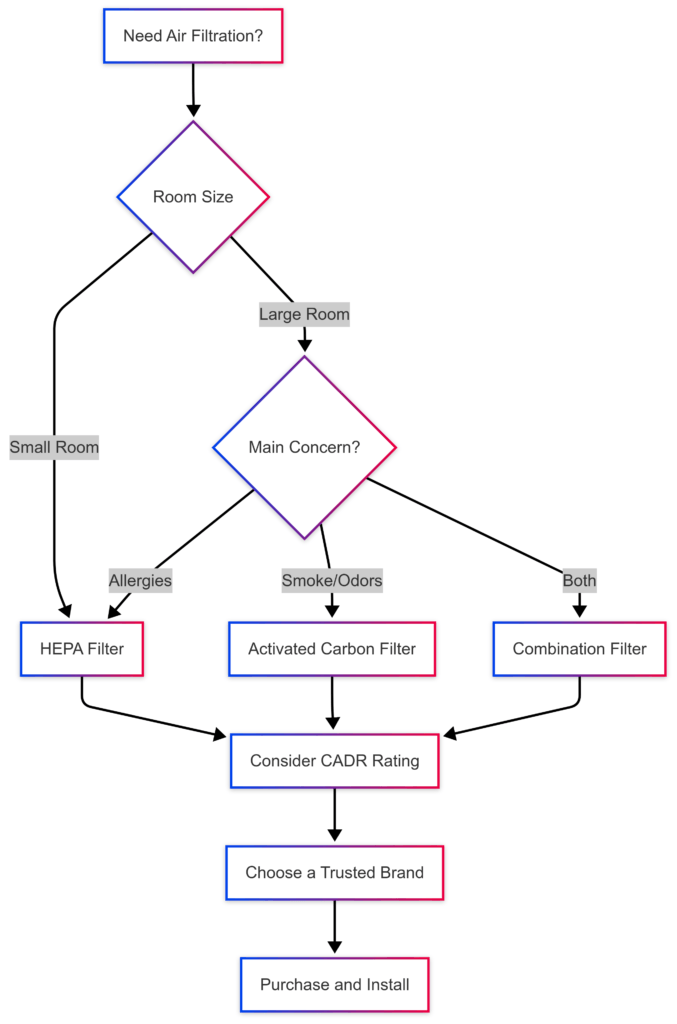
For homes in areas with high outdoor pollution, a strong purifier with advanced HEPA filters is often recommended. In regions where seasonal pollen and dust dominate, models with multiple-stage filtration might be more effective. Some air purifiers are even designed with adjustable fan speeds and smart sensors to better adapt to indoor air quality changes. Performing thorough research on specific models and reading customer reviews can be a wise approach to making an informed decision.
Understanding your environment means carefully considering the layout of your home as well. For example, an open floor plan might benefit from a single high-capacity unit, whereas segmented spaces could require multiple smaller units. For those living in urban settings, devices with pollutant sensors and HEPA filters work best during rush hours or periods of industrial emissions. Conversely, in suburban or rural areas where allergens such as pollen or mold spores are more common, air purifiers with activated carbon filters or multi-stage filtration can better manage these specific challenges.
- Urban Settings: Look for purifiers with next-level cool pollutant sensors and advanced HEPA filters. These models work well in cities where air pollution can spike during rush hour. They are designed to tackle high volumes of contaminants that arise from daily traffic and industrial activities.
- Suburban or Rural Areas: In regions with less industrial pollution but higher levels of allergens like pollen or mold, devices with activated carbon filters or a multi-stage filtration system can help maintain indoor air quality effectively.
- Homes with Allergies: For individuals sensitive to airborne allergens, consider air purifiers that clearly specify allergy-friendly features and have a track record of reducing common allergens. Establishing the right setup in these homes can mean the difference between constant discomfort and a soothing indoor atmosphere.
This section highlights that choosing the right air purifier isn’t just about the technical specifications of the device. It involves understanding your personal living conditions, researching the various features available, and then matching those features to your home’s unique air quality challenges. A well-informed decision will ensure that you invest in a system that consistently delivers clean air, regardless of seasonal changes.
Frequently Asked Questions
This section tackles some common questions regarding optimizing air purifiers for shifting weather conditions. The following questions and answers have helped many homeowners smooth the way toward better indoor air quality.
Question: How do weather conditions affect my air purifier’s performance?
Answer: Weather can influence both the amount and type of pollutants that enter your home. For example, high humidity may cause filters to become damp and less effective. Seasonal pollen and dust loads might also build up more quickly on filters, reducing overall efficiency.
Question: How often should I replace or clean my air purifier filters?
Answer: The frequency depends on your local air quality and usage conditions. In highly polluted or humid climates, you might need to check your filters every one to two months. Many manufacturers provide guidelines based on seasonal conditions, so staying sharp about these recommendations can keep your system running optimally.
Question: Can I adjust my air purifier settings based on current weather conditions?
Answer: Yes, many modern air purifiers come equipped with sensors that automatically adjust the device’s performance. In addition, some models allow manual adjustments so you can tailor the operation to better handle changes in humidity, temperature, and overall air quality.
Question: Is it necessary to use additional devices like humidifiers or dehumidifiers alongside my air purifier?
Answer: While not necessary for everyone, using these additional devices can balance indoor moisture levels. A dehumidifier or humidifier can work in tandem with your air purifier to create a more stable and comfortable environment during extreme weather conditions.
Bottom Line,
Optimizing your air purifier for changing weather conditions is a practical approach to achieving consistent indoor air quality. By understanding how factors like humidity, temperature, and seasonal allergens impact your device, you can make well-informed decisions about maintenance and settings adjustments. Simple steps, such as inspecting and replacing filters regularly, fine-tuning sensor settings, and integrating complementary technologies, add up to a significant improvement in air quality.
Taking the time to monitor indoor air quality and adjust device settings accordingly not only improves your immediate environment but also extends the lifespan of your air purifier. Regular performance reviews and smart home integration features can further help you track the device’s efficiency over time. This proactive, detailed attention helps ensure that your air purifier works effectively, no matter how frequently the weather switches up.
Additionally, consider periodically reevaluating your overall setup. Research new models and technologies that might better serve your evolving needs. It is really important to stay updated on best practices and product innovations that can bring even more benefits to your indoor space. Enjoy the benefits of cleaner air and a more comfortable home environment throughout every season of the year.