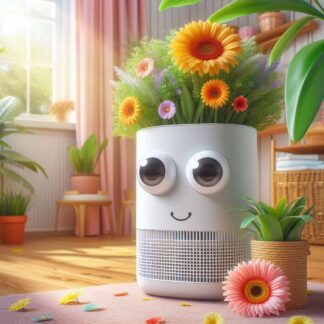
Spring is more than blooming flowers—it’s allergy season. Discover why this season is the perfect time to invest in a smart air purifier and how it can transform your home into a healthier, cleaner haven.

There’s something magical about spring. After months of winter’s gray chill, the world bursts into color. Birds sing louder, the sun lingers longer, and nature seems to stretch its arms and yawn awake.
But for many, spring also means itchy eyes, sneezing fits, and a fog of pollen clinging to every breeze. As the flowers bloom and trees bud, allergens flood the air—and with them comes a fresh wave of breathing difficulties, sinus pressure, and restless nights.
Enter the smart air purifier: your home’s unsung hero during the springtime chaos. In this article, we’ll walk you through why spring is the ultimate season to bring one home. We’ll explore the science, the seasonal triggers, the smart features that make a difference, and how these intelligent devices can do more than just clean air—they can improve your life.
Spring: A Season of Renewal… and Airborne Offenders
Spring is often viewed as a new beginning. But along with the bright tulips and chirping birds, come powerful allergens and pollutants that are more active than ever.
Let’s break it down:
- Pollen: As soon as temperatures begin to rise, grasses, trees, and flowers release microscopic grains into the air to fertilize plants. These grains are harmless to most, but for those with seasonal allergies, they’re the start of a battle.
- Dust and Mold: Spring cleaning kicks up dust mites from forgotten corners, while damp basements and bathrooms foster mold growth as humidity increases.
- Pet Dander: As pets shed their winter coats, dander becomes more noticeable indoors.
- Outdoor-to-Indoor Transfer: Open windows, shoes, and jackets carry allergens from outside into our homes.
For sensitive individuals, these environmental shifts create an invisible storm that invades bedrooms, clings to couches, and irritates the lungs. But smart air purifiers are designed to tackle these invaders, giving you a fresh start—just like spring intends.
The Smart Advantage: More Than Just Filters
You might be thinking: “Can’t any air purifier help with this?”
Not quite. Traditional purifiers work on a set-it-and-forget-it basis. Smart air purifiers, on the other hand, bring an entirely new level of personalization, automation, and precision. They don’t just clean the air—they respond to it.
Here’s how they shine:
1. Real-Time Air Quality Monitoring
Modern smart purifiers come equipped with sensors that monitor indoor air in real-time. If pollen levels spike or dust increases while you’re vacuuming, the purifier adjusts its speed automatically.
2. App Control and Smart Home Integration
Whether you’re relaxing on the couch or stuck in traffic, smart purifiers let you monitor and control air quality from your phone. Many models also connect to Alexa, Google Assistant, or Apple HomeKit—allowing voice control and automated routines.
Imagine saying, “Hey Google, start allergy mode,” and knowing the purifier will adjust instantly.
3. Allergen-Focused Filtration
HEPA filters remain the gold standard, but some smart purifiers now include filters specifically designed for allergens, VOCs (volatile organic compounds), and even bacteria or viruses.
4. Data-Driven Insights
Most smart purifiers keep logs of your home’s air quality over time. This is especially helpful in spring, when fluctuations are more frequent. It also allows users to make informed decisions—like when to replace filters or change cleaning habits.
Breathe Easy: Replace Your Air Filter Easily Today. GO NOW: FiltersFast.com
The Springtime Air Crisis: What You Don’t See Can Hurt You
Let’s put ourselves in a typical springtime household.
It’s April. The windows are open to let in the breeze. The dog has just come back from a romp in the park. You’re wiping down counters and dusting shelves, preparing for a fresh new season.
And unbeknownst to you, the air inside is filled with:
- Tree pollen
- Pet dander
- Cleaning product fumes
- Micro mold spores from last week’s rain
Suddenly, your child is rubbing their eyes. Your partner can’t stop sneezing. Your own breathing feels heavier, your throat scratchy.
These aren’t random symptoms—they’re signals.
That’s the moment when a smart air purifier becomes more than a home gadget. It becomes a shield. While you prepare dinner, it’s actively scrubbing the air. While you sleep, it’s monitoring allergens. When your indoor environment changes, it adapts. Quietly. Constantly. Thoughtfully.
Smart Air Purifiers and Allergy Relief: A Breath of Fresh Innovation
Smart air purifiers offer measurable relief for allergy sufferers. According to the American Academy of Allergy, Asthma & Immunology, indoor allergens contribute to year-round discomfort, but symptoms typically peak in the spring. That’s because windows are open more often, and airborne irritants are on the move.
Here’s how smart purifiers help with allergy management:
- HEPA Filtration: Captures up to 99.97% of airborne particles as small as 0.3 microns, including pollen, dust, and mold spores.
- Auto Mode: Increases purification levels when allergens spike, often during morning hours or after vacuuming.
- Night Mode: Reduces noise and dims lights for uninterrupted sleep while still keeping the air clean.
- Air Quality Alerts: Some purifiers alert you when pollen counts are high, so you can preemptively close windows or switch modes.
These aren’t just conveniences—they’re quality-of-life upgrades. They offer peace of mind in the very air you breathe.
Spring Cleaning + Smart Purifiers = The Ultimate Combo
Let’s talk about spring cleaning—a tradition that feels good but can unknowingly make things worse.
Dusting stirs up settled particles. Mopping disturbs mold spores. Vacuuming (especially without a HEPA-filtered vacuum) sends a flurry of allergens into the air.
That’s where smart air purifiers become your spring cleaning co-pilot.
Set one in the living room before you begin. Start another in the bedroom while changing linens. Thanks to app-based controls, you can schedule purification cycles before cleaning sessions—or keep them running as you work.
Some models even have a “Turbo Mode” for high-activity moments like deep cleaning, moving furniture, or airing out rugs.
The result? A cleaner home that doesn’t come with a side of sniffles.
A Smart Investment in Health and Comfort
Buying a smart air purifier in spring isn’t just about handling allergies—it’s an investment in health, comfort, and technology that supports you year-round.
Benefits extend beyond just spring:
- Summer: Beat wildfire smoke, humidity-based mold, and rising ozone levels.
- Fall: Filter out autumn allergens like ragweed and decaying leaves.
- Winter: Tackle indoor pollution from heaters, candles, and closed windows.
It’s not a seasonal fix—it’s a four-season solution that simply shines brightest in spring, when your air needs the most attention.
Choosing the Right Smart Air Purifier: What to Look For
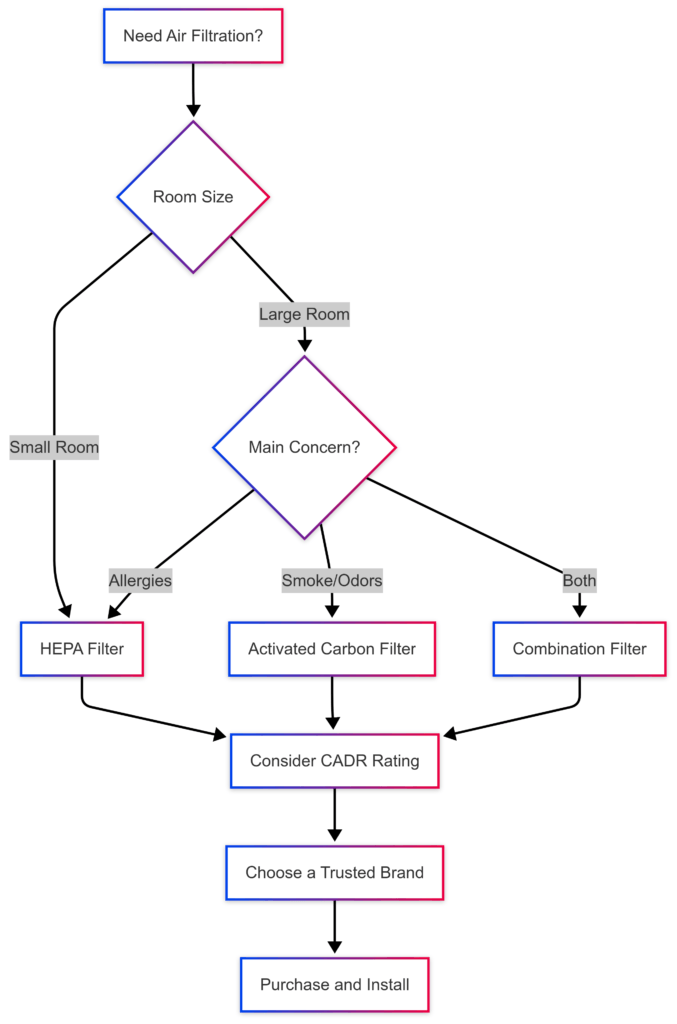
If you’re ready to make the leap, here’s what to consider when shopping:
✅ Smart Features
Look for real-time air monitoring, app connectivity, voice assistant integration, and data tracking.
✅ True HEPA Filter
Don’t settle for “HEPA-type” filters. True HEPA makes the difference with certified particle removal.
✅ Room Size Compatibility
Make sure the purifier is rated for the size of the room where you’ll use it most—usually in square feet.
✅ CADR Rating (Clean Air Delivery Rate)
Higher CADR = faster and more efficient purification. Check ratings for pollen, dust, and smoke.
✅ Filter Replacement Alerts
This smart feature ensures you’re never operating with a worn-out filter.

Free replacement filter and lamp with purchase of Trio Plus
Bonus Tip: Brands like Levoit, Dyson, Coway, and Blueair are known for combining smart features with high-quality filtration.
Real-Life Story: How a Smart Air Purifier Changed One Spring for Good
Meet Linda, a mom of two living in North Carolina. Every spring, her family dreaded the onslaught of pollen that blanketed their porch and seeped through every open door. Her youngest son, Noah, had such bad allergies that spring meant missed soccer practices, red puffy eyes, and trips to the pediatrician.
Last year, Linda tried something new. She bought a smart air purifier for each bedroom and one for the living room. They connected to her Alexa routine: when pollen levels were high outside, the units kicked in automatically.
The change was dramatic. Noah slept better. The house felt fresher. Even Linda, who didn’t think she had allergies, realized she was breathing easier.
That one purchase turned the family’s least favorite season into something they could finally enjoy.
Spring Forward with Cleaner Air
The beauty of spring shouldn’t come at the cost of your comfort or health. Whether you’re looking for relief from allergies, better sleep, or simply want to enjoy the season more fully, a smart air purifier can be a life-changing ally.
Spring is a time for new beginnings. Let cleaner, healthier air be one of them.
Ready to Breathe Easier?
If you’re considering a smart air purifier, spring is the time to act.
Visit BestSmartPurifiers.com for reviews, guides, and curated picks that make shopping simple.
Your lungs will thank you.
Frequently Asked Questions (FAQ)
Q: Can air purifiers remove pollen from my home?
Yes. Smart air purifiers with HEPA filters can capture up to 99.97% of pollen particles, significantly reducing allergy symptoms.
Q: How long should I run my purifier during spring?
Most models are designed to run continuously. Auto mode adjusts power usage as needed, so they’re energy-efficient even when left on.
Q: Do I need one for every room?
Ideally, yes. But if that’s not possible, prioritize bedrooms and high-traffic areas like living rooms.
Q: What maintenance is required?
You’ll need to replace filters every 6–12 months, depending on use and model. Many smart purifiers alert you when it’s time.
