Discover how leading air purifier brands are revolutionizing indoor air quality with smart ecosystems. Learn how to create a healthier, more connected home environment with cutting-edge technology.
Breathing Life into Your Home
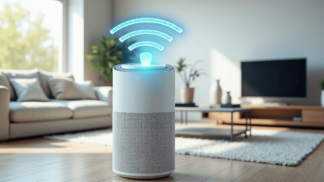
Imagine walking into your home after a long day, and the air feels as fresh as a mountain breeze. It’s not just clean—it’s smart. Your air purifier has already detected pollen levels rising outside and adjusted itself to keep your indoor air pristine. This isn’t a futuristic dream; it’s the reality of creating a smart air ecosystem with leading purifier brands.
In this blog post, we’ll explore how smart air purifiers are transforming indoor environments, the technology behind them, and how you can build your own smart air ecosystem. Let’s dive into the world where technology meets breathability.
The Evolution of Air Purifiers: From Basic to Brilliant
Air purifiers have come a long way from their humble beginnings. Initially, they were simple devices designed to filter out dust and allergens. While effective, they lacked the intelligence to adapt to changing environments or user needs.
Enter the era of smart air purifiers. These devices are equipped with advanced sensors, Wi-Fi connectivity, and integration with smart home ecosystems. Brands like Dyson, Levoit, and Coway have redefined what it means to purify air, offering features like real-time air quality monitoring, voice control, and energy-efficient modes.
Why a Smart Air Ecosystem Matters
A smart air ecosystem isn’t just about convenience; it’s about creating a healthier living space. Here’s why it matters:
- Real-Time Monitoring: Smart purifiers provide real-time data on air quality, allowing you to make informed decisions.
- Energy Efficiency: These devices optimize their performance based on air quality, saving energy and reducing costs.
- Health Benefits: By removing pollutants, allergens, and even viruses, they contribute to better respiratory health.
- Seamless Integration: They work with other smart devices, creating a cohesive home environment.
Key Features of Leading Smart Air Purifiers
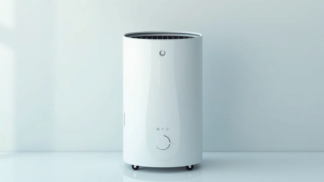
Let’s take a closer look at what makes these devices stand out:
1. Advanced Filtration Systems
Leading brands use multi-layered filtration systems, including HEPA filters, activated carbon filters, and even UV-C light to eliminate pollutants.
2. Smart Sensors
These sensors detect particles as small as 0.3 microns, adjusting the purifier’s settings automatically.
3. Connectivity
Wi-Fi and Bluetooth connectivity allow you to control the purifier via smartphone apps or voice assistants like Alexa and Google Assistant.
4. Energy Efficiency
Features like sleep mode and auto-shutoff ensure that the device uses energy only when needed.
5. Aesthetic Design
Modern purifiers are designed to blend seamlessly into your home decor, proving that functionality and style can coexist.
Building Your Smart Air Ecosystem
Creating a smart air ecosystem involves more than just buying a purifier. It’s about integrating multiple devices to work together harmoniously. Here’s how you can do it:
Step 1: Choose the Right Purifier
Start with a smart air purifier that suits your needs. For large rooms, consider models like the Coway Airmega 400S. For smaller spaces, the Levoit Core 200S is a compact yet powerful option.
Step 2: Integrate with Smart Home Devices
Connect your purifier to your existing smart home ecosystem. Use platforms like Amazon Alexa or Google Home for voice control and automation.
Step 3: Add Complementary Devices
Enhance your ecosystem with devices like smart thermostats, humidifiers, and air quality monitors. These devices can communicate with your purifier to optimize air quality.
Step 4: Monitor and Adjust
Use the purifier’s app to monitor air quality and adjust settings as needed. Many apps also provide insights and recommendations for improving your indoor environment.
A Day in the Life of a Smart Air Ecosystem
Let’s bring this concept to life with a story.
Meet Sarah, a busy mom of two who lives in a bustling city. Her mornings start with her smart purifier detecting high pollen levels outside. It kicks into high gear, ensuring her kids wake up to clean air.
As Sarah prepares breakfast, her purifier sends a notification: “Air quality is excellent.” She smiles, knowing her family is breathing easy.
Later, while Sarah is at work, her purifier detects a spike in indoor pollutants caused by her dog’s playful antics. It adjusts itself automatically, and Sarah receives an update on her phone.
By evening, the purifier enters sleep mode, ensuring a quiet and restful night for the family. Sarah’s smart air ecosystem works tirelessly, giving her peace of mind.
The Future of Smart Air Ecosystems
The future is bright—and breathable. As technology advances, we can expect even more innovative features, such as:
- AI-Powered Insights: Predictive analytics to anticipate air quality changes.
- Integration with Wearables: Syncing with fitness trackers to provide personalized air quality recommendations.
- Sustainability Features: Eco-friendly materials and energy-efficient designs.
Breathe Easy, Live Smart
Creating a smart air ecosystem is more than a trend; it’s a lifestyle choice that prioritizes health, convenience, and sustainability. With leading brands like Dyson, Levoit, and Coway paving the way, the possibilities are endless.
So, why wait? Take the first step toward a smarter, healthier home today. Your lungs will thank you.

Free replacement filter and lamp with purchase of Trio Plus