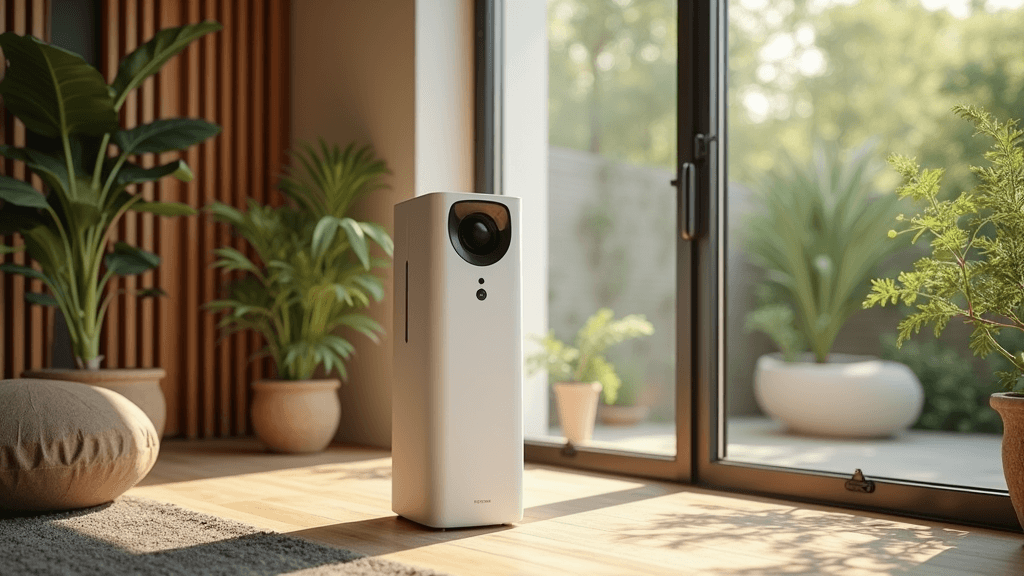
Smart air purifiers are making a splash in sustainable home design. By blending smart technology with eco-friendly practices, these devices work quietly in the background to ensure cleaner, healthier indoor air. Whether you’re new to sustainable living or a long-time eco-enthusiast, smart air purifiers offer a practical way to reduce allergens, pollutants, and other harmful particles in your environment.
Key Benefits of Smart Air Purifiers in Sustainable Homes
Smart air purifiers serve a dual purpose. Not only do they improve your indoor air quality, they also help reduce your home’s overall environmental footprint. I’ve noticed that many sustainable home enthusiasts lean towards technology that seamlessly blends efficiency with eco-conscious design. Air purifiers have grown from simple filter devices into smart systems capable of monitoring air quality in real time.
These devices can automatically adjust their settings based on the detected levels of pollutants. For instance, when they sense the presence of airborne allergens or increased levels of dust, they boost their performance to clear the air. This real-time responsiveness not only ensures optimal indoor conditions but also minimizes energy waste by running at lower speeds when air quality is good.
When considering sustainable home design, it is also important to look at long-term home health. A smart air purifier contributes to better respiratory health and overall well-being by filtering out harmful substances and allergens. For families who are conscious of indoor pollutants, these purifiers provide a practical solution to counter the effects of urban living, wildfires, or even seasonal allergies.
Starting Your Adventure with Smart Air Purifiers
Before jumping into the world of smart air purifiers, I found it helpful to get acquainted with some of their key features. Much like assembling an essential toolkit for sustainable home design, understanding these smart devices from the ground up helps you make informed decisions.
New users should look for models that are straightforward to use while offering robust performance. These smart devices typically integrate features such as automatic sensor detection, remote management through mobile apps, and energy management systems that adjust performance based on indoor air conditions. Familiarizing yourself with these aspects makes it easier to choose the right product for your needs.
Some important terms to know include:
- Air Quality Sensors: These sensors continuously detect pollutants and particulate matter, providing feedback to the device so it can adjust its performance.
- Smart Connectivity: This feature allows your purifier to connect to your home Wi-Fi network, letting you control it remotely through an app.
- Energy Efficiency: Smart air purifiers are designed to use less energy by adjusting performance based on current air conditions.
A Quick Guide to Integrating Your Smart Air Purifier
Adding a smart air purifier to your sustainable home setup isn’t complicated. It involves a few basic steps that, when followed, can make a big difference in your indoor environment. Here’s a brief guide on how to begin:
- Assess Your Indoor Air Needs: Evaluate your space, consider common pollutants, and determine if there are specific allergens or irritants you want to target.
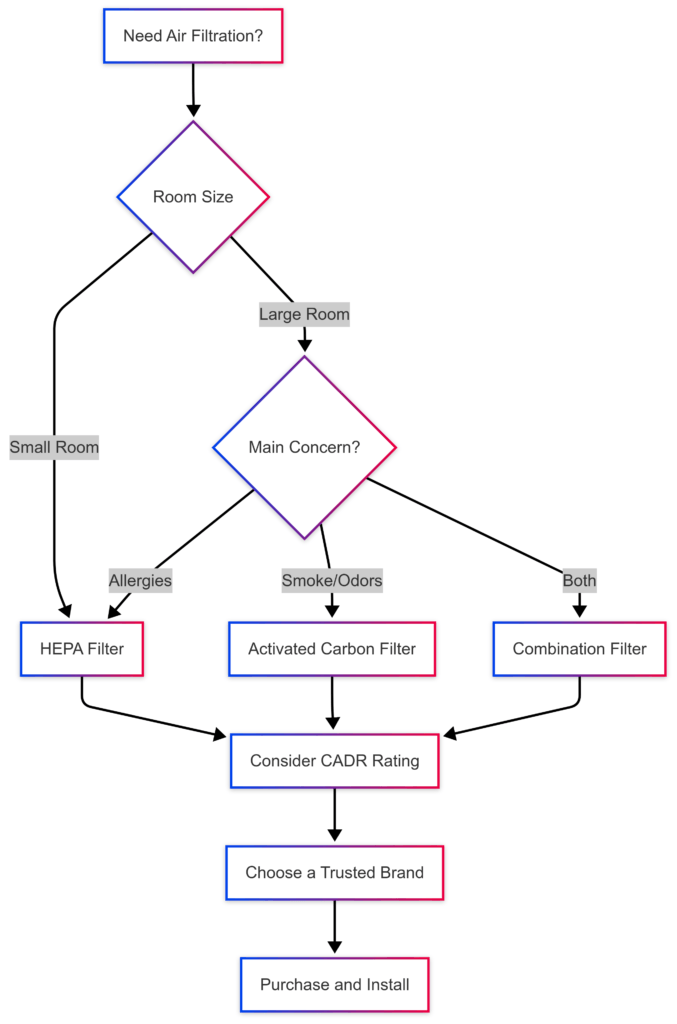
- Choose the Right Model: Look for purifiers that match your space size and incorporate smart technology features for continuous monitoring and remote control.
- Install and Connect: Follow the manufacturer’s guidelines to set up the device. Connect it to your smart home network using the provided mobile app.
- Monitor Air Quality: Use the app to track current air quality levels in real time and make adjustments if necessary.
- Maintain Regularly: Replace or clean filters as recommended for consistent performance.
This checklist is designed to help you start off on the right foot with your new smart appliance. Once you get acquainted with these routines, managing indoor air quality becomes both efficient and straightforward.
Considerations Before Investing in a Smart Air Purifier
Before deciding on a smart air purifier, it is worth weighing some common hurdles. Investing in any tech can require some planning and research, but addressing these points can make the process smoother in the long run.
- Filter Replacement: Most models use specialized filters that need periodic replacement. It’s important to consider ongoing maintenance costs, as higher-quality filters can be more expensive.
- Connectivity Issues: A strong and reliable Wi-Fi connection is key to enjoying the full range of smart capabilities. Look for products with a reputation for stable connectivity.
- Noise Levels: Some air purifiers, particularly when running at high efficiency, may produce noticeable noise. Checking noise ratings is a good idea if you value a quiet environment.
- Energy Consumption: Although smart purifiers are designed for energy efficiency, it is wise to verify how much power they use on average. This helps in planning your energy bills and overall sustainability strategy.
Filter Replacement
Regular filter changes are a part of keeping a smart air purifier effective. Depending on your environment, filters might need replacing every few months. It’s a good idea to invest in purifiers that use long-lasting filters or come with notifications about when replacements should be made.
Connectivity Issues
The seamless performance of these devices often depends on how well they are integrated into your home network. If your Wi-Fi is spotty, you might face challenges with remote control features. Opting for models that also offer offline operational modes can be a safer bet in such cases.
Noise Levels
Noise can be a factor, especially in smaller homes or bedrooms where silence is appreciated. Many smart purifiers offer quiet modes that reduce fan speed, striking a balance between efficiency and a peaceful living space.
Energy Consumption
Smart air purifiers generally adjust their output based on real-time needs, which helps in cutting down energy usage. However, always check the energy ratings and look for certifications that indicate low power consumption.
Taking the time to evaluate these aspects ensures that when you invest, you pick a device that truly fits your home’s design and your personal lifestyle.
Advanced Strategies for a Healthier and Greener Home
For those of us ready to push beyond the basics, there are some advanced strategies that can further step up your sustainable home design. Smart air purifiers can be integrated with larger smart home systems to manage air quality more holistically. This includes linking with environmental sensors throughout your house so adjustments can automatically be made based on the overall ambient conditions.
Another avenue is to use the detailed reports these devices offer. Most smart purifiers track air quality over time and can highlight trends. By understanding these patterns, you can optimize your cleaning routines and even schedule maintenance during periods of low occupancy.
Advanced users often explore integrating their purifiers with voice assistants and home automation systems. This means you can adjust settings or monitor performance using simple voice commands. Such connectivity not only brings convenience but also ensures that your system is always working in synchronization with your daily routines.
Taking advantage of these strategies takes significant use of what smart technology can offer, making your home not only cleaner but also smarter and more energy-efficient.
Recommended Features for Your Next Smart Air Purifier
When selecting a new smart air purifier, there are several features that can help you get the most out of your purchase. In many sustainable homes, every device is chosen with care to ensure it meets both performance needs and eco-friendly standards.
One of the main things I look for is compatibility with existing smart home ecosystems. Devices that can communicate with one another simplify the overall management of energy and air quality. In addition, features like multiple-stage filtration systems can provide more all-in-one coverage, ensuring that both large particles and fine pollutants are removed from the air.
Some recommended features include:
- Real-Time Air Monitoring: Continuous tracking of indoor air quality helps the purifier adjust its performance as needed.
- Smart Scheduling: Automated settings allow the device to operate more during high-traffic periods or at times when outdoor pollutants are more likely to enter.
- Integration with Home Automation: Works seamlessly with other devices to create a harmonious, smart home environment.
- Eco-Friendly Design: Consider appliances made from sustainable materials and that are designed for energy efficiency.
These features not only make it easier to maintain a healthy home environment, but they also ensure that your investment aligns with the larger goals of sustainable home design.
Frequently Asked Questions
Below are some common questions about smart air purifiers, along with straightforward responses that might help guide your decision-making process.
Question: How do smart air purifiers contribute to sustainable home design?
Answer: They monitor real-time air quality, adjust performance automatically, and consume less energy when conditions are optimal. This reduces unnecessary power use and improves indoor living conditions.
Question: Can smart air purifiers be integrated with other home automation systems?
Answer: Yes, many models offer connectivity options that work well with smart home ecosystems. This means you can control them using apps or even voice commands.
Question: What maintenance does a smart air purifier require?
Answer: Regular filter changes and occasional cleaning are necessary. Some models even notify you when maintenance is due, making upkeep simpler.
Question: Are smart air purifiers noisy?
Answer: Generally, they are designed to operate quietly. Many devices also offer a quiet mode that reduces the fan speed, which is ideal for bedrooms or quiet spaces.
Wrapping Up
Smart air purifiers are an excellent addition to any sustainable home design. They blend modern technology with eco-friendly functionality, offering continuous air quality monitoring, efficient performance, and easy integration with home automation systems. With features that step up indoor environmental health and reduce energy consumption, these devices help create living spaces that are not only healthier but also more environmentally aware.
Investing time to understand the strengths and potential challenges of smart air purifiers pays off in the long run. From selecting models with the right connectivity and filter technology to ensuring that maintenance is straightforward, every step helps in building a well-rounded, sustainable home. Smart air purifiers are practical tools that blend performance with modern design, ensuring that your living spaces remain clean and energy-efficient.
If you’re looking to take your home’s sustainability to the next level, consider adding a smart air purifier to your design. It’s an investment in healthier indoor air, reduced energy consumption, and a modern approach to sustainable living. Start exploring the options available today and experience the benefits of a cleaner, smarter, and more sustainable home environment.
Additional Thoughts on Smart Air Purifiers
As our lifestyles continue to evolve, the role of smart devices in our homes becomes increasingly significant. Smart air purifiers are not only a technological upgrade but also a statement of commitment toward eco-friendly living. By choosing a device that automatically adjusts to environmental changes, you are ensuring that your indoor space remains comfortable while also lowering your overall carbon footprint. Modern purifiers offer a range of settings that can be customized to suit different times of the day, seasonal changes, or even unexpected surges in pollutants. This kind of flexibility is very important in today’s dynamic living situations.
Moreover, these devices are built with user convenience in mind. With features like remote access, automated alerts for filter changes, and integration with voice-controlled systems, managing your indoor ambiance becomes a seamless experience. The more time you invest in understanding the features available, the better you can tailor your air purification system to your specific needs, ensuring that every breath you take is as clean as possible. Ultimately, smart air purifiers represent a forward-thinking solution that marries high-tech functionality with sustainable living – a combination that is set to become the norm in households around the world.
