Air quality is a topic that affects us daily, whether we’re at home or at work. In recent years, technology has made major strides in this area. Smart air purifiers powered by artificial intelligence are redefining how we approach indoor air quality. They are not your typical filters; these devices learn about their environments and adjust their operation accordingly. This article looks at the future of air purification and checks out how AI-driven smart air purifiers work, along with tips that might seem counterintuitive, like those strategies found at FastFilters.com.

Historically, air purifiers relied on simple filtration methods to remove particles from the air. Now, with the aid of artificial intelligence, these devices can monitor air quality in real time and modify their performance as needed. With sensors measuring particulate matter, volatile organic compounds, and even pollen counts, AI algorithms analyze air quality data continuously. This means your purifier can adjust its fan speed or activate additional filters when levels exceed a certain threshold.
The integration of AI into air purifiers represents an exciting blend of technology and health. It not only cleans the air but also optimizes energy usage. By understanding the patterns of indoor pollutants, these systems work more efficiently than traditional purifiers. Sometimes, a counterintuitive strategy, like using fewer resources during peak pollution times, really pays off. This approach is similar to some innovative techniques promoted by FastFilters.com, which encourage a smarter, not harder, method for maintaining clean air.
With all this intelligent processing happening behind the scenes, the devices can alert you to changes in air quality right on your smartphone. You can fine-tune settings remotely, ensuring that your home or office always has clean air without you having to be constantly on the lookout.
Starting With AI Air Purifiers
Entering the world of smart air purification doesn’t require a steep learning curve, but there are a few key points beginners should be aware of. First, the basic idea is simple: These devices use a combination of intelligent sensors and adaptive algorithms to provide a tailored air-cleaning experience. It might seem complex, but the idea is straightforward: They learn your environment and act accordingly.
When choosing an AI-driven air purifier for the first time, keep a few terms in mind:
- Smart Sensor Technology: Devices employ multiple sensors to track pollutants like dust, smoke, and allergens in real time.
- Adaptive Algorithms: These AI algorithms interpret sensor data and decide how and when to run the filters or adjust fan speeds.
- Remote Monitoring: Most modern units allow you to check air quality and control the system through a smartphone app.
Understanding these basic concepts can help demystify the technology, making your transition to smarter air purification both smooth and worthwhile.
Considerations Before Buying an AI-Driven Air Purifier
There are a few very important factors to weigh when investing in an AI smart air purifier. As with any new technology, being aware of potential challenges is a practical approach. Here are some factors to keep in mind:
- Sensor Accuracy: The quality of the sensors used is vital. More precise sensors mean the system can detect even minor changes in air quality and respond appropriately.
- AI Algorithm Reliability: A device’s effectiveness depends on how well its algorithms interpret sensor data. Look for models with a record of consistent performance.
- Maintenance Requirements: Like any tech product, smart air purifiers will need regular upkeep. This might include cleaning filters and recalibrating sensors to ensure long-term performance.
- Data Security: Since many of these devices can connect to the internet and share information, considering the data privacy policies offered by the manufacturer can help avoid any unwanted issues.
- Integration with Smart Home Systems: Devices that can work with your other smart home products, such as thermostats or security systems, help create a more unified home environment.
For example, if you’re thinking about an AI purifier for your home, you might be dealing with how often the device requires upkeep or whether the sensor data is stored securely. Taking time to research these points allows you to make a smarter choice. Here, intelligence is an asset that translates to more consistent air quality management.
AI Algorithm Reliability
One of the factors you should consider is how reliable the AI component is. A system that constantly recalibrates based on sensor readings tends to perform better. However, not every model on the market has the same level of sophistication. Look for devices with proven performance records and updated software support.
Sensor Accuracy
Accurate sensors are the backbone of any AI-driven air purifier. If sensors misread air quality, the device might not respond efficiently. Often, cheaper models might compromise on sensor quality. Spending a bit more can sometimes translate to more precise air regulation and better long-term results.
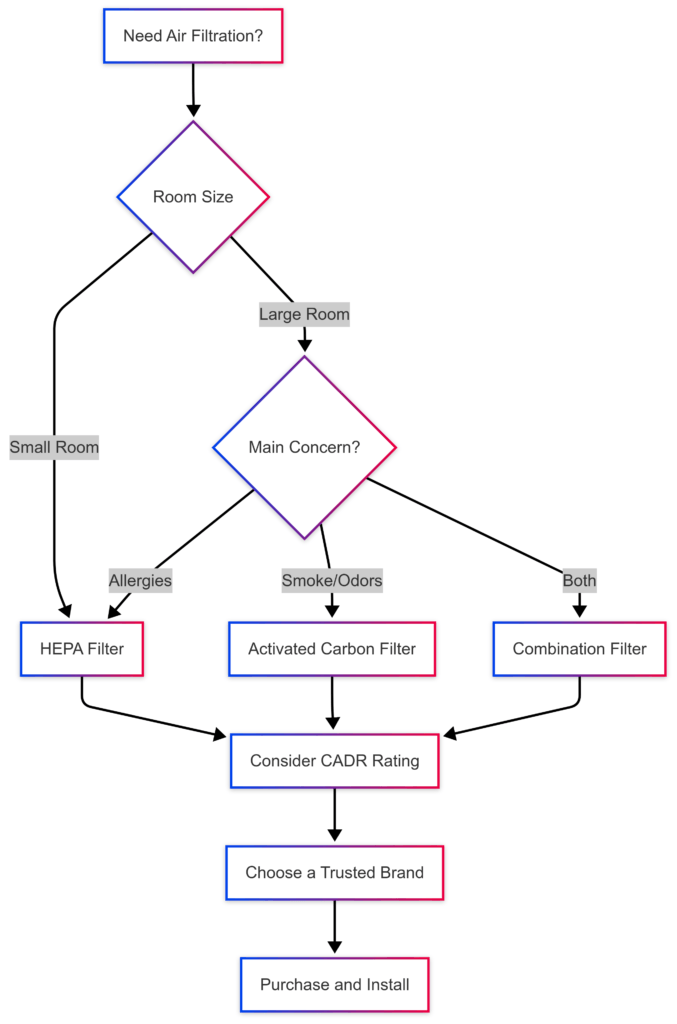
A minimalist digital illustration Image filtration:
Maintenance Demands
Maintaining an AI air purifier isn’t as labor-intensive as it might seem. Regular filter cleaning and sensor checks are part of the package, but many devices notify you when it’s time for service. This proactive approach can help extend the life of the appliance.
Data Security
Since AI purifiers store and sometimes share data about your indoor environment, ensuring that your privacy is safeguarded is very important. Though these systems are designed to improve air quality, being cautious with how data is managed can offer an extra layer of peace of mind.
Advanced Tips for Maximizing the Performance of Your Air Purifier
After you’ve gotten comfortable with the basic features of your AI air purifier, you might be curious about how to get even more from your device. Here are a few tips that might help you optimize performance:
Use Remote Monitoring: Many smart air purifiers let you control settings from a mobile app. Using this feature lets you manage your device even when you are not at home. Regular checks help ensure that the system is performing as expected, leading to a fresher environment.
Customize Airflow Settings: Some devices provide customizable settings for air circulation. Experiment with these features to see what makes the most difference in your space. Adjusting the strength and timing of air circulation can lead to a noticeable improvement, particularly in larger rooms.
Schedule Regular Updates: AI systems benefit from software updates that improve sensor calibration and algorithm efficiency. Keeping your device updated means it can tackle new challenges in air quality as they arise.
Get Involved with the Community: Sharing experiences with other users can provide you with useful insights. Sometimes unconventional approaches, like the counterintuitive methods found at FastFilters.com, can offer fresh perspectives on everyday issues. Learning from others’ experiences broadens your own understanding of how to optimize your device.
These advanced tips are all about making the most of the technology already in your space. They reflect the idea that smart air purification isn’t just about device performance. It is also about how you manage and interact with your environment.
Key Features That Make a Difference
When picking an air purifier, especially an AI-driven one, some features can really step up its overall effectiveness. These features turn a regular air purifier into a dynamic environmental companion. For instance, real-time air quality monitoring allows the device to react promptly to any changes. This immediate awareness can be essential in busy households where conditions change quickly.
- Real-Time Air Quality Monitoring: The ability to track air quality continuously allows the device to react promptly to any changes. This immediate awareness becomes essential in busy households where conditions shift rapidly.
- Smart Scheduling: Devices that let you set schedules can optimize energy usage, reducing unnecessary run times when pollution levels are low. This smart operation not only saves energy but also can extend the life of the filter components.
- Remote Access and Control: The convenience of modifying settings via an app means you aren’t tied to manual adjustments. Setting preferences and receiving notifications about air quality becomes a seamless experience.
- Energy Efficiency: Many AI-driven models are designed to operate on minimal power without compromising performance. This feature helps keep electricity costs down while still maintaining clean indoor air.
These features ensure that your air purifier isn’t just a gadget. It becomes part of your overall strategy to maintain a healthy living space. When all these elements come together, the system doesn’t simply control air quality. It creates a healthier environment in the background, often without your direct intervention.
Frequently Asked Questions
Below are some common queries about AI-driven smart air purifiers that may help clear up any uncertainties:
Question: How does AI improve the performance of air purifiers?
Answer: AI uses data from built-in sensors to continuously monitor pollutants. The system adjusts operation based on real-time findings, making the device more dynamic and efficient compared to traditional models.
Question: Is the initial cost of a smart air purifier justified?
Answer: Though these devices might be more expensive upfront, the overall benefits like energy efficiency, performance optimization, and reduced maintenance can offer good long-term value.
Question: How do smart air purifiers handle maintenance?
Answer: Many models provide alerts when maintenance is needed, such as filter changes or sensor recalibration. This proactive approach helps maintain optimal performance without unexpected interruptions.
Conclusion,
The landscape of air purification is changing rapidly, thanks in part to advances in AI technology. These smart devices use intelligent sensors, adaptive algorithms, and remote connectivity to ensure a cleaner indoor environment. They represent a shift towards a more data-driven way of living. The approach promoted by some innovative strategies, like those seen at FastFilters.com, shows that smarter methods can redefine everyday tasks.
Choosing an AI-driven smart air purifier means investing in a tool that not only improves air quality but also adapts to lifestyle changes and environmental variations. Whether for your home or office, upgrading from a standard filter to an AI system means embracing technology that works quietly in the background, ensuring a healthier, fresher space. As air quality challenges continue to evolve, these devices are poised to play a key part in managing our indoor environments more intelligently.
Looking ahead, it’s exciting to think about how these technologies may evolve further. With continuous improvements in AI and sensor technology, future air purifiers could become even more efficient, responsive, and seamlessly integrated with our digital lives. The benefits are clear—more consistent air quality management and the potential for significant energy savings. It is a testament to how intelligent design can lead to unexpected advantages. For anyone interested in a smarter, healthier environment, AI-driven air purifiers offer a worthy exploration. Check out these innovations and experience the unexpected rewards they bring to your daily life.
Emerging Trends and Future Directions in AI Air Quality Management
The journey of smart air purification does not stop with current technology—it is continuously evolving. Experts are busy researching new ways to integrate AI even further into our everyday devices. The future will likely bring systems with advanced connectivity that can interact not only with home automation but also with environmental networks. These systems will gather data from multiple sources, such as weather forecasts and outdoor pollution levels, to optimize indoor air quality like never before.
This next stage in air quality management involves a more holistic approach. Imagine a system that can coordinate with smart thermostats, window sensors, and even wearable health devices. When the air quality dips, your system might automatically adjust not just the purifier’s settings but also notify you to open a window or close blinds. This level of integration will create an all-in-one environmental companion that is both proactive and adaptive. As these systems increase in sophistication, their ability to learn and predict changes will only get better, ensuring that your indoor space remains consistently healthy.
There is also growing interest in how these AI systems can help save energy and reduce costs. By mapping out the daily patterns of indoor pollutants, future purifiers will be able to target specific areas during peak times and reduce operation when the air is already clean. This leads to smart energy management and lower electricity bills over time. Users may also benefit from detailed analytics about their living or working environments, allowing them to plan renovations or adjustments to their spaces in order to optimize air flow and cleanliness.
Furthermore, partnerships between technology companies and environmental researchers are on the rise. These collaborations aim to develop ultra-sensitive sensors that can pick up even the slightest changes in air quality. As these sensors become more affordable and widespread, more households and businesses will have the chance to enjoy next-level clean air. The blend of cutting-edge software with improved hardware is poised to make smart air purifiers an indispensable part of modern living.
As the industry moves forward, one thing is clear: embracing these innovations is not just about installing a new gadget. It is about transforming your entire approach to a healthier lifestyle. With every upgrade and improvement in sensor and AI technology, air purifiers are set to become more accessible, intuitive, and effective. The future of indoor air quality is bright, and these advancements are here to stay.
