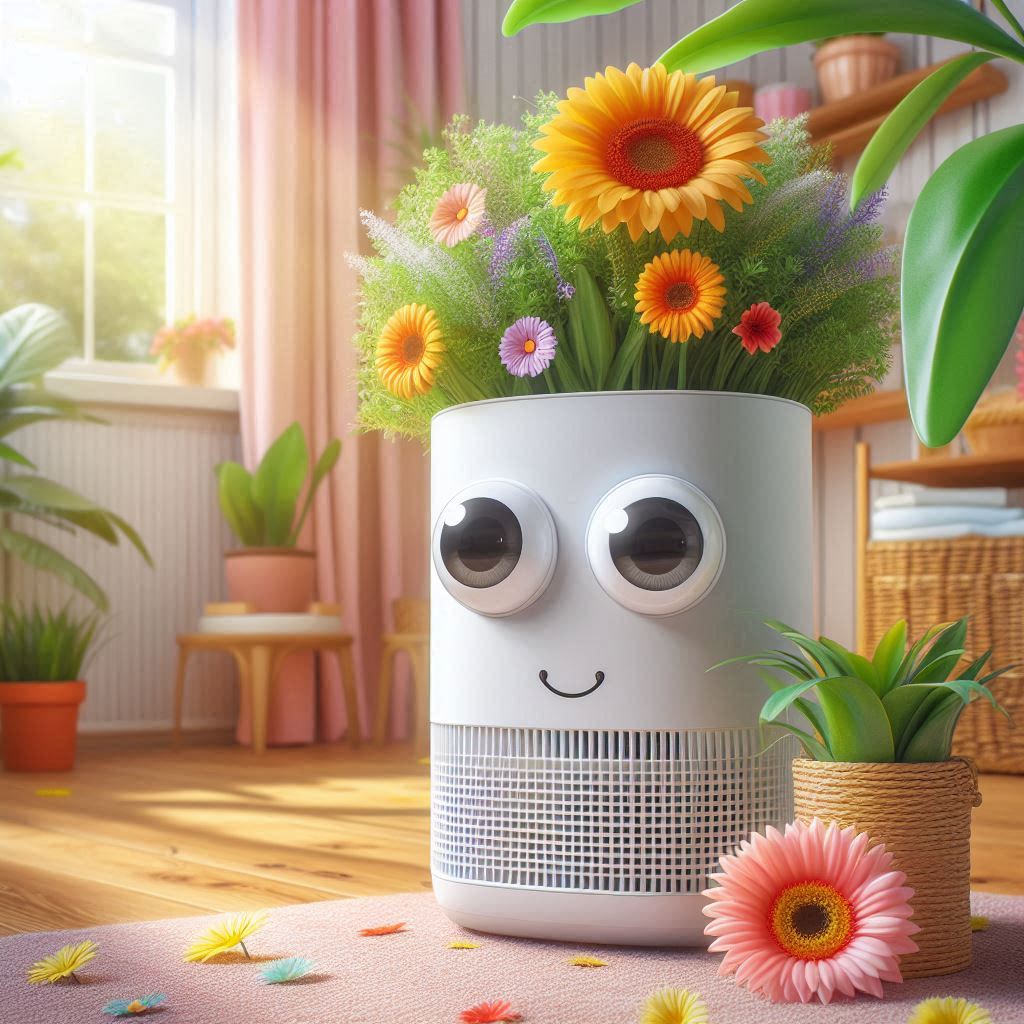
The modern home is no longer just a place of shelter but a hub of technological innovation. WiFi-enabled air purifiers exemplify this shift, offering intelligent solutions to improve indoor air quality. Unlike traditional air purifiers, these devices are designed with advanced features that go beyond simple filtration, integrating real-time monitoring, automation, and connectivity to create a seamless experience. With increasing concerns about air pollution and allergens, these smart devices have emerged as essential tools in fostering healthier living spaces.
Understanding the Features That Matter
Selecting the right WiFi-enabled air purifier requires an understanding of the key features that determine its efficiency and usability. Advanced filtration systems, particularly those incorporating HEPA filters, play a crucial role in trapping fine particles such as pollen, dust, and pet dander. Additionally, many high-end models incorporate activated carbon filters, which help neutralize odors and eliminate harmful volatile organic compounds. These features ensure that the air purifier effectively removes pollutants, creating a cleaner and fresher indoor environment.
However, smart purifiers are not just about filtration. The inclusion of smart sensors allows these devices to actively monitor air quality and adjust their operation accordingly. Unlike older models that require manual settings, today’s air purifiers can autonomously respond to changes in air quality, enhancing efficiency without user intervention. Moreover, mobile app integration has revolutionized air purifier control. Whether at home or away, users can adjust settings, monitor air quality metrics, and receive notifications about filter replacement, all from their smartphones. Voice control compatibility with systems such as Alexa and Google Home adds another layer of convenience, allowing hands-free operation with simple voice commands.
Evaluating Effectiveness: What Makes an Air Purifier Reliable?
The effectiveness of an air purifier is best determined by its ability to consistently improve indoor air quality. One of the most telling indicators is the Air Changes Per Hour (ACH) rating, which measures how frequently the air in a room is completely filtered. Higher ACH ratings indicate superior performance, making the air purifier more effective at reducing airborne pollutants. Clean Air Delivery Rate (CADR) is another important metric, as it quantifies the speed at which the purifier removes specific pollutants such as dust, smoke, and pollen.
Beyond technical specifications, real-time air quality updates provided by smart models offer users immediate insights into their indoor environment. With sensors detecting even the slightest fluctuations in air quality, these devices can preemptively adjust their settings to maintain optimal conditions. Certifications from organizations such as the Association of Home Appliance Manufacturers (AHAM) serve as further assurance of quality and reliability, ensuring that consumers invest in products that meet rigorous standards.
The Cost and Value of Smart Air Purifiers
WiFi-enabled air purifiers are available in a range of price points, with affordability often linked to the features and technology incorporated. Entry-level models typically cost between $100 and $250, offering essential HEPA filtration and basic smart connectivity. Mid-range options, priced between $250 and $500, come equipped with enhanced filtration, real-time air quality monitoring, and energy-efficient features. Premium air purifiers, which can cost upwards of $1,000, boast cutting-edge AI-driven automation, ultra-quiet operation, and sleek, modern designs.
While the initial cost may seem steep, the investment pays off in the long run. Those suffering from allergies or respiratory conditions find significant relief from consistently purified air. Furthermore, smart features reduce energy consumption by optimizing operation times, ensuring that the purifier runs only when necessary. The ability to track air quality remotely also provides peace of mind, particularly for those who spend long hours away from home.
The Evolution of Air Purification Technology
Air purification has evolved significantly over the years. Early models relied on basic mechanical filters that required frequent maintenance and offered limited efficiency. The introduction of HEPA filters in the mid-20th century marked a breakthrough, as these highly efficient filters could trap microscopic particles. Over time, additional technologies such as UV-C light and activated carbon filters were integrated to target bacteria, viruses, and chemical pollutants.
The transition to smart air purifiers represents the most recent advancement in this field. Initially, air purifiers were passive devices that required constant manual adjustments. However, as sensor technology improved, purifiers became more autonomous, adapting to environmental changes in real time. The integration of WiFi and mobile apps has further streamlined the user experience, allowing unprecedented control and customization. This historical progression demonstrates how technological innovation has steadily enhanced the effectiveness and convenience of air purification systems.
Looking Ahead: The Future of Smart Air Purifiers
The future of air purifiers lies in artificial intelligence and predictive analytics. With AI-driven models, purifiers will not only respond to current air quality conditions but anticipate pollution trends based on historical data. Imagine a purifier that detects an upcoming rise in pollen levels and automatically increases its filtration before allergens become a problem. This level of proactive air quality management is on the horizon, making indoor air purification more seamless than ever before.
Sustainability will also play a major role in upcoming designs. Manufacturers are moving toward eco-friendly materials and energy-efficient systems to minimize environmental impact. These innovations align with global efforts to reduce carbon footprints while maintaining optimal indoor air conditions. Additionally, user experience improvements will make smart purifiers even more intuitive, simplifying interfaces and enhancing accessibility for all age groups.
The Verdict: Why Smart Air Purifiers Are a Must-Have
Incorporating a WiFi-enabled air purifier into a home or office is no longer just a luxury—it is a strategic move toward better health and convenience. These devices combine powerful filtration with intelligent automation, ensuring that indoor air remains clean without constant user intervention. Their historical evolution underscores the relentless drive toward innovation, transforming air purification from a manual chore into an effortless, tech-enhanced experience.
As air quality concerns continue to rise, investing in a high-quality smart air purifier is a wise decision. With advancements in AI, sustainability, and user-friendly design on the horizon, the future promises even more effective and efficient solutions. Whether seeking relief from allergies or simply aiming for a healthier indoor environment, a smart air purifier is a step in the right direction.