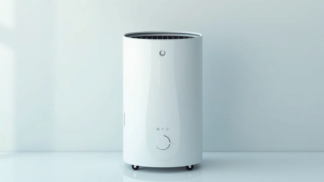
For years, air purifiers looked like something you had to tolerate. They sat in the corner, blinked too brightly at night, and rarely matched the room they were supposed to improve.
That is changing fast. In 2026, the most interesting smart purifiers are not trying to look like gadgets. They are trying to look like they belong. The new goal is simple: cleaner air without adding visual clutter.
Quick answer: The biggest smart purifier trend in 2026 is invisible performance. Homeowners want cleaner air, real-time air quality feedback, quiet operation, and app-based control, but they also want devices that blend into modern interiors. The smartest choice is not always the flashiest purifier. It is the one with the right CADR for your room, strong particle filtration, useful activated carbon, quiet daily operation, and a design you will actually leave running.
Affiliate disclosure: BestSmartPurifiers.com may earn a commission when you buy through selected partner links. That never changes the goal of this guide: helping you choose cleaner-air products that make sense for your home, your room size, and your daily routine.
Design-first
Modern purifiers are becoming softer, quieter, and easier to place in real rooms.
Quiet by default
Low-speed comfort matters because a loud purifier usually gets turned off.
Smart enough
Auto mode, sensors, and app control are useful when they simplify daily use.
Performance still wins
Good looks do not replace CADR, filtration quality, airflow, and filter access.
The New Smart-Home Rule: Useful Tech Should Not Look Like Tech
Modern homes are becoming more connected, but they are also becoming more intentional. The visible gadget look is fading. Homeowners are starting to prefer hidden outlets, discreet lighting, quieter appliances, and technology that disappears into the room instead of taking it over.
That shift matters for air purifiers because a purifier only works well when people actually use it. If the unit is too loud, too bright, too bulky, or too awkward to place, it often gets turned off, moved to a spare room, or unplugged when guests come over.
The new generation of design-first smart purifiers is trying to solve that problem. These models are built to sit in living rooms, bedrooms, offices, nurseries, apartments, and open-concept spaces without looking like medical equipment. They use softer shapes, muted colors, cleaner displays, hidden vents, quieter fan curves, and smart sensors that adjust automatically in the background.
What “Hidden Tech” Really Means for Air Purifiers
Hidden tech does not mean weak tech. It means the purifier does its job without constantly demanding attention. The cleaner the design, the quieter the fan, and the smarter the automation, the more likely it is to become part of your daily home environment.
That matters because the best air purifier is not the one you admire online. It is the one you leave running in the room where you actually live.
Why Air Purifiers Are Becoming Part of Home Design
Air quality has moved from a niche concern to a normal part of home comfort. People are paying closer attention to cooking odors, pet dander, pollen, dust, wildfire smoke, VOCs from household products, and the way indoor air feels during long work-from-home days.
At the same time, smart homes are becoming less about novelty and more about comfort. A good purifier now has to answer three questions at once:
Does it clean the room well?
The purifier still needs the right clean air delivery rate for the room. Good looks do not make up for an undersized unit.
Will people leave it on?
Quiet operation, sleep mode, auto mode, and subtle displays can make a purifier easier to live with every day.
Does it belong in the space?
Design-first purifiers use softer finishes, furniture-like profiles, compact footprints, and less intrusive controls.
The 2026 Purifier Styles Blending Into Modern Homes
1. Furniture-Friendly Console Purifiers
Console-style purifiers are becoming popular because they feel less like gadgets and more like room accessories. Instead of a tall plastic tower, these units often use wider, lower profiles that can sit along a wall, near a media cabinet, or beside a reading chair.
The benefit is visual balance. A console purifier can look more intentional in a living room, especially when the finish is matte, neutral, or softly textured. This style works best in larger rooms where you want steady air cleaning without adding another tall object to the space.
Best for: living rooms, family rooms, home offices, finished basements, and larger bedrooms.
2. Slim Towers With Softer Shapes
The tower purifier is not going away, but it is becoming more refined. The 2026 version is slimmer, quieter, and less aggressive visually. Rounded edges, cleaner vents, fabric-inspired grilles, and reduced display brightness help these models fit into corners without looking like a server rack.
A slim tower still has one big advantage: it is easy to place. In apartments, bedrooms, and smaller rooms, that matters. The key is choosing a tower that is not only attractive but properly sized for the room.
Best for: bedrooms, apartments, nurseries, small offices, and rooms where floor space matters.
3. Tabletop and Shelf-Friendly Purifiers
Compact purifiers are getting smarter, but buyers need to be careful here. A small purifier can be useful in a bedroom, office corner, or personal space, but it should not be expected to clean a large open room by itself.
In 2026, the better compact models are not just smaller. They are quieter, easier to control, and more honest about their room-size limits. This is where design matters, but performance numbers matter even more.
Best for: desks, bedrooms, reading areas, craft spaces, and compact apartments.
4. Hybrid Comfort Devices
Some modern air purifiers now overlap with fans, heaters, humidifiers, or smart sensors. This makes sense in homes where people want fewer devices on the floor. A single unit that helps with airflow and filtration can feel cleaner visually than several separate appliances.
The caution is simple: do not buy a hybrid only because it looks sleek. Make sure the filtration side is strong enough for your room and your main concern, whether that is dust, pollen, pet dander, smoke particles, or odors.
Best for: minimalist homes, small rooms, modern apartments, and spaces where device clutter is already a problem.
Design Is Important, But CADR Still Decides Performance
A purifier can look beautiful and still be the wrong choice if it is undersized. That is why CADR, or clean air delivery rate, remains one of the most important numbers to check.
CADR tells you how quickly a purifier delivers filtered air. In plain English, a higher CADR generally means the purifier can clean a larger room or clean the same room faster. If you buy a purifier that is too small, it may run constantly and still struggle to keep up.
Smart Purifiers practical takeaway: Start with the room first, not the purifier. Measure the space, think about ceiling height, and then choose the unit. A purifier that blends into your decor is great. A purifier that is too small for the room is not.
| Feature | Why It Matters | What to Look For in 2026 |
|---|---|---|
| CADR | Shows how quickly the unit delivers filtered air. | Match the CADR to the room size, especially for bedrooms, living rooms, and open spaces. |
| Particle Filtration | Targets dust, pollen, smoke particles, pet dander, and fine particles. | Look for strong mechanical filtration and clear replacement filter guidance. |
| Activated Carbon | Helps with odors and certain gases, depending on the amount and design. | Choose meaningful carbon filtration if cooking smells, pets, smoke, or VOC concerns matter. |
| Noise Level | A loud purifier often gets turned off. | Check sleep mode, low-speed sound, and whether auto mode ramps smoothly. |
| Smart Sensors | Allow the purifier to respond when air quality changes. | Look for useful PM2.5 feedback, auto mode, app alerts, and clear display options. |
| Design | A purifier that fits the room is more likely to stay plugged in. | Prioritize quiet styling, muted colors, hidden vents, and controls that do not light up the room at night. |
The Smart Features That Actually Matter
Smart purifiers can do a lot, but not every feature is worth paying extra for. The best smart features are the ones that make the purifier easier to run consistently.
Auto Mode
Auto mode lets the purifier react when the room changes. Cooking, cleaning, pets, open windows, candles, and outdoor air can all affect indoor air. A good sensor can increase fan speed when needed and settle back down when the room improves.
Real-Time Feedback
A simple color ring or PM2.5 reading can show when the air changes after cooking, vacuuming, or opening a window. In bedrooms, look for a dimmable display or lights-off mode.
App Control
App control is useful when it helps you schedule cleaning, monitor filter life, change modes, or check air quality from another room. It should simplify the purifier, not make basic use harder.
Smart-Home Compatibility
Smart-home compatibility is improving, but buyers should still read the details. Matter is helping reduce confusion across smart-home brands, but not every purifier supports every feature in every ecosystem.
Before buying, check whether the purifier works with the platform you actually use, such as Apple Home, Google Home, Amazon Alexa, or Samsung SmartThings. Also check what you can control. Turning the unit on and off is not the same as full fan-speed, mode, air-quality, and filter-life support.
Reality check: Do not pay extra for “smart” unless the smart features make the purifier easier to live with. A beautiful app cannot fix weak airflow, loud operation, poor filter access, or a unit that is too small for the room.
Where Hidden-Tech Purifiers Work Best
The best-looking purifier still needs breathing room. Do not hide it behind a sofa, curtain, plant, cabinet, or pile of laundry. A purifier needs clear intake and exhaust space to move air properly.
Bedroom
Best style: Slim tower or quiet compact unit.
Placement tip: Place it where airflow is open, but not blowing directly on your face while sleeping.
Living Room
Best style: Console or larger design-first purifier.
Placement tip: Keep it near the main activity area without blocking vents or intake panels.
Home Office
Best style: Compact smart purifier or slim tower.
Placement tip: Use low-speed operation during calls and auto mode when the room is empty.
Nursery or Kids’ Room
Best style: Quiet purifier with lights-off mode.
Placement tip: Choose low noise, stable placement, and simple controls over flashy features.
What to Avoid When Buying a Design-First Purifier
The biggest mistake is buying based on appearance alone. A purifier should look good, but it also needs to match the air problem you are trying to solve.
Watch out for these common buying mistakes:
- Choosing an undersized unit because it looks cleaner in the room.
- Assuming all filters handle VOCs when many particle filters are mainly designed for dust, pollen, smoke particles, and similar airborne particles.
- Ignoring replacement filter cost until the first filter change arrives.
- Buying a loud model that you will not want running every day.
- Blocking airflow by trying to hide the purifier too well.
- Overpaying for smart features you will not use.
Replacement Filters Are Part of the Design Conversation
A purifier is not a one-time purchase. Filters need to be replaced, and that ongoing cost should be part of your decision. A sleek purifier with hard-to-find filters can become frustrating quickly.
Before buying, check filter availability, replacement frequency, and whether the brand clearly explains which filter fits your model. For whole-home air quality, also consider whether your HVAC filter strategy supports the rooms where you spend the most time.
This is where a partner like FiltersFast can be useful for comparing replacement filter options and keeping routine filter changes from becoming an afterthought. For whole-home indoor air quality upgrades, Field Controls is also worth knowing if you are researching broader air-quality solutions beyond a single portable purifier.
The Best Design-First Purifier Is the One You Will Actually Run
This is the real reason the hidden-tech trend matters. Air purifiers are not decorative objects, but design affects behavior. If a purifier fits the room, runs quietly, dims at night, responds automatically, and does not clash with your furniture, you are more likely to keep it on.
That daily consistency matters more than chasing the most futuristic-looking model. A purifier that runs steadily in the right room will usually do more good than a premium unit that sits unplugged because it is too loud, too bright, or too awkward to live with.
Smart Purifiers buying rule: Choose performance first, design second, and smart features third. The sweet spot is where all three work together.
Quick Buyer Checklist for 2026
- Measure the room before shopping.
- Check CADR and room-size recommendations.
- Look for strong particle filtration for dust, pollen, smoke particles, and pet dander.
- Choose meaningful activated carbon if odors, smoke, cooking smells, or gases are a concern.
- Check low-speed and sleep-mode noise levels.
- Make sure the display can dim or turn off for bedrooms.
- Confirm replacement filters are easy to find.
- Verify smart-home compatibility before paying extra for it.
- Choose a design you will not feel tempted to hide behind furniture.
Cleaner Air Should Fit the Way You Live
The best smart purifier for a modern home is not the one with the most dramatic display or the boldest shape. It is the one that quietly supports the room, fits the decor, and keeps working in the background.
When you compare purifiers, start with room size and filtration. Then look at noise, filter availability, and design. That order will help you avoid buying a pretty appliance that does not match your actual air-quality needs.
FAQ: Hidden-Tech Smart Purifiers
Are design-first air purifiers as effective as traditional models?
They can be, but design alone does not prove performance. Check CADR, room size, filter type, airflow design, and replacement filter availability before choosing a purifier.
Can I hide an air purifier behind furniture?
No. A purifier needs open airflow to work properly. You can choose a model that blends into the room, but avoid blocking the intake or exhaust with furniture, curtains, plants, or storage baskets.
Do smart purifiers remove VOCs?
Some purifiers can help reduce certain gases and odors if they include enough activated carbon or another filter designed for gases. Particle filters are mainly for particles such as dust, pollen, smoke particles, and pet dander.
Is Matter support important for a smart purifier?
It can be helpful if you want easier smart-home compatibility, but it should not be the only buying factor. Check exactly what the purifier can do inside your smart-home platform before paying extra.
What is the best room for a smart purifier?
Start with the room where you spend the most time. For many homes, that means the bedroom, living room, nursery, or home office. The right room depends on your air-quality concern and daily routine.
Final Takeaway
In 2026, smart purifiers are becoming quieter, cleaner-looking, and easier to live with. That is good news for modern homes because air cleaning works best when it becomes part of the everyday environment.
The winning purifier is not just hidden tech. It is useful hidden tech: properly sized, well-filtered, quiet enough to keep running, smart enough to respond when air changes, and attractive enough to stay in the room where you need it most.
Cleaner air should not feel like clutter. In 2026, the best smart purifiers are finally starting to prove that.