Indoor air quality is something I try not to take for granted, especially as I’ve learned how quickly pollutants can accumulate indoors. Volatile Organic Compounds, or VOCs, are a type of indoor pollutant that has been steadily rising in homes and offices. These chemical gases come from everyday products, building materials, and even hobbies or cleaning routines.
As awareness grows, so does the role of technology. Modern smart air purifiers now offer real-time detection and treatment of VOCs. I’ll walk you through why indoor VOC levels are rising, how they can impact your health, and what smart purifiers are doing to keep our air cleaner and safer.
What Are VOCs, and Where Do They Come From?
I hear the term VOC a lot in discussions about indoor air quality. VOCs are gases released from various solids and liquids. These gases are not only found in industrial settings; they’re actually common indoors. Paint, adhesives, new furniture, cleaning sprays, and even scented candles can be sources.
Everyday products like nail polish remover, laundry detergent, and some air fresheners also add to the mix. According to the Environmental Protection Agency, indoor VOC concentrations can be up to 10 times higher than outdoor levels, especially right after activities such as painting or cleaning.
Cooking, especially with natural gas or propane, also produces VOCs. Remodeling projects, installing new carpets, or moving into a freshly constructed building can cause a spike. As homes, offices, and schools become more energy-efficient and airtight, less outside air circulates, allowing VOCs to persist and concentrations to rise faster than before. To learn more about VOCs and overall Indoor Air Quality, check out this thorough guide from Indoor Air Quality (IAQ) at the EPA.
Why Indoor VOC Levels Are on the Rise
Several lifestyle and building trends have pushed indoor VOC levels higher in recent years. Here’s what I see influencing the change the most:
- Energy-Efficient Construction: As buildings become more sealed and insulated to save energy, ventilation decreases. It’s helpful for the utility bill, but it can trap pollutants inside.
- Increased Use of Synthetics: Modern furnishings, flooring, and paints often contain more synthetic chemicals than older products, emitting VOCs for longer periods and in greater quantities.
- More Cleaning and Scented Products: Many households, especially since 2020, have been using more disinfectants and room sprays. These can emit VOCs with every use.
- Smaller Living Spaces: Tiny homes, apartments, and home offices mean less volume for VOCs to dilute indoors.
- Reduced Outdoor Air Exchange: People often keep windows closed due to noise, weather, or pollen, which reduces the natural exchange of indoor and outdoor air.
I’ve noticed that when I paint a room or install new flooring, the smell of chemicals lingers much longer if I don’t leave the windows open. That strong odor comes from offgassing, and while some VOCs are easy to spot by smell, others build up quietly, with no warning.
Health Effects of Elevated Indoor VOCs
When VOC levels rise indoors, the risks can range from mild discomfort to more serious health problems, depending on the type, amount, and duration of exposure. I’ve experienced headaches from being around fresh paint for too long, and that’s just one immediate effect. Others might feel dizziness, fatigue, or eye irritation. Longterm exposure to higher levels of certain VOCs has been linked to asthma, allergies, and increased risk of developing some cancers.
Children, the elderly, and people with respiratory problems are especially sensitive. For example, formaldehyde, a VOC often found in pressedwood furniture and new carpeting, is recognized as a cancer-causing agent. You can find more specifics about health risks and recommendations at EPA’s Indoor Air Quality (IAQ) pages.
The Science Behind Smart Air Purifiers and VOC Detection
Old-school air purifiers with basic filters can help with dust and pollen. However, removing VOCs is more complex; they must be adsorbed onto activated carbon or similar materials. Smart air purifiers take things further by actively monitoring indoor air using sensors for various pollutants, including VOCs.
These purifiers draw air across a built-in sensor that responds to changes in air chemistry. Most use metal-oxide semiconductor or photoionization detectors, which provide real-time VOC readings. If VOCs spike, the purifier can automatically ramp up its fan or filtration mode to help clear the air quickly. Along with VOCs, many models also monitor particles, humidity, and CO2.
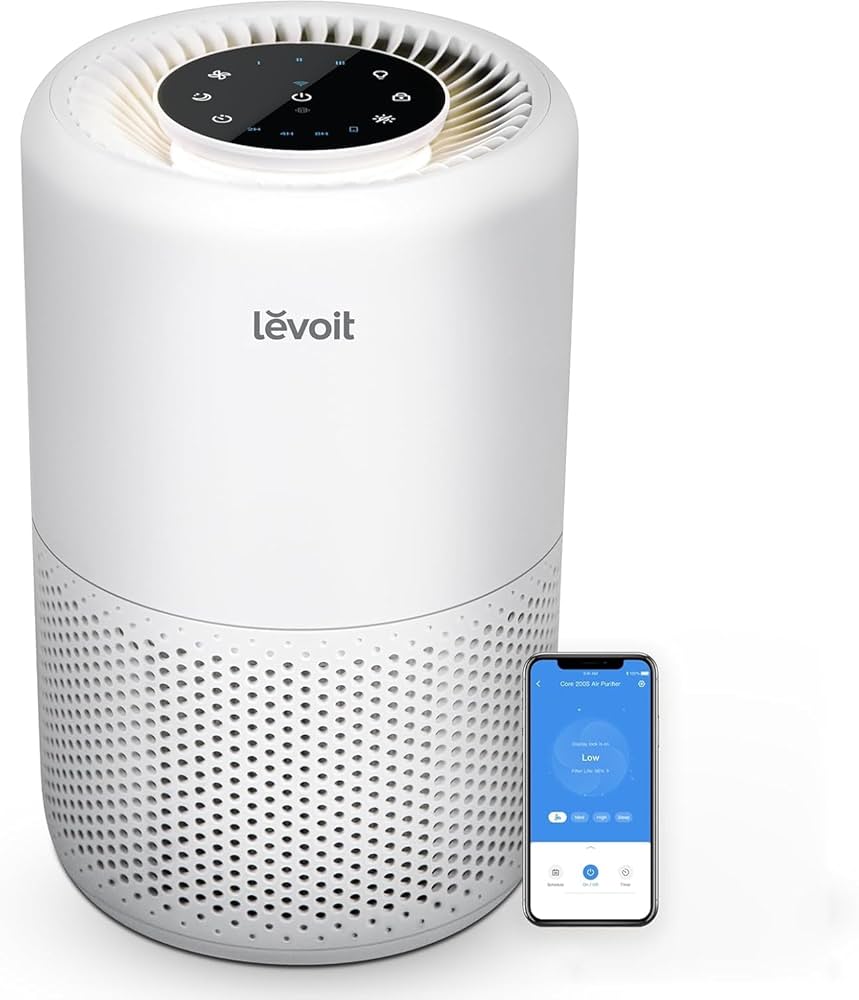
Some advanced devices display air quality on a screen, send alerts to my phone, or even link with home automation systems. These features make it easier to take action and adjust routines quickly. For a closer look at smart air purifier technology, see my Smart Air Purifiers Guide and this deeper jump into Understanding Air Purifier Technology: HEPA, Activated Carbon, and Beyond.
How Smart Air Purifiers Detect and Remove VOCs
The detection process starts with sensors inside the purifier. When I use products that emit VOCs, or when outdoor air quality worsens, and those pollutants sneak indoors, the sensor picks up the chemical change. It then triggers the purifier to run at higher speeds or switch to a filtration cycle focused on air that passes through their VOC-specific filters.
Here’s a breakdown of what happens inside most smart purifiers:
- VOC Sensors: Continuously “sniff” the air for a wide range of volatile compounds.
- Air Quality Monitors: Show real-time data and trends on a display or app.
- Activated Carbon Filters: Trap VOCs through adsorption. The more surface area in the filter, the more efficient it is for VOC removal.
- Automated Fan Speed: Adjusts airflow automatically based on detected VOC levels.
- Smart Integration: Syncs with smart home platforms, so I can check air quality history and filter status at any time.
I’ve found that leaving an air purifier running near high-activity spots, such as the kitchen during cooking or in rooms with new carpets, helps keep VOC levels lower. Models that allow remote monitoring give a little extra peace of mind, since I can always see the air quality stats when I’m away.
Features to Look for in a Smart Air Purifier
If you want a smart purifier that combats rising indoor VOCs, here are the features I recommend paying attention to:
- HighSensitivity VOC Sensor: The best models offer quick detection and a wide measurement range.
- Multistage Filtration: Look for units that combine HEPA filtration with activated carbon, and sometimes an additional gas filter layer.
- Continuous Air Quality Feedback: A digital display that tracks VOCs, PM2.5, CO2, and humidity is really helpful for at-a-glance checks.
- Filter Life Tracking: Smart reminders help you know exactly when to replace filters, maximizing effectiveness.
- Mobile App and Smart Home Integration: WiFi-enabled devices can link to Alexa, Google Home, or smartphone apps for alerts and remote control.
- Auto Mode: The purifier automatically ramps up filtration as VOC levels rise, making daily use effortless.
Brands like FieldControls and FiltersFast offer some trusted, high-performing models. If you’re interested in shopping, you can find a range of smart purifiers at FiltersFast and FieldControls.

Everyday Habits That Affect Indoor VOCs (and What I Do Instead)
Growing up, I never thought twice about spraying air freshener or burning scented candles indoors. Now that I know better, I focus on a few daily habits to help control VOC levels around my home:
- Ventilate After Painting or Cleaning: I always crack open windows or run exhaust fans when using products with strong odors.
- Choose LowVOC Products: When possible, I pick paints, sealants, and cleaning products labeled “low VOC” or “no added fragrance.” Manufacturers list eco-friendly options clearly.
- Let New Furniture Off-Gas: I try to leave new furniture or rolled carpets in a garage or covered patio for a few days before bringing them inside.
- Reduce Use of Air Fresheners: I swap chemical sprays for open windows, essential oil diffusers (in moderation), or houseplants like pothos and spider plants.
- Empty Garbage Frequently: Even forgotten food containers or scented trash bags can emit VOCs.
Combining these habits with a capable smart air purifier lets me keep my indoor air fresher with minimal effort. If I’m unsure about a product, I check in with online resources or read the label closely to spot anything that stands out.
Common Challenges in Tackling Indoor VOCs
While I use technology and good habits to manage VOCs, there are still a few bumps in the road that come up:
- Hidden Pollutants: Sometimes, VOCs come from sources I didn’t even think of, like office supplies or new electronic devices.
- Maintenance: Forgetting to replace carbon filters can reduce the purifier’s efficiency, and filter costs can add up over time.
- Noise: Some smart purifiers are louder in turbo mode, which can be distracting while I work or sleep.
- Tied to WiFi: Some features need a stable internet connection. If the WiFi drops, I can lose real-time tracking or alerts until it reconnects.
With practice, I’ve found easy workarounds for most of these problems. Setting reminders for filter changes, ensuring proper device placement, and choosing purifiers with whisper-quiet modes help everything run more smoothly. It’s also helpful to check the app settings to customize notifications, so I only receive the most important updates.
Are Smart Air Purifiers Worth the Investment?
The value of a smart air purifier depends on your needs, but speaking as someone who has dealt with allergies and chemical sensitivity, the difference is clear. In addition to actively filtering out airborne dust and pollen, smart purifiers target invisible pollutants that can trigger symptoms. The combination of automatic detection, convenience, and peace of mind is hard to match.
I’ve seen better sleep quality at home and fewer headaches after switching to a model with VOC sensors and real-time feedback. If you have asthma, pets, or just want an extra layer of protection in urban environments, the extra features in a smart purifier can really justify the cost. It’s also comforting knowing my family’s exposure to hidden pollutants is kept in check without much extra effort.
How Smart Purifiers Work in My Space
One spring, after painting my kitchen cabinets, I placed a smart purifier in the next room. The air quality indicator shot up within an hour, even though I couldn’t smell paint anymore. The machine automatically switched to high mode and ran for several hours; then it pinged my phone when VOC readings returned to normal. That feedback helped me move back in safely without any eye irritation or headaches.
On another occasion, I noticed the purifier working overtime after I cleaned with a strong bathroom spray. By tracking the app data, I could see exactly when VOCs spiked and how long it took the purifier to clear the air. These experiences made me much more aware of how small lifestyle choices and products impact my air quality. It’s made me more mindful about selecting and using products each day.
Frequently Asked Questions About VOCs and Smart Air Purifiers
I get a lot of questions about air purifiers, VOCs, and managing indoor air quality. Here are some of the most common, along with my answers:
Q: What are the most common VOC sources in homes?
A: The biggest sources I see are cleaning products, aerosols, synthetic carpets, paints, varnishes, and air fresheners. New furniture and electronics can also release VOCs for months after purchase.
Q: Do all air purifiers remove VOCs?
A: No, only those with activated carbon or specialty gas-phase filters are effective for VOCs. HEPA filters alone are designed for particles, not gases. Look for multistage filtration in smart purifiers.
Q: How do I know when VOCs are high indoors?
A: You won’t always smell or see them. That’s why I like smart purifiers. They show VOC levels on a screen or app, and some sound an alert when they rise.
Q: How often should I replace a carbon filter?
A: I try to check manufacturer recommendations and watch the purifier’s filter life tracker. Most need replacement every 6-12 months, depending on indoor air quality and usage.
Q: Are smart purifiers good for allergy sufferers?
A: Yes, smart purifiers can help with both allergens and VOCs, reducing triggers for symptoms like sneezing, congestion, and asthma.
Final Thoughts
Indoor VOC levels are rising for several reasons, from modern lifestyles to building trends. I rely on a combination of practical routines and smart tech to manage indoor pollutants and breathe easier. If you want to check out high-performance smart air purifiers, look to FiltersFast and FieldControls for models that meet the latest air quality needs and deliver reliable operation.
Learning a bit about VOCs and what affects them helps me make informed choices for a safer, healthier home. For anyone looking to get into the details, you can also review guides on air purifier technology and smart purifier integration for an even bigger boost in indoor air quality.