Acoustic comfort is a primary pillar of indoor air quality (IAQ) that is frequently overlooked during the procurement process. For high-occupancy resting areas such as bedrooms and nurseries, the decibel (dB) output of an air purifier is as critical as its Clean Air Delivery Rate (CADR). A device that effectively removes PM2.5 and allergens but disrupts the Rapid Eye Movement (REM) cycle is counterproductive to occupant health.
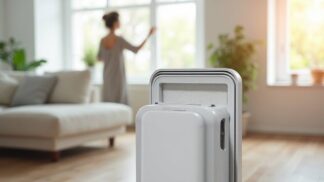
This guide analyzes the intersection of filtration technology and acoustic engineering to help you select a system that optimizes both air purity and sleep hygiene.
The Relationship Between Sound Pressure and Sleep Architecture
Sleep is a non-linear process comprising several stages, including light sleep, deep sleep, and REM sleep. Research indicates that even if a sound does not fully wake a sleeper, it can cause a “micro-arousal,” shifting the individual from a deep sleep stage to a lighter one.
In nurseries, consistent sound—often referred to as white noise—can be beneficial for masking ambient household disturbances. However, the frequency must be stable. Smart purifiers that frequently cycle their fan speeds in “Auto Mode” can trigger startle reflexes in infants. Therefore, selecting a unit with a high-quality DC motor and a dedicated “Sleep Mode” is essential for developmental health.
Technical Comparison: Field Controls Trio Series
Field Controls is recognized for medical-grade atmospheric treatment. Their Trio line represents a sophisticated approach to integrated filtration and UV-C disinfection, engineered for environments where sound and safety are paramount.
| Model | Application | Noise Level (Low) | Noise Level (High) | Filtration Technology |
| Trio Plus | Large Bedrooms | 23 dB | 55 dB | HEPA, Carbon, UV-C, PRO-Cell |
| Trio Pro | Master Suites | 26 dB | 60 dB | Dual HEPA, Carbon, UV-C, PRO-Cell |
| FC-H13 | Nurseries/Small Rooms | 21 dB | 48 dB | H13 HEPA, Carbon |
The Trio Plus is particularly effective for bedroom environments. At 23 dB on its lowest setting, it operates at a level quieter than a human whisper (typically 30 dB). At the same time, the PRO-Cell technology actively neutralizes Volatile Organic Compounds (VOCs) without the ozone production common in inferior ionizers.

What is the quietest air purifier for a bedroom?
The quietest air purifiers for bedroom use are those that use brushless DC motors and operate at 20-25 decibels (dB) on their lowest settings. For optimal sleep hygiene, a purifier should not exceed 35 dB during nighttime operation. High-performance models like the Field Controls Trio Plus achieve this by using large-surface-area filters that allow for high airflow at lower fan velocities, reducing mechanical “whine” and air turbulence noise.
Optimizing Placement for Acoustic Performance
To maximize the efficacy of your smart purifier while minimizing noise disruption, follow these placement protocols:
- Maintain Clearance: Place the unit at least 18 inches from walls or furniture. Obstructions cause air turbulence, which increases the decibel output.
- Corner Displacement: Avoid placing purifiers in tight corners, which can act as a megaphone, reflecting sound waves back into the center of the room.
- Distance from Headboard: In nurseries, place the purifier at least 6 to 8 feet from the crib. This ensures the child receives filtered air without being exposed to the highest motor vibration levels.
Verified Solutions for Clean Air
Maintaining your air filtration system requires using certified components. Using third-party filters can alter the device’s static pressure, leading to increased motor strain and higher noise levels.
- Authentic Replacement Components: To ensure your device continues to operate within its original acoustic specifications, source verified HEPA and Carbon filters through FiltersFast.
- Professional Systems: For those requiring clinical-level performance in residential settings, Field Controls offers systems that meet rigorous health and safety standards.
- Smart Technology Integration: Explore the latest in sensor-driven air purification by visiting this curated selection of smart purifiers.
Frequently Asked Questions
Why does my air purifier get louder at night?
If your purifier is set to “Auto Mode,” it may increase fan speed when it detects an increase in pollutants, such as dust kicked up by bedding or VOCs from nighttime skincare products. Using a “Sleep Mode” lock prevents these sudden acoustic spikes.
Is H13 HEPA louder than standard HEPA?
H13 HEPA filters are denser and provide higher filtration efficiency. While this can increase air resistance, premium manufacturers like Field Controls compensate by using larger motors and fans, enabling quiet operation despite the media’s higher density.
Can air purifiers help with snoring?
By removing allergens like pollen and pet dander that cause nasal congestion and airway inflammation, air purifiers can reduce the physiological triggers of snoring, leading to a quieter sleep environment for both partners.
