The air you breathe inside your home is often more polluted than the air outside. As smart home technology evolves, the debate over how to best clean that air has intensified. For decades, HEPA has reigned supreme, but a new generation of smart electrostatic purifiers is challenging the status quo. Whether you are battling seasonal allergies or trying to eliminate fine dust, understanding the mechanics of these two technologies is essential for choosing the right device for your ecosystem.
Affiliate Disclosure: This post contains affiliate links. If you click through and make a purchase, I may receive a small commission at no additional cost to you. I only recommend products and services from trusted partners, such as FiltersFast and FieldControls.
What is the difference between Electrostatic and HEPA filtration?
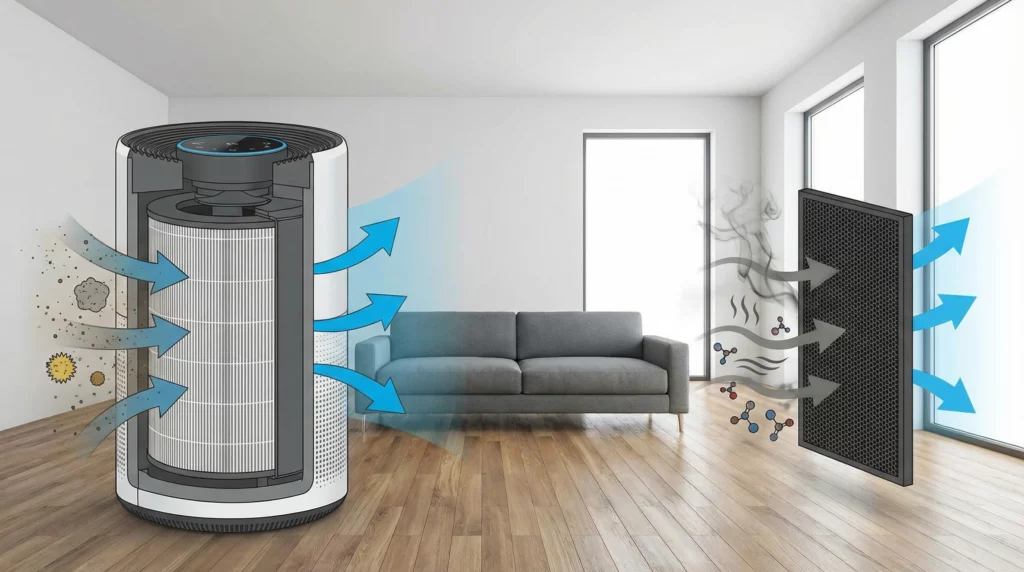
The primary difference between electrostatic filtration and HEPA is the method of capture. HEPA (High-Efficiency Particulate Air) filters use a dense, physical mesh of fibers to trap 99.97% of particles as small as 0.3 microns. Conversely, electrostatic filters use an electric charge to attract particles to internal plates or specialized media. While HEPA requires periodic filter replacements, many electrostatic systems use washable components, though they may produce trace amounts of ozone.
The Gold Standard: HEPA Filtration
HEPA remains the benchmark for Understanding Air Purifier Technology: HEPA, Activated Carbon, and Beyond. These filters work through a combination of interception, impaction, and diffusion. Because the mesh is so tight, it physically prevents particles from passing through.
Advantages of HEPA
HEPA is favored by medical professionals because it does not rely on chemical or electrical processes to function. It is a “passive” technology, meaning it is exceptionally safe for individuals with respiratory sensitivities. It effectively captures pet dander, mold spores, and pollen with unmatched reliability.
The Downside of HEPA
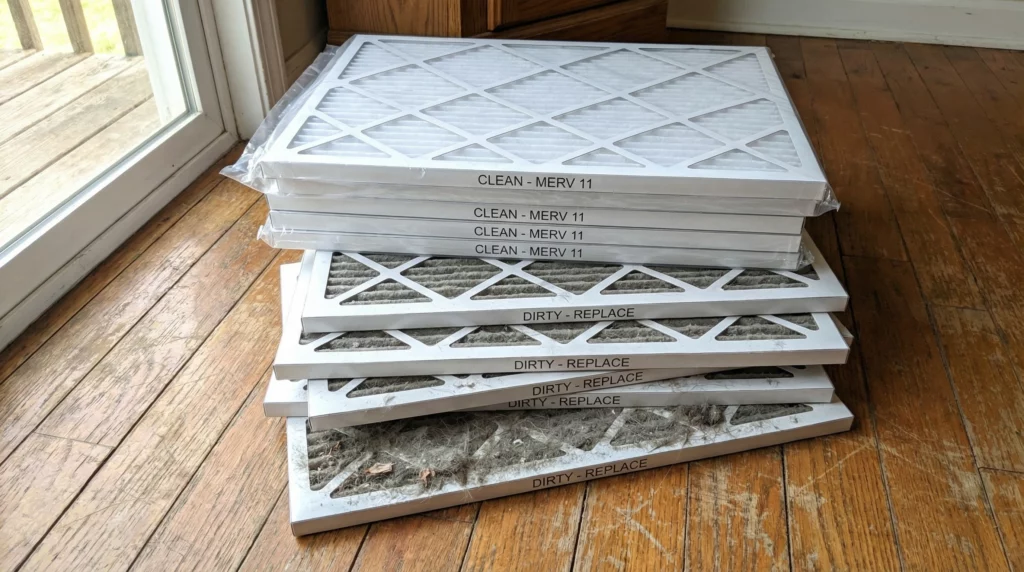
The primary drawback is air resistance. Because the filter is so dense, the purifier’s motor must work harder to pull air through, which can increase noise levels and energy consumption. Furthermore, HEPA filters are not permanent. Depending on your environment, you may need to replace them every 6 to 12 months to maintain peak performance.
The Modern Challenger: Electrostatic Filtration
Electrostatic purifiers represent the “active” side of the industry. These devices create an ionization field that imparts a positive or negative charge to incoming particles. These charged particles are then attracted to oppositely charged metal plates or “collector” surfaces.
Why Smart Purifiers Love Electrostatic Tech
Modern Smart Air Purifiers Guide: Automation, Sensors & Home Integration often leverage electrostatic technology because it allows for higher airflow with less noise. Since there is no dense physical barrier, the Clean Air Delivery Rate (CADR) can remain high even on lower fan settings. Additionally, smart sensors can adjust the intensity of the electric field based on real-time Indoor Air Quality (IAQ) readings.
Comparative Analysis: At a Glance
The following table breaks down the critical metrics for both technologies to help you decide which fits your lifestyle and budget.
| Feature | HEPA Filtration | Electrostatic Filtration |
|---|---|---|
| Capture Method | Physical Mesh (Passive) | Electric Charge (Active) |
| Efficiency | 99.97% at 0.3 Microns | Variable (Usually 90-97%) |
| Maintenance | Replacement required | Often washable/Reusable |
| Airflow Resistance | High | Low |
| Noise Level | Moderate to High | Generally Quiet |
| Ozone Production | Zero | Trace amounts (Model dependent) |
| Best For | Allergy/Asthma sufferers | High-volume dust/Eco-conscious |
Performance and Maintenance Costs
When evaluating a smart purifier, the initial price tag is only part of the equation. You must consider the total cost of ownership over three to five years.
HEPA Maintenance
If you opt for a HEPA system, you are committing to a recurring subscription of filters. For high-quality replacements, I recommend checking FiltersFast, which offers a wide array of OEM and compatible filters that ensure your smart sensors continue to report accurate data.
Electrostatic Maintenance
Electrostatic systems, such as those offered by FieldControls, often utilize permanent or semi-permanent media. While this saves money on replacements, it requires more “elbow grease.” You must regularly clean the collection plates. If the plates become too dirty, the electric charge weakens, and the purification efficiency drops significantly.
Which Should You Choose?
The decision ultimately depends on your specific health needs and your tolerance for maintenance.
- Choose HEPA if: You have severe allergies, asthma, or live in an area with high smoke concentrations. The physical barrier is foolproof and provides the highest level of protection against the smallest particles.
- Choose Electrostatic if: You want a quiet, energy-efficient solution and prefer a one-time investment over recurring filter costs. It is excellent for general dust control and for larger living spaces that require high airflow.
Frequently Asked Questions
Are electrostatic air purifiers safe?
Yes, most modern electrostatic purifiers are safe. However, some models can produce small amounts of ozone as a byproduct of ionization. Look for “CARB Certified” models, which ensure ozone emissions are well below safety limits.
Does a HEPA filter out viruses?
HEPA filters are rated to capture 99.97% of particles at 0.3 microns. While many viruses are smaller than 0.3 microns, they often travel on larger respiratory droplets, which HEPA filters capture effectively.
Can I wash a HEPA filter?
No. Standard HEPA filters are made of delicate glass fibers or paper. Washing them will destroy the mesh structure, rendering the filter useless. Always replace HEPA filters according to the manufacturer’s instructions.
Which is better for pet hair?
Both technologies handle pet hair well, but electrostatic systems are often better for high-volume pet dander because the lack of a physical filter prevents the device from “clogging” as quickly, maintaining a higher CADR over time.
Final Verdict
The battle between Electrostatic and HEPA isn’t about one being “better” than the other; it is about application. For a bedroom where silence and air purity are paramount, a HEPA-based smart purifier is often the winner. For a large open-concept living room where you want to move massive amounts of air without a skyrocketing electricity bill, electrostatic technology is a compelling modern alternative.
Ready to upgrade your home’s air? Explore the latest in filtration at FiltersFast or discover professional-grade solutions from FieldControls.