Smart air purifiers have quickly become a modern solution for homeowners who want cleaner indoor air. Recent innovations have integrated smart technology into these systems, allowing them to monitor air quality and adjust their settings automatically. In this article, I will explain how smart air purifiers work, explore their environmental impact, and offer guidance on evaluating these devices from a green perspective.
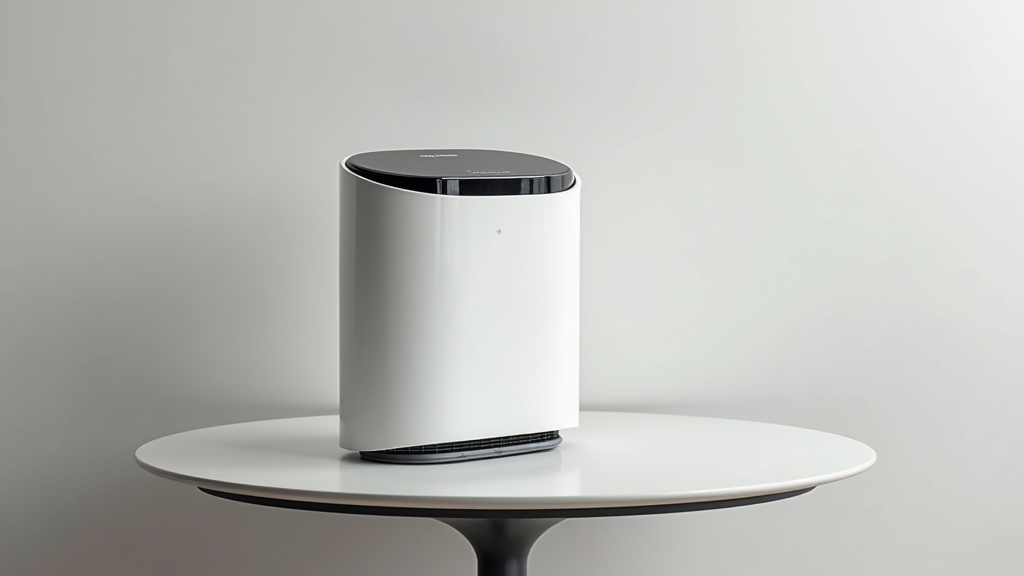
Understanding Smart Air Purifiers and Their Role in Indoor Air Quality
The concept of a smart air purifier goes beyond simply filtering out dust and allergens. These devices have built-in sensors that continuously analyze the air around them. They adjust fan speeds, filter cycles, and even notify you when it’s time to change a filter. By doing this, they not only ensure a healthier indoor environment but also potentially reduce energy waste by operating only as needed.
Smart air purifiers use algorithms and internet of things (IoT) connectivity to learn about the air quality in your home. They collect data about particles in the air, including pollutants and allergens, and can even provide insights through smartphone apps. This intelligent approach helps homeowners make informed decisions and encourages the use of energy only when air quality levels drop below an acceptable threshold.
Understanding how these devices work gives a clearer insight into the environmental benefits they promise. Reduced energy usage and timely maintenance are just a couple of factors that contribute to a greener household. This technological advancement means you can maintain a clean indoor space without a significant negative impact on the broader environment.
How Smart Air Purifiers Operate for Better Efficiency
Before jumping into the environmental impact, it is helpful to understand the mechanics behind smart air purifiers. These devices typically consist of advanced filters, sensors, and connectivity features that optimize air purification. Here are some elements that drive their efficiency:
- Sensor Technology: Devices are equipped with sensors that continuously measure the presence of pollutants such as pollen, dust, and volatile organic compounds (VOCs).
- Automated Control: Smart systems automatically adjust fan speeds and other settings depending on the current air quality. This adaptive feature helps reduce unnecessary power consumption.
- Data Collection and Analytics: By collecting and analyzing data, these purifiers can predict when indoor air quality might worsen and proactively adjust to maintain optimum cleanliness.
Each of these components contributes to a more energy-efficient performance. When a device can automatically modify its operation, it avoids running at full capacity unnecessarily. This tailored approach not only preserves filter life but also minimizes the device’s carbon footprint over time.
Assessing the Environmental Impact of Smart Air Purifiers
The environmental impact of smart air purifiers can be looked at from several angles. The idea is to balance the benefits of improved indoor air quality with the potential drawbacks related to energy consumption and product life cycle. Here are some of the key factors:
- Energy Consumption: Smart air purifiers are designed to adjust their operation based on real-time data. While this means they often run at lower power levels, the energy used is still a consideration. Many newer models are built with energy efficiency in mind and have earned certifications that signify lower power usage.
- Filter Replacement and Waste: These devices rely on replaceable filters. The environmental impact here depends on the type of materials used and the disposal practices. Filters made from non-toxic, recyclable materials are better for the environment.
- Longevity and Durability: A smart device that lasts longer reduces the frequency of replacements, meaning fewer resources consumed over time. When considering the environmental impact, the quality of the build and ease of maintenance are important metrics.
- Manufacturing Footprint: The process of producing smart air purifiers, including the electronics and sensors, does have a carbon footprint. Some manufacturers are starting to emphasize sustainable manufacturing techniques to lessen this impact.
When evaluating a smart air purifier, it is helpful to consider these aspects. Although these devices represent an advancement in technology, understanding their production and operational impacts can lead to more informed purchasing decisions. Homeowners who take the time to research and compare products can feel confident that they are choosing options that deliver both health benefits and reduced environmental stress.
Smart Technology’s Role in Environmental Sustainability
Smart technology in air purification devices demonstrates how innovation can support environmental sustainability. By using data and automation, these devices can limit their operation to when it is necessary. This selective usage can result in a significant reduction in energy consumption, especially compared to older models that operate continuously.
The integration of smart features also means that users can track their energy usage over time. Many devices come with apps that report power consumption and filter status, giving users control over both indoor air quality and energy expenses. This feedback loop plays an important role in sustainable living as it encourages users to adopt habits that lower overall energy demands.
Additionally, some smart air purifiers have features that allow them to interact with other devices in a smart home ecosystem. For example, they might coordinate with heating or cooling systems to improve overall energy efficiency. This interconnected system works best when each element understands the environment and responds dynamically. Such integration not only makes daily operations smoother but also offers a glimpse into what a fully connected, energy-conscious future might look like.
Considerations Before Investing in a Smart Air Purifier
As beneficial as they are, smart air purifiers also come with a set of considerations you should keep in mind. Making the right choice involves more than just looking at the purchase price; it’s about evaluating long-term environmental benefits and potential drawbacks.
- Cost vs. Efficiency: It is important to consider the balance between initial cost and energy efficiency. While smart devices might have a higher upfront investment, the savings on energy and improved performance could make them a cost-effective choice in the long run.
- Energy Usage: Look for units that have energy ratings or certifications. Devices that require minimal power while still providing strong air purification capabilities are ideal.
- Maintenance Requirements: Regular maintenance is necessary for any air purifier. Some smart air purifiers notify you when a filter needs to be changed, reducing wasted energy from inefficient operation. Confirm that the replacement filters are easily accessible and environmentally friendly.
- Lifecycle and Disposal: Research the manufacturer’s policies on recycling or disposing of old units and filters. Products designed with end-of-life recycling in mind have a smaller environmental impact.
Balancing these factors is key if you are serious about reducing your environmental footprint without sacrificing indoor air quality. Taking the time to evaluate both operational and long-term aspects can steer you toward more sustainable options available on the market today.
Advanced Considerations and Best Practices for Optimizing Smart Air Purifiers
Once you’ve selected a smart air purifier based on general criteria, adopting advanced practices can further step up the benefits, both environmentally and in practical use. Here are some best practices that might help you get the most out of your device:
- Regular Software Updates: Keep your device’s software updated. Updates often include features that improve operational efficiency and energy management.
- Filter Management: Replace filters according to the manufacturer’s guidelines. Neglecting this maintenance can decrease efficiency, causing the device to work harder and use more energy.
- Optimize Sensor Placement: Place the air purifier in a location where it can accurately detect airborne pollutants. Avoid blockages that might interfere with sensor readings, ensuring the device only operates when necessary.
- Monitor Usage Patterns: Track how often the purifier runs and consider adjustments to its settings. Many smart models allow you to set schedules that align with your daily routines, further reducing unnecessary power usage.
- Integrate with Smart Home Systems: If possible, connect your air purifier to your smart home system. This can enable broader energy management strategies through coordinated operation with other devices, such as thermostats or lighting systems.
Using these advanced strategies not only prolongs the life of your smart air purifier but can also maximize its energy efficiency. This considered approach can directly contribute to lowering household energy consumption and minimizing environmental impact.
Additional Insights on Smart Air Purifiers and Green Living
To further expand on the promise of smart air purifiers in creating a sustainable home environment, it is important to explore how these devices can be integrated into broader green living practices. Homeowners can start by considering their overall energy consumption and how every device in the home contributes to this figure. Smart air purifiers fit nicely into this puzzle by offering real-time control and data, allowing you to make small adjustments that add up to significant energy savings over time.
One of the most appealing aspects of smart air purifiers is their ability to work in unison with other eco-friendly devices. For instance, many modern homes utilize smart thermostats, lighting systems, and security controls that together form an interconnected network. When the air purifier communicates with these systems, your home can automatically adjust settings to maximize energy efficiency. This networked approach not only simplifies daily routines but also reinforces sustainable practices that benefit both you and the environment.
Moreover, the use of smart air purifiers often paves the way for homeowners to gain a deeper understanding of indoor air quality issues. With detailed reporting available via smartphone apps, you can track changes in pollutant levels throughout the day and respond accordingly. This information can encourage you to adopt additional green habits, such as increasing natural ventilation or incorporating indoor plants that naturally filter the air. Over time, these small steps can lead to a significant glow-up in home sustainability.
Manufacturers are also stepping up their efforts to address environmental concerns by designing products that are easier to recycle and maintain. As awareness about climate change and resource conservation grows, more companies are embracing eco-friendly production methods. By choosing a smart air purifier built with recyclable components and energy-efficient technology, you are helping to drive demand for sustainable products and practices.
This broader perspective on green living highlights that investing in smart air purifiers isn’t solely about enhancing your immediate environment. It’s also about participating in a larger movement toward a more energy-conscious and sustainable future. Every thoughtful decision, from purchasing energy-efficient devices to following good maintenance practices, contributes to a collective effort to reduce environmental impact.
Frequently Asked Questions
Below are some common questions about the environmental impact of smart air purifiers that might help clear up any uncertainties you have about the technology:
Question: Are smart air purifiers more energy efficient than traditional models?
Answer: Yes, they often are. Because they operate based on real-time data and can adjust settings automatically, they avoid constant full-power operation, which usually means they use less energy over time.
Question: How do smart air purifiers contribute to indoor environmental sustainability?
Answer: They improve indoor air quality while keeping energy usage low by operating only when pollutant levels exceed set thresholds. This means that they help both improve the air inside your home and cut down on excessive energy consumption.
Question: What environmental best practices should I follow with my smart air purifier?
Answer: Regular maintenance, prompt filter replacements, and ensuring the device is placed in an optimal location are all key practices. In addition, updating the device’s software frequently can further step up its measurement accuracy and energy efficiency.
Question: What happens to the filters once they need to be replaced?
Answer: The environmental impact of used filters depends on the materials they’re made from and the local disposal or recycling programs available. It is very important to research options for eco-friendly disposal or recycling to minimize environmental harm.
Wrap-Up on the Environmental Impact of Smart Air Purifiers
Smart air purifiers represent an intriguing intersection of technology and environmental care. They offer valuable indoor air quality improvements and reduce unnecessary energy consumption by operating intelligently. When evaluating these devices for your home, it is important to consider both their operational benefits and potential environmental impacts across the product lifecycle.
Carefully examining how the device uses energy, its maintenance requirements, and the recyclability of its components can lead to better purchasing decisions. Purchasing a product that minimizes waste and uses technology to be energy efficient fits well within a strategy for leading a greener lifestyle.
Moreover, adopting several best practices such as regular software updates, careful placement, and consistent upkeep can step up the overall performance while cutting down on energy needs even further. As we continue to embrace smart technology, balancing convenience and environmental responsibility becomes a priority.
Every component, from sensor innovation to automated adjustments, plays a role in reducing the environmental footprint of these devices. With a bit of research and careful planning, it is possible to enjoy clean indoor air while keeping an eye on sustainability. Smart air purifiers are a promising tool in the ongoing efforts to make homes more comfortable and energy efficient.
Consider the long-term benefits and potential environmental trade-offs when selecting a smart air purifier. By staying informed and proactive about maintenance, you can ensure that your device performs optimally while supporting your efforts to protect the environment. Embracing this technology means you are not just investing in immediate indoor air quality. It means you are contributing to broader, sustainable practices that ultimately benefit both your family and the planet.

Free replacement filter and lamp with purchase of Trio Plus