Most people think air pollution is an outdoor problem. In reality, indoor air can be two to five times more polluted than outdoor air, even in suburban or rural homes. The sources are quiet, constant, and often invisible.

This guide breaks down the top 10 indoor air pollutants, where they come from, why they matter, and what actually helps reduce them. The focus is practical and evidence-based, designed to help you make informed decisions without fear-based hype.
What Are the Most Common Indoor Air Pollutants?
The most common indoor air pollutants include particulate matter (PM2.5), volatile organic compounds (VOCs), mold spores, dust mites, pet dander, pollen, combustion byproducts, formaldehyde, bacteria, and viruses. Many originate from everyday household activities and materials.
1. Particulate Matter (PM2.5)
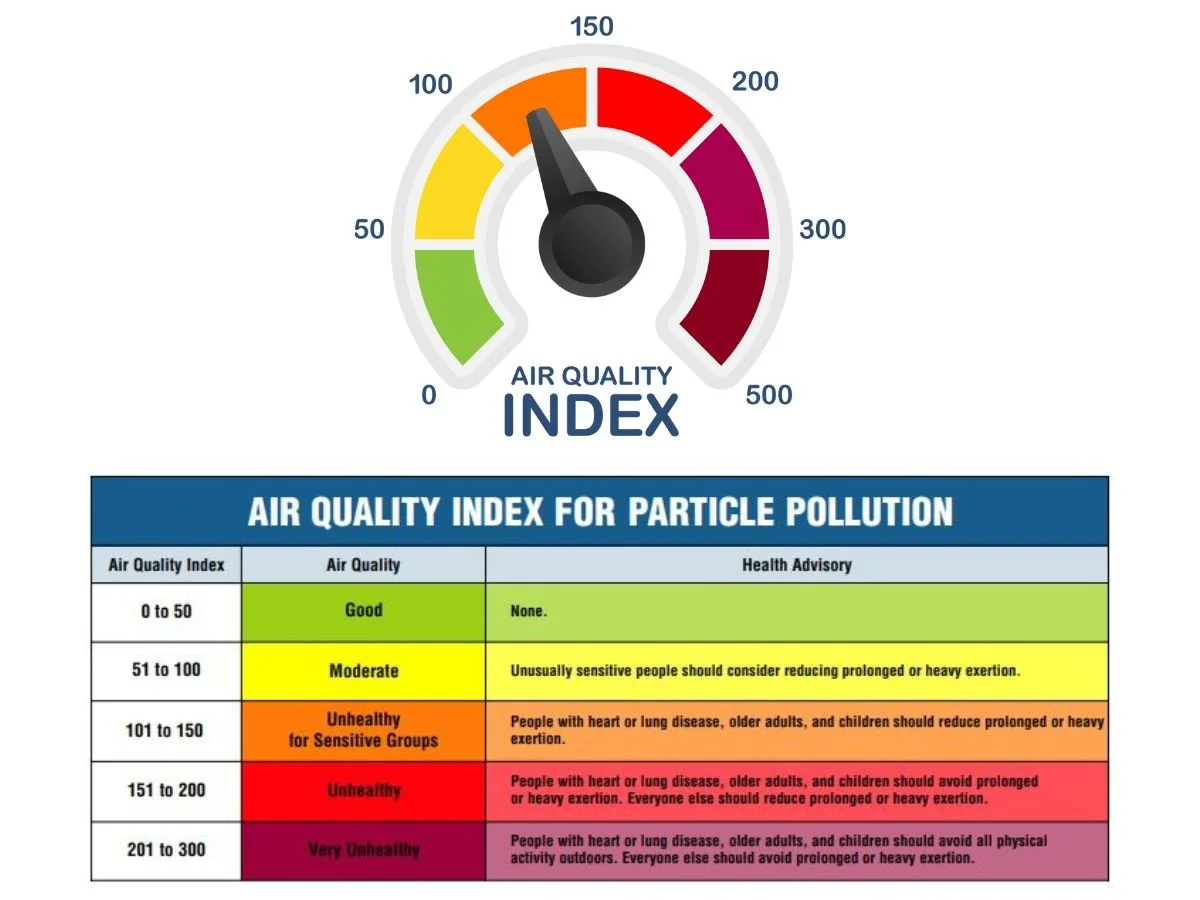
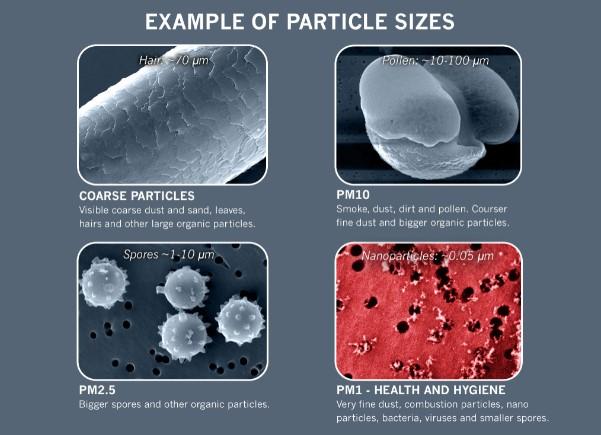
PM2.5 refers to microscopic particles small enough to penetrate deep into the lungs. These particles come from cooking, candles, fireplaces, outdoor smoke, and even normal household dust.
Because PM2.5 is invisible, many people underestimate its impact. Long-term exposure is linked to respiratory irritation and cardiovascular stress.
→What Does PM2.5 Mean for Indoor Air Quality?
PM2.5 refers to delicate particulate matter that has a diameter of 2.5 micrometers or smaller. These particles are so tiny that they can easily be inhaled and penetrate deep into the lungs, potentially causing various health problems. When it comes to indoor air quality, PM2.5 is a significant concern because it can accumulate inside our homes, offices, and other enclosed spaces.
Familiar sources of indoor PM2.5 include combustion activities like cooking, burning candles, and using fireplaces. Additionally, outdoor air pollution can infiltrate indoors, and certain building materials and furnishings can also release PM2.5. High levels of PM2.5 indoors can exacerbate respiratory issues, trigger allergies, and even contribute to cardiovascular problems. Therefore, monitoring and controlling PM2.5 levels are crucial for maintaining healthy indoor environments.
2. Volatile Organic Compounds (VOCs)
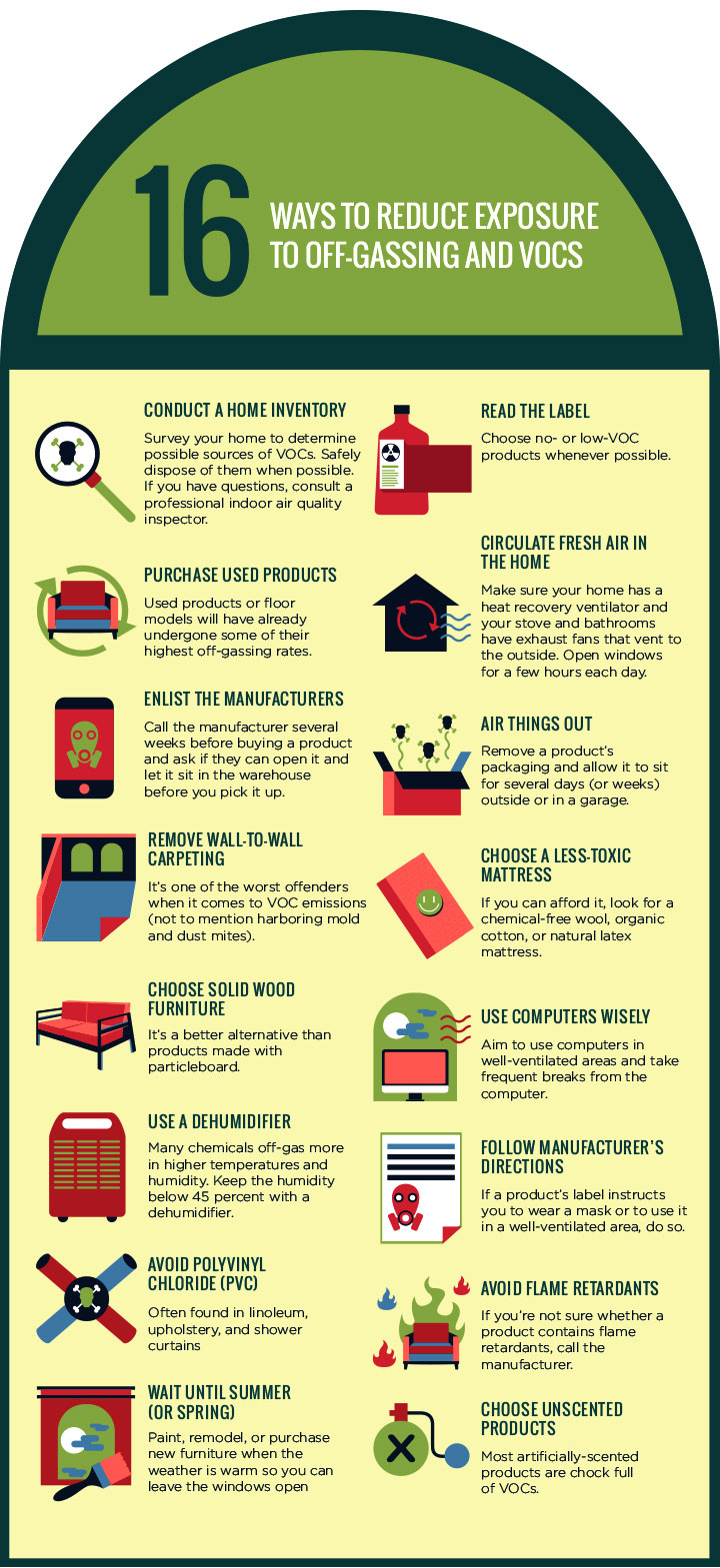
VOCs are gases released from paints, cleaners, furniture, flooring, and personal care products. New homes and recently renovated spaces often have higher VOC concentrations.
Common symptoms include headaches, eye irritation, and fatigue. Long-term exposure can worsen asthma and sensitivity reactions.
3. Mold Spores

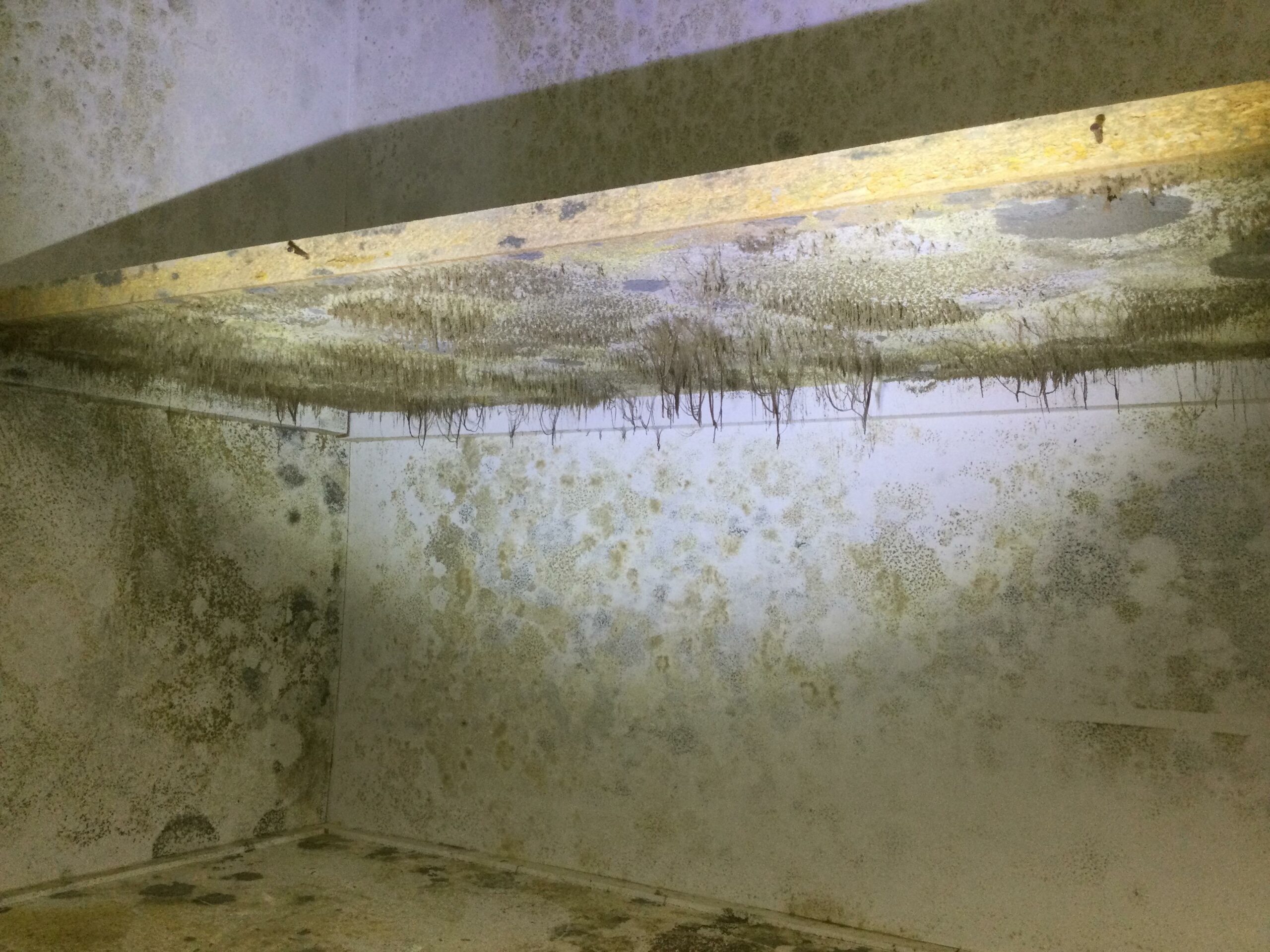
Mold spores thrive in damp areas like bathrooms, basements, and HVAC systems. Even when mold is not visible, spores can circulate through the air.
Humidity control and filtration are critical, especially for people with allergies or respiratory conditions.
Internal link suggestion:
→ How Humidity Impacts Indoor Air Quality
4. Dust Mites

Dust mites are microscopic organisms that live in bedding, carpets, and upholstered furniture. Their waste particles are a major indoor allergen.
They are especially problematic in bedrooms, where prolonged exposure occurs during sleep.
5. Pet Dander

Pet dander consists of tiny skin flakes that remain airborne for long periods. Even homes without pets can have residual dander from clothing or visitors.
High-efficiency filtration significantly reduces airborne dander without requiring lifestyle changes.
→ Best Air Purifiers for Pet Owners
6. Pollen (Even Indoors)

Pollen enters homes through open windows, doors, clothing, and HVAC systems. Once inside, it settles and re-enters the air during movement.
This explains why allergy symptoms often persist indoors during peak seasons.
7. Combustion Byproducts

Gas stoves, fireplaces, candles, and even incense release nitrogen dioxide, carbon monoxide, and fine particles into indoor air.
Proper ventilation helps, but it rarely eliminates exposure entirely.
8. Formaldehyde
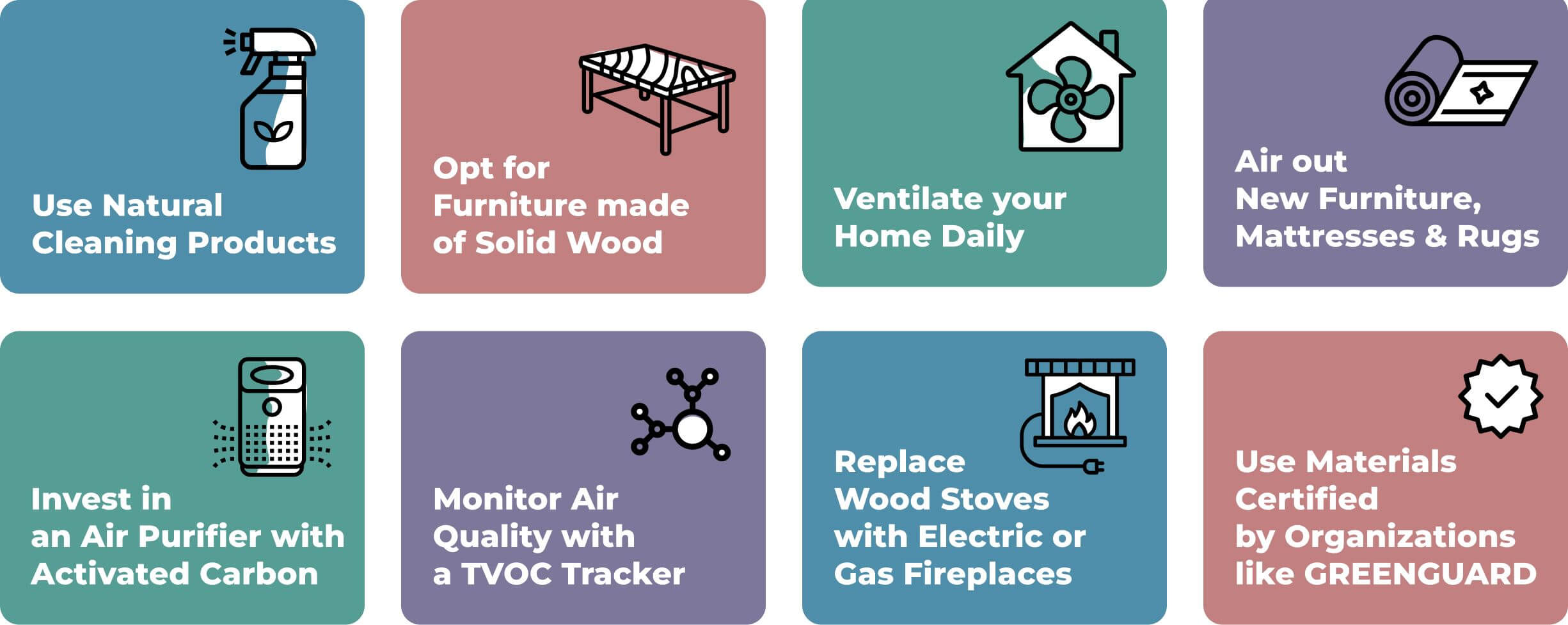
Formaldehyde is a specific VOC commonly found in pressed wood, cabinetry, and some textiles. It off-gasses slowly over time.
Low-level exposure can cause irritation, while higher concentrations raise long-term health concerns.
9. Bacteria and Viruses
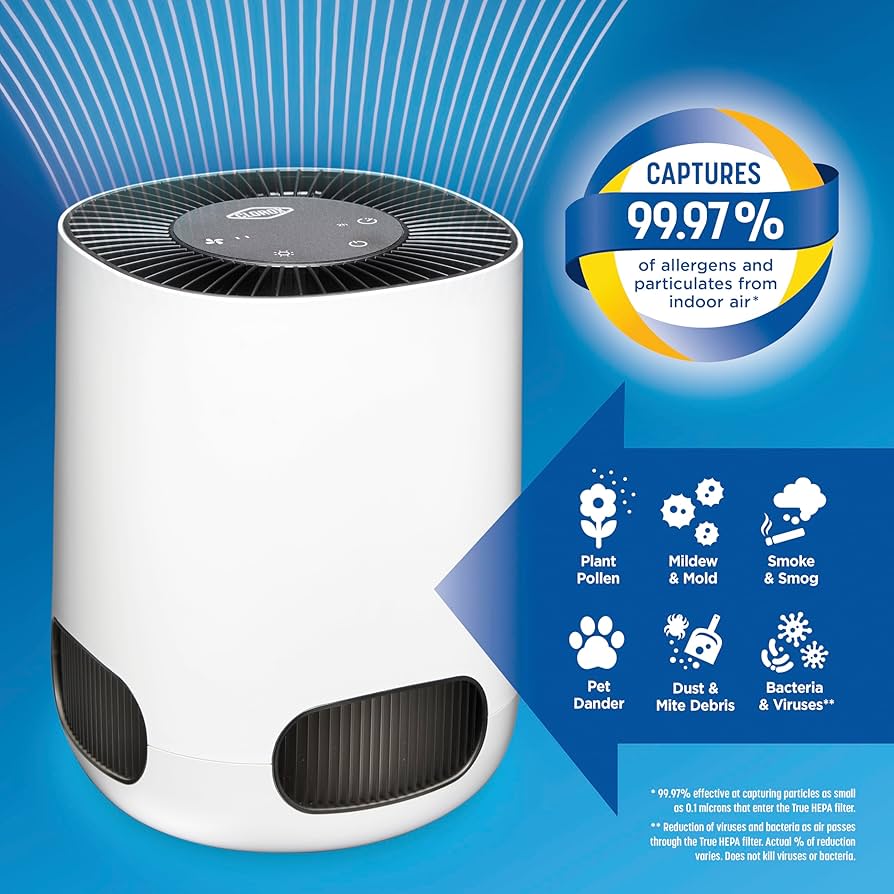
Everyday activities release bacteria and viruses into indoor air. Crowded rooms and poor ventilation increase concentration.
High-quality filtration reduces airborne transmission risk, particularly in shared living spaces.
10. Household Odors That Signal Pollution
Persistent odors are often a sign of underlying pollutants rather than just unpleasant smells. Cooking, chemicals, and stagnant air all contribute.
Removing odor sources requires filtration, not masking.
Comparison: Pollutant Types and Mitigation
Mitigating pollution requires a combination of source control, technological filtration, and biological remediation. The following table categorizes the most common air and water pollutants, along with the primary strategies used to reduce their impact.
| Category | Pollutant Type | Common Sources | Mitigation & Removal Strategies |
| Air | Particulate Matter (PM2.5/PM10) | Combustion, construction, road dust, cooking. | HEPA filtration, electrostatic precipitators, baghouses (industrial), and increased ventilation. |
| Gaseous (NOx, SOx, CO) | Vehicle exhaust, power plants, gas stoves. | Catalytic converters, industrial scrubbers, switching to cleaner fuels (electric/hydrogen), and source adjustment. | |
| Volatile Organic Compounds (VOCs) | Paints, cleaning agents, furniture off-gassing. | Activated carbon adsorption, low-emission product selection, and photocatalytic oxidation. | |
| Ground-level Ozone ($O_3$) | Chemical reactions of NOx + VOCs in sunlight. | Indirect mitigation: reducing precursor emissions (NOx and VOCs) from transport and industry. | |
| Water | Nutrients (Nitrates/Phosphates) | Agricultural runoff, sewage, detergents. | Denitrification, riparian buffer zones, and advanced biological wastewater treatment. |
| Pathogens (E. coli, Viruses) | Human and animal waste, septic failure. | Chlorination, UV radiation, ozonation, and modernized sewage infrastructure. | |
| Heavy Metals (Pb, Hg, Cd) | Industrial discharge, mining, old piping. | Chemical precipitation, ion exchange, reverse osmosis, and phytoremediation (using plants to absorb toxins). | |
| Solid Waste / Microplastics | Improper disposal, tire wear, urban runoff. | Physical screening, grit settling, stormwater management (sand filters), and plastic reduction policies. | |
| Soil | Chemical / Pesticides | Intensive farming, industrial spills. | Bioremediation (microbial breakdown), soil vapor extraction, and crop rotation/organic farming. |
Key Mitigation Mechanisms
Most pollutants are addressed using one of three primary mechanisms:
- Physical: Mechanisms like sedimentation (letting heavy particles sink) and filtration (passing air or water through a membrane) are used for solids and particulate matter.
- Chemical: Processes like adsorption (pollutants sticking to a surface like activated carbon) or precipitation (adding chemicals to make dissolved pollutants turn into solids) are used for gases and heavy metals.
- Biological: Utilizing living organisms, such as bioremediation (bacteria breaking down oil/sewage) or phytoremediation (plants pulling metals from soil).
FAQ
Is indoor air really worse than outdoor air?
Yes. Indoor air can trap pollutants continuously, especially in well-sealed homes with limited ventilation.
Do air purifiers remove all pollutants?
No single purifier removes everything. Filtration effectiveness depends on filter type, airflow, and maintenance.
How often should filters be replaced?
Replacement intervals vary by usage, environment, and filter quality. Most range from 3 to 12 months.
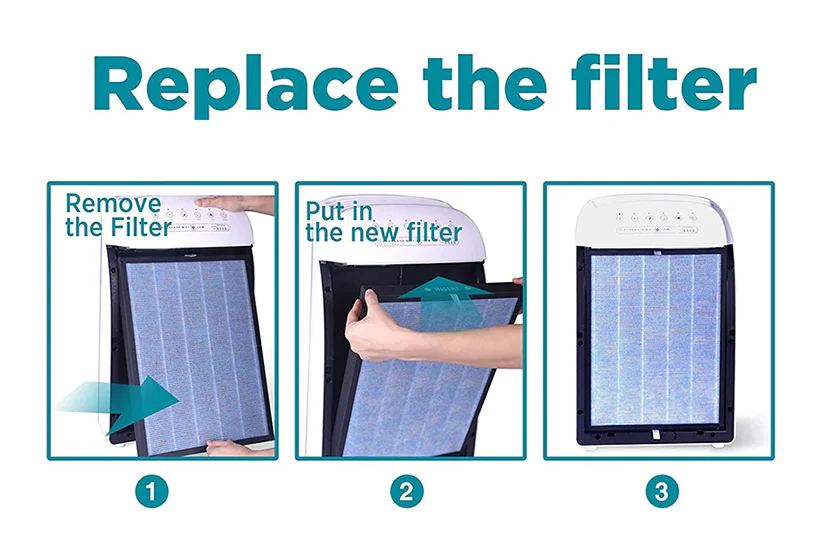
Filter & Indoor Air Solutions
Improving indoor air quality depends as much on filter maintenance as it does on purifier hardware. A high-quality system with a clogged or incorrect filter delivers poor results.
If you’re replacing filters or researching indoor air solutions, these trusted suppliers offer broad compatibility and transparent specifications:
These links are included for transparency and help support this site without increasing your cost.