Multistage filtration in smart air purifiers is becoming more common in homes and offices. I’ve learned that these filters do more than trap large dust and pollen particles in the air. They tackle invisible pollutants, odors, and even some gases that regular filters leave behind.
In this article, I’ll share what I’ve found by digging into the details of multistage filtration. You’ll see the real difference between standard air cleaners and the smarter, layered approach. I’ll also point out the types of contaminants each stage targets, and recommend some effective smart purifiers and filter sources based on my own research and experience.
What Is Multistage Filtration, and Why Does It Matter?
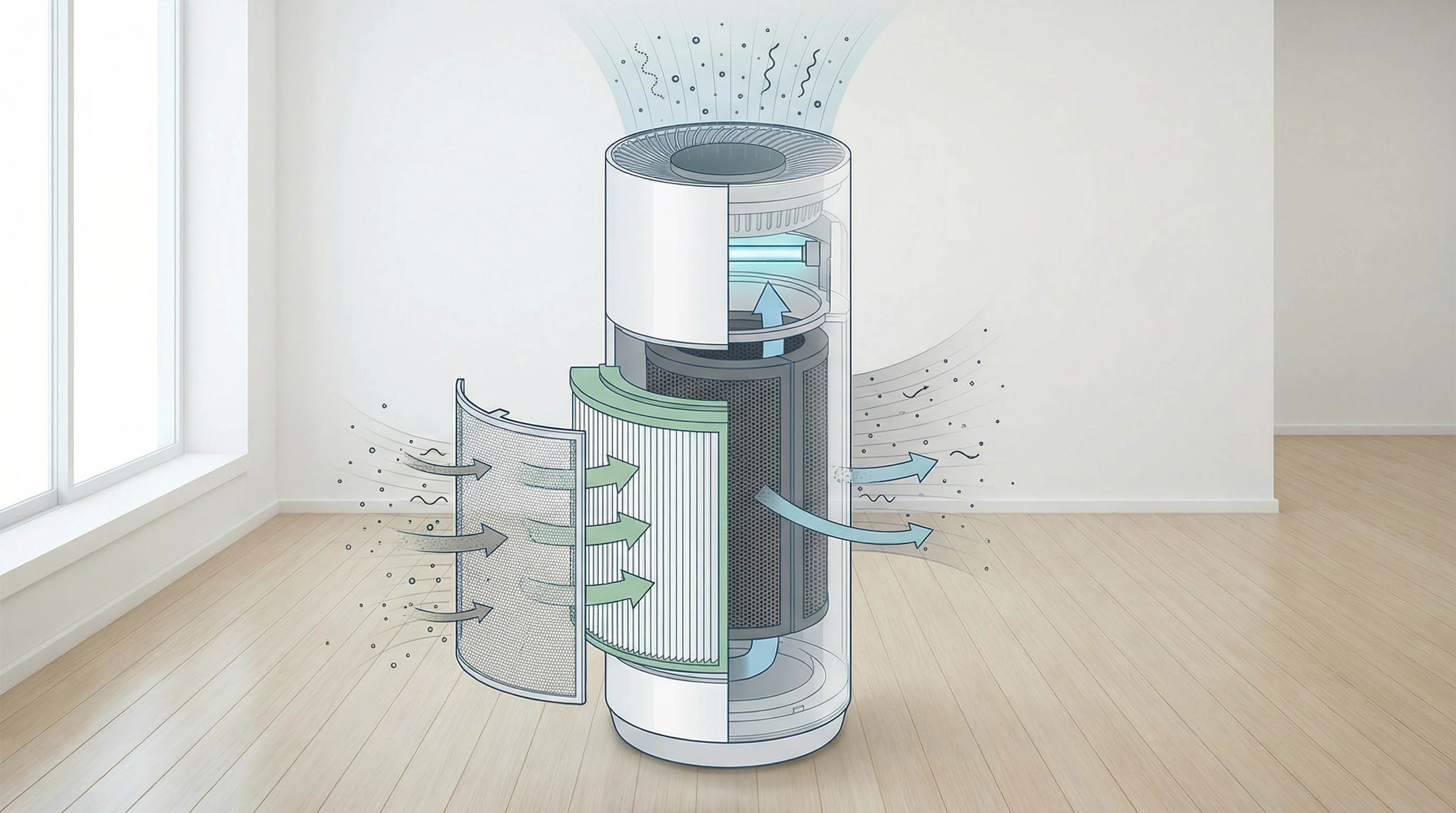
Multistage filtration is a process that uses several different filter materials inside one purifier. Each layer is designed to capture or neutralize a specific group of indoor air contaminants. I’ve learned that compared to a single filter device, a multistage system can remove a much wider range of pollutants, from visible dust to complicated chemicals floating in the air.
My first smart purifier had only a basic HEPA filter. It helped with pet hair and some dust. Later, when I upgraded to a unit with three or more stages, I noticed less odor, fresher air, and fewer issues with my allergies, especially during pollen season. This was a real eye-opener in terms of the differences between standard and advanced filtration.
Indoor air can contain dust, pollen, pet dander, cooking smoke, volatile organic compounds (VOCs), and microorganisms like bacteria and mold spores. Traditional filters usually trap dust and pollen, but many gases, odors, and tiny particles can pass right through. Multistage systems target each group with a dedicated filter material.
For a quick overview of how multistage filtration works in a smart purifier, check our in-depth guide to air purifier types, where I also step up to discuss the nuances between technologies and how they can serve different household needs. As new pollutants are identified indoors, manufacturers upgrade their filter stages, ensuring the solutions remain relevant for future indoor air quality challenges.
Breaking Down Each Filtration Stage and Its Purpose
Each stage of a multistage air purifier plays a specific role. The more stages in the filter system, the broader the range of pollutants that can be captured or neutralized. Here’s how I break down the main types of filters found in top smart air purifiers.
- Pre-Filter: This stage traps larger particles like dust, pet hair, and some pollen. I always make sure to clean or replace the pre-filter regularly to keep the main filters lasting longer.
- True HEPA Filter: This high-efficiency filter is designed to capture particles as small as 0.3 microns, such as smoke, mold spores, and some bacteria. I’ve found this stage super important for managing my seasonal allergies and keeping the air fresher overall.
- Activated Carbon Filter: Activated carbon has the unique advantage of absorbing gases, odors, and many VOCs that traditional filters miss. This layer makes a huge difference if you cook a lot, have pets, or live near urban pollution. My own purifier made onions and fish odors disappear within minutes; it was a game-changer during holiday cooking.
- Specialty Filters (UV-C, Ion, Antimicrobial, or Photocatalytic): Some models add an extra layer using UV light, silver-infused filters, or other treatments. These target bacteria, viruses, or even formaldehyde in some cases. While I don’t see this in every unit, extra stages can be helpful if you’re dealing with extra stubborn air quality challenges.
Some purifiers include even more layers, such as cold catalyst or anti-allergen filters, each providing an extra line of defense. For more details on what these filters do, see our article on HEPA vs. carbon filter differences. By layering these methods, smart air purifiers become adaptable to a wide range of environments, such as offices near roads, homes with open kitchens, or spaces shared by multiple pets and family members.
Real-World Benefits: What Smart Purifiers Remove That Standard Ones Can’t
My experience with both basic and multistage smart purifiers clearly shows some big advantages for advanced models. Here’s a breakdown of pollutants and why they matter for indoor air:
- Dust, pollen, and pet hair: A basic filter usually works here, but if you want relief from allergens, a HEPA stage does a much better job. I noticed that, especially during spring, my allergy symptoms dropped significantly once a true HEPA filter was running in my bedroom. Many users report improved sleep and easier breathing, which I can confirm from my own experience and from reading customer reviews on trusted sites.
- Odors from cooking, pets, or smoke: Odors often float as gases. Standard filters won’t do much, but an activated carbon layer makes a noticeable difference. It absorbs smells instead of masking them. In my kitchen, where I occasionally cook with strong spices, an activated carbon stage takes out lingering smells much faster than simple filtration alone.
- VOCs and chemicals: Paint, cleaning products, and new furniture emit gases like formaldehyde or benzene. Multistage filters, especially those with carbon or specialty chemical filters, target these pollutants. I read studies that showed improved indoor air quality and fewer complaints of headaches or irritation in homes with these systems (EPA). Many new parents and people with home offices are turning to these systems to keep up with evolving air quality standards.
- Bacteria, viruses, and mold spores: Some advanced smart purifiers add UV-C or antimicrobial stages. This isn’t a total replacement for proper cleaning or ventilation, but it does give some support, especially in homes with health-sensitive individuals or after cold seasons. I noticed a notable drop in musty smells after running a UV specialty stage during humid weeks, contributing to fresher air.
I often recommend multistage purifiers for people with allergies, respiratory sensitivities, or anyone who wants a more complete solution for odors and chemical exposure at home. If you want to see some of my top picks, check out the reviews on my homepage.
How Smart Purifiers Monitor and Manage Filtration
The smartest air purifiers now use built-in sensors and WiFi connectivity to make adjustments automatically. Sensors track dust, particulate, and sometimes even odors or VOCs, depending on the model. Here’s how I use these features in my own home:
- The app or device panel lets me check real-time air quality, so I always know how my indoor environment is doing, especially helpful during wildfire season or allergy spikes.
- The purifier boosts its fan or switches modes automatically when sensors pick up a drop in air quality. My own device increased performance after I cleaned the cat litter box, which was a real sign that it works.
- Many smart purifiers will send filter replacement reminders. I appreciate not having to guess, and it keeps the system working at its best. The app notifications are an easy way to stay on track without hassle.
Smart purifiers that combine multistage filtration with real-time monitoring are better equipped to target spikes in dust, allergens, or odors as soon as they appear, keeping your home fresher with less effort. My favorite units come from reputable brands like Field Controls, as well as filters sold by FiltersFast and FiltersCollection, which offer a good selection of certified replacement filters and accessories. Having access to real-time air readings not only gives you peace of mind but also lets you spot patterns—like increased dust during certain household activities or after outdoor pollution events.
Maintenance Tips for Maximum Filter Life and Cleaner Air
Getting the most out of a multistage smart purifier requires regular attention to filter changes. Based on my own routine and expert advice, here are a few key tips:
- Follow replacement guidelines: Stick to the schedule recommended in your manual or smart app notifications. HEPA and carbon filters don’t last forever; pushing filters past their effective life leads to less efficient purification and might even damage the unit.
- Clean prefilters often: Dust and hair will quickly clog the outer layer. I vacuum or wash this section every few weeks to keep things running smoothly. A clean pre-filter protects the life and effectiveness of the inner filter stages.
- Use genuine or certified replacement filters: Off-brand or knockoff filters may not fit right or provide the same performance. I buy official parts from trusted sites such as FiltersFast, FieldControls, or FiltersCollection for peace of mind and warranty support.
- Keep the purifier in the best location: I usually set mine in the center of the room, away from walls, so air circulates well and gets filtered evenly. Blocked vents or placing the unit under furniture limit its effectiveness.
If you’re interested in detailed maintenance routines, I’ve shared my own checklist on air purifier care tips. Staying on top of these steps not only improves indoor air quality but also extends the life of your investment by ensuring each component does its job for as long as possible. It’s also important to review your device’s manufacturer’s site for any special updates or filter recalls that might affect performance.
Things to Consider Before Choosing a Multistage Smart Purifier
Before buying a smart air purifier, I always consider my specific needs and room layout. Here are practical points that have helped me make a more informed decision:
- Check size and coverage: Make sure the device can handle the square footage you want to cover. Brands often list the maximum space clearly in their product details. Don’t forget to factor in ceiling height and the openness of your floor plan, as these affect coverage.
- Noise level: I appreciate quieter units in bedrooms. If sound is important to you, check decibel ratings and look for purifiers with a sleep mode. A smart air purifier that’s too noisy can be a distraction at night or during work hours.
- Filter replacement cost: Some filters last longer, but replacements can still add up over a year. I always check the projected annual cost before settling on a brand or model. This makes budgeting easier and avoids unwelcome surprises down the line.
- Sensors and app controls: Not all smart purifiers have the same app features. If you want real-time reporting, smart-home integration, or reminders, double-check the product specs. Some units sync with virtual assistants, letting you make adjustments hands-free.
- Certifications: Look for official certifications such as AHAM (Association of Home Appliance Manufacturers), CARB (California Air Resources Board), or Energy Star to ensure efficiency and authenticity. These labels confirm that claims about air flow, particle reduction, and power usage have been independently tested.
I find it’s also worthwhile to read honest user reviews on sites like BestSmartPurifiers.com for real-world feedback before buying. Comparing how similar purifiers handle real family and pet situations gives helpful insights that marketing materials might miss. If you have unique needs, such as allergies triggered by specific plants or working from home near a busy street, you may want to ask community forums for input as well.
Best Places to Buy Replacement Filters & Trusted Smart Purifiers
I always recommend sticking with brands that back up their products with solid warranties and a clear selection of replacement filters. For ease and reliability, these are my favorite shops:
- FiltersFast – A wide stock of genuine filters for the top smart purifier brands (affiliate link).
- FiltersCollection – Useful for tracking down hard-to-find specialty filters or bundles (affiliate link).
- FieldControls – Trusted for advanced whole-home air cleaner solutions and industrial options (affiliate link).
- Amazon Air Purifiers & Filters – Good for comparing reviews and finding newer models.
I’ve used these sites for years without issues. Just compare prices and shipping to find the best deal for your location. Some brands offer loyalty discounts or bundle deals for bulk filter orders, so it’s worth checking around, especially before allergy season or after moving into a new space. For those in regions with severe seasonal air quality issues, ordering filters in advance can help avoid delays during peak demand.
FAQ: Multistage Filtration and Smart Air Purifiers
I get a lot of questions about air quality from curious family and friends. Here are answers to the ones I see most often:
Question: How often should I change the filters in a smart purifier?
Answer: In my own home, HEPA and activated carbon filters usually last between 6 and 12 months, but heavy use or very dusty homes may need replacements sooner. Pre-filters often need cleaning or swapping every few weeks. Smart app reminders simplify the process, but I always keep an extra set on hand for unexpected needs.
Question: Can a multistage purifier help with allergies or asthma?
Answer: Yes, many people (including myself) notice fewer symptoms with a HEPA filter that captures allergens. Carbon layers reduce irritants from cooking or chemical products, which is helpful for those with asthma, especially in homes with carpets or pets.
Question: Do I still need to ventilate my home if I use a multistage purifier?
Answer: Yes, I open windows occasionally, especially when the weather and location allow. A purifier can’t totally replace the benefits of fresh air and good ventilation, especially to lower carbon dioxide levels and keep indoor air from feeling stale.
Question: Are smart purifiers difficult to set up and maintain?
Answer: Most come with step-by-step instructions, and replacing filters or setting up the app usually takes me less than 10 minutes. App notifications keep filter maintenance simple, and many brands offer video tutorials if you ever get stuck.
Why Multistage Smart Purifiers Are Worth It
Multistage filtration in a smart purifier delivers cleaner air and tackles more pollutants than basic options. I’ve seen real benefits in odor control, reduced dust, and freshness at home. Combined with app controls and real-time sensors, smart purifiers make it easier to stay on top of indoor air quality with less work.
If you want to upgrade your own setup, checking out models from trusted brands and keeping up with filter changes is my best advice. For specific recommendations and reviews, check out my latest posts on BestSmartPurifiers.com to get started with the best air for your home.