Smart air purifiers are doing way more these days than just keeping indoor air clean. They have also become handy tools in the fight to shrink our carbon footprint. As air pollution continues to rise and more of us worry about our impact on the environment, these eye-catching devices are getting noticed both for their health perks and their eco-friendly tech. In this article, I’ll walk you through how smart air purifiers fit into the bigger picture of energy use, healthy spaces, and why brands like Field Controls are becoming a go-to for folks who want tech that’s both smart and sustainable.
Why Reducing Carbon Footprint Is So Important
Shrinking our carbon footprint isn’t just good for polar bears and far-away rainforests. It actually hits home in a big way. Every watt of electricity and every puff of pollution from daily life adds up, affecting air quality, energy bills, and long-term health. If you’re trying to make greener choices, paying attention to how your appliances run can make a real difference. Heating, cooling, and even traditional air purification systems often use a ton of energy. Smart air purifiers are switching things up with energy-efficient designs and advanced monitoring technology that respond only when necessary, cutting down on wasted energy. Field Controls, for example, engineers smart purifiers that keep energy use minimal while delivering top-notch performance, which makes them worth checking out for eco-conscious households.
How Smart Air Purifiers Lower Environmental Impact
The technology in smart air purifiers is built to do more with less. Here’s how these devices are making it easier to reduce day-to-day energy consumption and help the planet at the same time:
- Automated Sensing: Smart sensors check air quality in real time to adjust purification levels. No more running the fan at full blast all the time; these purifiers ramp up only when needed, saving energy.
- Efficient Filtration: HEPA and activated carbon filters in Field Controls units remove more pollutants while minimizing airflow resistance. The fans don’t have to work as hard or for as long.
- Connectivity Features: Many smart air purifiers can be controlled remotely via apps, letting you schedule run times or automatically turn off the unit if you’re away. There’s no need to worry about forgotten, power-hungry machines humming in empty rooms anymore.
All of these features add up to less electricity used, which translates directly into a lower household carbon footprint. For anyone trying to reduce their impact, switching to a smart purifier is a practical move.
Choosing a Smart Air Purifier for an Eco-Friendly Home
Smart air purifiers come in a range of models, but not all are built with the same level of efficiency, quality, or connectivity. Here are a few things I think you’ll want to look out for when picking a unit for your home:
- Energy Star Certification: If you’re after the lowest energy consumption, checking for this label is an easy starting point.
- Advanced Air Quality Monitoring: Models from Field Controls focus on real-time sensors and automated operations, so you’re never running the device longer than you need to.
- Filter Longevity: Look for long-lasting, easy-to-replace filters. This cuts down on waste and keeps long-term costs down as well.
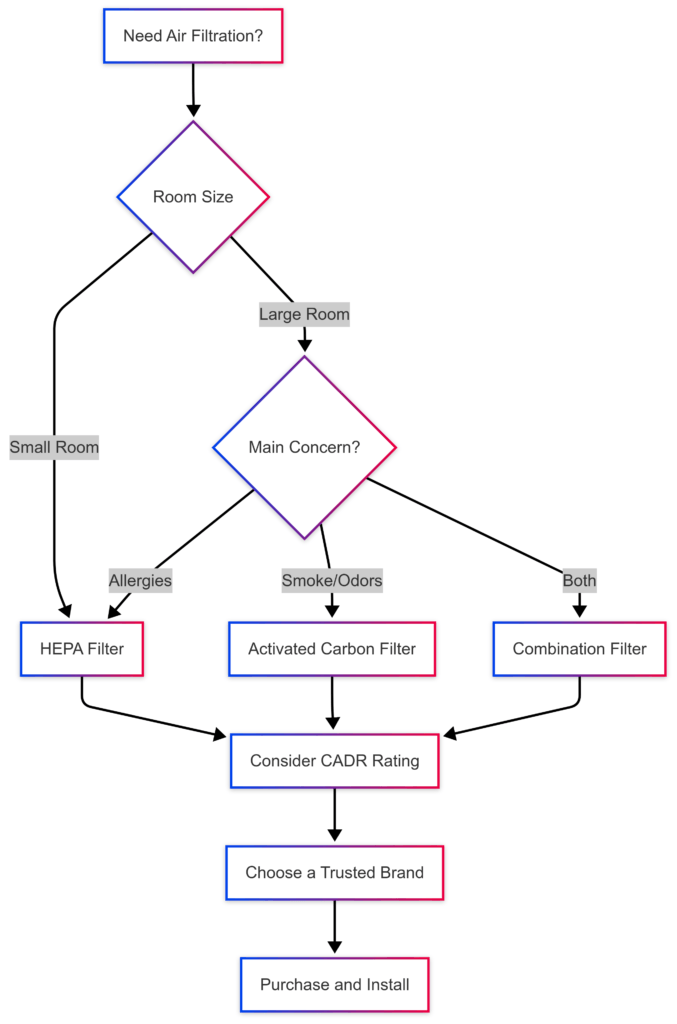
When you pick out a model, think about the size of the rooms you want to purify and be sure to choose something that matches the space. Bigger isn’t always better if you’re just trying to treat a bedroom or home office. For more details or a breakdown of different models, Field Controls’ website at fieldcontrols.com is a good resource. Plus, several independent sites also review and compare brands, which can help you make a well-informed choice. It also helps to read customer feedback before purchasing, giving you real-world insights into how efficient or user-friendly each model really is in daily use.
Key Benefits of Smart Air Purifiers Beyond Clean Air
It’s tempting to see air purifiers as one-trick gadgets, but smart models are loaded with cool features that make them stand out in today’s eco-focused homes:
- On-Demand Operation: Smart sensors activate the purifier only when indoor air gets polluted, saving energy and keeping everything efficient.
- Smart Scheduling and Automation: You can program operation times to avoid running the unit when the house is empty. That’s helpful for both your power bill and the planet.
- Data Tracking and Insights: Get notifications on air quality, filter changes, or energy consumption so you always know how your device is performing. Some models even provide tips for further saving energy or suggest optimal times to run your purifier based on outdoor conditions.
- Seamless Integration: Many smart purifiers work with home automation systems like Alexa or Google Home, making it super easy to keep control without lifting a finger.
I’ve found that these features make a noticeable difference both in convenience and peace of mind. When you go with a Field Controls system, you get extra reliability and proven performance, thanks to their long history in the industry. In addition, many of their units are designed to adapt well to changes in lifestyle, such as new people or pets moving in, or renovations that might throw off your usual air quality balance.
What to Consider Before Buying a Smart Air Purifier
If you’re thinking about making the switch or adding a new smart purifier to your home, a little planning will help you get the most out of your investment. Here are some things to keep an eye on during your search:
- Room Size: Each purifier is rated for specific square footage. Running a too-small unit in a big room isn’t as effective and may burn more energy trying to keep up. Field Controls offers several options tailored for different spaces.
- Filter Type and Replacement Frequency: Some units use specialized filters to target allergens or odors, while others focus mainly on dust and particulate removal. Double-check maintenance costs so you’re not surprised down the line.
- Smart Features: Think about what matters most. Are you more into remote control, scheduling, or real-time monitoring? Devices from Field Controls pack in a lot of these features, so you can find a model that fits your lifestyle.
- Eco Credentials: If reducing your carbon footprint is top priority, compare energy consumption rates and look for certifications whenever possible.
Field Controls also has a solid support system, which is handy if you have questions about installation, filter changes, or connectivity. This is a big plus if you’re trying a smart purifier for the first time. Additionally, their customer care often provides tips for eco-friendly living and optimal air quality settings for different seasons or household habits.
Smart Filter Replacement
One of my favorite features in newer models is smart filter replacement alerts. The purifier will let you know when it’s time to swap out filters, so you’re never guessing or running your unit inefficiently. Keeping filters fresh means better performance and less wasted energy—a win-win. Plus, this maintenance helps keep the device running at its best for longer—no more forgetting and later realizing the filter hasn’t been changed in months, which could hurt both efficiency and air quality.
Energy Consumption and Cost
Smart purifiers may cost a bit more up front, but they usually pay off with energy savings over time. Field Controls’ units are known for keeping running costs low, making them a practical choice if you care about both indoor air and your electric bill. Over the lifespan of your purifier, even modest energy savings stack up, supporting a more budget-friendly and sustainable lifestyle.
Sustainable Materials and Manufacturing
It’s also worth paying attention to brands that use recycled materials and earth-friendly packaging. Field Controls makes a point of prioritizing sustainability in manufacturing, which gives extra peace of mind for anyone focused on green living. Not only does this approach protect indoor air, but it also cuts back on waste associated with old filters, boxes, and components. When a company is open about their material sourcing and environmental policies, it’s an encouraging sign they’re serious about sustainability beyond just the sales pitch.
Top Questions About Smart Air Purifiers and the Environment
Question: How do smart air purifiers actually help reduce energy use compared to eco-friendly models?
Answer: By using advanced sensors and automated controls, smart purifiers run less often and only when the air really needs cleaning. Field Controls’ models, for example, don’t waste energy running around the clock since they sense the environment and react in real-time.
Question: What types of filters are best for long-life home use?
Answer: HEPA and activated carbon are good bets for most households. Long-life filters mean fewer replacements. Field Controls’ purifiers often come with extended-life filters, which can help cut down on waste and support a greener lifestyle.
Question: Are all smart purifiers worth the higher price?
Answer: You usually get extra perks like lower running costs, better air quality, and less wasted energy. If you care about dependable performance and a trustworthy brand, Field Controls offers a lineup that’s worth the investment. Eco-friendly,Plus, this maintenance helps keep the device running at its best for longer—no more forgetting and later realizing the filter hasn’t been changed in months, which could hurt both efficiency and air quality. The initial cost over the years.
Getting Started with a Greener Home
Smart air purifiers offer a practical way to take your home’s indoor environment up a notch while keeping energy waste to a minimum. Real-time monitoring, automatic controls, and smart integration features do more than just keep you healthy—they also make it easier to live lightly on the earth. If you’re planning to start your eco-friendly, adventure or want to take steps toward greener living, Field Controls delivers reliable, energy-conscious technology that fits with modern lifestyles. You can find more info and shop their range directly at fieldcontrols.com. Taking this kind of step can help turn everyday tech into tools for a healthier planet. You can start making a difference right from your living room and see both your health and the environment benefit in the long run.

Trio Plus 5 Stage UVC Air Purifier