Sleep is something I always value, but getting a solid night’s rest doesn’t happen easily for everyone. If you’re someone who struggles with restless nights, environmental factors in your bedroom might be working against you. Air purifiers, which have been grabbing attention in wellness circles for years, are being touted as a pretty handy way to give a boost to sleep quality. So, I’m here to walk you through how air purifiers can impact your sleep, what you need to know before picking one, plus tips for getting the most out of this simple device.
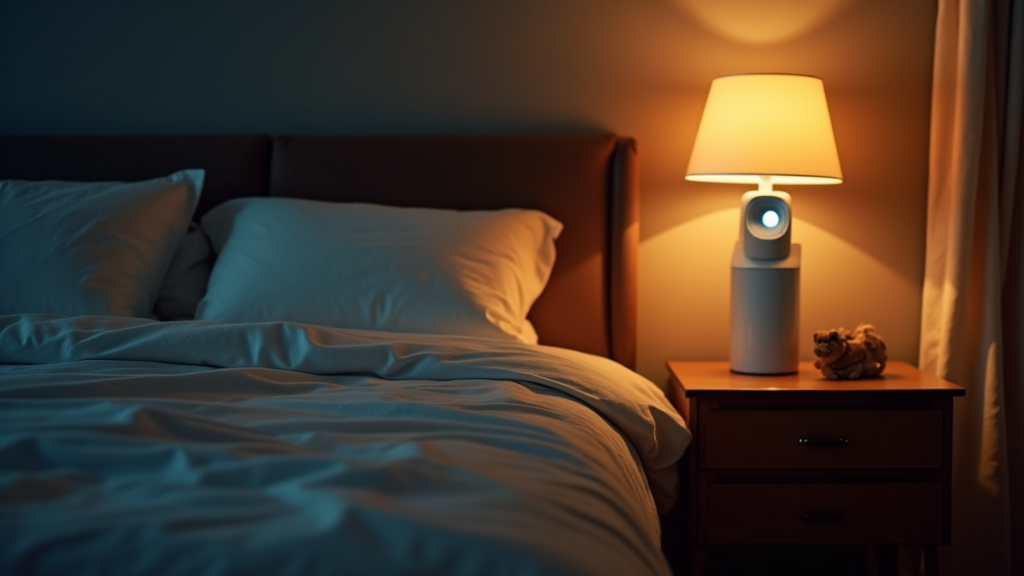
Why Clean Air Matters for Sleep
I’ve noticed I always sleep better when the air feels fresh, and there’s pretty strong science behind that feeling. Poor air quality can cause issues like sneezing, snoring, congestion, and even headaches that wake you up in the night. Things like dust, pollen, pet dander, and mold spores floating around in your bedroom can seriously mess with how deeply you sleep and how refreshed you feel in the morning.
According to research from the American Academy of Sleep Medicine, breathing clean air at night actually helps keep your airways open, reduces allergies and other triggers, and can even bring down nighttime asthma attacks. When your room is free of irritants, your body goes into deep sleep for longer periods. That’s when all that physical and mental recovery happens.
Examples of indoor air pollutants that may affect your sleep:
- Pet hair and dander: These can build up fast, especially if you have pets that love cuddling in bed.
- Dust mites: Tiny, invisible critters that thrive in bedding and soft furniture, known to aggravate allergies.
- Mold spores: Humidity and dampness help mold grow, which can trigger stuffy noses and coughing.
- Outdoor pollution: Even if you keep windows closed, pollutants and pollen can drift in.
If you wake up feeling groggy, stuffy, or with a sore throat, bad bedroom air quality could be one of the culprits.
How Air Purifiers Work (And Why That’s Good for Sleep)
Air purifiers pull air through different kinds of filters to trap particles before sending cleaner air back out. Most bedroom-friendly air purifiers use HEPA filters, which snag up to 99.97% of particles down to 0.3 microns—think dust, pollen, and even smoke. Some also include activated carbon filters to tackle odors and gases from cooking, paint, or cleaning supplies.
The main ways air purifiers help you get better sleep include:
- Reducing allergens: Fewer allergens mean less itching, sneezing, and watery eyes when you’re trying to drift off.
- Lowering respiratory irritation: Clean air supports deep, restful breaths all night.
- Cutting down on nighttime asthma symptoms: People with asthma or breathing disorders can benefit a ton thanks to fewer triggers in the air.
- Eliminating odors: Bedrooms stay fresher, which helps some people fall asleep more easily.
One study in the journal Sleep Health found participants slept noticeably better with an air purifier running nearby, reporting a smoother bedtime routine and fewer nighttime wakeups. It’s not magic, but it could make a pretty big difference for sensitive sleepers.
Besides the physical benefits, the soothing hum of a quiet machine can even double as white noise for some people, blocking out other distracting sounds and helping you relax. The combination of freshly filtered air and a calming environment can work together for a deeper, more restorative night’s sleep.
Choosing an Air Purifier for Your Bedroom
If you’re thinking about adding an air purifier to your bedroom, there are a few key things I pay attention to (and recommend to others):
- Filter type: Look for a true HEPA filter—it’s the gold standard for catching fine particles. Bonus points if it includes an activated carbon filter for odors.
- Room size coverage: Match the purifier’s rated area to the size of your room for the best results. Oversized models don’t hurt, but undersized ones can’t keep up.
- Noise level: Since this is running at night, check the decibel rating on “sleep mode” or the lowest setting. Anything under 30 dB is super quiet, like a soft fan.
- Maintenance: Washable prefilters are a plus, and be sure the filters are easy to access and replace. The cleaner you keep the machine, the better your results.
- Smart features: Options like timers, air quality sensors, and app connectivity make things more convenient but aren’t strictly necessary.
For sleepers who are sensitive to white noise or hate the hum of a fan, check user reviews about actual nighttime volume. Some models are way quieter than others, so it helps to read people’s firsthand experiences.
Changing your home filters is as easy as 1-2-3. FiltersFast.com Home Filter Club is a subscription service that protects your family’s health and your investment with filter deliveries for the products you need, on the schedule you need them. Check it off your to-do list today! Click here to sign up.Common Sleep Issues Linked with Air Quality
I’ve met plenty of folks who don’t realize their sleep problems are tied to what’s floating around in the air. Here’s how poor air quality connects to some of the most common sleep issues:
- Snoring and Sleep Apnea: Congestion from dust and allergens can block your airways, leading to louder snoring and more frequent awakenings.
- Allergic Reactions: Red, itchy eyes and scratchy throats often come from nighttime exposure to allergens. Air purifiers help by catching particles before you inhale them.
- Asthma Flare-Ups,: Triggers like pet hair and mold can set off asthma attacks overnight. Filtering them out creates a safer environment for sensitive lungs.
- Restlessness: Any irritation—itching, sneezing, or breathing discomfort—breaks up deep sleep, making you feel less rested even after a full night in bed.
Addressing these underlying causes can really change what your nights look and feel like. If you’re feeling tired without explanation, try monitoring your sleep after a week of using an air purifier to notice any improvements in your rest and alertness during the day.
Tips for Getting the Best Night’s Sleep with an Air Purifier
Just tossing an air purifier into your room won’t guarantee instant results. Here are some tips I’ve learned (sometimes the hard way!) that help maximize the benefits:
- Keep doors and windows closed while the purifier runs. This keeps outside allergens and pollutants from drifting in and helps the purifier keep up.
- Place the purifier near your bed if possible. Having it closer means you breathe the cleanest air all night.
- Run it for at least an hour before you turn in. Give the room a head start on cleaning up before your bedtime.
- Stick to a cleaning schedule. Dirty filters can’t do their job. Most need to be replaced every 6-12 months, depending on use, but check the manufacturer’s info.
- Keep other surfaces clean. Dust and vacuum regularly so you’re not constantly adding to the purifier’s workload.
Treat the purifier like one part of your overall sleep setup. Pair it with good bedding, comfortable room temperatures, and minimal light for maximum results. You might also try using blackout curtains and sound machines if your environment needs extra tweaks for a better night’s rest.
Things to Consider Before Buying an Air Purifier
There are a few things I always like to flag before friends or readers buy an air purifier for their sleep needs:
- Energy use: Most bedside units don’t use much electricity, but check efficiency ratings if you plan to run them all night, every night.
- Initial cost and Double-checking expenses: Filters are the main ongoing cost, so choose a model with affordable and available replacements—you’ll definitely need them!
- Ozone emission: Skip units that use ozone generators or ionizers, which can cause lung irritation and are not recommended by the EPA for use in bedrooms.
- Room arrangement: Make sure the model you choose physically fits near your bed or wherever you want cleaner air.
Double-checking these points ahead of time helps you avoid any unpleasant surprises down the road. If you share your bedroom, talk with your partner about sensitivity to sound and where to place the device so it doesn’t interrupt anyone’s sleep.
Real-Life Experiences: How Air Purifiers Changed My Sleep
When I first started using an air purifier, I noticed my mornings felt clearer. No groggy feeling, no stuffy nose, and my partner snored less. I’ve chatted with families who swear their kids now wake up without allergy symptoms, and friends with pets who say their bedrooms finally smell fresh again.
You’ll see the most dramatic improvement if you deal with allergies, asthma, or just live in a dusty home or a city with high pollution. But even in mild cases, many people say it’s easier to fall asleep and stay asleep with cleaner air. Everyone’s experience is different, but almost anyone can benefit from breathing cleaner air through the night. Over time, these small gains in sleep quality can add up to major boosts in overall well-being and energy during the day.
Frequently Asked Questions
People usually have a lot of questions when they’re thinking about adding an air purifier to their sleep setup. Here are some of the most common ones I hear:
Question: Is it safe to run an air purifier all night?
Answer: Absolutely. For HEPA-only or carbon filter units, running them nonstop is totally fine and often recommended. Avoid models with ozone generation settings in the bedroom, though.
Question: Can air purifiers help with pet allergies during sleep?
Answer: Yes, catching pet dander and hair before it hits your airways can make a surprising difference for sensitive sleepers. Just remember to wash bedding and vacuum often, too.
Question: Should I get a larger air purifier for bigger sleep benefits?
Answer: It’s better to match the size of the purifier to your room’s square footage instead of just buying the biggest one you can find. Most have a “room size” rating to make choosing easier.
Key Takeaways About Air Purifiers and Sleep
Breathing clean air at night goes a long way toward waking up truly refreshed. Air purifiers help fight off allergy and asthma triggers, keep your sleep space fresher, and even reduce everyday stuffiness that messes with deep sleep. Picking the right model and taking a few extra steps with maintenance can set you up for better nights and brighter days. If sleep quality matters to you, an air purifier is definitely worth checking out for your bedroom setup.
