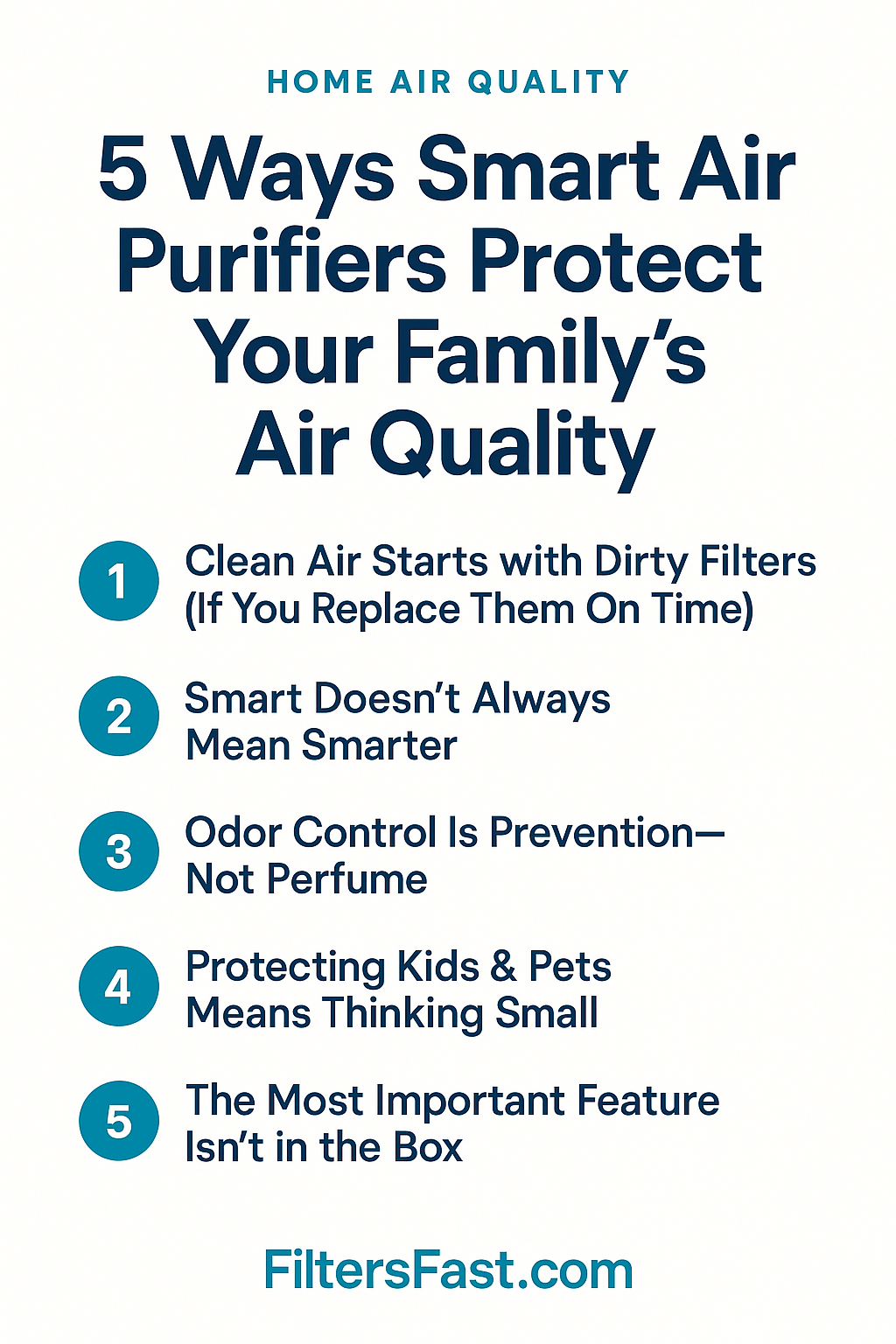
Most people think a smart air purifier is just a quieter, more efficient way to clean indoor air. That’s true—but it’s not the whole story. The real value of a smart purifier isn’t just what it removes from the air. It’s what it reveals.
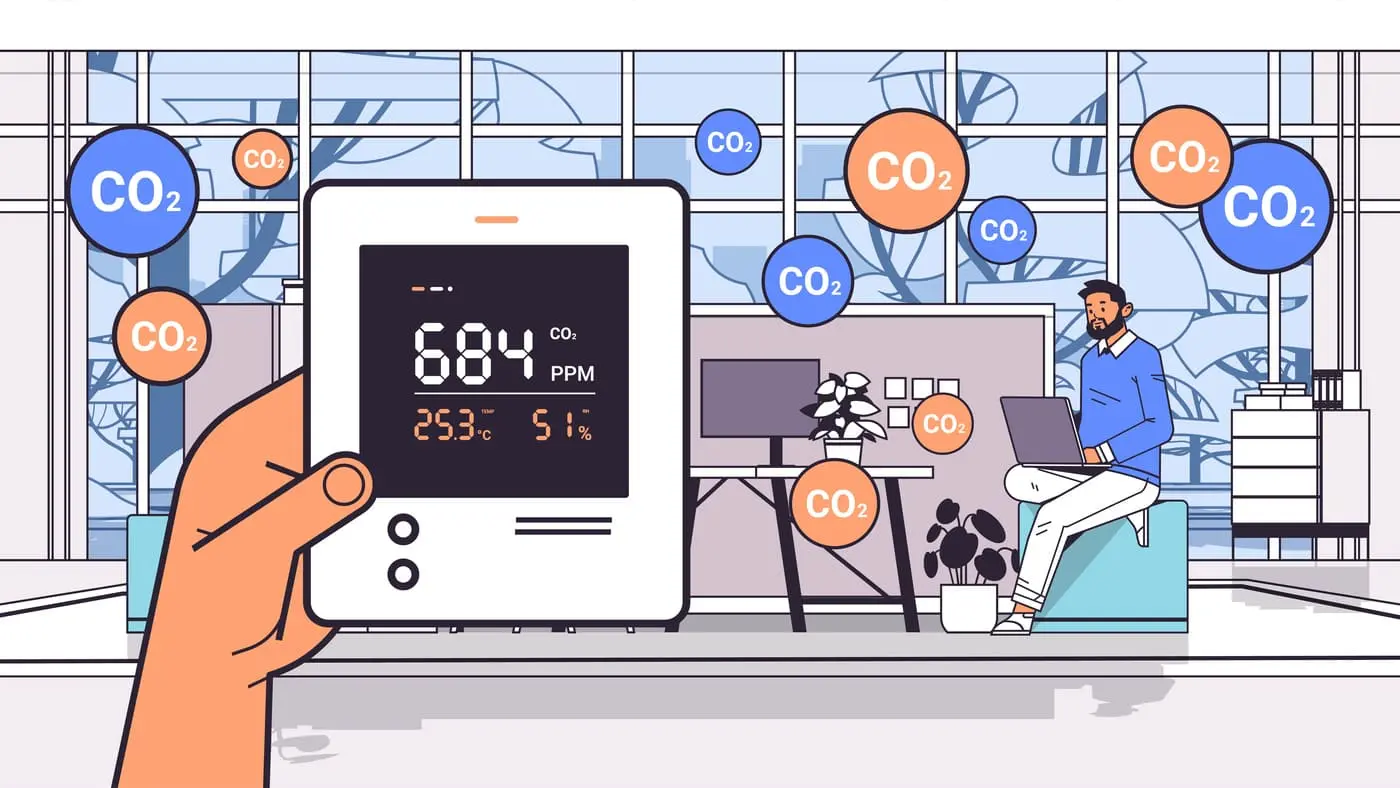
Once you live with a smart purifier for a few weeks, something unexpected happens. You stop guessing about your indoor air quality. You see it. And that single shift changes how you think about your home, your health, and even your daily habits.
If you don’t own a smart purifier yet, you’re missing out on this hidden benefit: real-time awareness that turns invisible air problems into visible, solvable ones.
Let’s break down why that matters—and why it’s becoming essential for modern homes.
The Invisible Problem Inside Most Homes
Indoor air can be far more polluted than outdoor air. Cooking, cleaning products, pets, dust, pollen, wildfire smoke, and even everyday human activity all contribute to microscopic particles floating around your living space.
According to guidance from the United States Environmental Protection Agency, indoor air pollution can sometimes be two to five times worse than outdoor air, especially in tightly sealed homes designed for energy efficiency.
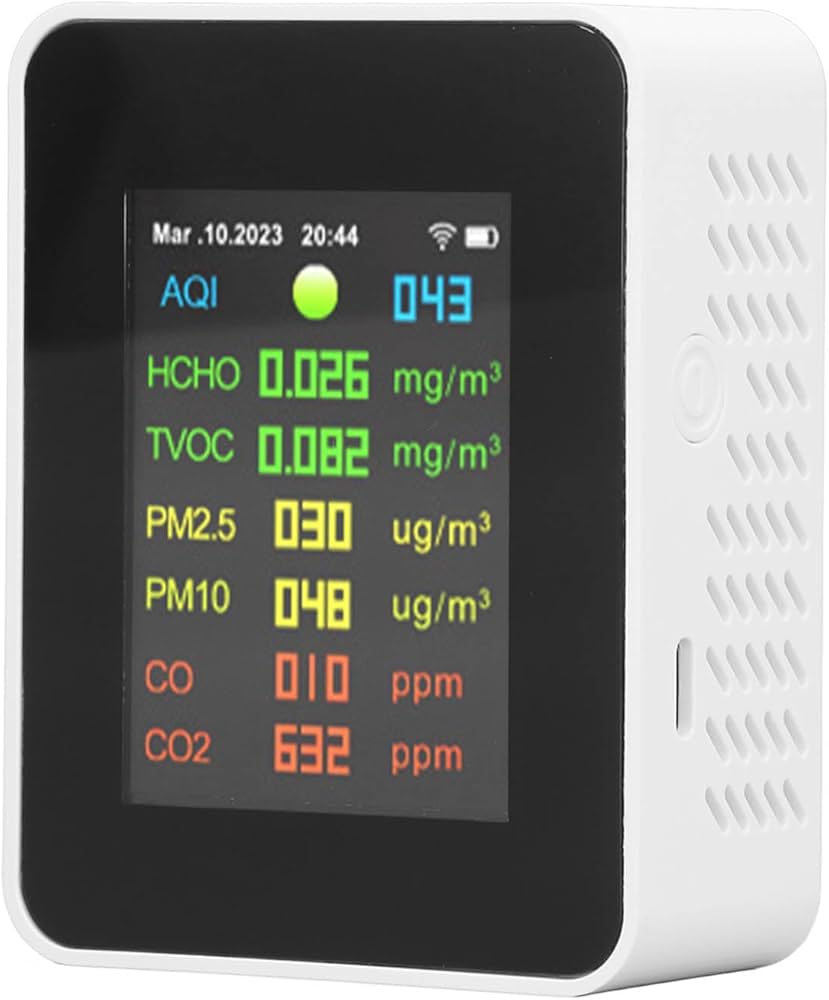
The problem isn’t that people don’t care. It’s that most pollutants are invisible. You can’t smell PM2.5 particles. You can’t see VOC spikes after cleaning. You don’t feel rising CO₂ levels until concentration and comfort drop.
Traditional air purifiers quietly run in the background, offering no feedback. Smart purifiers change that completely.
The Hidden Benefit: Air Awareness That Changes Behavior
A smart purifier doesn’t just clean the air. It teaches you what’s happening in your home.
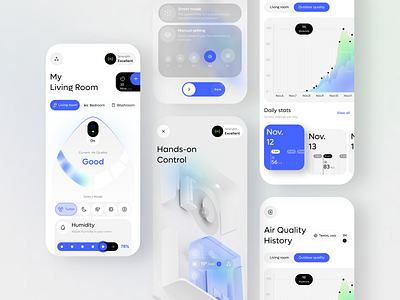
The moment you see real-time air quality readings, patterns emerge.
You notice spikes when you cook.
You see levels rise when windows are closed all day.
You recognize how outdoor pollen or smoke affects your indoor space.
This awareness leads to smarter decisions—often without effort.
Instead of running a purifier constantly, it ramps up only when needed. Instead of guessing whether air quality is “fine,” you know exactly when to act. That feedback loop is the hidden benefit most people never talk about.
It’s the difference between reacting blindly and responding intelligently.
Why Smart Purifiers Feel Effortless
Smart purifiers remove friction. They work with your lifestyle instead of demanding attention.
Most modern models automatically adjust fan speed based on air quality sensors. Many connect to mobile apps that show historical trends, filter life, and live pollutant levels. Some integrate with smart home systems so air cleaning becomes part of your daily rhythm.
This means better air without micromanagement.
If you’re new to smart purifiers, start with our internal guide on how smart air purifiers actually work to understand the tech behind the experience.
Cleaner Air Isn’t Just About Allergies
Many people first consider a purifier for allergies. But the benefits extend much further.
Cleaner indoor air supports better sleep, improved focus, reduced headaches, and fewer respiratory irritations. Over time, people often report feeling less “stale air fatigue,” especially in home offices and bedrooms.
Smart purifiers help maintain consistency. They don’t wait until the air feels bad. They respond before discomfort sets in.
This proactive approach is one reason smart purifiers are becoming standard in health-conscious homes.
Why Filters Matter More Than You Think
The effectiveness of any purifier depends on the quality and consistency of its filters. Even the smartest purifier can’t perform well with a clogged or low-grade filter.
That’s where trusted filter suppliers come in.
Many homeowners rely on FiltersFast for reliable replacement filters that match manufacturer specs and maintain airflow efficiency. Others compare options at FiltersCollection to find compatible filters across multiple brands. For HVAC-integrated solutions, Field Controls offers advanced air quality components designed for whole-home systems.
Choosing the right filter source ensures your purifier’s “smart” features aren’t wasted by reduced performance.
Smart Purifiers vs. Traditional Models
Here’s where the difference becomes clear.
Traditional purifiers:
- Run at fixed speeds
- Offer no feedback
- Require manual adjustment
- Often waste energy
Smart purifiers:
- Respond to real-time air quality
- Optimize energy use
- Provide actionable data
- Adapt automatically
The result isn’t just cleaner air—it’s smarter living. Once you experience this difference, going back feels like flying blind.
The Long-Term Value Most Buyers Miss
Smart purifiers often cost more upfront. But over time, they tend to be more efficient.
They extend filter life by running only when needed.
They reduce energy waste.
They help prevent health-related disruptions.
More importantly, they empower homeowners with information. That knowledge compounds over time, leading to better indoor air decisions year after year.
If you’re evaluating options, our internal comparison of smart purifiers vs. standard HEPA units breaks down the real-world differences.
Why Now Is the Right Time
Indoor air quality awareness has never been higher. Wildfire smoke, seasonal allergens, and increased time spent indoors have made air health a priority rather than a luxury.
Smart purifiers meet this moment perfectly. They don’t just clean—they continuously inform, adapt, and protect.
And once you experience that hidden benefit—knowing instead of guessing—it’s hard to imagine living without it.
Final Thoughts,
If you don’t own a smart purifier yet, you’re not just missing cleaner air. You’re missing insight.
You’re missing the ability to see what’s happening in your home, respond automatically, and improve your environment without extra effort.
That awareness is the real upgrade.
Explore trusted filter solutions from FiltersFast, FiltersCollection, and Field Controls, and continue learning through our in-depth resources at BestSmartPurifiers.com. Clean air isn’t just about filtration anymore—it’s about understanding the space you live in.