Smart air purifiers can be a real game-changer if you’re dealing with seasonal allergies every year. Breathing gets tricky when pollen, dust, and other airborne irritants start floating around. As someone who’s tried loads of solutions for seasonal sniffles, I’ve found that smart air purifiers—especially when paired with some of the latest tech—can make a big difference in keeping the air in your home breathable. For anyone thinking about taking the leap, this guide will break down the basics, show how smart air purifiers help with allergies, share some setup tips, and walk through practical buying considerations. I’ve also included some advanced hacks, a few real-life use cases, and answers to common questions if you’re just starting out.
Why Do Seasonal Allergies Hit So Hard Indoors?
Allergy season doesn’t take a break when you step inside. Pollen and dust sneak in on your clothes, shoes, pets, and even through open windows. Those tiny particles get trapped inside, swirling through the air and making you feel stuffy.
Smart air purifiers are designed to filter out a range of allergy triggers from visible dust to microscopic pollen. They keep working around the clock and use sensors to adjust the cleaning level based on what’s happening inside your space. That’s where the smart part really shines.
According to the Centers for Disease Control and Prevention, indoor air quality has a big effect on respiratory health, especially during peak allergy months. That makes the case for using tech that helps keep the air fresher and less triggering.
What Sets Smart Air Purifiers Apart?
Traditional air purifiers work quietly in the background, but smart air purifiers are much more hands-off and flexible. Here are some cool features that make them worth considering if you deal with allergies:
- RealTime Air Quality Monitoring: Built-in sensors measure airborne particles, so the purifier knows when to ramp up its cleaning mode.
- App Connectivity: Control and schedule your air purifier from your phone even when you’re out. Some models connect to platforms like Alexa or Google Home for voice control.
- Automatic Adjustments: Many smart purifiers automatically boost their power when the air quality drops (say, on a windy day when pollen counts spike).
- Filter Tracking: The purifier sends updates when it’s time to swap out the filter, so you always get the best performance.
These features aren’t just neat; they actually help keep the air fresher during those pollen-filled months. For people who want to avoid fussing with settings or constant checkups, it’s a real plus.
Changing your home filters is as easy as 1-2-3. FiltersFast.com Home Filter Club is a subscription service that protects your family’s health and your investment with filter deliveries for the products you need, on the schedule you need them. Check it off your to-do list today! Click here to sign up.
Getting Started With Smart Air Purifiers for Allergy Relief
Buying a smart air purifier is a solid step, but getting the setup right can really give a boost to the benefits. Here’s a quick rundown to help you set yourself up for success:
- Pick the Room That Matters Most: Most people spend loads of time in the bedroom or living room. Place your purifier where you’re hanging out the most, especially where you sleep.
- Size Matters: Check the coverage area on the box. Make sure the purifier can handle your space, as bigger rooms need more power.
- Find the Right Spot: Put the purifier away from obstacles, furniture, or heavy drapes so air flows smoothly all around it.
- Connect to WiFi: Download the brand’s app and connect your purifier to WiFi. This unlocks mobile controls, notifications, and cool features like scheduling.
With a solid setup, your purifier works more efficiently, and you get the most out of that smart tech. If you have trouble with WiFi connections, try resetting your router or moving the purifier closer to your signal source. Don’t skip the app walkthroughs many brands provide these days, as they often highlight lesser-known features that can really add to your day-to-day ease of use. A few extra minutes on setup can pay you back big time in better air quality and less hassle.
Top Tips for Fighting Allergens With Smart Air Purifiers
- Use HEPA Filters: These are the gold standard for capturing pollen, pet dander, and dust mites. Most smart air purifiers come with HEPA filters, but always double-check.
- Run the Purifier 24/7 During Allergy Season: Continuous use keeps pollen levels low, especially if you live in a high-risk area.
- Keep Doors and Windows Closed: Prevent more allergens from drifting indoors.
- Regular Cleaning: Dust and vacuum weekly to help your purifier work better. (Allergy-friendly vacuums exist—worth checking out.)
- Swap Filters on Time: Don’t ignore those filter replacement alerts. A dirty filter just won’t do the job.
Stacking these habits together can seriously turn down the volume on allergy symptoms at home. You can also check your purifier’s app for maintenance reminders or set recurring calendar alerts if you want an added backup.
What to Think About Before Buying a Smart Air Purifier
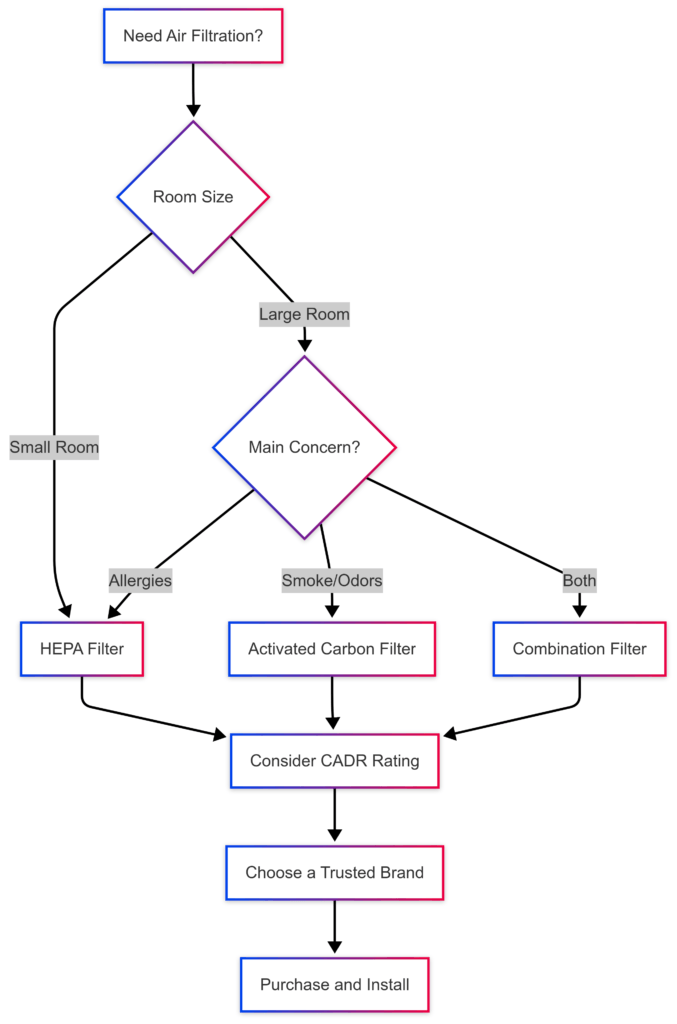
Jumping into smart air purifiers can feel overwhelming, especially given all the choices out there. Here are some points that helped me when I was deciding:
- Noise Level: Some purifiers are noisy on the highest setting, while others barely hum. If you’re putting one in your bedroom, look for quiet models.
- Filter Cost: Filters aren’t free, and they need regular replacing. Compare filter prices before choosing a brand.
- App Experience: Some apps are fantastic and easy to navigate. Others feel clunky or limited. Download the app and peek around before you buy, if possible.
- Aesthetics: If the purifier will be visible, make sure it fits your style. Some brands offer minimalist, modern designs that blend right in.
- CADR Rating: Higher Clean Air Delivery Rate (CADR) means faster air cleaning. Match it to the room size you’ll be using.
I pulled my purchase list together with help from FastFilters.com. They compare popular filter replacement options and smart purifier models; a pretty handy move before spending your cash. If you’re shopping in person, you can often ask in-store staff about current customer favorites and noise comparisons on display models.
Noise Level and Sleep
I’m a light sleeper, so loud air purifiers aren’t my thing. I found it really helpful to check the decibel rating and even read some user reviews about noise. Some smart air purifiers include sleep modes that turn the fan down at night while keeping filtering efficiency high. For deeper sleep, I’d recommend looking for models under 30 dB in quiet mode, which are about as loud as a whisper.
Filter Pricing Tricks
It’s easy to forget about filter costs until you need to swap one out. Most brands require a new HEPA filter every 6 to 12 months. Using FastFilters.com helped me spot compatible filters for much less than the big brand markups. Shopping deals in bulk or off-brand options can save you a surprising amount over time, especially during peak allergy seasons when your purifier runs nonstop.
Advanced Tricks For Outsmarting Allergies
If allergies get especially wild in your region, try these hacks to take your defense up a notch:
Set Schedules: Use your app to run high-power cleaning during peak pollen hours (early morning and evening), then switch to quieter modes later.
Trigger Purifier With Smart Sensors: If you have a smart home hub, link your purifier with air quality sensors or even a weather API. That way, it activates automatically on high-pollen days or when someone opens a window.
Automate With Voice Commands: Ask Alexa, Google, or Siri to adjust settings or give air quality reports aloud without picking up your phone.
Check Out Air Quality Trends: Most smart air purifiers offer air quality history. I use this to spot when allergy levels are at their worst and plan cleaning or closing windows accordingly.
These advanced options can save you time and help keep allergy triggers low without much work on your part. If you’re more tech-savvy, you could even integrate with IFTTT or smart home routines for custom automations, like flashing lights or sending phone alerts when air quality dips. A little tech creativity can make your home smarter and easier to manage during allergy season.
How Smart Air Purifiers Help Real People—Examples and Stories
- Pollen Season Prep: When tree pollen counts go up each spring, I set my purifier to run full power before I get home. I walk into a place that feels and smells way cleaner.
- Pet Dander Battles: My dog loves the couch, and I used to wake up with itchy eyes. Since putting a purifier in the living room, those symptoms are way down, even on crazy shedding days.
- Allergy-friendly Nurseries: Friends with young kids or infants have purifiers running in the nursery to help with sensitive airways. The monitor alerts are super useful for busy parents who can’t check every five minutes.
These real-world uses make it clear that a smart air purifier isn’t just a gadget; it’s a tool for making life more comfortable, especially when allergies flare up. I’ve also seen models help in home offices, basements, and city apartments where outside dust and pollution sneak in more often than you’d think.
Frequently Asked Questions
Here are a few quick answers to stuff I wish I knew when buying my first smart air purifier:
What filter type is best for allergies?
HEPA filters are great at capturing the most common allergens like pollen, dust, and pet hair. Some purifiers also add carbon filters for odors.
Does it use a lot of power if running all day?
Most smart purifiers are designed to be energy-efficient. Check the wattage, but for the peace of mind during allergy season, the extra cost on your bill is usually pretty minor. If you’re worried, some apps even show you real-time energy use so you can keep tabs on usage.
Can I use a smart air purifier with other smart home devices?
Yep! Tons of models let you connect through smart assistants or automation platforms. This is really useful for keeping things on autopilot, and you can even link up with thermostats or humidifiers for a more complete setup.
How do I know when to change the filter?
The app typically sends you a reminder, and some purifiers even track filter life based on actual use rather than just time. You can also check most filters visually—if it’s turning gray or brown, swap it out sooner.
Why a Good Smart Air Purifier Is Worth It for Allergy Fighters
Living with allergies isn’t just about popping meds or closing the windows; it’s about setting up your space to keep triggers under control. Smart air purifiers take a lot of the work off your plate while helping to keep pollen, dust, and pet dander at bay. They’re flexible, easy to automate, and blend nicely with other tech you might already have at home. If you’re tired of feeling groggy or stuffed up every allergy season, investing in the right purifier and sticking to some of these tips can make your indoor air way more comfortable. If you want the best bang for your buck, check compatible filters and options at FastFilters.com so you don’t overpay down the road. Breathing a little easier at home? That’s always worth the effort in my book. Whatever model or setup you choose, the key is sticking to a consistent routine; you’ll likely notice real improvements by the time the next allergy season rolls around. Here’s to clearer air and feeling good indoors, all year long!
