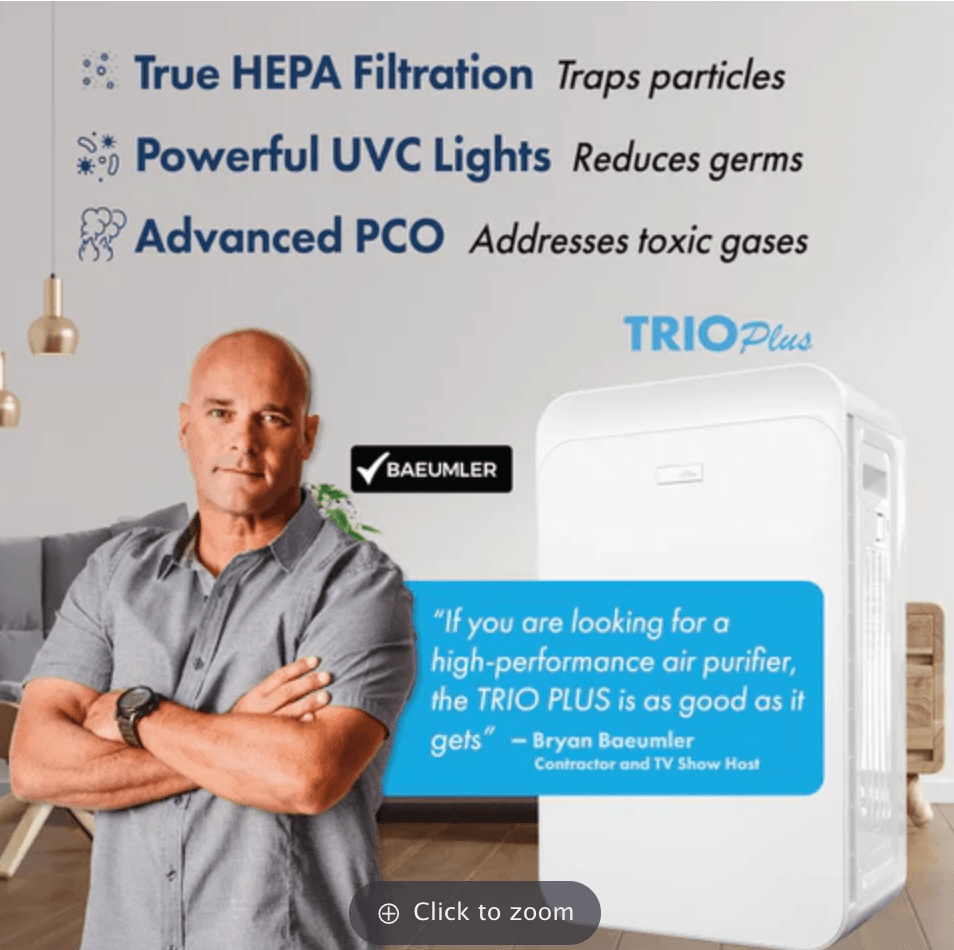
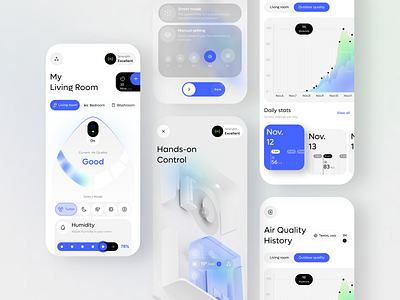
Smart air purifiers are no longer just “fans with filters.” The best ones behave like quiet, invisible home assistants: they sense what’s in your air, respond automatically, and can even integrate with your routines—so clean air happens in the background while you live your life.
Disclosure: This article contains affiliate links. If you buy through them, I may earn a commission at no extra cost to you. I only recommend options that make sense for real homes and real budgets.
What makes an air purifier “smart”?
A smart air purifier combines real-time sensors (usually PM2.5 and sometimes VOC/CO2 proxies) with automatic fan control, filter-life tracking, and app/voice / smart-home automation. The goal is simple: cleaner air with less thinking. If you want results, prioritize proper sizing (CADR) and true filtration (HEPA + carbon) before you get excited about app features.
Start here: The 60-second buying rule (so you don’t waste money)
If you only remember one thing from this guide, make it this: performance comes from clean-air output, not marketing words. Your short list should pass these checkpoints:
- Right size: Choose using CADR (or published airflow/ACH claims you can verify).
- True filtration: “True HEPA” (or HEPA-grade) + a real carbon stage for odors/VOCs.
- Sensors that match your problem: PM2.5 for dust/smoke; carbon for odors; be cautious with “VOC scores.”
- Automation that fits your home: schedules, quiet night mode, and smart triggers (AQI/PM) matter most.
- Maintenance you’ll actually do: affordable replacement filters + reminders.
Portable vs whole-house: which type fits your home?
Most people buy the wrong type first. A portable purifier is targeted and flexible. A whole-house system is “set-and-forget” coverage—especially if you already have forced-air HVAC. Use this table to decide fast.
| Feature | Portable Smart Air Purifier | Whole-House / In-Duct System |
|---|---|---|
| Best for | Bedrooms, nurseries, home offices, smoke seasons, renters | Strong when paired with controls/thermostat logic; less “room-specific.” |
| Coverage | One room (or open area) at a time | Multiple rooms through ductwork |
| Automation | Strong (auto mode, schedules, app triggers, voice control) | Strong when paired with controls/thermostat logic; less “room-specific” |
| Noise control | Easy to manage per room (night modes) | Depends on blower settings and system design |
| Maintenance | Filter replacements per unit | Centralized filter/media maintenance (varies by system) |
| Ideal strategy | Target your “most-breathed” rooms first | Combine baseline whole-house filtration + a portable unit where needed |
Two smart setups that work in real life
Setup A (most common): One properly sized portable purifier in each high-priority room (sleep + work). This gives you the biggest comfort upgrade the fastest.
Set up B (best “background clean air”): Whole-house filtration for baseline coverage + one quiet portable unit for the bedroom. This reduces spikes without turning your home into a noisy wind tunnel.
Recommended places to shop for filters and whole-home options
FiltersFast is a practical choice when you want replacement filters on time (especially if you’re managing multiple purifiers in different rooms).
Field Controls is worth a look if you’re exploring whole-house and in-duct air treatment options for forced-air homes.
CADR sizing: the “boring” number that decides if you’ll love your purifier
CADR (Clean Air Delivery Rate) is the most useful performance metric for typical homes because it indicates how much clean air a purifier can deliver for common particles (like smoke, dust, and pollen). If the purifier is undersized, it won’t matter how smart the app is—you’ll still feel like nothing changed.
Simple sizing method (room-based)
Step 1: Calculate room volume: length × width × height (feet).
Step 2: Pick your target air changes per hour (ACH). For most homes, many people aim for a practical range of ~4–6 ACH in priority rooms during allergy/smoke seasons.
Step 3: Convert ACH to CADR (CFM) using this rule of thumb:
CADR (CFM) ≈ (Room Volume × Target ACH) ÷ 60
Example: A 12×14 bedroom with 8-ft ceilings is 1,344 ft³. At 5 ACH: CADR ≈ (1,344 × 5) ÷ 60 = 112 CFM. That gives you a concrete minimum to shop for.
Pro tip: the “quiet power” advantage
If you buy a purifier that barely meets your minimum requirements, you’ll often need to run it at full volume to see results. If you buy one with headroom, you can run it at a lower setting more often—meaning better real-world cleanliness with less noise.
Filtration types explained (without the fluff)
Smart features manage the experience. Filtration determines the outcome. Here’s what matters most.