Improving the air quality in your home can be a rewarding investment, especially when you have several rooms to cover. Setting up a multi-room air purification system may seem complicated, but breaking it down into clear steps can make the process smoother and more effective. This guide will walk you through everything you need to know to design and install a system that helps keep the air in your home clean and healthy.
Whether you are concerned about allergens, pollutants, or simply want a fresher atmosphere throughout your living spaces, a well-planned air purification setup can change the way you feel in your home. Even if you are new to this, clear directions and thoughtful planning can transform your living environment into a safe haven for you and your family.
Step 1: Assess Your Space and Air Quality Needs
Before purchasing any air purifiers, begin by evaluating the different areas in your home. Not all spaces are created equal. Smaller rooms might require compact devices, while larger rooms or areas with high traffic may need a more robust solution. Taking the time to check out each space carefully will ensure that you select devices that truly match your needs.
Questions to Consider:
- Which rooms have the poorest air quality?
- Do any areas have specific issues like pet dander or excessive dust?
- How large is each room in terms of square footage?
- Are there any rooms with poor ventilation?
Example Goals for Your Setup:
- Cover every major living area with effective purification.
- Target high-use rooms to improve overall air circulation.
- Achieve balanced air quality between rooms.
- Create a plan that works with your home’s layout and daily routine.
Having a clear picture of your home’s air quality needs allows you to choose the right products and plan the layout effectively.
Step 2: Select the Right Air Purifiers for Each Space
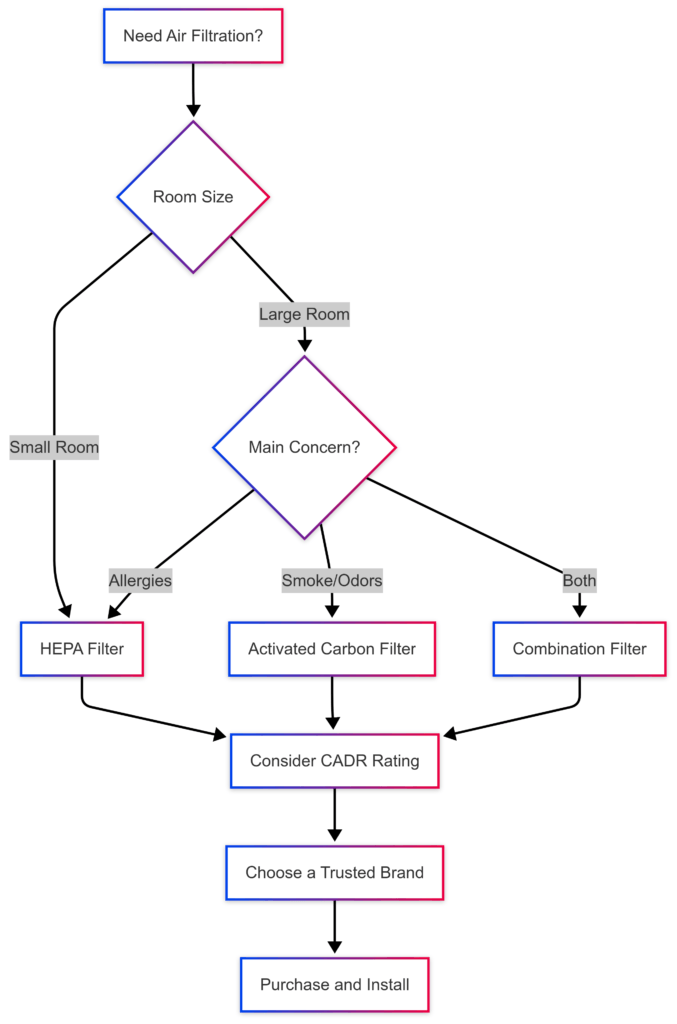
Your choices depend largely on the size of the room and the specific pollutants present. Various units offer different features such as HEPA filters, activated carbon filters, or even UV sterilization. Understanding the technology behind each purifier is key to making an informed purchase.
Factors to Consider When Choosing a Device:
- Coverage area and CADR (Clean Air Delivery Rate).
- Filter type and replacement schedule.
- Noise level, especially if the purifier will be in a living or sleeping space.
- Energy consumption and operational costs.
- Smart features or integration with a central control system.
Tips for Matching Purifiers to Rooms:
- For large rooms, look for units that specifically mention high coverage and efficient filtration.
- For smaller spaces or bedrooms, consider quieter models that operate efficiently without disturbing sleep.
- If pets are present, purifiers with HEPA filters are particularly effective at trapping hair and dander.
Investing time to select the right device for each area can give a boost to the overall performance of your multi-room system.

Free replacement filter and lamp with purchase of Trio Plus
Step 3: Plan the Optimal Placement of Your Devices
Even the best air purifiers won’t perform well if they are placed in the wrong spot. Strategic placement of your units gives a boost to circulation and ensures that each room receives clean air.
Considerations for Device Placement:
- Place purifiers in high-traffic areas or near pollutant sources like kitchens or entryways.
- Avoid enclosing the unit with furniture or obstacles that could block airflow.
- Keep the devices away from walls or corners to allow proper air intake and output.
- If you have multiple devices, arrange them so that they do not interfere with one another.
Example Layout Strategies:
- Main Living Area: Position a purifier centrally to serve the room effectively.
- Bedrooms: Set units away from the bed to minimize noise and allow optimum air circulation.
- Kitchen and Dining Areas: Use additional purifiers to catch odors and airborne particles produced during cooking.
A thoughtful layout ensures your devices work together seamlessly, maximizing the air cleaning efficiency throughout your home.
Step 4: Integrate a Central Control System
Managing several air purifiers across multiple rooms can sometimes be overwhelming. A solution is to integrate the devices into a central control system, especially if they have smart capabilities. This approach allows you to control all units from a single interface.
Advantages of a Centralized System:
- Simpler monitoring and management of air quality throughout the home.
- The ability to adjust settings, set schedules, and receive notifications from a unified app.
- Integration with other smart home devices increases overall efficiency.
How to Set Up a Central Hub:
- Choose devices that are compatible with popular home automation platforms.
- Ensure your home Wi-Fi network is reliable to support connected devices.
- Follow the manufacturer’s instructions for linking each device to the central system.
Creating this unified system reduces the hassle of individually adjusting settings and guarantees that every room’s air quality is consistently monitored.
Step 5: Optimize Your Setup for Peak Performance
Optimizing your setup is about fine-tuning both the equipment and your home environment. Simple adjustments can make a big difference in overall airflow and the effectiveness of your purification system.
Tips for Fine-Tuning Your System:
- Keep filters clean and replace them as recommended. Dirty filters reduce efficiency.
- Supplement your purifiers with additional measures such as vent fans in areas with stagnant air.
- Regularly ensure that units are not obstructed by furniture or other items that might block air intake.
- Monitor performance through your central control system and adjust settings when necessary.
Small improvements, when added up over time, can lead to dramatic boosts in indoor air quality, making your environment healthier and more comfortable.

Powerful HEPA Air Purifier Removes 99.9% of airborne pollutants for cleaner, healthier air.
Buy NowStep 6: Maintain and Monitor Your Air Purification System
Regular maintenance is vital to the longevity and performance of your air purification system. Taking care of the units not only ensures they work efficiently but also helps avoid unexpected downtime.
Maintenance Practices to Keep in Mind:
- Filter Replacement: Follow the manufacturer’s guidelines and replace filters when they are clogged.
- Cleaning the Units: Regularly wipe down the exterior and ensure that the air outlets remain free of dust.
- Software Updates: For smart devices, make sure the firmware is current to benefit from performance upgrades and security improvements.
- Status Checks: Periodically run diagnostics using your central system to confirm that all units are functioning properly.
Keeping up with maintenance not only extends the life of your devices but also ensures that your multi-room air purification system always performs at its best.
Step 7: Troubleshoot and Adapt Your System
No system is flawless, and issues can arise no matter how carefully you plan. The key is to be prepared to troubleshoot problems and tweak your setup as your daily routines or external conditions change.
Common Concerns and Solutions:
What if a device isn’t performing efficiently?
Begin by checking the filters and then inspect for any blockages around the air intake or output. Sometimes, a simple cleaning can restore efficiency.
How do I adjust for varying room conditions?
Not every room faces the same air quality challenges. Consider using portable monitors to measure air quality levels and then adjust the settings on your devices accordingly. It might help to set different operation modes for each area based on time of day and usage patterns.
What should I do if devices stop connecting to the central system?
- Restart the affected purifier and your network router.
- Ensure the firmware on both the device and control hub is up to date.
- If issues persist, consult the user manual or contact customer support for further guidance.
By staying proactive with troubleshooting and adjustments, you can make sure that your system remains effective even when conditions change or unexpected challenges arise.
Final Thoughts and Action Plan
Implementing a multi-room air purification system might feel like a large project at first, but breaking it down into manageable steps makes it achievable. Start by assessing your home’s needs, choosing devices that match those needs, and designing a layout that promotes proper airflow. Integration into a central control system adds a layer of convenience that makes managing the system much easier day to day.
Even after your setup is complete, routine maintenance and periodic adjustments keep everything running smoothly. Developing a schedule for filter changes, cleaning, and performance checks secures long-term benefits and ensures that your home’s air stays clean. While it might take some experimenting to find the perfect configuration, each adjustment brings you closer to optimal indoor air quality.
Your Action Plan:
- Survey your home to identify where air quality is most compromised.
- Select air purifiers that align with the size and needs of each room.
- Design a layout that encourages proper air circulation, keeping obstructions to a minimum.
- Integrate your devices with a smart system to simplify control and monitoring.
- Commit to regular maintenance including filter changes and cleaning routines.
- Monitor the system’s performance and be ready to troubleshoot any issues.
What adjustments will you make today to create a healthier home environment? Every change, big or small, can lead to lasting benefits. Enjoy the ride towards better air quality and revisit these steps as your needs evolve.
Extra Considerations for Sustained Success
Beyond the fundamental setup, there are extra steps you can take to ensure your air purification system continues to perform well over the long haul. It is very important to consider seasonal changes and fluctuations in indoor activities that may affect air quality. For example, during colder months when windows are closed, or during high allergy seasons, you might want to increase the frequency of filter checks and cleanings. These extra layers of care help maintain the system’s efficiency.
Additionally, think about future upgrades as technology advances. New models with enhanced features can sometimes be integrated into your existing setup with minimal fuss. This forward-thinking attitude will allow you to keep your home environment as fresh as possible. Taking the time now to map out a long-term maintenance schedule and budgeting for potential updates can really pay off in creating a consistently healthy indoor atmosphere.
Pay attention to feedback from your environment and adjust the system as needed. Whether you add sensors to monitor particulate matter or experiment with different placement strategies, these efforts are all part of making your air purification system adaptable and resilient over time. Every thoughtful adjustment contributes to building a safer and more comfortable home for you and everyone who shares your space.