During extended heat waves, poor air quality can become a serious health concern for everyone. Hot weather combined with pollution problems can make breathing difficult, especially for those with existing respiratory issues. In this article, I talk about different ways to clean up the air and keep your environment as fresh as possible during these challenging times.

Essential Strategies for Purifying Air During Heatwaves
Heat waves often worsen overall air quality by increasing the concentration of pollutants. The interaction between high temperatures and pollutants, such as ozone and fine dust, can lead to air that feels heavy and looks hazy. This situation calls for simple yet effective strategies to help purify the air around you. It is important to remember that maintaining clean air is a gradual process that benefits from consistent daily efforts. Small adjustments in your daily routines can have a big impact over time.
It is useful to know that methods to improve air quality are not limited to expensive filtration systems. Several practical steps, such as improving ventilation and using air purifiers smartly, can make a noticeable difference. In many cases, adopting a mix of natural and technological approaches can help you enjoy cleaner air even during the hot months. Moreover, taking a proactive stance in monitoring your indoor air can lead to better long-term health outcomes.
Counting on natural ventilation, the use of indoor plants, and energy-efficient air filtration devices can contribute to a healthier atmosphere indoors. Each method addresses specific challenges and provides benefits that add up to a better breathing environment. When you combine multiple methods, the results are even more significant, ensuring that pollutants are kept at bay while refreshing your immediate surroundings.
There are several additional considerations to keep in mind when developing your air purification plan. Regular maintenance of devices, timely replacement of filters, and monitoring pollutant levels are practices that can significantly improve overall performance. Spending time to understand how each element contributes to your indoor air quality can empower you to refine your strategies and optimize living conditions during extreme weather events.
Understanding the Air Quality Challenge in Heatwaves
Before getting into solutions, it is important to understand why air quality deteriorates during heat waves. When the temperature rises, chemical reactions in the atmosphere often accelerate, leading to the formation of ground-level ozone. This pollutant, along with other microscopic particles, can irritate the lungs, especially among sensitive groups. By familiarizing yourself with these processes, you can better appreciate the steps needed to keep indoor air pure.
Moreover, high temperatures can cause stagnant air conditions. Without a fresh supply of outdoor air, indoor contaminants can accumulate quickly. This process is further intensified in urban areas where pollution sources such as car exhausts and industrial emissions are common. Even inside homes and offices, the combination of heat and lack of airflow creates a perfect storm for poor air quality. Additional research and careful observation can help you identify patterns and improve ventilation strategies accordingly.
During these periods, air purification is not only about adjusting ventilation but also about minimizing indoor pollution. Household activities like cooking can add to the pollutant load, so each step taken to tone down these factors is very important. Taking action early helps reduce the build-up of contaminants, creating a safer indoor environment.
Practical Steps to Improve Indoor Air Quality
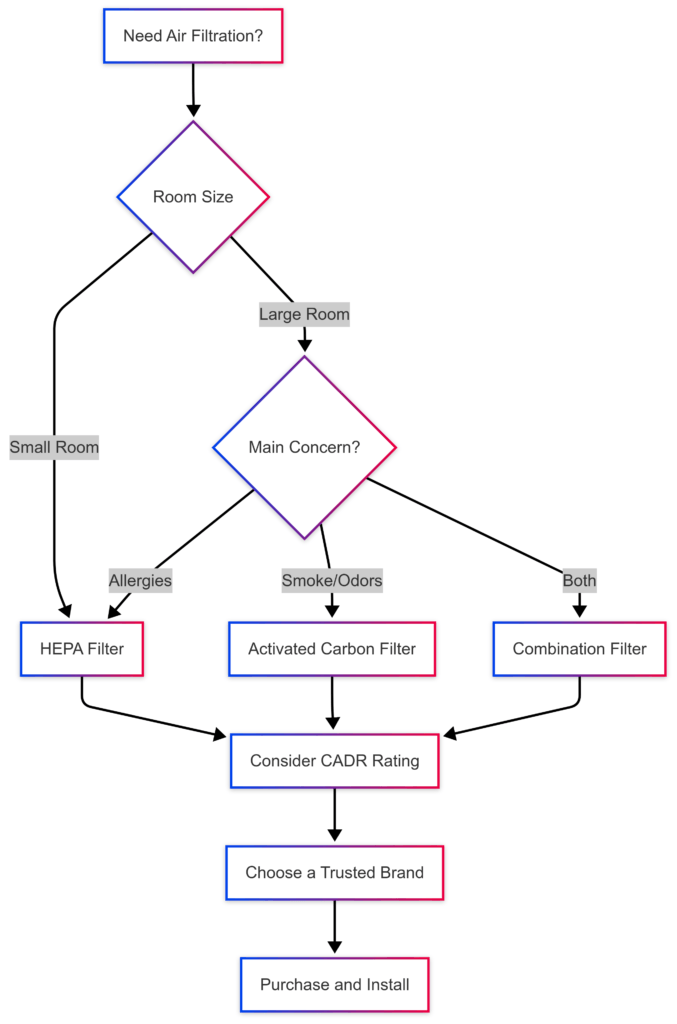
Your first line of defense against poor air quality during heat waves is to focus on your indoor environment. A practical approach is to use air purifiers that can remove ozone, particulate matter, and other pollutants from the air. Models with HEPA filters can capture even the smallest dust particles, while activated carbon filters are great for absorbing harmful gases. By selecting the right technologies and methods, you can create a robust system to maintain healthy levels of air.
In many ways, starting improvements indoors parallels the advice given for many new habits: begin with the basics, and gradually build on them. Here are a few practical steps you can apply to keep indoor air as clean as possible:
- Invest in a Reliable Air Purifier: Look for a model that suits the size of your room and features filters designed to target volatile organic compounds, particulates, and other irritants.
- Give a boost to Natural Ventilation: Use windows and fans to promote airflow, particularly during cooler parts of the day, while keeping out the intense heat. Maximizing natural air exchange can make your space feel fresher.
- Reduce Indoor Pollutant Sources: Make slight adjustments in your living habits, such as using less aerosol sprays, choosing low-VOC products, and ensuring kitchen vents are well-maintained. Simple changes in everyday routines can have a lasting impact on air quality.
- Incorporate Indoor Greenery: Certain indoor plants have been shown to improve air quality by absorbing toxins. While they are supportive and not a replacement for purifiers, they can add a fresh touch to rooms and contribute to a healthier atmosphere.
- Regular Cleaning: Dust and mold can quickly accumulate during heat waves. Frequent cleaning helps keep indoor air particulate levels lower, ensuring your home stays comfortable and safe.
These steps together form an effective barrier against the accumulation of pollutants, helping you create a safer indoor space during the worst of the heat. With a few well-considered adjustments, your indoor environment can become a haven of clean, refreshing air.
For those seeking additional measures, integrating smart home technology can provide real-time data on air quality. This information allows you to react quickly to rising pollutant levels and adapt your approach as necessary, ensuring continuous protection for you and your loved ones.
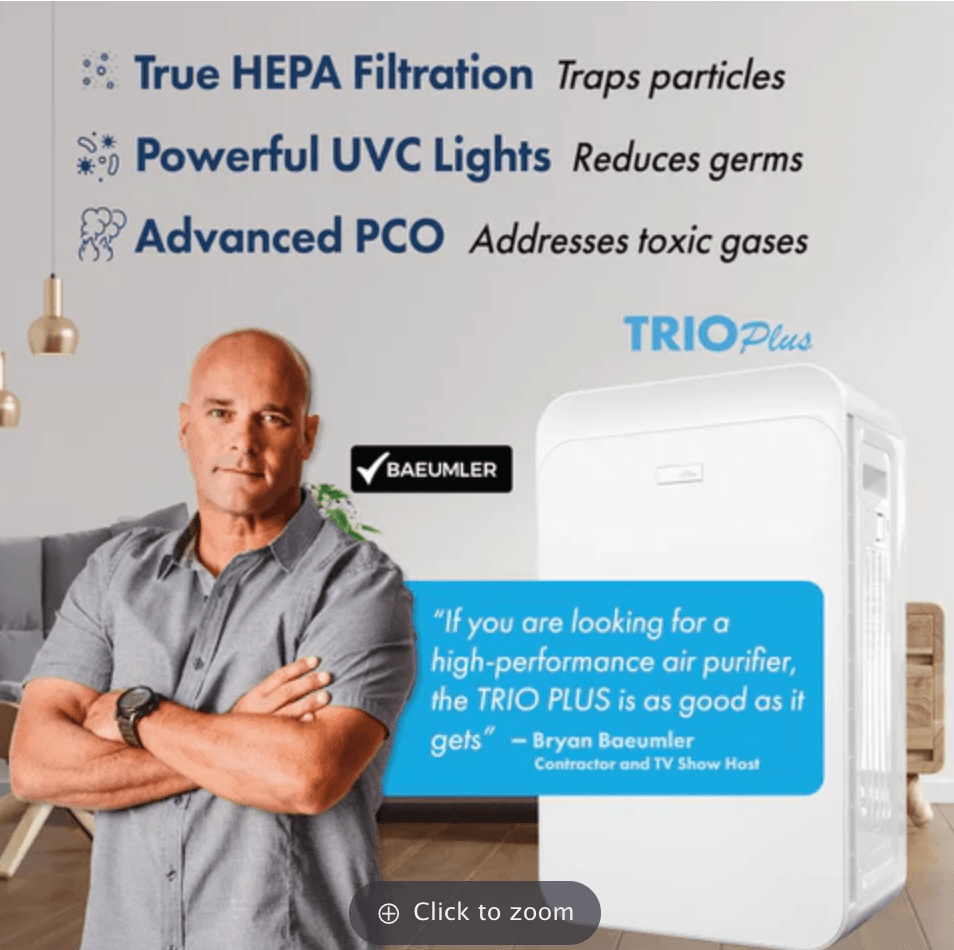
Free replacement filter and lamp with purchase of Trio Plus
Important Considerations for Effective Air Purification
When planning to improve air quality, it is helpful to look at all factors that affect the performance of purification systems. Thinking through these considerations ensures that you pick the right methods and tools for your space. Every detail, from energy consumption to noise, plays a very important role in ensuring that your air remains clean and safe.
- Energy Efficiency: Air purifiers that consume a lot of energy can add to your bills during heat waves. Look into models that are rated for low energy use without compromising performance. Choosing energy-efficient devices not only saves money but also reduces the environmental impact.
- Filter Quality and Maintenance: The effectiveness of any air purifier depends on the quality of its filters. It is important to change or clean filters as recommended to maintain optimal performance. Consistent maintenance ensures that the system can continue to capture pollutants effectively.
- Noise Levels: High-efficiency devices may sometimes be louder than typical fans. If you plan to use these devices constantly, consider whether noise might be an issue in your living space. A quieter device might be the better choice for bedrooms or study areas where concentration is key.
- Cost and Longevity: Initial investments in air purification devices should be weighed against the longevity and durability of the product. Cheaper models might require more frequent replacements or maintenance, which could end up costing more over time. It is very important to make an informed decision that balances the budget with long-term performance.
Energy Efficiency
During long periods of high temperatures, keeping energy costs manageable is a common concern. Energy-efficient air purifiers not only help in this regard but also contribute to lower heat generation within the device. Running an efficient system continuously makes a significant difference in overall energy consumption. Investing in such systems means you can keep your space comfortable without worrying about skyrocketing electric bills.
Changing your home filters is as easy as 1-2-3. FiltersFast.com Home Filter Club is a subscription service that protects your family’s health and your investment with filter deliveries for the products you need, on the schedule you need them. Check it off your to-do list today! Click here to sign up.
Filter Quality and Maintenance
The filter is the heart of any air purifier system. High-quality filters capture minute pollutants and prevent them from recirculating. Keeping an eye on the wear and tear of filters ensures that your device continues to perform at its best. Some filters are designed to be washable, while others may require a complete replacement after a certain period. Regular inspection and care help sustain the effectiveness of your air purification system over time.
Noise Levels
In a quiet home environment, excessive noise can be a distracting by-product of air purifiers. When evaluating different models, be sure to check user reviews concerning sound levels. A quieter device may be preferable if you are using it in a bedroom or an area where calm is highly valued. Balancing performance with sound output is very important for maintaining a peaceful atmosphere at home.
Cost and Longevity
Beyond initial prices, the overall investment should include maintenance, filter replacements, and energy consumption. Often, models that seem economical upfront may incur higher long-term costs if they require frequent replacements or have a shorter lifespan. It is very important to assess not just the initial cost but the entire value proposition of your chosen air purifier. Over time, a robust, reliable system pays off by reducing ongoing costs and ensuring consistent air quality.
Considering these factors thoroughly will help you make an informed decision and ultimately create a more comfortable living space during extreme weather conditions.
Advanced Tips and Techniques
After covering the fundamentals, it helps to look at advanced techniques that can further improve air quality during heat waves. Sometimes, a few extra tweaks can lead to a next-level cool improvement in the overall air feel around your home. Advanced strategies build upon the basics, taking your air quality efforts to the next stage of effectiveness.
Optimize Room Layout for Better Airflow: Rearranging furniture to avoid blocking air vents or windows can lead to better circulation indoors. This is a simple yet effective way to encourage a natural exchange of air, reducing the buildup of pollutants. Experimenting with different layouts may reveal surprising benefits, as even small changes can boost the efficiency of natural ventilation.
Use Smart Thermostats and Sensors: Integrating smart home devices can help monitor indoor air quality in real time. These sensors alert you when pollutant levels rise, so you can take action by increasing purification or ventilation. This approach ensures that your environment remains healthy even when unexpected changes occur. Technology can make it easy to stay on top of indoor air quality metrics and adjust your strategies accordingly.
Combine Multiple Solutions: Relying on a single method may not always be enough to combat intense heat conditions. Combining air purifiers with natural ventilation and indoor plants creates a layered defense that improves overall air quality. For example, using window fans in tandem with purification systems can help move the filtered air throughout the room. Mixing these methods not only boosts efficiency but also ensures a more balanced and consistent indoor climate.
Regular System Checks: Advanced practice means not just installing equipment but also scheduling regular maintenance checks. Timely inspections and cleaning ensure that devices operate at peak efficiency, providing the cleanest air possible during periods of very high temperatures. Routine maintenance is a crucial part of any effective air quality strategy, as it prevents the system from becoming less effective over time.
These advanced techniques can turn an average setup into a powerhouse of air purification. It helps to think outside the box and experiment with different combinations to track down the perfect balance for your home or office layout. Every little tweak adds to the overall system, making your efforts more effective in the long run.
Furthermore, investing time in researching and reviewing the latest technologies and methods can reveal innovative practices that might be emerging in the field. Over time, these insights can be integrated into your existing setup to further improve air quality, making your indoor environment a model of clean, healthy air even in extreme conditions.
Basic Tools and Practices for Air Purification
For those just getting started in managing indoor air quality during heat waves, it is important to build on the basics. A well-planned approach using simple tools can create a significant positive impact on your well-being. Beginning with core practices provides a solid foundation upon which you can expand as your needs evolve.
Investing in a quality air purifier, ensuring proper ventilation, and maintaining a regular cleaning schedule are the building blocks of an effective air quality strategy. Just as beginners in any field start with the essentials, focusing on a few key areas can make a big difference. A mindful arrangement of these primary tools, along with sustained upkeep, sets the stage for a healthier indoor atmosphere.
- Air Purification Devices: Choose models that have proven performance records and easy-to-replace filters. Reliable equipment plays a crucial role in continuously keeping pollutants at bay.
- Ventilation Solutions: Using simple tools like fans and window systems can boost natural airflow. Position these strategically to avoid stagnant zones and ensure a constant refresh of indoor air.
- Indoor Plants: While not a replacement for mechanical systems, certain plants help absorb pollutants and add moisture back into the air. Consider species that thrive indoors while also contributing to a more aesthetically pleasing environment.
- Regular Cleaning Supplies: Dust and allergens accumulate over time. Using a good vacuum and microfiber cloths can reduce the need for heavy-duty chemical cleaners and maintain a cleaner environment naturally.
The combination of these basic tools helps to reduce indoor pollutants and keeps air quality in check. Each element works together to create an environment that supports comfort and health even in the heat. Consistent care and attention to these details will reward you with an indoor space that remains refreshing and inviting during challenging weather conditions.
For many, establishing these basic practices can serve as a stepping stone to more advanced air purification strategies. As you get more comfortable with these tools, you might explore additional devices and technologies that further boost air quality and overall wellness in your space.
Frequently Asked Questions
I know that dealing with heatwaves and poor air quality can raise a number of questions. Here are some queries I often encounter, along with answers that might help you tackle similar issues:
Question: Can natural ventilation really help during a heatwave?
Answer: Yes, opening windows during the early morning or late evening when the outdoor temperatures are a bit lower can help flush out indoor pollutants, provided that outdoor air quality is better during those times. A careful observation of the changing conditions will guide you in timing your actions effectively.
Question: What type of air purifier is most effective during very hot weather?
Answer: Devices equipped with HEPA filters and activated carbon filters tend to work well. They capture both particle-bound pollutants and gaseous contaminants, making them versatile in various conditions. Reading customer feedback and performance reviews can also help you pick the best model for your needs.
Question: Are indoor plants enough to improve air quality during heat waves?
Answer: While indoor plants do help, they are best used in tandem with mechanical air purifiers and good ventilation. They contribute to a fresher atmosphere, but should not be the only strategy. A layered approach combining multiple methods has proven to be very important in maintaining consistent air quality.
Question: How frequently should air purifier filters be replaced?
Answer: Replacement frequency depends on the model and usage patterns. Generally, manufacturers recommend changing filters every six months to a year. Regular inspection and adherence to guidelines ensure that the air purifier works as intended, keeping your indoor environment healthy.
Conclusion,
Improving air quality during heat waves is achievable with the right blend of technology, natural methods, and everyday practices. By understanding the reasons behind poor air quality during high temperatures, you can take meaningful steps to protect your indoor environment.
The methods discussed here, from investing in efficient air purifiers to optimizing natural ventilation and adding indoor greenery, all play a role in purifying your surroundings. These strategies work best when combined. Each tactic contributes individually to create a multi-layered defense against pollutants. This is not just about creating a comfortable living space. It is about ensuring long-term health benefits for everyone in the environment.
With careful planning, routine maintenance, and a few advanced techniques, you can manage the effects of heat waves on air quality. Embrace these practical steps, and you will likely see notable improvements in the freshness of your indoor spaces. Taking time to re-evaluate and adjust your strategy periodically can result in continual improvements. Every small change contributes to higher overall air quality, making it possible for everyone to breathe freely, even under challenging conditions.
In addition, staying informed and motivated to try out new techniques can further boost the effectiveness of your air purification system. Over time, you may find that your dedicated efforts pay off in the form of a noticeably healthier living environment. Keep track of any changes and measure the impact, as this insight can guide future decisions about indoor air management.
Wrapping up, maintaining excellent indoor air quality during heat waves is really important. With multiple methods working together, you are setting up a defense system that protects your health and enhances your day-to-day life. Remember, small improvements add up over time, and a well-ventilated, purified space can significantly enhance your quality of life during even the hottest days.
