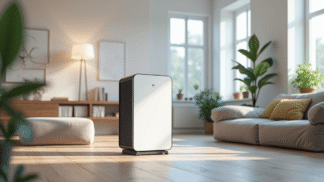
You can allergy-proof your home with simple DIY renovations by focusing on three areas: cleaner air, easier-to-clean surfaces, and better moisture control. Start by upgrading your air filters and adding a smart air purifier, then seal cracks and gaps, remove dust traps like old carpet and heavy drapes, and improve ventilation in high-moisture rooms. Finally, support these upgrades with a reliable filter replacement plan from a trusted supplier like FiltersFast.com, so your new “allergy-safe” home keeps working for you all year.
Most people think “home renovation” means knocking down walls, tearing out cabinets, or living in a construction zone for months. However, when your goal is to reduce allergy symptoms, the most effective upgrades are often smarter and surprisingly affordable.
Instead of a full remodel, you can follow a series of practical, step-by-step changes that target the real problem: the way dust, pollen, pet dander, mold spores, and other irritants move through your home. In this guide, we will walk through simple DIY projects you can tackle over a few weekends, plus the online resources and tools that make the process easier.
Along the way, we will talk about where smart air purifiers fit in, how to choose the right filters, and how to use a service like FiltersFast.com to stay on top of filter replacements without guesswork.
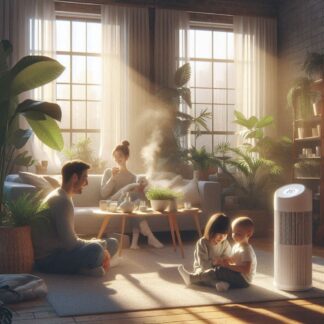
Why Allergy-Proof Home Renovations Start With the Air You Breathe
Before you swap flooring or repaint the bedroom, it helps to understand where indoor allergens actually come from. In many homes, the biggest culprits are:
- Outdoor particles like pollen and mold spores that hitch a ride on shoes, pets, and open windows
- Indoor particles such as dust, skin flakes, and pet dander
- Hidden moisture problems that allow mold to grow behind walls, under sinks, or in basements
- Low-quality or clogged HVAC filters that simply recirculate dirty air
Therefore, a smart allergy-proofing plan doesn’t start with décor. It starts with air quality. When you clean up what you cannot see, every other upgrade becomes more effective.
That is where a combination of smart air purifiers, higher-MERV HVAC filters, and regular replacement schedules makes a huge difference. These “invisible renovations” are often the quickest wins for stuffy noses, itchy eyes, and middle-of-the-night coughing.
If you have not yet explored the basics of smart filtration, you may also want to read our guide: What Makes an Air Purifier “Smart”?
Want Cleaner Air Without a Full Remodel?
You do not need to rebuild your home to breathe easier. In many cases, simply pairing a quality smart air purifier with the right HVAC filters and a reliable replacement schedule can noticeably reduce airborne allergens.
Tip: Use an online filter service like FiltersFast.com to find the correct size and MERV rating for your system, then set up recurring deliveries so you never forget to change your filters again.
Step 1: Start With Smart Air Purifiers and Better Filters
Because allergens travel through the air before they settle on surfaces, it makes sense to start your DIY renovation in the places you cannot see. This usually means two zones: your central HVAC system and the rooms where you spend the most time.
Upgrade Your HVAC Filter First
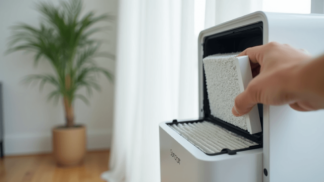
Your HVAC filter is the “first line of defense” for your entire home. However, many systems run with low-MERV, bargain filters that mainly protect the equipment, not your lungs. By moving up to a higher-quality filter, you can capture more fine particles that trigger sneezing and congestion.
- Check your current filter size. Look for a printed label on the side of the filter frame (for example, 16x20x1).
- Look at the MERV rating. For allergy reduction, many homeowners aim for MERV 8–13, depending on what their system can handle.
- Replace on schedule. Most filters should be swapped every 1–3 months, especially during high-pollen seasons.
If you are not sure which filter to choose, you can use an online filter selector from a trusted store like FiltersFast.com. They carry a wide range of sizes and ratings and make it easier to match the right filter to your system.
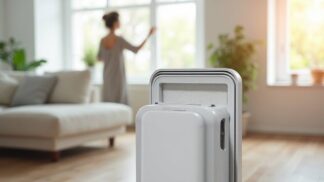
Add a Smart Air Purifier Where You Live and Sleep
Next, concentrate on the rooms that matter most: the bedroom, living room, and home office. A well-sized smart air purifier with a true HEPA filter can significantly reduce airborne allergens in these spaces, especially when it runs continuously on a low, quiet setting.
- Choose a purifier matched to your room size (check CADR ratings and square-foot coverage).
- Look for a true HEPA filter and an activated carbon filter if odors or smoke are concerns.
- Use smart modes (auto, scheduling, app control) to keep filtration steady without constant manual adjustments.
For deeper comparisons of which models work best in allergy-prone homes, explore our guides such as Why Spring Is The Prime Time For Smart Air Purifiers and Managing Spring Pollens With Smart Air Purifiers.
Step 2: Remove Dust Traps and Allergen “Magnets”
Once your air is better filtered, the next set of DIY projects focuses on surfaces. In many homes, certain materials quietly collect allergens and hold onto them.
Reconsider Carpet, Rugs, and Heavy Textiles
Wall-to-wall carpet, shag rugs, and thick drapes act like giant allergen sponges. While you may not be ready to remove all of them at once, you can gradually swap them for easier-to-clean alternatives:
- Replace old carpet in bedrooms with hard flooring (vinyl plank, laminate, or wood) and washable area rugs.
- Trade heavy, lined curtains for roller shades or lighter, machine-washable fabrics.
- Use mattress and pillow encasements designed to block dust mites.
These changes do more than freshen up your décor. They reduce the number of hidden places where dust mites, dander, and pollen can settle for months at a time.
Declutter High-Traffic Areas
As you move through your home, pay special attention to shelves stacked with knick-knacks, overloaded bookcases, and crowded nightstands. Every extra surface is another place for dust to land. Therefore, simplifying these areas is one of the easiest “renovations” you can do in a weekend.
- Clear off the tops of dressers and side tables, keeping only what you use.
- Store seasonal décor or rarely used items in closed bins.
- Wipe down horizontal surfaces with a damp cloth instead of a dry duster to trap particles instead of spreading them.
When you combine decluttering with consistent air filtration and vacuuming (ideally with a vacuum that includes a HEPA filter), you create a home that is much easier to keep allergy-friendly day to day.
Step 3: Improve Ventilation and Moisture Control
Even if your filters are upgraded and surfaces stay cleaner, moisture can still undermine your efforts. Damp areas invite mold growth, and mold spores are a powerful trigger for many allergy sufferers.
Focus on Bathrooms, Kitchens, and Basements
- Check exhaust fans. Make sure bathroom and kitchen fans actually vent to the outside and are used during showers and cooking.
- Seal around tubs and sinks. Replace cracked caulk where water can sneak behind surfaces.
- Use a dehumidifier in damp spaces. Basements, laundry rooms, and closed-off rooms may benefit from controlled humidity, especially in humid climates.
In addition, keep an eye on small leaks under sinks or near appliances. Even a slow drip can create a mold-friendly environment inside walls or cabinets over time.
Balance Fresh Air With Filtration
Fresh air is important for indoor air quality, but opening windows during peak pollen season can undo some of your hard work. Therefore, be strategic:
- Ventilate during low-pollen times of day or after rain, when outdoor air is cleaner.
- Keep windows closed during high-pollen alerts and rely on your HVAC system and smart air purifiers.
- Use door mats both inside and outside entryways and encourage shoe removal to reduce tracked-in pollen and dust.
By combining smart ventilation habits with reliable filtration and humidity control, you create a more stable environment that is less likely to trigger symptoms.
Make Filter Changes: One Less Thing to Remember
Allergy-proofing is not a one-time project. Your filters work continuously, and they need to be replaced on a regular schedule to keep capturing the smallest particles.
Instead of guessing when it is time to change them, you can use a simple reminder: sign up for recurring shipments from FiltersFast.com. That way, fresh filters arrive at your door when you need them, and your home continues to support your health, quietly, in the background.
Step 4: Build Your Own “Online Renovation Binder”
Because there are many moving pieces to an allergy-proof renovation, it helps to organize your ideas. Today, you do not need a thick paper binder. Instead, you can build a digital one using online guides, checklists, and product pages.
- Create a folder or note for each room: bedroom, living room, kitchen, bathroom, basement.
- Save links to how-to articles, videos, and product manuals you find helpful.
- Keep a running list of what you have changed (filters, flooring, bedding, paint) and when.
Then, as you learn more about smart air purifiers, filters, and humidity control, you can add links from BestSmartPurifiers.com and your preferred filter provider. Over time, this becomes your personalized reference library—an “online guide” tailored to your home, not just a generic checklist.
To continue learning, you can explore related articles like What Makes an Air Purifier “Smart”? and our seasonal deep dives on managing allergens throughout the year.
Pulling It All Together: A Weekend-by-Weekend Plan
Because large renovation projects can feel overwhelming, breaking them into smaller weekend goals makes it much easier to stay consistent. Here is a simple way to structure your first month:
- Weekend 1 – Air basics. Replace HVAC filters, set up or relocate your smart air purifier, and vacuum thoroughly with a HEPA vacuum.
- Weekend 2 – Bedrooms. Add dust-mite-resistant encasements, wash bedding in hot water, declutter surfaces, and evaluate flooring or rugs.
- Weekend 3 – Living areas. Simplify shelves and décor, replace or wash curtains and throw blankets, and clean upholstery.
- Weekend 4 – Moisture zones. Inspect bathrooms, kitchen, basement, and laundry areas for leaks, condensation, and poor ventilation. Add a dehumidifier if needed.
After that first month, your home will already feel different: fresher, calmer, and easier to maintain. Then, you can circle back, adjust what is working, and keep an eye on regular maintenance tasks like filter changes and deep cleaning.
Throughout this process, a consistent filter replacement schedule—from a service like FiltersFast.com—acts like a safety net. Even when life gets busy, your home continues to quietly support your health in the background.
Frequently Asked Questions About DIY Allergy-Proof Renovations
Do I need to replace all my flooring to reduce allergens?
No. While hard flooring is often easier to keep dust-free, you do not have to replace everything at once. Many homeowners start with bedrooms and high-traffic hallways, then make changes gradually as budgets allow. In the meantime, frequent vacuuming with a HEPA-filtered vacuum and using washable rugs can still make a noticeable difference.
Are smart air purifiers really better than basic models?
Smart air purifiers add convenience and consistency. Features like air-quality sensors, automatic modes, scheduling, and app control help you keep filtration running at the right times without constant manual adjustment. This is especially helpful when you are managing allergies day in and day out.
How often should I change my HVAC filter if I have allergies?
Many allergy-conscious households change filters every 1–2 months during heavy-use seasons (like spring and fall) and at least every 3 months otherwise. Exact timing depends on your home, pets, local air quality, and the type of filter you use. Setting up a regular delivery schedule with FiltersFast.com can help you stay on track.
Can I allergy-proof my home if I rent?
Yes. Even if you cannot replace flooring or tear out cabinets, you can still make meaningful changes. For example, you can add a smart air purifier, upgrade HVAC filters (with your landlord’s approval), use mattress encasements, declutter surfaces, and run a dehumidifier in damp spaces. These renter-friendly steps still support better air quality.
Where should I start if my budget is tight?
Start with the actions that give you the most impact for the lowest cost: upgrading your HVAC filter, adding or optimizing a smart air purifier in the bedroom, and decluttering dusty surfaces. From there, you can plan larger projects, like flooring changes, when the timing and budget feel right.

When you think of your home as a system—air, surfaces, and moisture working together—it becomes much easier to see where small upgrades can bring big relief. With the right combination of smart filtration, practical DIY projects, and consistent filter replacements from partners like FiltersFast.com, your allergy-proof renovation can start this weekend, not “someday.”