Adding smart technology to home air purifiers has turned clean air from a luxury into a reliable daily benefit. Matter-ready purifiers now help solve the problem of smart device confusion in connected homes. As someone who’s used air purifiers for years and seen both the ups and downs of trying to mesh different brands, I can say Matter changes the experience in real ways. Here’s a closer look at what’s actually fixed by getting a Matter-ready model, and where these devices fit in a modern smart home setup.
Why Matter Ready Purifiers Are Gaining Momentum
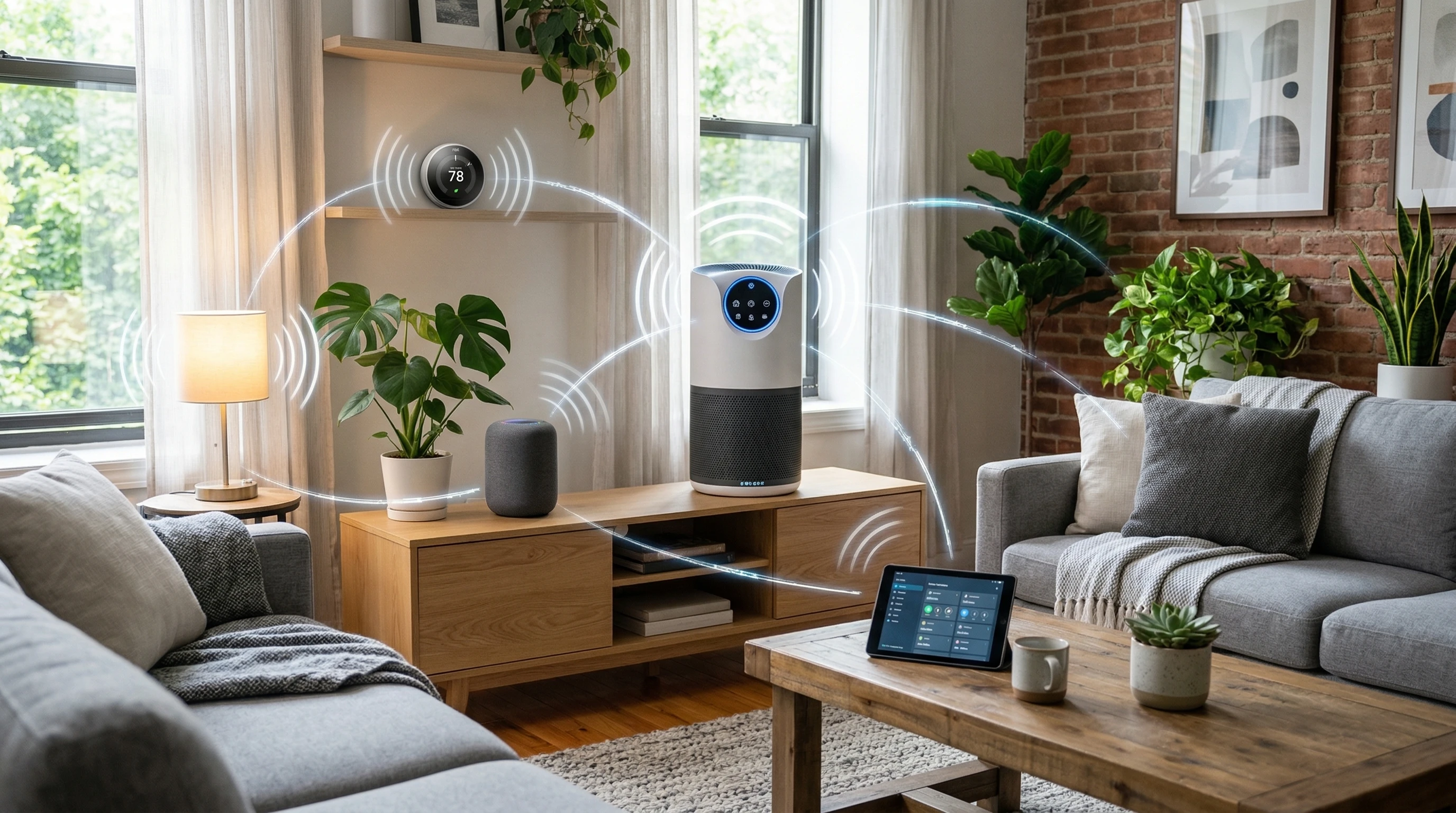
Smart homes are filled with helpful devices, but lots of people run into issues when brands just don’t work together. Before the introduction of Matter, smart air purifiers only talked to their own apps or maybe worked in some limited ways with voice assistants like Alexa or Google Assistant. The Matter standard clears this up by letting any supported purifier connect and operate in sync with lights, thermostats, sensors, and more, no matter the brand.
This means an air purifier from one brand can finally work pretty smoothly with a smart thermostat from another, or be controlled directly from your broader home app. The benefit is a much more reliable smart home and less time wrestling with clunky workarounds or patchy integrations.
Matter Ready Purifiers: Real World Issues They Solve
Anyone who’s tried adding different smart gear to their home probably knows about app overload, lost routines, and devices randomly dropping offline. Matter-compatible air purifiers directly tackle:
- Unified Control: I no longer need a dozen apps or logins for every device. Everything communicates under a single roof. Matter devices are built to just work with the smart home system I choose, helping cut headaches.
- Reliable Routines: If I want my purifier to turn on when cooking or when pollen spikes, routines actually run on time. Matter purifiers can follow triggers from different sensors or even the weather app in my smart home hub.
- Consistent Notifications: Instead of scattered app notifications, I see all key alerts—like filter changes or air quality dips—in my main home dashboard. That’s really helpful, especially if I’m busy or want family members to see reminders too.
- Future-Proof Integration: With Matter, there’s a better chance that a purifier keeps working through updates and home upgrades. I’m not as worried about losing control after a phone or system update.
With these pain points addressed, living with smart air purification feels more reliable and less frustrating. For more about how this works in real life, check out the Smart Air Purifiers Guide: Automation, Sensors & Home Integration.
How Matter Ready Purifiers Step Up Smart Home Wellness
Indoor air issues like pollen, pet dander, VOCs, and cooking odors are getting serious attention. According to the EPA, most people spend 90% of their time indoors, where pollutant levels can be 2 to 5 times higher than outside. (Indoor Air Quality (IAQ).) I’ve seen many smart air purifiers make big claims, but not all link usefully to the full picture of home wellness.
Matter-ready purifiers stand out because they create a steady feedback loop:
- Instant Air Quality Data: Many Matter purifiers send live readings of particulate matter (PM2.5/PM10), VOCs, or CO2 straight to my home control center. I check a single dashboard for an honest glimpse of what’s in the air, often with historical trends too.
- Synchronized Reactions: If a kitchen sensor finds higher VOCs while cooking, my purifier automatically switches to max power. For more on cooking odor solutions, jump into Smart Purifiers That Remove Cooking Odors in Minutes.
- Better Sleep and Health Tracking: Combining my air data with sleep and activity logs gives me a clearer view of what might be affecting headaches or allergy flares at home.
Matter purifiers give a way to connect air cleaning to the rest of my wellness efforts, without the confusion of disconnected devices.
How Matter Changes Everyday Air Purifier Use
For me, daily life with a Matter air purifier feels a lot less cluttered. Here’s how it makes a difference:
- Simpler Setup: Adding a new Matter purifier is easy with Quick Pairing in my smart home app—scan, add, and it’s ready for routines.
- One App for Everything: I can set up schedules, check air quality, and even build custom automations from my phone, tablet, or smart speaker. No more toggling between brand-specific apps.
- Controlled Maintenance: Filters wear out slowly, and it used to be easy to forget about them. Now, Matter purifiers proactively notify me or even automate filter orders if I link them with my favorite retailer, like FiltersFast or FieldControls.
This streamlined approach means I’m sticking more closely to maintenance habits and getting better results from my purifier, especially during allergy season. For further details, you can also check Is Your Home’s Air Toxic?
Key Features and Technologies in Matter Ready Models
When I tested several Matter purifiers, I noticed some practical features that really help busy households. Here are the main points Matter ready air purifiers often have in common:
- HEPA and Carbon Filtration: Most use certified HEPA filters for dust and allergens, along with activated carbon for gases. You’ll find more details in Understanding Air Purifier Technology: HEPA, Activated Carbon, and Beyond.
- Multiple Sensors: Modern models measure PM, VOCs, temperature, and humidity to guide smarter actions.
- Energy Efficient: Matter purifiers often support eco modes or adaptive speeds, saving energy by syncing with occupancy or air readings.
- Quiet Operation: Noise drops automatically in sleep modes, which is helpful if you’re a light sleeper like me.
- ChildLock and Tamper Features: These prevent accidental changes in homes with curious kids or pets.
Buying a smart purifier is about making sure it suits both your air concerns and your daily lifestyle. You’ll get the most from the experience if you focus on these features.
Buying Questions: What to Ask Before Adding One to Your Home
Midway through my own search, I learned it helps to double-check a few points so you don’t feel let down after delivery:
- What pollutants do I want to remove? Think about allergies, pets, cooking, and where you live.
- What size spaces do I need to cover? Look for a model that fits your room’s square footage, and be cautious of coverage claims that seem unrealistic.
- Can I automate it with my routines? Will the new purifier work with sensors, smart locks, or alarms you already use?
- How hard is filter replacement, and how much does it cost long-term? Checking out How Much You Really Spend on Filters Over 5 Years can help your budget and trim frustration.
These up-front questions help narrow down choices and skip resale headaches. I like to focus on daily needs first, then enjoy smart extras second.
Solving the “App Overload” Problem Once and for All
Before standards like Matter, I often ended up with a dozen separate apps, each with a different interface and login. This made it easy to lose control or miss important alerts. Because my home’s most reliable routines are the ones I can set and forget, having my purifier, speakers, sensors, and lights all in the same dashboard saves a lot of time.
It also reduces the risk of missing filter changes or low air quality warnings. Notifications from the air purifier now land in the same feed as home security and weather updates. That consistency keeps things running more smoothly for everyone in the household, not just the person who set up the gear.
Integrating Air Purifiers Into Existing Routines and Scenes
If you already have automated scenes—“Sleep,” “Away,” or “Cleaning”—a Matter purifier fits right in. For example:
- When the smart home senses I’m away, my purifier switches to energy-saving mode. When I return, it runs high for a quick freshen-up and then drops to normal.
- Child nap times can trigger a whisper-quiet mode plus max filtration for cleaner air without waking anyone.
- During pollen months, the system ramps up in the morning as everyone gets ready, catching what gets tracked in from outside. This helps anyone in the house with allergies breathe easier.
By plugging into existing routines, air quality management feels automatic, so daily effort drops close to zero.
Smart Home Compatibility: Apple, Google, Alexa, and More
I use a mix of Apple Home, Google Home, and Alexa for different tasks. In the past, device support was unpredictable. Matter improves this by making air purifiers neutral—ready to join any main system and work in parallel. Here’s what it looks like day to day:
- Control by voice on any main platform, no extra setup needed.
- Use the same automations and scenes across devices, even if you change hubs later.
- Share access easily with the family, so everyone at home interacts the same way.
This brand-neutral approach is a relief if you’ve ever switched ecosystems. It also means you aren’t locked in if a favorite brand stops updating an app or integration next year.
Common Concerns and Downsides
Even though the Matter standard fixes a lot of smart home messes, a couple of weak spots remain that I’ve seen up close:
- Limited Matter device options. There are still only a handful of air purifiers with Matter support, but the number climbs each season.
- Occasional bugs after big updates. Sometimes an update scrambles routines, but fixes usually come faster than in the past. I keep an eye on my triggers after every update, just in case.
- Initial beta features. Not every promised feature works smoothly at launch, so I read reviews carefully before buying a brand-new model.
On balance, these issues are easier to handle than the old days of “smart” products that became isolated after just a couple of years.
Real World Use Cases: Who Actually Benefits?
Adding Matter ready air purifiers makes daily life smoother for many kinds of households. Here are some real examples I’ve seen work well:
- Family homes: Parents get less hassle showing each child how to use the system since everyone sees the same dashboard. Allergies can be tracked, and the air stays clean with no need for constant intervention.
- Pet owners: Automatic responses to dander or odor detection mean less manual cleanup after pets and a fresher home with less effort.
- Urban dwellers: Traffic smog, wildfire particulates, or seasonal spikes are managed automatically by linking the purifier to sensor triggers and weather-related routines.
- People with chronic asthma or allergies: Integration with wearables and health logs helps spot air changes linked to symptoms.
The routines I use at home combine a few of these. For those seeking top-rated devices, ratings, and comparisons are in the Best Air Purifier for Home 2026 Guide & Reviews.
Extending the Value: Energy Use and Maintenance
Beyond just running smarter, these connected purifiers help cut electricity use. By responding to when I’m home and adjusting speeds based on actual needs, my energy bill often drops, and filters last longer since the device only runs when needed. Having easy access to replacement filters through automated reminders or direct links to filter suppliers ensures I stay protected without gaps.
If you’re curious about the real costs over time, it’s covered in How Much You Really Spend on Filters Over 5 Years. This makes it simpler to decide if a premium model makes sense long term, compared to units needing frequent or expensive parts.
Frequently Asked Questions About Matter Air Purifiers
Here are answers to questions I get most often from friends and readers:
Question: What devices does Matter actually support?
Answer: Matter covers a wide variety of smart devices: switches, bulbs, locks, sensors, thermostats, security systems, and now more air purifiers, too. Support is expanding all the time.
Question: Do I need a new smart hub for a Matter purifier?
Answer: Matter devices can usually connect straight to your phone or your main home platform (like Apple Home or Google Home). Some complex automations might still need a hub, but setup is much easier than in past generations.
Question: Are traditional air purifiers still worth buying?
Answer: If you don’t want automation or just want to keep things simple, traditional purifiers still do the trick. For homes with other smart gear, I find a Matter model is easier to fit into future upgrades and routines.
Question: What’s the average cost difference for a Matter ready purifier?
Answer: Matter models usually cost a bit more upfront, but that investment may save on filter management and reduce headaches along the way. I compare models based on features and long-term costs, not just the sticker price.
Question: Which brands currently make Matter-compatible air purifiers?
Answer: At present, only a small selection of top brands are certified for Matter, but more are being added every quarter. I check compatibility any time a new model pops up, since things keep evolving. Places like FiltersFast and FieldControls usually keep the lists up to date.
Final Thoughts: What Does a Matter Ready Air Purifier Really Fix?
Switching to a Matter-ready air purifier helps cut down a lot of day-to-day hassles in smart homes. Device confusion, lost routines, forgotten maintenance reminders, and random compatibility issues all get toned down. You end up with a purifier that’s a real part of your home, not just another isolated gadget. For smart home buyers who want dependability, future-proof options, and a bit more peace of mind, the choice is clear.
This article contains affiliate links to FiltersFast and FieldControls. I only recommend suppliers that I use myself and research carefully. This helps support my work at no extra cost to you. For unbiased reviews, check my main site.