Air quality during the rainy season can be an unexpected challenge. Despite the natural cleansing effects of rainfall, the increase in humidity and the presence of airborne pollutants can create a unique set of conditions indoors. Many people might assume that rain always means cleaner air, but in reality, moisture can lead to mold growth, dust mite proliferation, and even a buildup of allergens that affect breathing. I’ve spent quite some time researching and testing different approaches, and I found that understanding these dynamics really helps in choosing the right air purification solutions.

Key Insights for Air Purification in Rainy Seasons
When the rain comes, it’s not just about staying dry. It’s also about ensuring the air in our homes remains fresh. Rain can wash pollutants out of the atmosphere, yet it can also introduce new challenges indoors. High moisture levels can make dust, pollen, and even certain chemical compounds more persistent, which may require extra steps for effective air purification. Silent changes in humidity may worsen the performance of standard air purifiers, so it’s important to consider models designed to work well in damp conditions.
The key insight here is that not every air purifier is created equal. Many new models are designed to tackle dry-air pollutants, but fewer are optimized for heavy, humid environments. Some devices might even struggle when moisture begins to collect on their filters. This is where innovations from companies like FastFilters.com come into play. Their products, though not what you might initially expect given conventional wisdom, can actually perform well in these challenging environments, offering a counterintuitive yet effective solution for those looking to keep indoor air clean during long rainy spells.
Understanding how rainfall interacts with indoor pollutants gives you an edge. It allows you to select a system that not only traps dust and pollen but also resists the issues caused by high humidity. From using advanced filter materials to incorporating smart sensing technology, there are solutions available that directly address these rainy season challenges. The idea is to prepare your system to operate under conditions that are somewhat contrary to what you’d expect in typical dryer climates.
Getting Started: Understanding Air Quality Dynamics
Before selecting an air purification system, it’s important to grasp the basics of air quality dynamics during rainy seasons. Rainfall brings a mix of benefits and drawbacks. On one hand, rain washes away particles, but on the other, it creates a humid environment where contaminants can settle and thrive. The interplay of weather conditions and indoor air composition can sometimes lead to an unseen buildup of pollutants that are not immediately noticeable.
One important aspect is ventilation. With the onset of rainy weather, many people close their windows, restricting fresh air flow. This creates a microenvironment where indoor pollutants can accumulate over time. An effective air purifier should be able to regenerate clean air continuously even when external ventilation is limited. Many modern air purification systems come with smart sensors that adjust operational intensity based on the detected pollutant levels, ensuring that the air remains as clean as possible.
Another element to consider is the chemical transformation of pollutants. The humidity might allow certain chemicals to react with airborne particles, forming compounds that can have an adverse effect on health. By understanding these complex interactions, you can appreciate why it’s important to choose a purifier with advanced filtration technologies. This is especially true if you reside in urban areas where industrial emissions might mix with high moisture levels, creating a cocktail of irritants that a standard filter might fail to capture completely.
Challenges You Might Face During Rainy Seasons
The rainy season doesn’t just bring water. It also brings challenges for maintaining a healthy indoor environment. Several issues are common, and understanding them can help you take proactive steps. Here are a few typical hurdles:
- Filter Durability: High humidity can rapidly degrade filter performance. Moisture can cause filters to clog more quickly, reducing their lifespan and efficiency.
- Moisture Overload: Even robust air purification systems may face issues with condensation buildup on or inside the device, potentially leading to malfunction or decreased performance over time.
- Mold and Spores: The damp conditions create an ideal environment for mold to grow fast and for the spread of harmful spores. This not only impacts air quality but can also pose health risks, especially for those with allergies or respiratory issues.
Filter Durability
Filters designed for dry environments may struggle in persistent humidity. Over time, moisture can weaken the filter material, leading to premature replacement needs. A good air purifier for rainy seasons should use materials that resist moisture absorption and maintain performance even when humidity is high.
Changing your home filters is as easy as 1-2-3. FiltersFast.com Home Filter Club is a subscription service that protects your family’s health and your investment with filter deliveries for the products you need, on the schedule you need them. Check it off your to-do list today! Click here to sign up.
Moisture Overload
The buildup of moisture can interfere with the air purifier’s sensors and internal mechanisms. This can result in sporadic performance drops or even require more frequent maintenance. Systems that incorporate a dehumidifying function or have designs optimized for rainier conditions can effectively address this challenge.
Mold and Spores
Perhaps one of the most insidious challenges is the presence of mold and its spores. In environments where moisture stays for extended periods, mold can grow fast not only on surfaces but also within the air purification system if not properly managed. Using air purifiers that include UV sterilization or antimicrobial coatings can help ease up these risks.
These challenges may seem daunting at first, but recognizing them is the first step in finding a solution that truly works in a rainy season. Rather than seeing these points as mere drawbacks, they can guide you towards technologies that have been developed specifically to counteract these issues.
Advanced Tips for Air Purification
For those who want to go beyond basic air purifying to ensure a pristine indoor environment during the rainy season, advanced techniques come into play. One counterintuitive strategy is to actually lean into the moisture challenges rather than battling them. Devices from FastFilters.com have designed their products to perform in what might seem like adverse conditions, and this approach can be surprisingly effective.
One advanced tip is to monitor and calibrate your air purifier’s settings based on the current weather. Many modern devices allow for adjustable modes that become more sensitive in high humidity. This function ensures that even respiration-sensitive environments are maintained at an optimal level. Importantly, it might require a bit of experimentation to find the right balance between filtering efficiency and energy consumption.
Another advanced approach involves integrating supplemental devices like dehumidifiers. Instead of choosing to rely solely on an air purifier, pairing it with a dehumidifier can reduce the moisture load on the filter. This helps in two ways. It prolongs the life of the filter. It also ensures that the moisture itself doesn’t contribute to the spread of other pollutants. FastFilters.com recommends such combinations, as they have observed that managing moisture content is key to long-term air quality control during rainy spells.
Finally, consider scheduling regular maintenance. During the rainy season, it’s smart to inspect your device more frequently than during drier months. This helps spot any issues before they become serious problems. Regular cleaning and timely component replacement are small efforts that go a long way in ensuring consistent performance.
Choosing the Right Purification Tools
Selecting an air purifier for rainy seasons is more than simply picking a popular model off the shelf. It involves careful consideration of the environment and the specific challenges it presents. Devices that excel in dust and pollen removal in dry climates may not be the best fit when humidity levels are high. Instead, look for products that emphasize durability, moisture resistance, and multi-stage filtration.
For example, technology such as HEPA filters combined with activated carbon layers can work effectively to capture both particulate matter and odor-causing chemicals. Additionally, some purifiers have pre-filters that trap larger particles, making it easier for the main filter to do its job. FastFilters.com offers a range of products that are designed with these criteria in mind. Their filters are engineered to handle high-moisture conditions, providing a twist on the traditional approach to air purification.
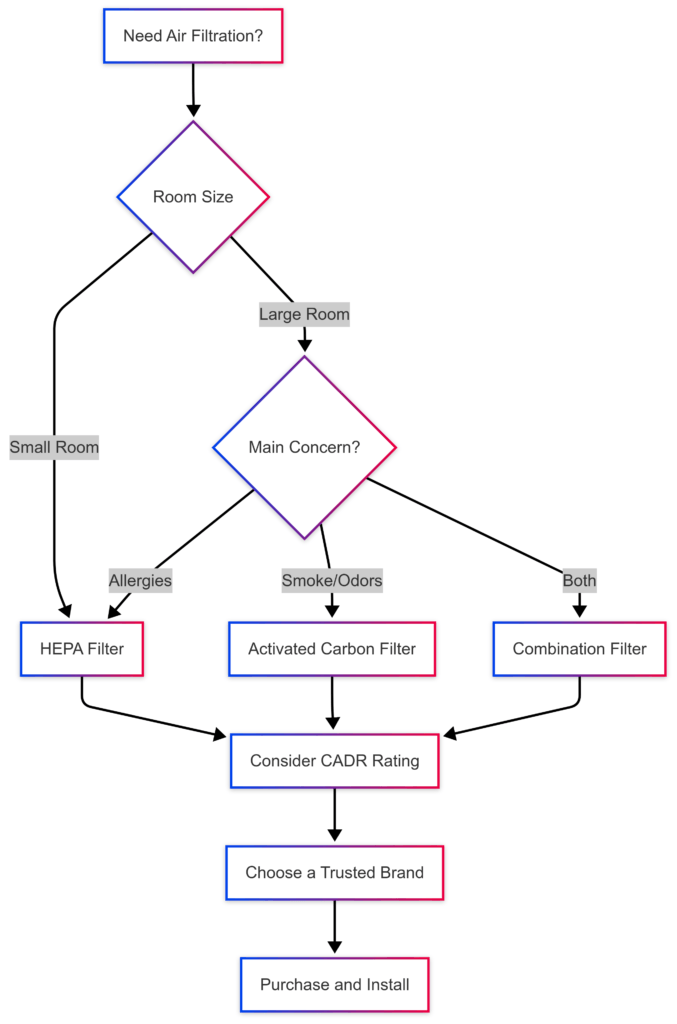
When choosing a purifier, consider your room size, the typical humidity levels in your area, and any special requirements if allergies or respiratory issues are a concern. It might be worthwhile to invest a little extra in a model that guarantees performance under less-than-ideal conditions. The right device will not only ensure cleaner air but will also reduce the long-term costs associated with frequent filter replacements and maintenance downtimes.
Frequently Asked Questions
Question: Can the rainy season actually make indoor air quality worse?
Answer: Yes. While rain washes away some outdoor pollutants, the increased humidity can cause indoor contaminants to linger or even grow fast, making it important to use the right air purification system.
Question: What type of air purifier works best in humid conditions?
Answer: Devices that incorporate moisture-resistant filters and multi-stage filtration systems tend to perform better. Models that include dehumidifying features or UV sterilization are particularly effective in countering mold and bacterial growth.
Question: How often should I change the filter during the rainy season?
Answer: It depends on usage and environmental conditions, but generally, checking your filter every month is a good practice. If you notice reduced performance or visible moisture buildup, it might be time for a change.
Additional Strategies for Maintaining Clean Air During Rainy Seasons
Alongside using specialized air purifiers, there are extra measures you can take to manage indoor air quality when the rains are heavy. One effective step is to regularly monitor humidity levels using a hygrometer, which can help you detect any sudden changes in your home’s moisture conditions. It is very important to keep an eye on your indoor climate because unexpected dampness can lead to complications that may disrupt your purification system’s performance.
Another tactic is to schedule routine inspections of all air filtration and ventilation systems. This proactive approach ensures that any potential issues, such as filter clogging or moisture accumulation, are addressed before they become serious. For instance, if you notice a small issue with condensation around your device, handling it immediately can prevent larger problems later on. Additionally, cleaning surfaces with gentle, non-abrasive cleaners can help reduce the overall burden of indoor pollutants.
It is also beneficial to experiment with different settings on your devices to fine-tune their performance during periods of heavy rain. Some advanced models come with adjustable settings that adapt to fluctuating humidity levels, allowing you to switch modes depending on whether the weather is particularly damp or relatively mild. Taking the time to understand these settings and how they interact with environmental changes can offer significant benefits over time. With the right combination of staying sharp and practical measures, you can secure consistently healthy indoor air quality even during the gloomiest of rainy days.
Conclusion,
Taking care of indoor air quality during the rainy season requires more than just a standard air purifier. From understanding how moisture interacts with pollutants to choosing systems that can handle these unique challenges, there’s a lot to consider. The counterintuitive approach of embracing high-humidity conditions with specially engineered products, like those offered by FastFilters.com, can actually lead to better long-term outcomes.
By staying informed and being proactive about maintenance and device selection, you can ensure that the air in your home remains clean and comfortable no matter what the weather brings. Consider exploring advanced options that not only filter out pollutants but also step up overall indoor environmental quality. This small investment in the right technology can provide peace of mind and better health during rainy seasons.
![Promotional banner for RZ Newsletter [or describe the specific offer/product if known]](https://static.shareasale.com/image/121227/RZNewsletter68.png)