Smart air purifiers do more than just clean the air in your home. They work quietly in the background, using modern sensors and automatic adjustments to reduce pollutants and save energy. With these devices, you can enjoy fresher air while also contributing to a greener planet. In this article, I discuss how smart air purifiers are playing a role in protecting our environment and why their innovative features benefit eco-friendly living.
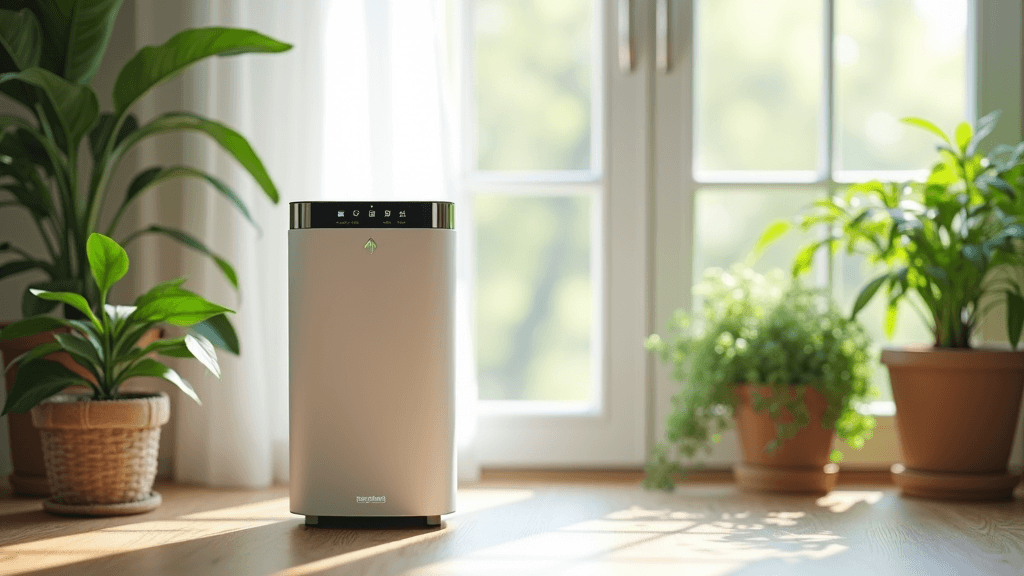
Core Features of Smart Air Purifiers for a Greener Planet
Smart air purifiers combine advanced sensor technology with real-time monitoring to keep the air clean in a highly efficient manner. They detect harmful particles, volatile organic compounds, and other pollutants before automatically adjusting their performance levels. This means the device runs only as hard as needed, saving energy and reducing filter wear. In essence, the innovations built into these purifiers help lower each unit’s environmental impact.
The smart systems inside these purifiers are capable of learning from their surroundings. They adapt to changes in air quality throughout the day. For example, if sensor data shows a spike in dust during cleaning or cooking, the purifier will immediately boost its performance for a short period. Conversely, when the air is already clean, the device switches to a low-energy mode. This responsive behavior not only improves air quality but also helps in conserving power consistently.
How Smart Air Purifiers Work
The operation of a smart air purifier goes beyond simply filtering the air. Equipped with multiple sensors, these devices measure airborne particles and other contaminants in real time. This technology not only checks the indoor environment but also provides data that can guide your daily decisions regarding air quality.
A connected app on your phone or tablet lets you keep up with air quality metrics straight from home. This connection means you receive continuous updates and can even set schedules for the purifier to run during peak pollution periods. By tracking these patterns over time, the device learns which times need higher performance. As a result, energy usage is minimized without compromising performance.
Modern smart purifiers often include features such as Wi-Fi connectivity, voice control compatibility, and energy-saving modes. Their ability to work with other smart devices means that once integrated into your home automation ecosystem, they help create an environment that is both comfortable and mindful of the planet. This type of smart integration results in significant energy savings over months and years.

Powerful HEPA Air Purifier Removes 99.9% of airborne pollutants for cleaner, healthier air.
Buy NowKey Considerations Before Purchasing a Smart Air Purifier
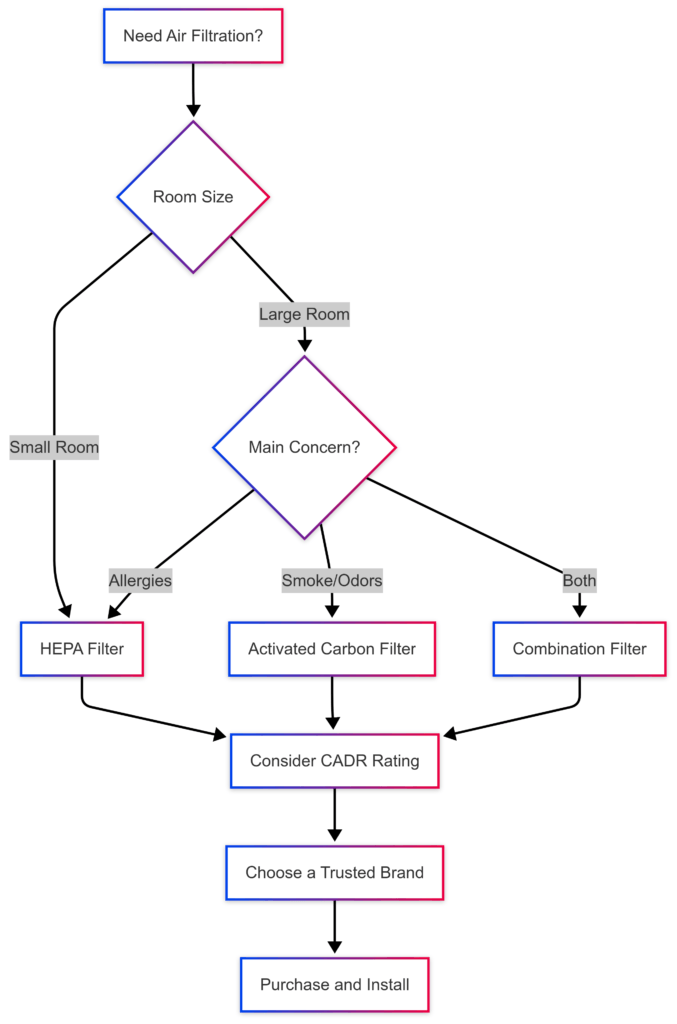
Choosing a smart air purifier involves more than simply comparing brands. It is very important to understand the factors that make a device both effective and eco-friendly. Consider the following points when deciding which purifier fits your needs:
- Energy Efficiency: Select models that incorporate energy-saving technologies. Efficiency is very important, especially when the device runs for extended periods throughout the day.
- Filter Life and Replaceability: Look for purifiers with long-lasting filters that require less frequent replacement. This not only cuts down on waste but also reduces maintenance costs over time.
- Smart Connectivity: A device with strong connectivity options can be integrated into your home automation setup. Remote monitoring and the ability to adjust settings help keep energy consumption in check.
- Environmental Impact: Consider the manufacturing and disposal processes associated with the device. Eco-friendly production methods and recyclable materials add to the overall green value of the unit.
Reviewing these factors carefully ensures that you choose a smart air purifier that is efficient at cleaning the air and gentle on the environment. Spending a little extra time evaluating your options can mean a lasting positive impact on sustainability.
Understanding Key Components of Smart Air Purifiers
To get a better sense of how these clever devices function in an eco-friendly way, it is useful to break down their main components.
- Sensors and Data Processing: These devices feature sensors that check for dust, pollen, and other contaminants. The onboard microprocessor then processes this data instantly, making decisions in real time to optimize performance without wasting power.
- Intelligent Speed Control: Rather than running at full power continuously, the unit adjusts its fan speed according to current air quality needs. This approach not only cleans the air more efficiently but also reduces energy usage.
- High-Efficiency Filters: Many smart purifiers come equipped with HEPA filters capable of trapping up to 99.97% of fine particles. Moreover, the smart system notifies you when it is time to replace them, making routine maintenance both straightforward and cost-effective.
- Integration with Home Automation: Compatibility with home automation networks is a key component of many smart air purifiers. This allows the unit to send alerts, accept remote commands, and even coordinate with other devices such as climate control systems to maintain an optimal indoor environment.
This breakdown helps demonstrate how smart air purifiers improve indoor air quality while actively contributing to energy conservation and supporting a sustainable lifestyle.
Smart Air Purifiers in Daily Life: Practical Benefits for the Environment
Integrating a smart air purifier into your daily routine can have a measurable impact on environmental conservation. By running only when needed, these devices reduce unnecessary power consumption. Lower energy demand means that power plants are not forced to produce extra electricity as often, which in turn can result in reduced fossil fuel use.
Improved indoor air quality also plays a role in reducing health problems caused by pollution. When fewer people suffer from pollution-related issues, healthcare systems experience less strain. Healthier communities can more actively support sustainability practices, adopt green products, and encourage others to do the same.
Additionally, as more households begin using smart appliances, there is a broader educational benefit. Families become more aware of the ways indoor air quality affects their health and the environment. This awareness can lead to additional sustainable practices in other areas of daily living.
Advanced Tips for Maximizing Eco-Friendly Benefits
If you already own a smart air purifier or are considering one, here are some advanced tips to ensure you get the best performance and environmental benefit from your device.
Regular Sensor Calibration: It is a good idea to periodically calibrate your device’s sensors. Keeping them accurate means the system will interpret air quality data correctly and adjust its function as needed. Refer to the owner’s manual for specific calibration instructions if the process is not automatic.
Use Scheduling Features: Most smart purifiers allow you to set operating schedules through a connected app. Program your device to run more intensely during peak pollution times, such as early morning or after cooking, and scale back during off-peak hours to trim unnecessary energy use.
Remote Monitoring: Enable push notifications and alerts on your smartphone. This allows you to check in on your indoor air quality even when you’re away from home, so you can make adjustments as needed and keep energy usage efficient.
Maintenance Reminders: Take advantage of the smart reminders for filter changes or routine servicing. Regular maintenance extends the life of your air purifier and reduces waste by minimizing the frequency of filter replacements.
The Basics: Why Smart Air Purifiers Are an Eco-Friendly Choice
The push for cleaner indoor environments has never been stronger. Smart air purifiers offer a practical option for those who care about both air quality and energy conservation. These devices not only filter the air efficiently but also play an essential role in decreasing your carbon footprint.
In everyday situations, a smart air purifier automatically adjusts its operation based on real-time data. This means it always runs at peak efficiency without requiring constant supervision. By keeping energy use at a minimum, these appliances combine modern technology with sustainability goals to become a favored choice for many environmentally conscious users.
As more households adopt intelligent air purifiers, the cumulative effect on energy consumption can be significant. This positive ripple encourages further advancements in eco-friendly technology and steers the market toward a greener future.
Frequently Asked Questions
Below are a couple of common questions about smart air purifiers and their role in environmental conservation:
Question: How do smart air purifiers reduce energy use?
Answer: These purifiers measure air quality in real time through multiple sensors and adjust their fan speed accordingly. They only ramp up when the air quality dips, which means they use full power only when necessary.
Question: What maintenance is required for optimal performance?
Answer: Regular maintenance, such as cleaning or replacing filters and calibrating sensors, is very important to keep the purifier running efficiently. Many models send reminders when it’s time for upkeep.
Closing Thoughts,
Smart air purifiers are a perfect example of how modern technology can work in harmony with eco-friendly practices. By monitoring air quality, adjusting performance based on real-time data, and offering remote control features, these devices help reduce energy consumption while maintaining a healthy indoor environment. This combination of convenience and environmental care makes them an attractive option for those who want to lower their carbon footprint.
As awareness grows about the relationship between indoor air quality and overall well-being, choosing a smart air purifier can be seen as an investment in both personal health and the future of our planet. Even a small improvement in air quality can lead to significant benefits over time.
Many manufacturers now provide all-in-one support and detailed user guides to help you get the most out of your device. Taking a few moments to follow these guidelines can make a big difference in efficiency and longevity, ultimately reducing waste and conserving energy.
Whether you are upgrading your current setup or trying smart air purification for the first time, each thoughtful decision contributes to a broader commitment to sustainability. This careful balance of technology and environmental responsibility is very important in our pursuit of a cleaner, greener future.

Free replacement filter and lamp with purchase of Trio Plus