Smart air purifiers have become a very popular part of keeping our living spaces fresh and safe. They not only clear the air of dust and allergens but also help regulate indoor air quality using technology and remote monitoring. One thing many users wonder about is how often to replace the filters in these devices. In this article, I will cover why replacing filters is important, the factors that influence how often you should change them, and some practical maintenance tips. With well-timed filter replacements, you can keep your air purifier running at its best, ensuring cleaner air and a healthier home environment.
Understanding Smart Air Purifiers and Filter Replacement
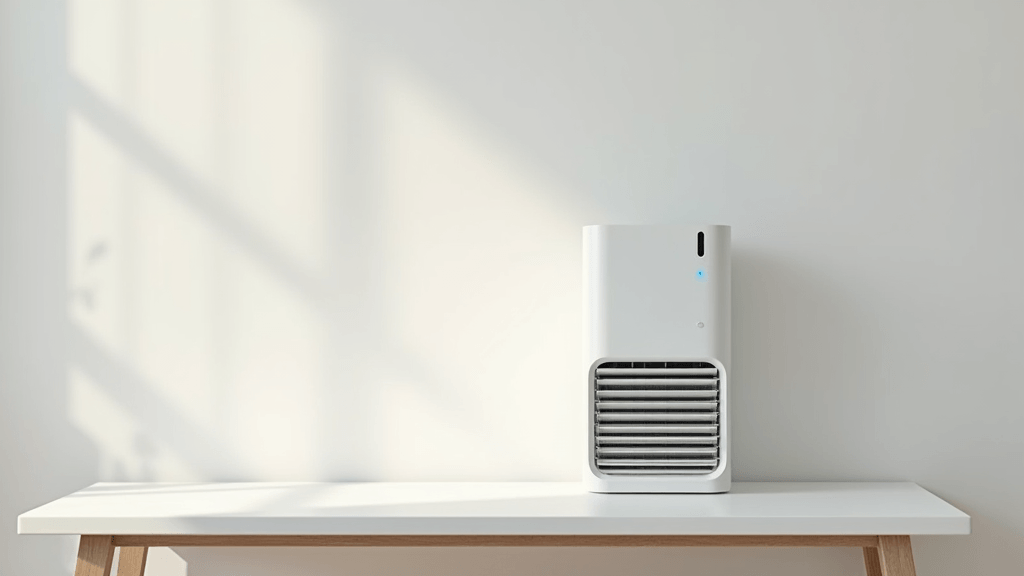
Smart air purifiers differ from traditional models through their advanced sensors and connectivity features. These devices send real-time updates about air quality, and some even notify you when it is time to change the filters. However, even with such technology, it is helpful to have a clear idea of how often replacement is needed based on your usage and environmental conditions.
The filters in most air purifiers do the heavy lifting by trapping dust, allergens, and sometimes even microscopic pollutants. Over time, these filters accumulate particles, and their effectiveness diminishes. Some manufacturers provide a basic guideline, suggesting a filter change every 6 to 12 months, but this recommendation varies based on multiple factors. Understanding these variables can help you plan maintenance more efficiently.
Smart systems can analyze air quality and offer feedback, but they work best when combined with a clear routine. Regular filter replacement means you are more likely to enjoy superior air quality consistently. For anyone relying on these devices, knowing the optimal schedule is as important as understanding the unit itself.
Factors Affecting Filter Lifespan
Several things can influence just how long a filter will last in your smart air purifier. One significant factor is the air quality in your location. Living in an area with high pollution or a lot of dust can shorten the life of a filter. For example, apartments in bustling cities or houses near busy construction sites might experience faster filter clogging.
Another major factor is the usage pattern. If you have the air purifier running 24 hours a day, your filter will fill up much quicker than if the unit is used sparingly. Additionally, the number of people and pets in the home also plays a role. More activity means more particles are constantly being drawn into the device, which speeds up the need for a filter change.
Temperature and humidity levels in your area also contribute. Higher humidity can cause certain types of filters to capture moisture, making them less efficient over time. Similarly, during allergy seasons when pollen is abundant, filters can get loaded much faster, requiring more frequent changes.
Manufacturer recommendations are a good starting point. They usually base their advice on controlled test environments and standard usage conditions. But real-life conditions often vary, so it might be necessary to adjust the schedule based on your actual experience with filter performance.
How Often to Replace Your Filter
Most general recommendations suggest changing filters every 6 to 12 months. However, this figure is only a guideline. If your air quality is heavily compromised or if you have multiple users in the household, you might need to replace the filter more often. Some smart air purifiers even offer a built-in reminder, alerting you when the filter needs to be swapped out.
If you notice a decrease in the purifier’s performance, such as a drop in airflow or an unusual noise, these might be signs that the filter is clogged. It is very important not to ignore these signals. Maintaining peak performance not only keeps indoor air clean but also extends the device’s overall lifespan.
For those with specific health concerns, especially if someone in the home suffers from allergies or asthma, more frequent replacements might be necessary. Getting the timing right can help reduce the burden on the air purifier, allowing it to focus on cleaning the air rather than dealing with overly clogged filters.
Some users even set up their own schedules by marking a calendar or using mobile apps for reminders. If you like a handy service, changing your home filters is as easy as 1-2-3. FiltersFast.com Home Filter Club is a subscription service that protects your family’s health and your investment with filter deliveries for the products you need on the schedule you need them. Check it off your to-do list today! Click here to sign up.
It is also worthwhile to note that paying attention to subtle cues such as a slight decrease in airflow or an uptick in operational noise can save you from unexpected performance issues. Taking a few minutes every few months to inspect your unit can make all the difference in long-term air quality and device reliability.
Maintenance Tips and Best Practices
To get the most from your smart air purifier, combining regular filter replacements with other maintenance tasks is key. Keeping the rest of your device clean can help reduce unnecessary strain on the filters. For starters, dusting the case and wiping down surfaces can prevent particles from re-entering the air.
Taking a few extra steps can also optimize the performance and lifespan of your filter. For example, it helps to periodically inspect the internal mechanisms of your air purifier, ensuring that no dust or debris accumulates in areas that could affect sensor performance or airflow.
- Monitor filter performance: Take advantage of the built-in sensors if available. They can advise when the filter is nearing capacity and needs to be replaced.
- Follow the manufacturer’s instructions: Every device is different. Some models come with multiple filter layers, and understanding the specific recommendations is very important.
- Schedule regular checks: Whether you use a calendar reminder or a dedicated app, regularly check the filter condition. This can be especially helpful during times when air quality is poorer.
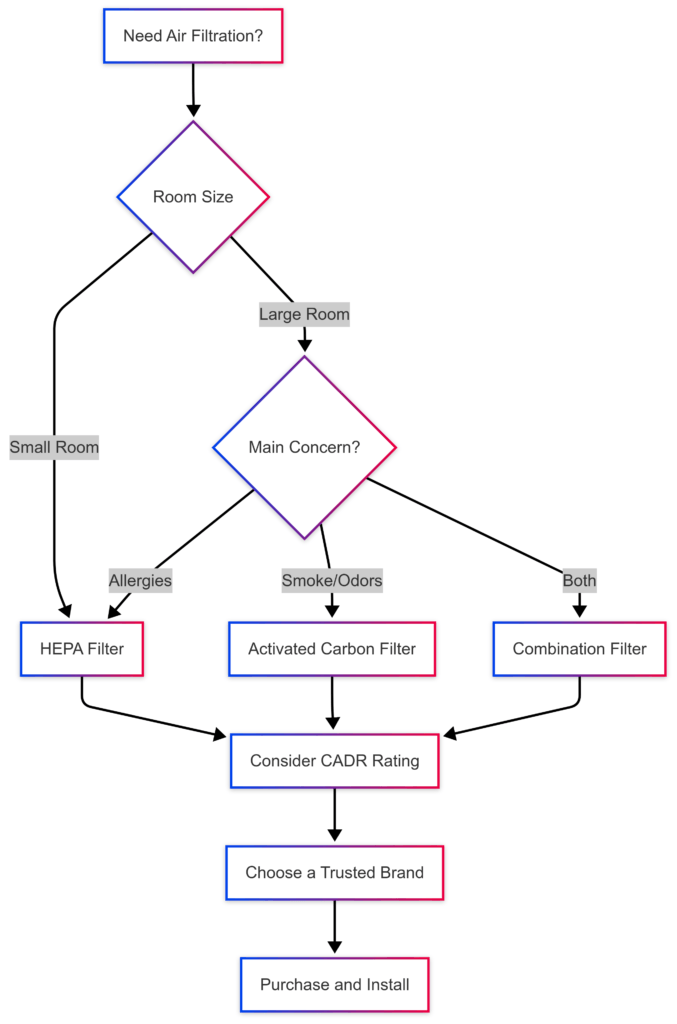
In addition to these practical steps, it can be very beneficial to educate yourself about the different types of filters available. HEPA and carbon filters are common in smart devices, and they serve different roles. HEPA filters trap smaller particles like pollen and dust mites, while carbon filters are more effective at capturing odors and volatile chemicals. Using the right type of filter according to your needs ensures that you get the best results from your air purifier.
Advanced Considerations for Filter Management
Some users have become quite adept at using smart technology to improve their home environment. Beyond just replacing filters on schedule, advanced users might consider tweaking settings or even integrating other smart home systems for optimal performance. Many smart air purifiers now include features that allow remote monitoring and control. This means you can check the status of your filters even when you are not at home.
These systems often include automated notifications directly to your phone or tablet, keeping you updated on when it’s time for a change. Making the most of these features can free you from the guesswork and help maintain continuous clean air. There might be other technical considerations as well. For instance, some models provide insights into the particle count and help determine if environmental changes, like a spike in pollution, require a faster filter change schedule.
When your air quality dashboard shows unusually high numbers, it’s a clear indicator that extra attention is needed. Keeping a log of your filter changes can also be a smart move. Noting the date of replacement and any changes in performance over time can help you predict future maintenance needs. In some cases, you might observe that filters tend to wear out faster during certain seasons. This detailed record-keeping makes planning easier and more reliable.
Also, be aware that energy use and overall device efficiency are closely tied to filter condition. A clogged filter forces the motor to work harder, which can lead to higher energy consumption. Regular maintenance—including timely filter replacement—can help streamline your purifier’s operation, ultimately reducing electricity usage and benefiting your budget in the long run.

Frequently Asked Questions
Here are some common questions I often hear about smart air purifier filter replacement:
Question: How do I know when it’s time to replace the filter?
Answer: Many devices come with a filter indicator that notifies you when performance drops. Watch for reduced airflow, increased noise, or lower air quality readings. If you do not have a smart notification system in place, a routine check every 6 months is a good rule of thumb, though this can vary depending on usage.
Question: Can I clean and reuse the filter instead of replacing it?
Answer: Most filters in air purifiers are designed for single-use. While some pre-filters might be washable, the main filter components typically need to be replaced to ensure effective operation. Always follow the manufacturer’s cleaning and maintenance guidelines.
Question: Are there different types of filters that need different replacement schedules?
Answer: Yes, different filter types like HEPA and activated carbon have different lifespans. HEPA filters may require replacement more frequently if they capture a high volume of small particles, whereas carbon filters might last longer in environments with fewer odors or chemical pollutants. Check the manufacturer’s instructions for specific guidance.
Question: What should I do with old filters?
Answer: Always dispose of used filters in accordance with local regulations. Some filters may need to be recycled, so it is a good idea to check with your local waste management services for the appropriate methods.
Practical Tips for Long-Term Filter Management
Developing a regular maintenance routine can make filter replacement a breeze. A few practical tips include:
- Set reminders on your phone or calendar to check on your air purifier’s filter every few months.
- Keep spare filters on hand so you can replace them quickly when needed.
- Learn about seasonal changes in your area that might affect air quality and adjust your maintenance schedule accordingly.
- Read any notifications provided by your smart air purifier. They are there to help you keep track of when your device needs attention.
Regular maintenance not only keeps your air purifier functioning well but also prolongs its overall lifespan. It really pays off in the long run to invest time in upkeep rather than dealing with a malfunctioning unit when it’s too late.
Extra Considerations for Sustained Air Quality
Beyond the routine care described above, it can be extremely useful to periodically assess the overall environment in which your air purifier operates. A few additional pointers include evaluating room layouts to ensure optimal air circulation and considering the impact of new household items that might contribute additional dust or allergens. This extra effort can make a noticeable difference in the performance of your device over time.
Furthermore, staying informed through online communities, user reviews, and manufacturer updates can provide you with new ideas for maintaining peak performance. Occasionally, manufacturers release updated guidelines or suggest adjustments to installation methods that could extend the life of your filters. Taking a proactive stance—such as jotting down your observations and comparing them over multiple seasons—helps you stay one step ahead of potential issues.
By continuously checking in and making small adjustments as needed, you ensure that your air purifier remains an effective guardian of indoor air quality. These practices not only secure a healthier environment but also contribute to energy savings and longer device life.
Wrapping Up
Deciding how often to replace filters in your smart air purifier is not just about following a calendar. It is about understanding your environment and the demands placed on your device. By keeping an eye on key factors such as air quality, usage patterns, and seasonal changes, you can figure out the optimal schedule that suits your needs.
Staying proactive with filter changes means you enjoy not only cleaner air but also energy savings and a longer-lasting appliance. Remember, with modern smart air purifiers, you often have a built-in guide to help monitor filter condition. However, nothing beats an informed approach to maintenance.
If you eventually decide that keeping up with the filter replacements is a hassle, consider a subscription service. Changing your home filters is as easy as 1-2-3. FiltersFast.com’s Home Filter Club protects your family’s health and your investment by delivering filters on the schedule you need. Check it off your to-do list today! Click here to sign up. This service simplifies maintenance and ensures that your device is always ready to deliver the best air quality possible.
Taking the time to understand and manage your air purifier’s filter cycle is a practical step toward a healthier home. With clear guidelines and smart maintenance strategies, you can avoid unexpected drops in performance and enjoy consistent, clean air throughout the year. Remember that effective home care is achieved not by just following a set routine but by continuously assessing and adjusting to the needs of your living space.
Smart air purifiers provide a next-level cool example of how technology can improve everyday life. A little attention to filter replacement schedules, combined with regular upkeep, goes a long way in protecting your health and your investment. Stay informed, stay proactive, and breathe easier knowing that clean air is just a timely filter change away.