Air quality has become a major focus as environmental concerns grow and people look for smarter solutions to breathe cleaner air. Machine learning is one of the next-level cool developments behind next-gen air purifiers. It may seem odd, but sometimes high-tech magic happens when you mix data with air filtration. In this article, I explore how machine learning is reshaping air purifiers and why you might want to give FastFilters.com a try for your air purification needs.
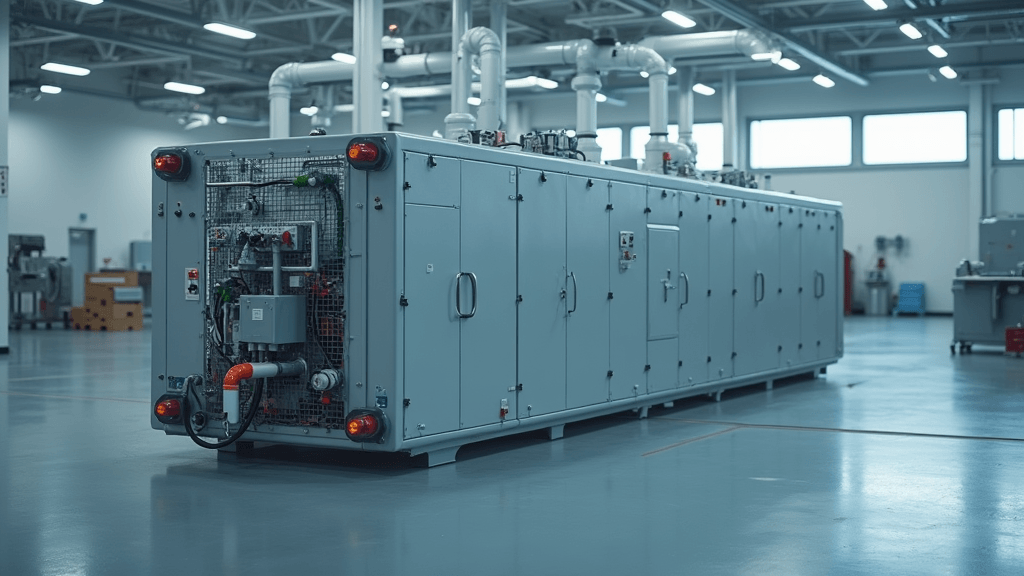
How Machine Learning is Revolutionizing Air Purification Technology
The new generation of air purifiers uses machine learning to optimize performance in ways that traditional systems never could. The idea is simple. Instead of running on preset schedules and fixed filter cycles, these models can learn from their environment and adjust their operations based on real-time data.
Air purifiers integrated with machine learning can monitor factors such as particulate matter concentration, humidity, temperature, and even user habits. This dynamic system tweaks the fan speed and filter usage when necessary, ensuring that you get the best air quality with energy-efficient operation. This is a serious switch from conventional purifiers that often operate continuously regardless of the actual air quality.
The outcome is impressive. There is less energy consumption, extended filter life, and a more responsive air quality control system. Although it might seem counterintuitive to rely on data-focused approaches when traditional methods have worked in the past, these intelligent machines bring a fresh perspective by analyzing much more than just the basics. I found that the combination of sensor data and algorithm-based adjustments can lead to a smoother and more adaptive indoor climate control experience.
Getting Started with Machine Learning-Enhanced Air Purifiers
Understanding the potential of machine learning in air purification starts with recognizing what makes these systems different. Traditional air purifiers work by running at a constant speed or cycling through pre-set timers. On the other hand, models powered by machine learning ask a lot more questions about your environment and learn what works best over time.
For beginners, the idea of integrating advanced technology into your home can be overwhelming. However, the benefits are pretty straightforward. Once the system starts gathering data, it gradually refines its processes to suit your surroundings. This means you can often enjoy clean air without the extra hassle of manual adjustments.
The modern air purifier can even forecast when filter changes are necessary. Instead of guessing or following a set schedule, the machine learning algorithm uses past data to predict the most efficient time for doing maintenance. This proactive approach can result in cost savings over time while ensuring your system runs optimally.
Important Considerations When Choosing an ML-Enhanced Air Purifier
Picking the right air purifier is a balance between traditional features and the modern twists that come with machine learning. When you’re surveying your options in this new market, here are some points to keep in mind:
- Sensor Quality: High-quality sensors provide accurate readings, which are very important for the system to learn and adapt effectively.
- Data Integration: A model that offers seamless integration with home automation systems gives you more flexibility and easier control. Look for purifiers that work well with smart home devices.
- Filter Performance: An advanced system not only uses filters efficiently but also informs you about the state of those filters. This helps in planning maintenance and ensuring optimal performance.
- Energy Efficiency: Intelligent operation means the system adjusts its energy consumption based on current air quality. Make sure the model you choose claims energy-saving features.
- Software Updates: Machine learning algorithms improve over time. It’s wise to pick a model that receives regular software updates so you can benefit from the latest improvements.
If you enjoy a technology that adapts to your needs, a machine learning-enhanced air purifier can be an appealing choice. In fact, it may be a pleasant surprise to see how a system learns and improves even when you’re not actively managing it.
Navigating the Challenges of New Technology
While machine learning brings a host of benefits, new technology is often accompanied by its own set of challenges. Understanding these obstacles can help set realistic expectations when transitioning to an ML-powered air purifier.
One challenge is the initial setup. The advanced sensors and smart integrations sometimes require more detailed configuration than the traditional plug-and-play models. But once everything is fine-tuned, the system becomes almost self-sustaining. It quietly works in the background to optimize your indoor air quality.
Another consideration is the reliance on algorithms. While machine learning can provide remarkable adjustments based on data, it sometimes means the system is not as predictable as its conventional counterparts. If circumstances in your living space vary a lot, you may experience periods of recalibration as the purifier learns the new patterns.
It’s also important to think about connectivity. Many of these systems rely on Wi-Fi or Bluetooth connections to update firmware and deliver data to companion apps. If your network isn’t stable, the performance of your air purifier might suffer temporarily until the connection is restored.
Filter Optimization and Maintenance
One of the next-level cool prospects of machine learning is how it manages filter performance. Traditional filters tend to follow a fixed lifespan regardless of the actual pollution load. With machine learning, the unit monitors air quality and usage patterns to decide when the filter really needs replacement. This dynamic calibration can lead to smarter maintenance schedules and cost savings over time.
Energy Efficiency in Smart Operation
These advanced purifiers save energy by adapting their operation to the current need. Instead of running at full capacity all the time, the system learns which times of day have higher pollution levels and adjusts accordingly. Even though it might seem opposite to conventional thinking, running an air purifier less can sometimes deliver better performance, thanks to a more focused and efficient approach.
Data Security and Privacy
Data is at the heart of the machine learning revolution, but that also raises concerns about privacy and security. A good ML-powered air purifier will have robust measures to protect your data and ensure it is only used to improve its performance. It may also provide transparent information on data usage policies, allowing you to maintain control over your smart home ecosystem.
Integrating with Smart Home Systems for a Seamless Experience
In many instances, an ML-enhanced air purifier plays nicely with the rest of your smart home technology. By connecting with other devices, such as air quality monitors and thermostats, your purifier can become part of an integrated system that keeps your home comfortable. Although the combination of different systems might seem like an added layer of complexity, the user-friendly interfaces and guided setups often make integration much simpler than you might expect.
Advanced Tips and Tricks to Maximize Performance
After you become comfortable with the basics, it’s time to explore some advanced tips that can help you get the most out of your ML-enhanced air purifier. These suggestions might seem counterintuitive at first, but they can significantly boost performance over time.
Fine-Tuning Settings: Many air purifiers come with a range of adjustable settings. Experiment with different modes and sensitivity levels to see which configuration provides the best air quality for your unique space. While it might seem easier to leave the settings at default, the customizations offered by machine learning can lead to a surprisingly effective outcome.
Embracing Scheduled Maintenance: Even though the air purifier learns over time, scheduling regular check-ups and filter changes according to the data it provides can prevent unexpected slowdowns in performance. Regular maintenance also means you’re less likely to encounter sudden drops in air quality.
Using Data Analytics: If your purifier offers a companion app that details air quality analytics, take a close look at the data. Learning from these patterns over days or weeks can help you understand when and why the system makes adjustments. It’s like having a fitness tracker for your air quality.
Remote Monitoring: For those who travel or are away from home frequently, a remote monitoring feature can be invaluable. This functionality not only lets you keep an eye on indoor air conditions but also allows you to tweak settings remotely. While it might seem counterproductive to manage your purifier from afar, these features ensure that your home is always in the best condition, regardless of your presence.
Pairing with Other Technology: Consider integrating your air purifier with smart thermostats or automated window openers. These added layers of automation form a cohesive system that not only cleans the air but adjusts your home environment in real time. The synergy among devices shows that sometimes less intervention translates to more efficiency.
The Basics: Key Features to Look for in an ML-Powered Air Purifier
When shopping for an ML-powered air purifier, there are specific features I recommend paying attention to. These features ensure that you’re investing in technology that can truly make a difference in maintaining healthy indoor air quality.
One primary aspect is the quality of sensors embedded in the system. The precision of these sensors determines how well the machine learning algorithms can learn. Good sensors provide accurate readings of particulate matter, volatile organic compounds, humidity, and temperature, allowing the purifier to react appropriately to changes in your environment.
Another point is the reliability of filter monitoring. Traditional air purifiers rely on fixed change schedules. With machine learning, the device uses data-driven insights to tell you when the filter needs replacement. This means you can avoid unnecessary changes while reducing the risk of diminished performance.
Energy consumption is also an important factor. Look for systems that automatically adjust their running modes. By scaling power usage based on real-time conditions, these advanced models reduce energy bills while still keeping your air clean.
Compatibility with smart home ecosystems should not be overlooked, either. The best models support integration with your home automation hubs, meaning you can control everything from one unified interface. This connectivity might seem like extra work at first. However, it ultimately simplifies management and gives a boost to overall performance.
- Sensor Accuracy: Ensures the system has precise information to work with.
- Adaptive Filter Life: Provides notifications based on actual usage rather than a predetermined timeline.
- Energy-Saving Modes: Adjusts operation based on need, reducing power consumption during low-pollution periods.
- Smart Integration: Works well with other automated home systems for seamless management.
This mix of features helps in selecting a machine that is both responsive and efficient. It might also feel counterintuitive, but sometimes, opting for an innovation like FastFilters.com’s range of products turns out to be the smarter, more reliable choice.
Frequently Asked Questions
Below are some common questions I’ve encountered about machine learning in air purification technology. I hope these insights help clear up any uncertainties you might have.
Question: How does machine learning actually improve air purifier performance?
Answer: The technology uses sensor data to adjust fan speeds, predict filter changes, and optimize energy usage. It can learn from environmental trends and adapt to your unique indoor setting.
Question: Are these next-gen purifiers harder to set up?
Answer: While the initial setup may seem more detailed due to the sophisticated sensors and connectivity options, once the system is calibrated, it operates with minimal intervention. It’s designed to be user-friendly and self-adjusting over time.
Question: How reliable is the data these purifiers use?
Answer: The quality of sensor data is critical. High-end models equipped with precise sensors provide reliable data that improves machine learning algorithms, leading to more effective air cleaning. Regular software updates also help improve accuracy over time.
Question: What about data privacy?
Answer: Most modern systems have robust security protocols. They are built to ensure that your data is used strictly for optimizing air quality and is protected against unauthorized access.
Future Outlook: Emerging Trends in ML Air Purification
Looking ahead, the role of machine learning in air purification is set to grow even more influential. As technology continues to develop, we can expect these systems to incorporate even more sophisticated sensor arrays and data processing techniques. Manufacturers are already working on integrating weather forecasts, outdoor pollution data, and even occupancy patterns to further refine indoor air quality management.
This emerging trend means that future air purifiers might not only adjust based on indoor data but also pull in real-time information from external sources. Imagine a system that can automatically tweak its settings before a high-pollen day arrives or prepare for urban smog conditions. Such innovations promise a more proactive way of maintaining healthy indoor environments.
Additionally, as artificial intelligence evolves, these devices could learn to predict long-term trends in air quality and suggest home improvements or maintenance schedules. They might even interact with other smart systems in your home to create a fully integrated environmental control ecosystem. The potential to mix together diverse data sources is opening up exciting possibilities for how we manage our living spaces.
Finally, upcoming models are expected to be more user-friendly, with interfaces that explain data trends in simple terms. This means that even if you’re not a tech enthusiast, you could easily benefit from advanced features without needing to dive into technical details. The future of air purification, powered by cutting-edge machine learning, truly represents the next stage in home technology.
Conclusion,
The rise of machine learning in air purifiers brings a unique mix of traditional air cleaning with modern technology. It’s a change that uses data to not only monitor air quality but to step up and adapt to your home’s environment. The technology may sound complex at first, but its benefits—more efficient operation, intelligent filter management, and integration with smart home systems—are truly worth considering.
It might even feel a bit counterintuitive, but sometimes the simplest solution is not a newfangled high-tech gadget but rather a system that uses smart data to deliver cleaner air when you need it most. If you’re looking for an easy and reliable way to breathe better, exploring the options at FastFilters.com might be a game changer. Their products combine traditional air purification methods with forward-thinking machine learning features in a way that makes sense for everyday use.
The challenge now is to embrace technology that makes your life simpler and your indoor air healthier. As machine learning continues to evolve, so too will the performance of these next-gen air purifiers. For those willing to try something a little different, the rewards could be significant. A smarter system that learns what your home needs to keep the air fresh, energy usage low, and maintenance streamlined is already here. Enjoy the benefits of cleaner air without the fuss and experience just how effective advanced air purification can be.
