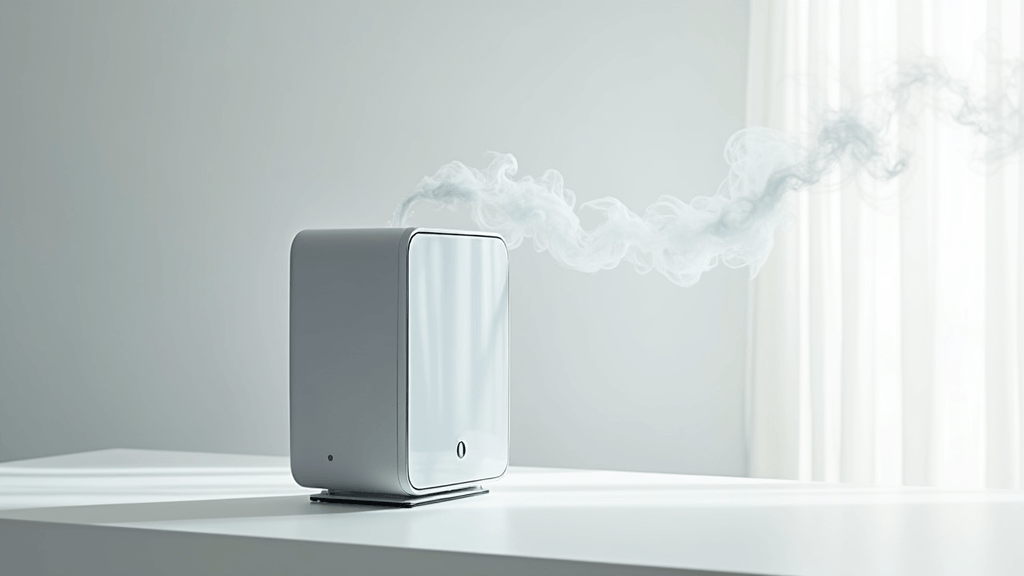
Air quality issues affect many homes, especially when smoke is a problem. When indoor air is contaminated, having a reliable air purifier can improve life quality. In this article, I share insights on some of the highest recommended air purifiers for smoke. The advice provided here can help guide your choices and offer useful tips for maintaining a healthier environment in your home.
1. Why Air Purifiers Matter for Smoke
Smoke from wildfires, cigarettes, or urban pollution is a common source of indoor air contaminants. Smoke particles can affect breathing and long-term health, especially for people who are often balancing busy careers and family life. Using an air purifier designed to filter out smoke can bring fresh, clean air indoors and protect your health while easing daily life.
Air purifiers remove tiny particulate matter and harmful chemicals from the air. Improving the indoor climate not only leads to better health but also creates a more comfortable home environment during challenging times. Furthermore, a well-chosen unit can help you cope with sudden spikes in smoke levels during seasonal events, ensuring that your living space remains safe and pleasant.
2. Key Features to Consider
Not all air purifiers are made the same. It’s important to focus on features that are specifically designed to combat smoke. One of the key factors is the filtration system. A purifier featuring a high-efficiency particulate air (HEPA) filter and activated carbon is most effective for smoke particles.
Other features can make a difference, too. Some models offer sensors that adjust the fan speed automatically, while others come with timer options and remote controls. Understanding these features can help you choose a model that fits both your lifestyle and the size of your space. Paying attention to technical specifications and user-friendly designs can also give you peace of mind that you are investing in a unit that will stand up to daily use.
Standout Features Include:
- A true HEPA filter to trap fine particles.
- Activated carbon filters for harmful chemicals and odors.
- Smart sensors for automatic air quality adjustments.
- Quiet operation, which is very important during night time.
When evaluating different models, look for these technical aspects to ensure you get a unit that not only cleans effectively but is durable and efficient over time.
3. Room Size Considerations
One size does not fit all when it comes to air purifiers. Knowing the area of your room or home is essential in choosing the right model. A small purifier may work well for individual rooms, while larger spaces might demand a more powerful system.
Manufacturers usually provide specifications that indicate the recommended room size, measured in square feet. This information helps ensure the unit you pick has enough capacity to clean your space efficiently. Investing in a purifier that’s too small might lead to persistent pollutants, whereas a system that’s too large might waste energy.
How to Estimate the Right Size:
- Measure your room’s dimensions.
- Calculate the total area in square feet.
- Check the product specifications for recommended room coverage.
- Consider multiple units for open or large spaces.
This practical approach ensures that you find a unit that meets your specific needs without compromising on air quality.
4. Advanced Filtration Technologies
Modern air purifiers come with several filtration technologies designed to remove smoke particles effectively. The combination of HEPA and activated carbon filters is a popular solution that addresses both the physical particles and the chemical compounds found in smoke.
HEPA filters are capable of capturing more than 99% of fine particles. Activated carbon, on the other hand, adsorbs the odors and volatile organic compounds (VOCs) that often accompany smoke. Together, these filters work to provide cleaner air throughout your home.
How It Works:
- The HEPA filter traps microscopic particles, including pollen and smoke fragments.
- The activated carbon filter soaks up chemical gases and odors.
- Some advanced models also include a pre-filter to capture larger particles, thereby extending the life of the main filters.
Understanding how these systems operate helps in making an informed choice, ensuring that the air purifier you select delivers the efficiency you expect against smoke pollution.
5. Energy Efficiency and Noise Levels Advice
Energy consumption is an ongoing concern for many users, particularly in households that use multiple units or run them continuously. Modern air purifiers are designed to be energy efficient and often feature an ENERGY STAR rating to help reduce electricity usage.
Noise is another practical aspect. A noisy unit can be a nuisance at night or in quiet environments. Review product specifications and user feedback to decide whether the unit’s noise level fits your living space requirements. A unit that operates discreetly enhances overall user satisfaction without intruding on daily activities.
Benefits of Energy Efficiency and Low Noise:
- Lower energy bills over long-term use.
- A quieter operation helps maintain a peaceful home environment.
- Enhanced user experience without disruptions during sleep or work.
Selecting an energy-efficient, quiet model is a smart investment that pays off in both comfort and cost savings over time.
6. Maintenance and Cost Management
Keeping an air purifier running well means paying attention to maintenance. Regular filter replacements and cleaning are necessary to maintain performance, especially when dealing with smoke, which can clog filters quickly. Before buying a model, examine the cost of replacement filters and the maintenance schedule recommended by the manufacturer.
Cost management is closely tied to maintenance. A unit that is cheaper upfront might incur higher running costs over time if its filters are expensive or need frequent replacement. Balancing initial investment against ongoing costs is very important for long-term satisfaction.
Maintenance Tips:
- Check the manufacturer’s recommendations for filter changes.
- Use a vacuum or damp cloth to keep the exterior dust-free.
- Consider models with filter change indicators.
Cost Considerations:
- Compare replacement filter prices across different brands.
- Factor in warranty coverage and customer support.
- Look for units with energy-saving features.
Proper maintenance and careful cost analysis are super useful in ensuring that your investment continues to deliver clean air efficiently and reliably.
7. Top Recommended Models for Smoke
Several air purifiers have proven effective in reducing smoke particles and odors. While I am not endorsing a single product, models that consistently earn praise combine robust filtration systems with user-friendly features and reliable performance.
Here are a few models that you might consider, each offering unique benefits:
- Model A: Known for its strong HEPA and activated carbon filter combo, this model is suitable for moderately sized rooms and offers a quiet operation mode.
- Model B: Featuring smart sensors and an automatic mode, Model B adjusts its performance based on current air quality, making it ideal for fluctuating smoke levels.
- Model C: Valued for its energy efficiency and sleek design, Model C is a good option for larger spaces and comes with an easy-to-change filter system.
When exploring options, it is useful to read detailed reviews and check third-party test results to see how these models perform under various conditions. This approach ensures that you find a unit that not only offers the features you need but also stands up to real-world challenges with smoke removal.
8. Customer Reviews and Reliability Factors
Feedback from people who have used these air purifiers can offer valuable insights. Customer reviews often highlight practical experiences that technical specifications might miss. Overall satisfaction, ease of use, and reliability are recurring themes in positive reviews for quality models.
Reading through customer comments and expert reviews helps you gauge how well a model performs over time. This kind of research is especially helpful when considering the long-term operation of an air purifier in environments with persistent smoke problems.
Customer Tips to Consider:
- Look for reviews that mention filter replacement frequency.
- Consider reported noise levels in real-use scenarios.
- Check comments on customer service responsiveness.
These tips can provide a clearer picture of what to expect from each model and empower you to make a more informed purchasing decision.
9. Ease of Use and Installation in a Home Setting
The practicality of setting up an air purifier is another factor not to overlook. Many modern designs focus not just on performance but also on user-friendly features. Units are often designed with intuitive controls, clear display panels, and even smartphone connectivity to monitor indoor air quality remotely.
Installation is typically a simple process that does not require professional help. Placing the device in a location that optimizes airflow can boost its performance. Reading user manuals and watching setup videos can help you learn the best practices for positioning your unit effectively.
Helpful Installation Tips:
- Place the purifier in an area where air circulates freely.
- Avoid blocking airflow with furniture or walls.
- Use the auto mode if available so the unit can adjust settings automatically.
A smooth setup and ease of use ensure that the air purifier works at its best right from the start and continues to meet your needs with minimal hassle.
10. Final Thoughts on Choosing the Best Air Purifier for Smoke
Choosing an air purifier for smoke requires a balance of technology, practicality, and cost efficiency. When you find a unit that includes features like a HEPA filter, activated carbon, energy efficiency, and easy maintenance, you’re investing in cleaner, healthier air for your home.
Remember to consider the size of your room, the specific challenges posed by smoke, and feedback from other customers. This way, you build a well-rounded understanding of which air purifier can best meet your needs. The decision on which model to choose comes down to your personal priorities and the specifics of your home environment.
Taking the time to read reviews, compare features, and carefully evaluate costs is essential for making a smart purchase. A thoughtful decision can result in a unit that fits seamlessly into your routine and consistently improves your indoor air quality over the long term.
What air purifier feature matters most to you? Is it the ease of filter replacement, smart monitoring, or perhaps the energy-saving capabilities? Reflecting on these aspects can further guide you towards the model that suits your lifestyle perfectly.
11. Extra Tips for Sustaining Fresh Air in Your Home
In addition to selecting the right air purifier, there are several extra steps you can take to ensure your home remains a haven of fresh air. Regular cleaning routines and periodic maintenance of your purifier go a long way in keeping indoor pollutants at bay. Consider integrating simple practices such as dusting surfaces, vacuuming carpets, and ensuring that frequently used areas are well-ventilated.
Another helpful tip is to use indoor plants strategically. Certain plants are known for their ability to naturally filter air and may complement the technology of your air purifier. Moreover, controlling indoor humidity through dehumidifiers or proper ventilation can prevent mold and further enhance overall air quality.
It is also a good idea to schedule routine checks on your air purifier’s filters and indicators; this keeps you informed about when maintenance is necessary so that the device continues to perform at its best. Combining these practices with the smart features of your modern air purifier creates an environment that is not only clean but also comfortable and reassuring.
By taking these additional steps, you’re not just relying on a single device—you’re actively participating in creating a healthier space for you and your family. Extra care in maintaining indoor air quality can reduce health risks and contribute to a more vibrant home life.
