HEPA and HEPASilent air purifiers work by physically removing airborne pollutants such as dust, pollen, smoke, and PM2.5. UV-C does not clean air on its own and only works as a limited secondary feature when air is exposed long enough inside a sealed chamber.
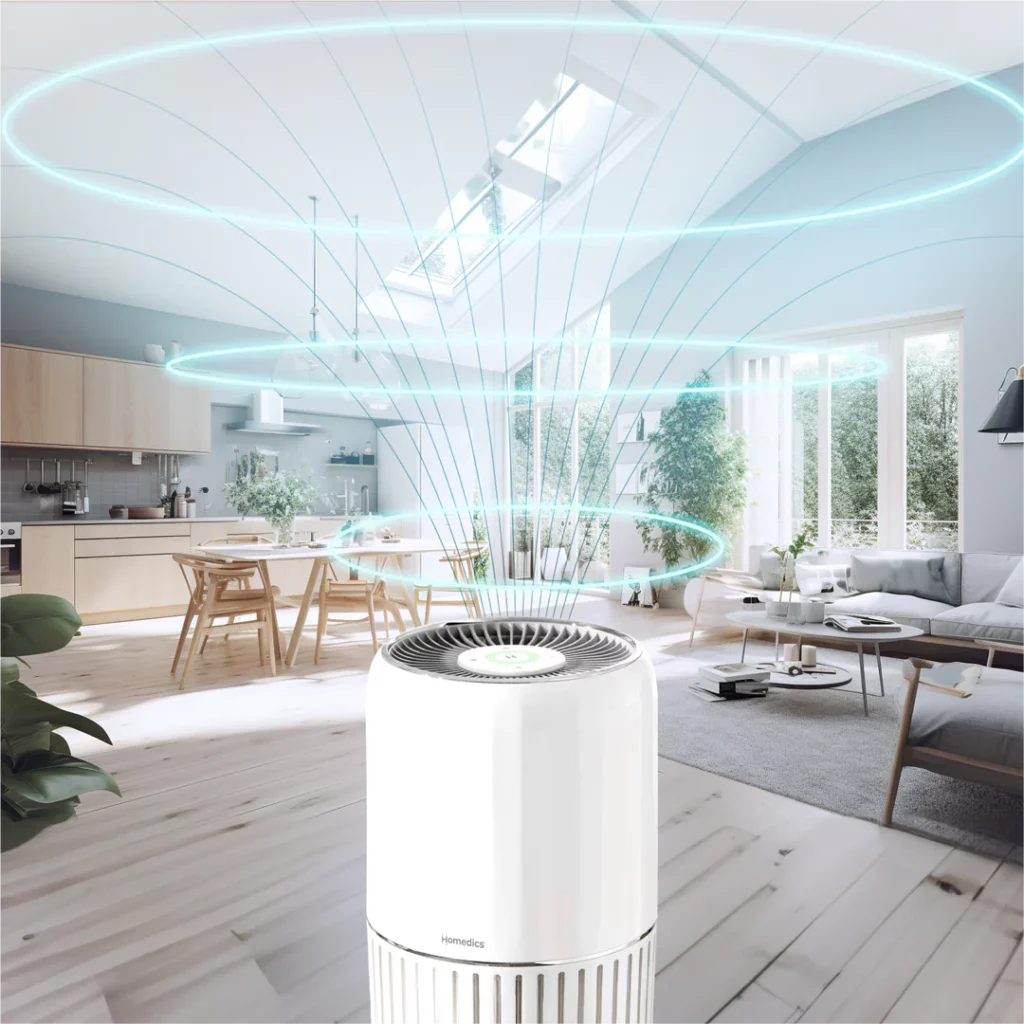
If you are shopping for a smart air purifier, you have probably seen bold claims about “medical-grade air,” “UV sterilization,” or “hospital-level purification.” The problem is that these terms are often used interchangeably, even though the technologies behind them work in very different ways.
This guide explains what each technology actually does, what problems it solves, and which features matter in real homes—not just on marketing pages.
—
HEPA vs. HEPASilent vs. UV-C: Quick Comparison
| Technology | How it works | What it removes | Effectiveness | Safety |
|---|---|---|---|---|
| HEPA | Dense mechanical filtration | Dust, pollen, smoke, PM2.5 | Very high | Safe |
| HEPASilent | Electrostatic charge + HEPA-grade filter | Same as HEPA, often faster | Very high | Safe (certified systems) |
| UV-C | Ultraviolet light disrupts microbes | Some bacteria and viruses | Limited | Must be enclosed, ozone-free |
—
How HEPA Air Purifiers Actually Clean the Air
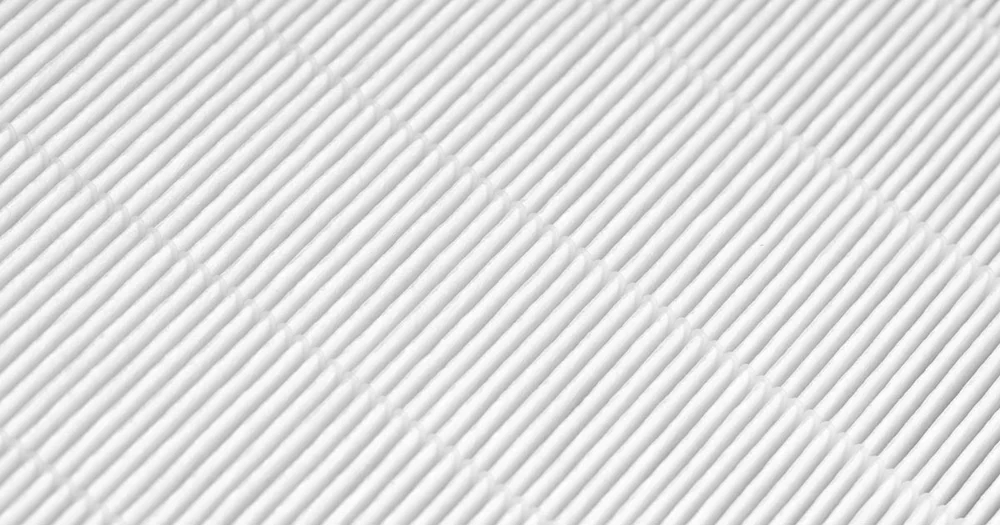
True HEPA filtration is defined by international standards. A certified HEPA filter captures at least 99.97% of particles at 0.3 microns, including allergens, wildfire smoke, fine dust, and airborne irritants.
What determines real-world HEPA performance is not the label alone, but how the purifier is built around it:
• Proper sealing so air cannot bypass the filter
• Adequate filter surface area
• Clean Air Delivery Rate (CADR) matched to room size
HEPA works by removing pollutants from the air. It does not neutralize or mask contaminants—it physically captures them.
—
What Makes HEPASilent Different
HEPASilent technology combines electrostatic charging with a high-efficiency mechanical filter. Particles are electrically charged before they reach the filter, making them easier to capture.
This design allows many HEPASilent purifiers to:
• Remove particles faster at similar airflow rates
• Operate more quietly at effective speeds
• Maintain performance with lower fan resistance
When independently tested, HEPASilent systems perform as well as—or better than—traditional HEPA systems. This is why they are often preferred for bedrooms and living areas where noise matters.
—
The Truth About UV-C Air Purifiers
UV-C light can inactivate microorganisms by damaging their DNA or RNA. However, this only works when very specific conditions are met:
• Sufficient light intensity
• Adequate exposure time
• Direct exposure inside a sealed chamber
In most portable air purifiers, air moves too quickly for UV-C to have a meaningful effect. More importantly, UV-C does not remove particles like dust, smoke, or allergens.
UV-C can be a supplemental feature, but it cannot replace proper filtration. A purifier that relies on UV-C instead of strong filtration is not designed to improve everyday indoor air quality.
—
Which Technology Helps With Real-World Problems?
| Concern | Best solution |
|---|---|
| Seasonal allergies | HEPA or HEPASilent filtration |
| Wildfire smoke | High-CADR particle filtration |
| Pet dander | Dense mechanical filtration |
| Sleep disruption | Quiet HEPASilent designs |
| General hygiene | HEPA first, UV-C optional |
—
What Actually Matters When Buying a Smart Air Purifier
Most buyers focus on features that look impressive on the box. Long-term performance comes from a much shorter list:
CADR matched to your room size
This determines how much clean air the purifier delivers, not how powerful it sounds.
Verified filtration standard
Look for true HEPA or certified HEPASilent systems. Avoid vague terms like “HEPA-style.”
Filter replacement clarity
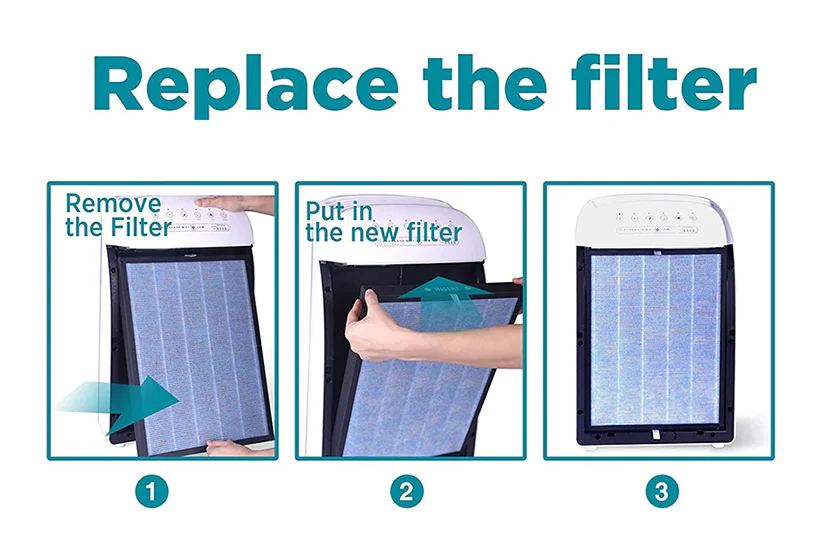
A purifier is only effective if you can easily replace its filters at a reasonable cost.
—
Start with models that publish CADR ratings, use certified filtration, and have clearly priced replacement filters.
→ Explore smart air purifiers that actually perform
—
Common Myths Cleared Up
“UV-C makes a purifier medical-grade.”
Medical-grade air cleaning is about filtration efficiency and airflow, not ultraviolet light.
“All HEPA purifiers are the same.”
Sealing, fan design, and filter surface area dramatically affect performance.
“Bigger purifiers waste energy.”
Properly sized units often use less energy because they do not need to run at maximum speed.
—
Final Verdict,
If your goal is cleaner indoor air, fewer allergy symptoms, and real health benefits, HEPA or HEPASilent filtration is essential. UV-C can be a bonus feature, but it should never be the main reason to buy an air purifier.
Clean air comes from removing pollution—not from shining light at it.
I always recommend choosing brands that support their products with strong warranties and offer a clear selection of replacement filters. For convenience and dependability, these are my favorite retailers:
- FiltersFast – A wide stock of genuine filters for the top smart purifier brands (affiliate link).
- FiltersCollection – Useful for tracking down hard-to-find specialty filters or bundles (affiliate link).
- FieldControls – Trusted for advanced whole-home air cleaner solutions and industrial options (affiliate link).
- Amazon Air Purifiers & Filters – Good for comparing reviews and finding newer models.
I’ve used these sites for years without issues. Just compare prices and shipping to find the best deal for your location. Some brands offer loyalty discounts or bundle deals for bulk filter orders, so it’s worth checking around, especially before allergy season or after moving into a new space. For those in regions with severe seasonal air quality issues, ordering filters in advance can help avoid delays during peak demand.
—
Frequently Asked Questions
Which air purifier technology works best?
HEPA and HEPASilent work best because they physically remove airborne particles.
Is UV-C better than HEPA?
No. UV-C does not remove particles and only works under limited conditions.
Do smart air purifiers need UV-C?
No. Filtration quality, CADR, and sensor-driven airflow matter far more.
What should I prioritize when buying?
CADR matched to room size, certified filtration, low noise, and affordable filters.
—