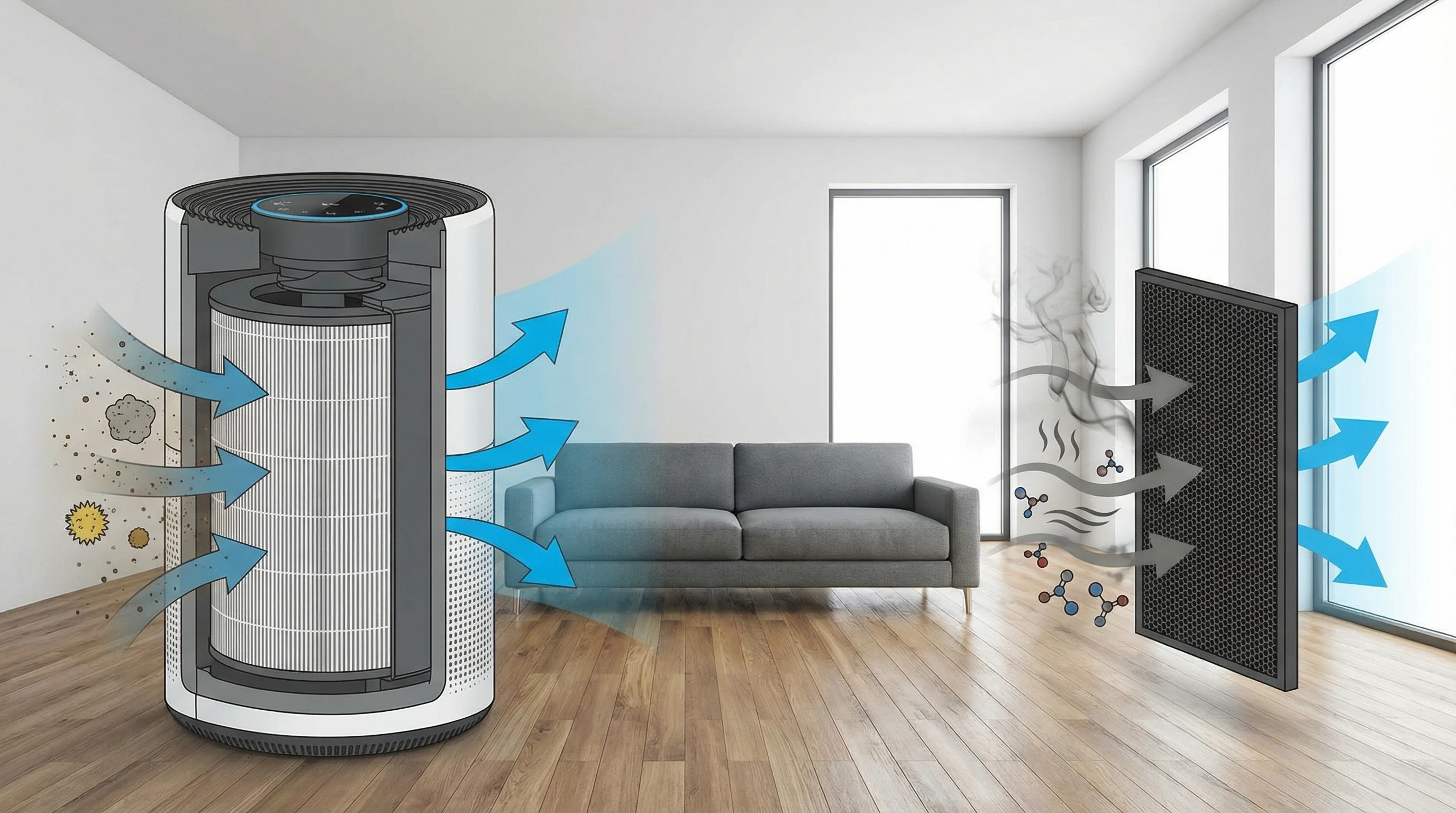
Clean air is something I don’t take for granted, especially after learning how much everyday pollutants can impact my sleep, allergies, and even mood. When shopping for an air purifier, I always run into two main types of filters: HEPA and activated carbon. Both claim to tackle indoor air pollution, but they work in totally different ways.
If you’re looking to improve your home’s air quality, it helps to know the difference between these filters. I’ll take you through what each filter actually does, where each one shines, and which option might fit your lifestyle best. You’ll also find practical tips here on picking the right filter and which brands are worth checking out. Whether you have allergies, want to get rid of stubborn odors, or simply crave fresher air, knowing the ins and outs of these filter types will make your decision easier.
Understanding HEPA and Activated Carbon Filters
What is a HEPA Filter?
HEPA stands for High Efficiency Particulate Air. This kind of filter is designed to trap small particles, catching at least 99.97% of airborne stuff as tiny as 0.3 microns. That means things like dust, pollen, pet dander, mold spores, and even some bacteria get caught in the fine mesh as air passes through. HEPA filters are tested to tight standards, so when you buy one, you know it will do its job for particle removal.
Who is a HEPA Filter Best For?
- People with allergies or asthma
- Homes with indoor pets
- Anyone concerned about dust and fine particles
Pros & Cons of HEPA Filters
Pros:
- Super effective at capturing dust, pollen, and other allergens
- Reliable performance based on clear standards
- Easy to find replacement filters
Cons:
- Don’t remove odors or volatile organic compounds (VOCs)
- Filters can get clogged and need regular replacement
- Might restrict airflow if not swapped out regularly
What is an Activated Carbon Filter?
An Activated Carbon filter uses a bed of specially treated carbon to trap gases, smoke, chemicals, and odors. Carbon has tons of tiny pores, making it perfect for capturing VOCs from cleaning supplies, cigarette smoke, and common household odors. Activated carbon is often used in combination with other filters for extra coverage against pollutants you can’t see or smell right away.
Who is an Activated Carbon Filter Best For?
- Anyone sensitive to household odors or smoke
- Homes with cooking smells or off-gassing furniture
- People are concerned about chemical pollutants
Pros & Cons of Activated Carbon Filters
Pros:
- Great for removing smells and chemical vapors
- Effective against smoke and VOCs
- Works alongside HEPA filters for broad coverage
Cons:
- Doesn’t remove dust or particles
- Needs regular replacement to stay effective
- Performance drops once the carbon pores fill up
HEPA vs. Activated Carbon: Head-to-Head Feature Comparison
- Particle Removal
Why it matters: Dust, pollen, and other tiny bits can cause allergies and make indoor air feel stuffy.
HEPA Filter: Really good at capturing fine dust, pet dander, pollen, and mold spores. If you see dust floating in a sunbeam or have a stuffy nose at home, a HEPA filter will help.
Activated Carbon: Not designed for trapping solid particles. Instead, its focus is on gases.
Winner: HEPA Filter. This one owns the particle removal category. - Odor and Gas Removal
Why it matters: Odors, gas leaks, or chemical fumes can be just as irritating as dust or pollen, especially for people living near traffic or with smokers at home.
HEPA Filter: Doesn’t do much for smells or chemicals. You’ll still catch lingering cooking smells or stale air.
Activated Carbon: This filter is all about tackling odors and chemical gases, things like cigarette smoke, pet smells, or VOCs from paint.
Winner: Activated Carbon. When it comes to odors and chemical vapors, this filter is tough to beat. - Longevity and Maintenance
Why it matters: No one wants to be changing filters every few weeks. It’s helpful to know what kind of upkeep to expect.
HEPA Filter: Typically lasts anywhere from 6 months to a year before it needs replacing, depending on your air quality and usage.
Activated Carbon: These filters can get used up faster, especially if they’re fighting a lot of smoke or pollutants. Some last only a few months.
Winner: HEPA Filter. Usually requires fewer frequent changes, but it depends on your home’s air. - Availability and Cost
Why it matters: Nobody wants a filter that’s impossible to find or super expensive, right?
HEPA Filter: Widely available and offered in tons of purifiers. You can compare prices easily on sites like FiltersFast.
Activated Carbon: Also pretty easy to find, but sometimes bundled as an add-on rather than a standalone filter.
Winner: Tie. Both filters are easy to get at shops like FiltersCollection. - Meeting Official Air Quality Standards
Why it matters: Filter performance isn’t always obvious unless it’s tested properly.
HEPA Filter: Must meet strict government standards for efficiency.
Activated Carbon: No official efficiency standard, and performance depends on the thickness and amount of carbon.
Winner: HEPA Filter. You know exactly what you’re getting.
Using Both Filters Together: Is It Worth It?
Plenty of top air purifiers use both HEPA and Activated Carbon filters. After using combo purifiers myself in a house with both a shedding dog and a home office that gets musty, I’ve found this setup is hard to beat. The combined coverage not only handles visible and invisible pollutants but also creates a more comfortable living environment. In spaces with high foot traffic or regular visitors, the difference is noticeable within days.
The HEPA filter takes care of hair, dust, and pollen, while the carbon filter soaks up funky smells from cooking or chemicals. If you want a filter that covers all the usual bases, it’s worth picking a model with both layers, or at least one that offers individual slots so you can switch filters as needed. FieldControls offers purifiers with these features, and you can get a closer look there if you’re curious.
Common Questions: HEPA vs. Activated Carbon
Do I Need Both Filters in My Air Purifier?
For most people, yes. HEPA clears out particles you can see (and plenty you can’t), while Activated Carbon grabs the smelly or invisible stuff. If you only need one filter for a specific purpose, though, you can save cash by picking just what you need. For example, allergy sufferers may not need the extra odor protection, while pet owners often prefer both layers for best results.
How Often Do These Filters Need to Be Changed?
HEPA filters usually last about 6–12 months, but that changes if you have pets or live in a dusty area. Carbon filters might only last a couple of months in a house with heavy cooking or smoke. I set calendar reminders so I don’t forget, and some new smart purifiers also give you a heads-up when it’s time to swap. Regular maintenance can stop air purifiers from circulating less clean air than expected.
Can I Wash Either Filter?
Most HEPA filters aren’t washable, and scrubbing them actually ruins their fine mesh. Activated Carbon filters can’t be washed either; you’d just rinse away their adsorptive power. Always follow what your purifier’s instruction manual recommends. Using non-washable filters past their lifespan won’t save money or improve air quality.
Is There Official Guidance on Which to Buy?
The U.S. EPA has info on improving indoor air quality and usually recommends HEPA for allergy sufferers and activated carbon if you need help with gases and odors. Their site is worth checking out for deeper details. In addition, some state health departments provide similar guidance, so it’s helpful to look up local recommendations as well.
Real-World Experiences
- HEPA Filter Users: Many people with allergies or sensitive respiratory systems swear by HEPA filters for stopping sneezing and stuffy air. If you have a pet, the relief from constant fur and dander dust is real. Some users say they notice less frequent dusting and cleaner surfaces just days after using a HEPA-based purifier.
- Activated Carbon Filter Users: These are big favorites for folks living with smokers or in apartments with weird old building smells. Activated carbon soaks up those hard-to-pin-down odors that a HEPA filter can’t touch. Positive reviews often mention the difference after removing cooking odors, preventing lingering perfume and cleaning-product smells, and cleaning.
If you’re still not sure, you can read comparison guides at Best Smart Purifiers for detailed reviews and tips. Real-world reviews can help you figure out which model and filter combo might fit your home best. It’s always good to read about the specific experiences of people with similar needs or living situations before making a decision.
Which Filter Should You Choose?
If you want cleaner, allergen-free air and care most about dust or pollen, a HEPA filter makes the biggest difference. If you’re tired of lingering smells, fumes from new paint, or smoke, an Activated Carbon filter is the way to go. There’s no shame in wanting both—most premium air purifiers now combine the two for the ultimate in home air cleaning. Just keep in mind your main concerns and match your filter system to those needs for the best results.
- Pick a HEPA Filter if you:
-
- Struggle with allergies or dust
- Have pets shedding in your home
- Want relief from pollen or mold during allergy season
- Pick an Activated Carbon Filter if you:
-
- Notice persistent odors that won’t go away
- Deal with cigarette smoke or wildfire smoke
- Are sensitive to chemicals and gases indoors
Want the best of both? Many quality purifiers have both filters combined for a broader clean. You can also find purifiers where you add or replace each filter layer individually based on your needs and the season.
Finding the right filter can take a bit of research, but the payoff, just being able to breathe easier at home, feels pretty rewarding. If you want a hand picking the right filter, or just want my take on the latest purifiers, check out resources at Best Smart Purifiers or try one of my affiliate shops for quick filter purchases:
- High efficiency replacement filters at FiltersFast
- Filter bundles and deals at FiltersCollection
- Smart purifier options at FieldControls
Clean air doesn’t have to be complicated. Choosing the best filter for your space, and actually swapping them out on time, can help your home feel fresher every day. Take a little time to size up your home’s needs and you’ll be amazed at what a small change in your air filtration system can do for your comfort and health in the long run.
| Feature | HEPA Filter | Activated Carbon Filter |
| Particle Removal | Yes | No |
| Odor Removal | No | Yes |
| Smoke/Chemical Removal | No | Yes |
| Filter Longevity | 6–12 months | 2–6 months |
| Availability | Widespread | Widespread |
| Maintenance | Easy | Easy |