IoT integration in smart air purifier systems is opening new paths to cleaner and healthier indoor air. Combining sensors, automation, and connectivity, these devices are changing how we manage home air quality. Even if you’re new to the concept, the blend of technology and practical design makes these systems accessible and appealing to anyone looking to improve their living space.
Core Components of Smart Air Purifiers
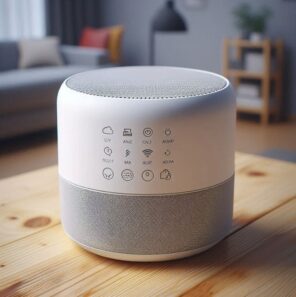
The advancement of IoT has turned air purifiers into smart devices that monitor, analyze, and adjust air quality in real time. At the heart of these systems are sophisticated sensors that continuously measure levels of pollutants such as particulate matter, volatile organic compounds, and humidity. The accuracy of these sensors is crucial because it directly impacts the device’s performance.
Often, the sensors include gas sensors for tracking chemicals and particulate sensors for dust and pollen. Combined with network connectivity, they enable remote control via smartphone apps and send alerts wherever you are. Connecting to the cloud also allows for storing and analyzing data over time, providing detailed insights about your indoor air quality.
This connectivity means that updates or performance adjustments can happen automatically. For instance, if the sensors detect a sudden spike in pollutants, the purifier can increase its fan speed or adjust its filtration intensity without manual intervention. Such automated responses underline the strength of IoT technologies in addressing everyday air quality challenges.
Getting Started with IoT-Enabled Air Purifiers
It may seem overwhelming to begin with smart air purifiers, but the process is usually straightforward. Modern devices often come with plug-and-play setups and are designed to work seamlessly with your home network. Manufacturers provide clear and user-friendly instructions for installation and initial setup.
Most models include smartphone apps that guide you through the process. Once connected via Wi-Fi or Bluetooth, these purifiers offer real-time air quality feedback, display trends, and even suggest improvements for your indoor environment.
Many devices also integrate with popular smart home assistants, letting you control your air purifier using voice commands or remote controls. Even if you aren’t tech-savvy, the intuitive design and interactive interfaces make it simple to understand and manage your air quality.
Considerations Before Investing in a Smart Air Purifier
Before investing in a smart air purifier, it is important to evaluate several key factors that affect performance and usability. These systems do more than filter air—they gather and process data, so their reliability is tied to various components of their design.
- Sensor Accuracy: Reliable sensors are the backbone of any IoT device. High sensor accuracy means you can trust the readings and the subsequent automated responses.
- Connectivity: The efficiency of these devices largely depends on the strength and stability of the network connection. Consistent connectivity ensures that remote commands and updates are executed effectively.
- Maintenance: Regular upkeep, including timely filter replacements and sensor recalibration, plays a significant role in long-term performance. It is best to choose models that offer simple maintenance procedures.
- Data Security: Since air quality data is transmitted over the internet, it’s vital to choose products that use strong security measures such as encrypted communication and over-the-air updates.
- Integration with Other Devices: If you already have a smart home setup, selecting an air purifier that works well with your other IoT devices can make your system more convenient and effective.
Considering these factors helps you choose a system that fits both your immediate needs and your broader home automation strategy.
Sensor Accuracy
Accurate sensor data is essential for any smart air purifier. Incremental improvements in sensor technology can make a notable difference in how quickly and efficiently the system reacts to rising pollutant levels. For those particularly concerned about allergens or chemical pollutants, investing in a device with high-precision sensors can provide valuable peace of mind.
Connectivity
Reliable network connectivity is necessary to ensure that your smart air purifier functions at its best. Slow or unstable connections can compromise the system’s effectiveness. Look for devices known for strong wireless performance, or consider models that support both Wi-Fi and Bluetooth to boost reliability.
Maintenance Requirements
Like many home appliances, smart air purifiers need periodic maintenance. This can involve regular filter changes and occasional sensor recalibration. Choosing models with easily accessible parts and clear maintenance instructions helps ensure long-term reliability and optimal performance.
Data Security
Data security is very important when using connected devices. Choose models that provide encrypted data transmission and regular software updates to protect your personal information. By focusing on secure devices, you build confidence in how your air purifier operates.
Advanced Insights and Optimization Techniques
After you become comfortable with the basics, exploring the advanced features of IoT-enabled air purifiers can offer a more personalized and efficient experience. The integration of learning algorithms and dynamic scheduling can optimize daily operations.
Dynamic Air Quality Mapping: Some smart purifiers now offer visual maps that display air quality metrics throughout your home. These maps help identify areas needing extra attention, which is especially useful in larger homes with varied zones.
Automated Scheduling and Zoning: Advanced models allow more detailed control over different rooms or time periods. For example, the purifier may switch to an energy-saving mode during work hours and ramp up performance when you are at home. This customization improves air quality exactly when it is most needed and can also conserve energy.
Integration with Local Environmental Data: Certain smart systems are capable of pulling in data about outdoor pollution levels. When the outside air quality drops, your air purifier can automatically adjust its filtration efforts indoors, maintaining stable conditions even when the outdoor environment is less favorable.
Learning and Adaptive Algorithms: Many IoT platforms often make use of machine learning to adapt operating routines based on historical air quality data. Over time, the device learns your preferences and normal home conditions, resulting in a more efficient operation tailored to your lifestyle.
These advanced options transform the air purifier from a simple appliance into an adaptable component of your home ecosystem, continuously working to improve indoor air quality.
Selecting the Best Features for Your Living Space
Choosing the right smart air purifier requires balancing practical features with ease of use. The market offers a variety of devices, each designed to suit different needs and living environments.
Many modern purifiers combine air filtering with smart home features such as automatic filter reordering, voice assistant integration, and energy monitoring. Deciding which features are most important depends on your priorities, whether that is energy efficiency, data insights, or seamless connectivity with other devices.
- Energy Efficiency: Models that track energy usage can help you monitor consumption and reduce electricity costs, making your home both greener and more efficient.
- Remote Update and Monitoring: Look for purifiers that allow remote firmware updates. This capability not only improves security but also brings new features and enhancements without the need for new hardware.
- Smart Integration: Syncing up your air purifier with other smart devices creates a streamlined environment where systems work together harmoniously. This compatibility is especially valuable if you already use a smart home hub.
By weighing these features against your daily routines and requirements, you can select a device that delivers a perfect blend of performance, convenience, and innovation. A well-chosen smart air purifier gives a boost to comfort while supporting a healthier lifestyle.
Frequently Asked Questions
Below are some common questions people ask about IoT-enabled air purifiers:
Question: How does IoT make air purifiers more effective?
Answer: IoT integration allows for continuous monitoring, automated adjustments, and real-time data logging. This dynamic operation keeps indoor air quality at optimal levels without the need for constant manual control.
Question: Is constant internet connectivity necessary for these devices?
Answer: A stable connection improves features like remote monitoring and data updates. However, many systems are designed to perform basic functions even during brief network outages.
Question: What steps ensure the security of data in smart air purifiers?
Answer: Manufacturers implement strong measures such as encrypted data transmission, frequent software updates, and robust security protocols to keep your information safe.
Conclusion,
The integration of IoT in smart air purifier systems marks a switch toward more responsive and efficient home care. By combining sensor data with automated algorithms and strong connectivity, these devices transform air purification into a smart, adaptable process.
Understanding core elements—such as sensor accuracy, connectivity, and maintenance—is very important when choosing a system that meets your needs. Exploring advanced features like dynamic mapping, adaptive algorithms, and local environmental data integration puts you in control of your indoor air quality.
Investing in a smart air purifier is not just about filtering air. It is about embracing a modern approach to maintaining a healthier home with technology that learns and adjusts to your daily routines. The future of air purification is evolving, and with IoT at its core, your device is continuously working in the background to provide clean, fresh air.
Let’s dive in and take the first step toward a smarter, healthier home. Enjoy the benefits of a system that adjusts automatically, making your living space more comfortable and truly next-level cool.
