Solar-powered smart air purifiers are gaining popularity as a green solution that combines renewable energy with smart technology. These devices help keep indoor and outdoor spaces clean while reducing energy consumption. In this article, I break it down into the core features, setup advice, and potential challenges of using these innovative devices. The article draws on personal insights and a careful look over available options, helping you make your decision in a clear and relaxed style.
Innovative Features of Solar-Powered Smart Air Purifiers
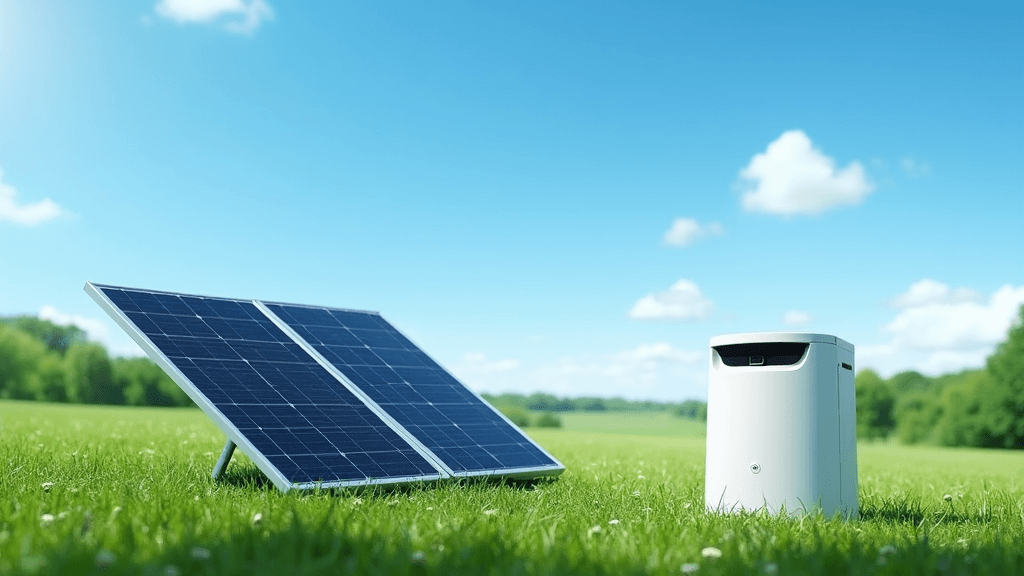
These devices offer an impressive blend of sustainability and technology. Solar panels power the unit, capturing natural sunlight to operate silently while purifying the air. Smart sensors monitor the level of pollutants, and adaptive software adjusts performance to match varying conditions. This combination means that you get an efficient air purifier that doesn’t rely solely on grid power, making it ideal for eco-friendly homes and remote areas.
Unlike traditional air purifiers that need a constant electrical supply, the solar-powered variants charge during the day. They also typically include a rechargeable battery, ensuring operation during cloudy periods or at night. This independence from traditional energy sources helps lower electric bills and reduce environmental impact. Built-in connectivity allows you to remotely monitor and control settings using smartphone apps, making maintenance and adjustments straightforward.
Many models also incorporate continuous air quality monitoring. When sensors detect increased levels of pollutants or allergens, the purifier can automatically adjust its filtering speed. Some devices use advanced HEPA and carbon filters that trap fine particulates, while others include UV-C light to further disinfect airborne pathogens.
Getting Started with Smart Air Purifiers
The journey to cleaner air using solar-powered smart air purifiers starts by learning the basics. These devices may look complicated at first because of their blend of solar technology and smart controls, but the fundamentals are simple. First, understanding how solar panels and batteries work in this context is very important. The solar panels capture sunlight and convert it to electricity, which then charges the internal battery. This battery powers the air purification system even when sunlight is weak or absent.
When you begin setting up your device, choose a spot with ample sunlight. Many installers recommend placing the unit in or near a window where it can gather maximum sunlight during the day. During the initial setup, it is useful to familiarize yourself with key terms such as:
- Solar Charging: The process of converting sunlight into usable electricity for the purifier.
- Smart Sensors: Tools that continuously monitor air quality and adjust settings accordingly.
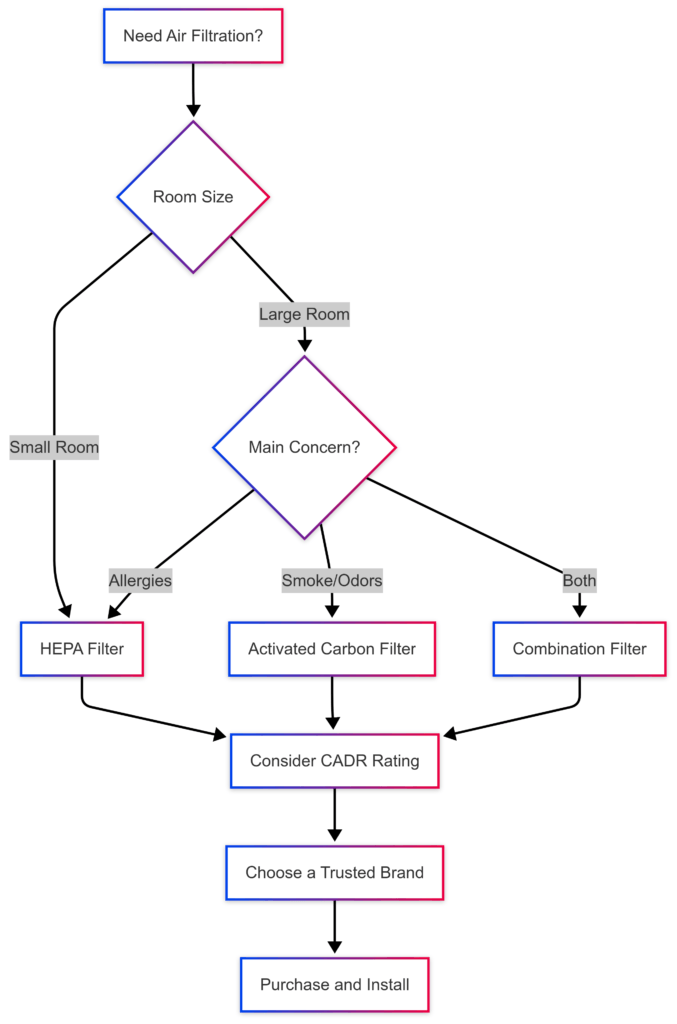
- HEPA Filter: A type of filter known for capturing very small particles, giving a boost to overall effectiveness.
Reading the manual thoroughly and watching the product’s tutorial videos helps in understanding the installation and configuration process. Although these devices are designed to be user-friendly, knowing how individual components work can be pretty handy when troubleshooting or adjusting settings.
Key Considerations When Choosing a Solar-Powered Air Purifier
Before investing in a solar-powered smart air purifier, there are a few things to consider. Checking the specifications and knowing your environment’s requirements are very important starting points. The performance of these devices depends on various factors, including battery capacity, filter quality, and the durability of solar panels.
Below are some key points to think about when making your decision:
- Battery Performance: Look for models that include a high-capacity rechargeable battery. Good battery performance makes sure that the purifier works efficiently during periods of low sunlight.
- Filter Efficiency: The quality of filters is essential. HEPA filters, for instance, should trap airborne particles effectively, and additional features such as activated carbon filters help remove odors and chemical pollutants.
- Environmental Durability: Since these devices often use solar panels on outdoor facades or near windows, check if they can withstand changing weather conditions, from heavy rain to intense sun exposure.
- Smart Connectivity: Devices with integrated Wi-Fi or Bluetooth allow you to monitor air quality remotely. An associated app that provides real-time data and control settings can add convenience.
Understanding these factors can help in weighing the benefits against the limitations. After all, the features that work well for one environment might not suit another as comfortably.
Battery Performance
The battery is the heart of a solar-powered smart air purifier. A reliable battery ensures that the device keeps functioning during unexpected overcast days or at night. Typically, a quality battery should last several hours, ideally powering the unit until sufficient sunlight is available.
Filter Efficiency
A purifier’s main role is to filter airborne dangers. The efficiency of the purifier largely depends on the quality of its filters. Many popular systems offer multi-layer filters that trap everything from dust and pollen to chemical fumes. As filter performance degrades over time, regular maintenance and replacement become key practices.
Environmental Durability
Considering that solar panels are exposed to the elements, their durability is very important. High-quality solar modules are typically weather-resistant, though prolonged exposure to extreme conditions might affect performance. Installation in sheltered areas or the use of protective covers can be practical solutions.
Smart Connectivity
Smart sensors and connectivity options add another layer of usefulness to these devices. With the help of smartphone apps, users can see real-time air quality readings or receive alerts when the unit needs maintenance or filter replacement. This integration allows for a seamless experience, combining technology with practical air purification.
Each of these aspects is vital. Making the right choice involves considering your specific needs and staying aware of the balance between hardware quality, environmental influences, and ease of use.
Optimization and Maintenance Tips
Optimizing the performance of a solar-powered smart air purifier is a mix of routine care and using the tech features to their fullest. The first step is understanding your model’s recommended maintenance schedule. Regular cleaning of the solar panels is advisable to ensure maximum sunlight absorption, especially in dusty or shaded conditions.
Another important aspect is regularly checking the filters. Over time, filters capture more pollutants and lose their efficiency. Keeping a record of when to replace or clean them can help maintain effective operation. In many models, the connected smartphone app alerts you when the filters reach a certain level of contamination.
Beyond physical maintenance, consider jumping into the device’s advanced settings. Many smart air purifiers offer different modes or settings adjustments based on the time of day or specific air quality targets. Experimenting with these can lead to a customized experience that optimizes power consumption and overall performance.
It also helps to update the software or firmware regularly. Manufacturers often release updates to improve performance or add new features. Staying on top of these updates can extend the life and effectiveness of your purifier. Additionally, some devices have learning algorithms that improve performance as they gather more data about your environment. Embracing these technologies can make your air purifier work even smarter over time.
Future Trends and Additional Insights
As technology continues to advance, solar-powered smart air purifiers are set for the next stage of innovation. One promising trend is the integration with home automation systems. In the near future, you may be able to sync your air purifier with other smart devices, such as thermostats, security systems, and even voice-controlled assistants. This interconnected setup can help create a more streamlined and energy-efficient home ecosystem.
Another exciting development is the improvement in battery technology. With ongoing research into longer-lasting and faster-charging batteries, future models could see even better performance during overcast days or nighttime operation. Enhanced battery technology means that you can rely on these purifiers in more diverse weather conditions without worrying about performance drops.
Sensor technology is also expected to get a boost. Next-level cool sensors will likely provide even more accurate readings of the air quality, detecting a wider array of pollutants. This means your purifier will be better at adjusting its settings in real time to maintain an optimal indoor environment. Moreover, advanced predictive maintenance features may soon be standard, alerting you to potential issues before they become problematic.
The incorporation of Internet of Things (IoT) capabilities is another area where these devices could shine. By having your air purifier communicate with other devices in your home, you can set up routines that automatically adjust filtration levels based on activity patterns or environmental changes. This kind of smart networking not only improves efficiency but also contributes to a holistic approach to home wellness.
Finally, as consumers become more eco-conscious, manufacturers are likely to offer even more customizable options, allowing you to tailor the device’s settings to your unique needs. With better integration, enhanced battery performance, and increasingly eye-catching design options, the future of solar-powered smart air purifiers looks very promising.
Selecting the Right Smart Air Purifier For Your Space
Choosing the right model involves matching the device’s features with the demands of your environment. For instance, residential models are designed to handle indoor pollutants, while some units are built to manage outdoor air quality near busy urban areas or light industrial zones.
Consider the scale of the area you need to cover. Smaller units are ideal for single rooms or personal spaces and are less obtrusive. If you’re looking to improve air quality for an entire home or open office, you might need a model with a larger coverage area or multiple connected units.
The design of solar-powered smart air purifiers also plays a role. Sleek, modern designs can blend into contemporary home decor. In contrast, more robust designs might suit industrial or communal outdoor areas.
- Residential Use: These models are compact, quiet, and efficient for everyday use. They tend to feature silent motors, which is great for maintaining a calm, undisturbed environment.
- Commercial Installations: For larger spaces like office buildings or community centers, units that connect to a central monitoring system help manage several air purifiers at once.
- Outdoor Applications: Some air purifiers function well in semi-outdoor settings. These models must have robust solar panels and weather-resistant casings to handle the rigors of the environment.
The key is to think about where the purifier will be operating and which features are most important. A careful evaluation of capacity, coverage, and connectivity will guide the decision-making process, ensuring that you get the most effective solution for your specific air purification needs.
Frequently Asked Questions
People often have questions about solar-powered smart air purifiers, especially when considering investing in one for the first time. Here are a few popular inquiries along with my insights:
Question: How effective are solar-powered smart air purifiers compared to traditional models?
Answer: These purifiers can be very effective, particularly when placed in locations with adequate sunlight. Their smart sensors and adaptive settings work to provide effective air cleaning, often matching or even exceeding the performance of traditional models.
Question: What maintenance does a solar-powered smart air purifier require?
Answer: Regular cleaning of the solar panels, timely replacement or cleaning of filters, and occasional software updates are usually all it takes. Following the manufacturer’s guidelines ensures optimal performance.
Question: Can these purifiers work in all weather conditions?
Answer: While they are designed to be robust, extreme weather can affect solar charging efficiency. Placing them in partly sheltered areas or using protective covers can help maintain good performance even in less-than-ideal conditions.
Final Thoughts,
Solar-powered smart air purifiers offer a balanced mix of sustainability and advanced technology. They are designed to decrease dependency on traditional energy sources while ensuring clean air through smart monitoring and adaptive filtration. The eco-friendly nature of these devices makes them a good option for users who want to lower their carbon footprint and improve indoor and outdoor air quality.
For many, the idea of combining solar power with air purification is exciting. With features like real-time monitoring, automated adjustments, and seamless connectivity, these devices can bring a breath of fresh air into almost any space. Whether you are looking to purify your home, office, or even a small commercial area, the technology behind solar-powered smart air purifiers is worth checking out.
As with any technology, understanding all the ins and outs can really help you get the best performance. By taking the time to explore the options available, maintaining your equipment, and adjusting settings based on your needs, you can enjoy cleaner air along with energy savings. The convergence of solar power and smart technology ensures that these devices are not just a fleeting trend but a practical and sustainable solution for improving air quality in the years ahead.
Thank you for taking the time to read about these innovative systems. With a clear understanding of their features, setup essentials, and maintenance tips, you’re now better prepared to decide if a solar-powered smart air purifier fits your lifestyle. Enjoy the fresh, clean air and the smart benefits that come from combining modern technology with sustainability!
