Energy efficiency plays a big role in modern smart air purifiers. I find it fascinating how these devices manage to combine top-notch air-cleaning performance with features that minimize power consumption. As energy costs and environmental concerns continue to rise, more people look for appliances that not only deliver clean air but also work efficiently. This article covers the next stage of these devices, explains their core features, and shares some tips on getting the best use out of them.
Core Features of Modern Smart Air Purifiers
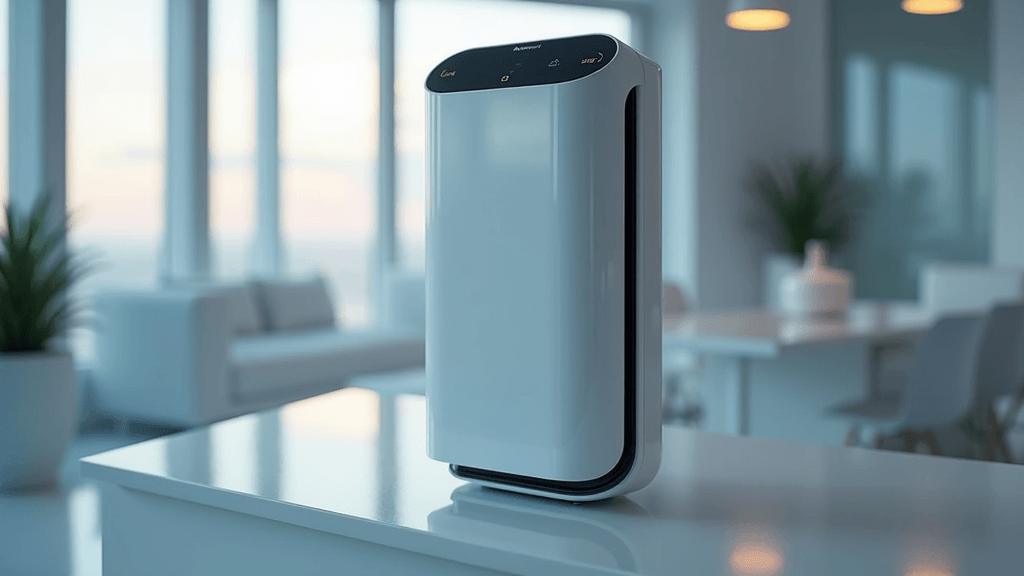
Modern smart air purifiers have taken it up a notch with technologies designed to conserve energy while delivering effective air cleaning. I’ve seen many models that now include sensors for air quality, programs to adjust performance based on real-time data, and connectivity features that let you monitor usage and filter status from your phone. These features not only keep indoor air fresh but also reduce the overall energy load, making them a popular choice among energy-conscious buyers.
These devices often include several key elements:
- Smart Sensors: Sensors measure particulate matter and chemical pollutants. The purifier then adjusts its fan speeds and operational modes to keep air quality optimal while using less energy.
- Adaptive Operation: Many purifiers feature auto-adjust modes that ramp up or dial down performance depending on the detected pollutant levels. This adaptive function means the purifier isn’t running at full power when it isn’t needed.
- Connectivity: Wi-Fi connectivity allows you to control settings, set schedules, and even monitor energy consumption. Most manufacturers now offer companion apps that display data and tips for energy savings.
- Efficient Filtration: High-performance filters are designed to trap a wide range of pollutants while maintaining low airflow resistance. This balance reduces the energy needed to circulate air through the system.
These features emphasize energy efficiency by ensuring that the device only works as hard as it needs to, ultimately helping reduce electricity bills and environmental footprints.
Getting Started with Smart Air Purifiers
Before buying a smart air purifier, it’s important to familiarize yourself with the basics. There are several factors to consider that go beyond just the apparent cleaning power. As someone who has compared multiple models, I find that starting with energy ratings and efficiency is essential. While many traditional purifiers focus solely on air quality, modern smart versions balance air purification efficiency with low energy consumption.
When shopping for a smart air purifier, here are some things you should look into:
- Energy Star Certification: Look for devices that meet Energy Star standards. This certification is a good indicator that a product uses less energy compared to conventional models while still performing effectively.
- Power Modes: Some devices offer multiple power settings or eco modes that automatically adjust performance based on air quality data. This feature helps in managing energy usage throughout the day.
- Filter Life and Replacement Costs: Consider not just the device’s energy consumption but also the long-term cost of filter replacements. High-quality filters may have a higher initial cost but last longer and perform more efficiently.
Understanding these factors helps in selecting a model that offers all-in-one air cleaning and smart energy management, ensuring that the device remains cost-effective over time.
Quick Guide to Setting Up Your Smart Air Purifier
Getting a smart air purifier up and running is easier than ever, thanks to user-friendly designs and step-by-step instructions provided by manufacturers. I like to think of this as a simple guide that helps you get the most out of your device while keeping energy usage in check.
- Select the Right Location: Place your air purifier where it can circulate air effectively. Avoid putting it in a cramped space as this can force the device to work harder than it should.
- Connect to Wi-Fi: Once positioned correctly, linking the purifier to your home network lets you fine-tune settings remotely. This connectivity is very important for accessing its smart features and ensuring optimum energy use.
- Configure Settings: Use the companion app or the control panel to set up eco modes, schedules, and performance limits. This configuration helps balance air quality and energy consumption.
- Test and Monitor: Run the device for a day or two and check the energy reports available through the app. If the purifier is drawing more power than expected, consider revisiting the settings for adjustments.
- Regular Maintenance: Keep up with filter cleaning and replacement as recommended. A well-maintained unit runs more efficiently and uses less energy over time.
Following these steps not only guarantees effective air purification but also maximizes the energy-saving potential of your device.
Important Considerations Before Investing in a Smart Air Purifier
When it comes to smart air purifiers, several factors need to be weighed to ensure you’re making the best choice for your home and energy consumption needs. I’ve seen that even well-reviewed products can have downsides if very important details are overlooked. Being aware of challenges and prepared for them can turn your investment into a long-term, cost-effective solution.
- Energy Consumption: Even with smart features, purifiers vary in power draw. Look for models that provide detailed energy usage stats so you can estimate your monthly consumption and compare it with other devices.
- Noise Levels: A quieter operation is often linked to more efficient designs. Designs that minimize noise are not only more pleasant but can also indicate that the internal system is optimized to reduce wasted energy.
- Connectivity Factors: Ensure that the device’s smart features integrate well with your home network. Some purifiers offer advanced scheduling and remote control options that can further reduce energy use during times when high performance isn’t necessary.
- Durability and Maintenance: Energy efficiency includes not only low power use but also longevity. Durable systems that require minimal maintenance often perform consistently over time, avoiding energy spikes related to malfunction or degraded performance of clogged filters.
Energy Consumption
Smart air purifiers are designed with energy-saving features in mind. They often include settings that automatically adjust fan speed and filter performance based on current air quality. This automatic adjustment ensures that the device isn’t running at full power more than necessary. Over time, these small energy savings add up and help lower your overall consumption.
Noise Levels and Operational Footprint
It’s common to see that devices that run more quietly are built with a focus on energy efficiency. Quiet operation is achieved through improved fan designs and vibration dampening, which not only make a device more user-friendly but also indicate that it runs in a manner optimized for low power usage. This can be particularly useful during night-time operation when quieter modes are appreciated.
Connectivity and Smart Features
The ability to control a smart air purifier remotely opens up a world of possibilities for energy management. Many devices now allow you to schedule on and off times, monitor real-time energy use, and even get notifications when filters need changing. This level of control means that you can run your device only when absolutely necessary, thus contributing to long-term energy savings.
Durability and Maintenance
The durability of a smart air purifier affects its energy efficiency over time. A well-built unit that filters particles effectively is less likely to struggle with reduced performance as it ages. Regular maintenance, like timely filter changes and sensor calibrations, ensures the device continues to operate at its highest energy efficiency levels. Over time, this maintenance translates to consistent performance and a steadier bill.
Being aware of these details before making your purchase can help you navigate the range of options available and choose one that aligns with both your air quality needs and your energy-saving goals.
Advanced Tips and Tricks
For users who want to get more out of their smart air purifiers, exploring advanced options can be really important. I’ve stumbled upon the fact that tweaking settings beyond the defaults often uncovers extra energy savings and improved air-cleaning performance. These tips are especially useful if you are comfortable with technology and want to check out a bit deeper into optimizing your device.
Refine Sensor Sensitivity: Adjust the sensor thresholds if your device allows it. A slight recalibration might ensure that the purifier only uses maximum power when air quality truly drops. This way, the system conserves energy during times of stable, clean air.
Take Advantage of Scheduling Features: Many smart purifiers let you create custom schedules. By programming the device to run during times of expected poor air quality, like early mornings or late evenings, you can minimize operation during periods of low usage.
Integrate with Home Automation: Link your air purifier with other smart home devices. A coordinated system, where sensors from HVAC systems communicate with the purifier, can help reduce energy consumption. For example, if your home’s air quality is already improved by a ventilation system, the purifier can switch to a lower power mode.
Review Energy Monitoring Reports: Take advantage of detailed energy usage reports provided by the companion app. These insights let you understand peak usage times, making it easier to adjust settings and get the best balance between performance and energy savings.
Implementing these advanced tips can lead to noticeable improvements in energy efficiency. They also help create a more customized air-cleaning environment that aligns with your lifestyle and environmental goals.
Understanding Essential Features and Buying Considerations
When shopping for a smart air purifier, I always check out reviews that cover both technical specifications and real-world performance. It’s important to really check out features like energy ratings, filter technology, connectivity options, and even design. A model that scores high in these areas often proves to be reliable and energy-friendly over the long term.
In practical terms, a well-designed air purifier can be a game changer. Imagine using a device that automatically tailors its performance to the air quality in your home. Whether you have allergies, live in an urban area with pollution concerns, or simply want a healthier space, a smart air purifier provides a balanced approach that could lead to both cleaner air and lower energy bills.
- Certification and Reviews: Look for products with certifications like Energy Star and check independent reviews. These serve as indicators of both energy efficiency and cleaning performance.
- Long-Term Cost: Factor in the operational cost, including electricity and filter replacements. Long-lasting filters and durable builds usually translate to fewer maintenance hassles and energy savings over time.
- Connectivity Options: Ensure that the device can integrate with your current smart home setup. Compatibility with platforms like Alexa or Google Home can simplify the management of energy settings and schedules.
By weighing these very important features, you can find a device that meets your cleaning needs without compromising on energy efficiency.
Frequently Asked Questions
Here are a few questions that often pop up when people start considering smart air purifiers:
Question: How do energy-saving modes work in smart air purifiers?
Answer: Many models use sensors to detect current air quality and adjust fan speeds accordingly. This means the unit operates at higher power only when needed and switches to a lower consumption mode when the air quality is already good.
Question: Can I monitor energy consumption in real time?
Answer: Yes, most smart air purifiers include companion apps that display energy consumption data, filter status, and alerts. These features help you fine-tune operation to cut down on energy usage.
Question: How often should I change the filters?
Answer: While the frequency of filter changes depends on your environment and usage, many devices notify you when replacement is needed. Keeping filters in good shape ensures efficient operation and minimizes energy use.
Question: Do smart air purifiers make a lot of noise?
Answer: Generally, models designed with energy efficiency in mind run quietly. If low noise is a priority, check the decibel ratings and opt for purifiers that offer quiet or sleep modes.
Future Trends in Smart Air Technology
Looking ahead, the future of smart air purifiers is set to become even more exciting. Manufacturers are beginning to tap into artificial intelligence and machine learning to fine-tune device performance in real time. This next stage of development is not only about maintaining clean air but also about integrating renewable energy sources and home automation systems seamlessly. As these devices become smarter, they will be able to predict air quality changes and adjust settings before pollutants even become an issue, ultimately reducing wasted energy even further.
Innovations in sensor technology and connectivity are expected to allow smart air purifiers to interact with other household systems. For instance, by linking up with heating, ventilation, and air conditioning units, these purifiers can work together to optimize the overall indoor environment. This coordinated approach makes it possible to dramatically lower energy use while ensuring superior air quality. Homeowners might also see new features, such as integration with weather forecasts and real-time environmental analytics, which will help the device prepare for changes in outdoor air quality.
The glow-up in smart technology will likely include enhanced apps that provide step-by-step guidance, detailed energy reports, and even personalized recommendations based on usage patterns. These updates will give users a clearer picture of how their air purifier is performing and offer suggestions on how to further reduce energy consumption. As the technology matures, we can expect devices that are not only smarter but also designed to be more user-friendly, making it easier for everyone to maintain a clean, energy-efficient home.
Wrapping Up
Modern smart air purifiers have evolved into impressive devices that blend energy efficiency with high-performance air cleaning. For anyone serious about reducing energy bills while improving indoor air quality, they offer a practical solution supported by advanced features like smart sensors, adaptive operation, and detailed energy monitoring.
Choosing the right purifier involves looking at energy consumption, noise levels, durability, and connectivity. By understanding these aspects and making informed decisions, you can easily integrate a smart air purifier into your home that offers reliable, clean air and improved efficiency. Begin your adventure toward a healthier, energy-conscious lifestyle with one of these modern devices. Enjoy both the environmental and personal benefits they bring, and take a moment to appreciate the smart technology that is quietly working to make your life better.
