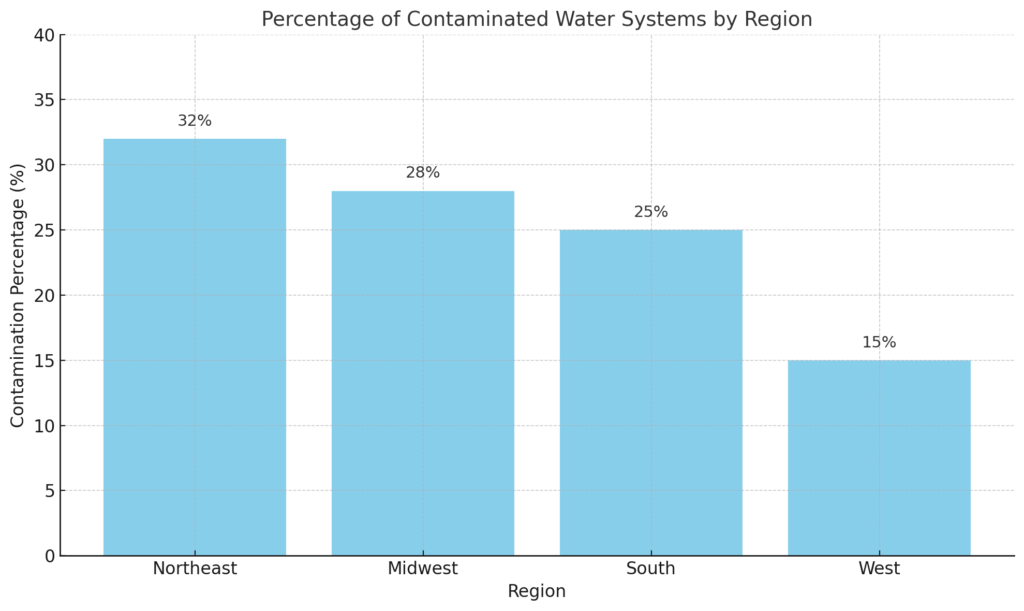
Clean water is more than just a basic necessity; it’s a linchpin for maintaining good health. Without it, the risk of illness skyrockets, influencing everything from digestive health to kidney function. When water quality doesn’t get the attention it needs, health issues can bubble up quickly.
Globally, water might be plentiful, but clean drinking water is a different story. Pollution, poor infrastructure, and agricultural runoff contribute to water quality challenges that hit home, no matter where you live. Many communities grapple with contaminants like lead, parasites, and industrial chemicals sneaking into their taps.
DIY water purification methods can be a real game-changer. They’re not just an emergency solution when the bottled stuff runs out. By understanding these techniques, you can boost your confidence in water safety at home. You’re not just relying on someone else to keep your family safe; it’s about taking that power into your own hands, making informed choices, and ensuring you’re steps ahead in promoting household wellness.
Basic Water Purification Techniques You Can Try
Boiling water remains one of the simplest yet most effective ways to ensure it’s safe to drink. It might sound old school, but bringing your water to a rolling boil for at least one minute can kill off bacteria and parasites, making it safe to drink.
Distillation is another straightforward method. It involves heating water to create steam, which is then cooled to separate contaminants. This technique isn’t just effective for bacteria; it also tackles tougher pollutants like heavy metals.
For those who prefer compact and quick solutions, simple filtration techniques using homemade filters can make a big difference. Things like coffee filters or clean fabric catch larger particles and impurities, while gravity does its work slowly pulling the water through.
The magic of UV light in purifying water isn’t sci-fi anymore. There are devices available that use UV light to zap bacteria and viruses, making it a handy backpack-friendly option for campers or those simply gearing up for emergencies.
Each technique stands alone in its merits, but they can also be combined or adapted depending on the resources available and the specific contaminants in the water. It’s all about finding the right fit for your situation and feeling confident about the water you drink.
Advanced DIY Water Filtration Methods
Building a biological sand filter sounds complicated, but it’s a surprisingly doable project for anyone willing to roll up their sleeves. These filters use a combination of sand and gravel to create layers that naturally scrub physical impurities from water.
Activated charcoal filtration taps into the sponge-like qualities of charcoal to absorb a range of contaminants including chemicals and chlorine. Making your own activated charcoal filter involves familiar materials like coffee cans or plastic bottles, showing just how accessible this method can be.
Gravity-driven purification systems are all about harnessing the natural flow of water through various filters. Whether using layers of different filtering mediums or simply trusting in gravity to pull water through a charcoal or sand layer, these systems are a testament to the power of simplicity in action.
Innovations in water purification are constantly evolving, with new methods you can explore even at home. Adjusting existing techniques to fit specific needs or experimenting with creative solutions can open up endless possibilities that meet environmental and health standards.
Taking these advanced steps doesn’t mean you need to become a full-time water engineer. With dedication and a bit of elbow grease, anyone can bring high-tech concepts into their home. The knowledge required is within reach, empowering individuals to make a real impact on their water quality.
Addressing Contaminant Concerns in Water
Identifying what’s lurking in your water is the first step in tackling contamination. Common culprits include lead, nitrates, pesticide residues, and bacterial pathogens. Each brings its own set of challenges, requiring different approaches to eliminate effectively.
Certain DIY purification methods work better for specific contaminants. For instance, while boiling is great for bacteria, a charcoal filter is better for chemical residues. It’s crucial to match the purification method with the type of impurity to make sure your efforts don’t go to waste.
Sometimes, combining a few techniques is the best way to ensure higher water quality. This multi-barrier approach can help cover different impurities, giving peace of mind that you’re not missing out on unseen threats.
Regular testing of your water can help you stay ahead of any potential issues. Home testing kits can provide insights into the types of contaminants present, allowing you to adjust your purification strategies as needed. Staying informed empowers you to make the best decisions for your family’s health.
Ultimately, understanding your water and the dangers it can pose is about being proactive. Embracing various DIY techniques not only enhances water safety but also keeps you in control, one clean sip at a time.
Taking Charge of Your Water Quality Today
Getting proactive about your water sources isn’t just a smart move—it’s essential for safeguarding your health. In the face of uncertain environmental conditions, establishing a reliable purification routine at home places peace of mind squarely in your grasp.
Introducing systems and practices to ensure safe drinking water empowers you on an individual level. This isn’t something you leave to chance or defer till policy changes kick in. You’re tackling the issue right now, reshaping your immediate environment for the better.
That’s where resources like FastFilters.com lend a hand, offering tools and guidance tailored to make this process smoother. With an array of solutions that cater to your specific needs, the journey to secure, clean water becomes less daunting and more attainable.
While stronger environmental policies are necessary in the long term, investing in a purification system today is a powerful way to take control of your water quality. FastFilters.com provides the tools you need to meet this challenge head-on, empowering individuals and communities to secure a healthier, more sustainable future.
This initiative not only benefits personal wellness but also sparks a ripple effect, promoting broader change and awareness in the community. When you own the results, victory never tasted so clean and refreshing.

This is a fantastic and highly informative piece on the importance of clean water and the various DIY purification methods available. One question that comes to mind is: How do these DIY methods compare to commercially available filtration systems in terms of effectiveness? While boiling and distillation are excellent for eliminating bacteria and certain contaminants, do they remove microplastics or pharmaceutical residues?
It’s also fascinating how everyday materials like sand, charcoal, and fabric can be used to create effective filtration systems. This makes clean water more accessible, especially in areas where infrastructure is lacking. Have you come across any emerging trends in DIY purification that might make these methods even more efficient or sustainable?
This article does a great job of empowering individuals to take charge of their water quality, but it also raises an important discussion—should there be more public awareness and government support for at-home water purification education?
Hi Herman,
Thank you for your insightful comments and thought-provoking questions! You’ve raised some important considerations regarding DIY water purification.
Regarding effectiveness compared to commercial systems, it’s clear that while DIY methods can be pretty beneficial, commercially available filters—particularly those utilizing multi-stage filtration methods such as reverse osmosis or activated carbon—tend to offer more comprehensive solutions. These systems are specified to address various contaminants, including heavy metals, pesticides, microplastics, and various pharmaceutical residues. These may not be effectively removed through boiling or simple DIY filtration. While cooking is an excellent method for eliminating bacteria and viruses, it does not mitigate chemical pollutants. Distillation, while more effective, can require significant time and resources.
You also highlight a critical element regarding accessibility. DIY methods that utilize readily available materials are especially vital in regions with limited resources or during emergencies. They empower individuals to take action when other options may not be feasible.
There is growing interest in integrating traditional purification techniques with new technologies, as emerging trends suggest. For instance, some DIY enthusiasts are exploring the use of biochar—charcoal made from biomass—in their filtration systems, given its remarkable adsorption capabilities. Additionally, research is ongoing into employing locally sourced materials, such as specific types of clay or plant fibers, as filter media, aiming to enhance the efficiency and sustainability of DIY purification methods.
Your emphasis on public awareness and government support is indeed vital. Educating communities about safe water practices and basic purification techniques is essential, particularly in areas where access to clean water remains challenging. Government initiatives could significantly contribute by providing information, resources, and support for developing affordable and effective DIY solutions that complement the commercially available options. Thank you once again for your thoughtful questions!