Device compatibility is an important feature when it comes to making sure that all parts of your smart home work well together. Today, I will write about how smart air purifiers fit into your overall system. This is especially useful if you’re looking to streamline your devices and create a connected living space. Air purifiers that integrate with other smart devices can help you manage air quality and save energy.
Key Features of Device Compatibility in Smart Air Purifiers
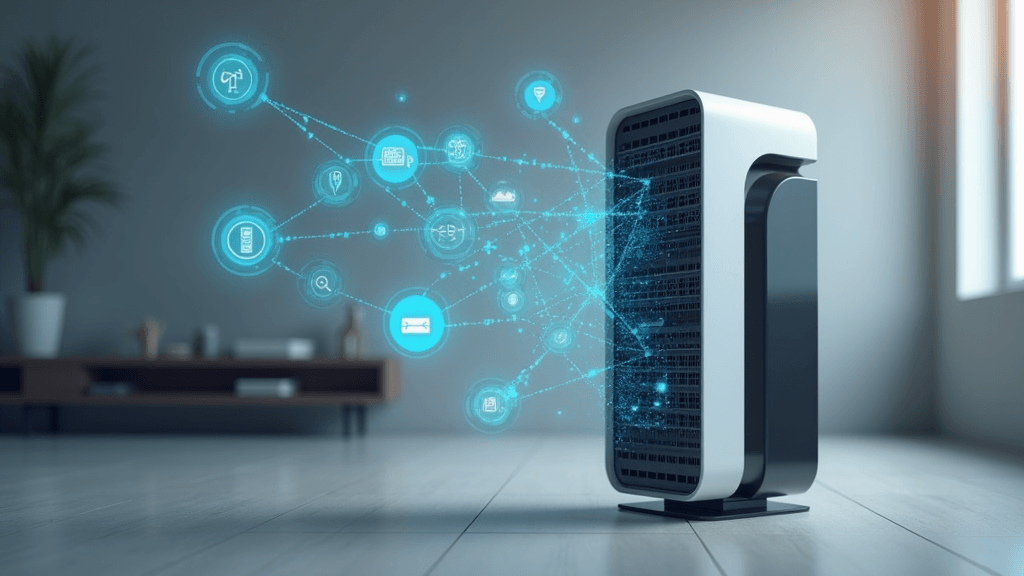
One of the main advantages of smart air purifiers is their ability to work together with other devices. Manufacturers now build these units with several compatibility options. This approach allows them to connect with Wi-Fi networks, voice assistants, and even dedicated apps you can use on your smartphone. Many modern models support integration with popular ecosystems such as Google Home, Amazon Alexa, and Apple HomeKit. These features help simplify the management of your indoor environment.
A compatible air purifier not only cleans the air but also works in tandem with your other smart gadgets. For example, you may set routines where your air purifier adjusts its functions based on outdoor air quality, indoor temperature, or occupancy patterns. Ease of setup is another significant advantage. It allows systems to exchange data smoothly. Integration is not just about establishing connectivity. It is about making your whole system work in harmony, creating an experience that is both efficient and user-friendly.
Understanding How Smart Air Purifiers Integrate with Your System
When planning to add a smart air purifier to your setup, it is useful to know about the technology behind the connectivity. Many air purifiers today operate using standard protocols like Wi-Fi and Bluetooth. They sometimes also incorporate Zigbee or Z-Wave, which are protocols used widely in home automation systems.
These connectivity options ensure that air purifiers can be part of a broader network of devices, making it easier to control and monitor air quality remotely. In many cases, the manufacturer’s app provides detailed insights such as air quality readings, filter status, energy usage, and maintenance alerts. Rather than only setting up connectivity, the goal is to have your devices function together for an optimized home environment.

$75 off Trio Plus Air Purifier. Use Code: INFLUETRIOPLUSAPR2025
Getting Started with a Smart Air Purifier in Your Home
Before you integrate a smart air purifier into your system, it is very important to get familiar with the basics. A good starting point is to understand the features your chosen purifier offers. Most smart air purifiers come with multiple sensors that monitor particulate matter, volatile organic compounds (VOCs), and sometimes even temperature and humidity levels. These measurements help automatically adjust the cleaning power.
It is also useful to get to know how your air purifier communicates with other devices. Besides Wi-Fi and Bluetooth, many units come with dedicated apps that let you adjust settings or schedule operation times. This is extremely convenient since you typically don’t need to manually change the purifier every time. Instead, you can set up routines that sync with your daily habits.
Quick Guide to Integrating Your Smart Air Purifier
Here is a step-by-step process that can help simplify the integration of your smart air purifier:
- Choose the Right Model: Look for purifiers that support the device ecosystems you already use. Knowing your system’s compatibility options will ensure smooth integration.
- Connect to Your Network: Install the purifier near your router for a better Wi-Fi signal. This reduces the chance of connectivity issues and ensures stable performance.
- Download and Set Up the App: Most smart air purifiers have a dedicated app that acts as the control hub for the device. Through this app, you can set cleaning levels, schedule operation times, and monitor indoor air quality.
- Link With Voice Assistants: If compatible, connect the purifier with your voice-controlled home assistant such as Alexa, Google Home, or Siri. Voice commands make controlling air quality quick and easy.
- Test the Integration: Once everything is connected, give your system a test run. Adjust settings from the app and try voice commands to ensure the purifier responds correctly.
This basic setup helps ensure that your air purifier integrates well with your smart home system while keeping things simple and efficient.
Considerations Before Investing in a Smart Air Purifier
Before taking the plunge, it is very important to look at a few key factors. Many smart air purifiers offer impressive features, but they also differ in compatibility and integration with other devices. Here are some common areas to consider:
- Connectivity Options: Ensure the purifier can connect to your home network through multiple channels like Wi-Fi, Bluetooth, or even Zigbee. The more options available, the better the potential for integration.
- Voice Assistant Integration: Check if it works with the voice assistants you already use. This enables hands-free operation, adding a layer of convenience to daily tasks.
- App Functionality: Evaluate how user-friendly and all-in-one the companion app is. The app should provide real-time air quality updates and allow detailed control options.
- Smart Scheduling: An effective purifier should have programmable routines that help maintain air quality in a cost-effective manner. Auto adjustments based on time of day or sensor readings can also help manage energy consumption.
- Maintenance Alerts: Look for purifiers that provide timely reminders for tasks like filter replacement. Such notifications ensure that your unit performs optimally over time.
Connectivity Options
Connection stability is very important in achieving a solid smart home system. Some units may only support Wi-Fi, while others offer additional protocols. A purifier with multiple connectivity options expands your future device possibilities. It also minimizes the occurrence of dead spots in your network coverage.
Voice Assistant Integration
A voice assistant adds an extra layer of comfort to your routine. If your smart air purifier integrates well with voice services, you can simply give a command to adjust settings. This makes daily monitoring simpler and more efficient.
App Functionality
The companion app is generally the main control center for your smart air purifier. It should be intuitive, with clear menus and useful features. In many cases, the app also stores historical data, enabling you to track indoor air quality trends over time.
Smart Scheduling
The ability to schedule cleaning cycles not only optimizes energy consumption but can also offer cost savings. For example, setting the purifier to work harder during times of high external pollution can result in better air quality control and even lower electricity bills in the long run.
FiltersFast.com is the #1 online filtration retailer in the USA
Maintenance Alerts
Regular maintenance is another very important aspect. Air purifiers require filter changes and periodic cleaning to maintain peak performance. A good smart air purifier will notify you when these tasks are due, reducing downtime and ensuring the unit runs at its best.
These considerations make it clear that not all smart air purifiers are created equally. Knowing what to look for before buying can save time and money in the future.
Advanced Tips for Integrating Smart Air Purifiers
Once you are familiar with the basic integration methods, there are more advanced techniques that can step up your overall setup. It is possible to automate air quality monitoring and integrate purifiers into a larger smart home ecosystem.
Automate Routines: Many systems allow you to create scenarios that respond to real-time data. For example, if sensors detect high levels of pollutants, your air purifier can automatically increase its fan speed or activate a deeper cleaning mode. The more automated your routines, the more effective and convenient your system will be.
Use Data Analytics: Some smart systems provide historical data to help you understand seasonal changes or daily fluctuations in air quality. This insight helps you optimize operating times and even adjust room ventilation strategies.
Integrate with Energy Management Systems: Smart homes increasingly focus on energy conservation. Make sure your air purifier is part of an ecosystem that monitors energy usage. Coordinated operations among various devices can reduce overall energy consumption and step up system efficiency.
These advanced tips are great for tech enthusiasts who want to get the most out of their smart home devices. Optimizing device communication not only improves air quality but also simplifies management by unifying multiple systems under one streamlined control setup.
Equipment and System Integration for Beginners
If you’re just starting out, the technology might seem overwhelming. However, the basics are straightforward. The right equipment should blend nicely with the rest of your system. For beginners, it is smart to start with a model that emphasizes ease of use and clear documentation.
Understanding device compatibility early on can help prevent future issues while expanding your setup. Consider starting with a central hub that connects all your smart devices. This hub can be your smartphone, tablet, or a dedicated smart home controller. By ensuring that your air purifier and other devices follow common standards, you avoid the hassle of dealing with isolated systems.
- All-in-One Connectors: Some smart hubs offer a centralized app that manages various devices, including smart air purifiers, thermostats, lighting, and more.
- Future-Proofing: Look for devices that frequently receive firmware updates. This helps ensure that your device stays compatible with evolving smart home standards.
- Ease of Use: A device that comes with a user-friendly interface and clear setup guides is especially valuable for newcomers to smart home technology.
This approach makes the transition smooth and helps create a more unified home system. As your confidence grows, you can expand into more sophisticated integrations without worrying about compatibility issues.

Powerful HEPA Air Purifier Removes 99.9% of airborne pollutants for cleaner, healthier air.
Buy NowFuture Trends and Innovations in Smart Air Purifiers
The world of smart home technology is constantly evolving, and air purifiers are no exception. In the near future, expect to see even more next-level cool innovations that will transform how these devices operate. Manufacturers are beginning to incorporate artificial intelligence and machine learning into air purifiers. This means that your purifier might soon be able to not only monitor air quality but also predict and adjust its performance before issues arise.
New advances are aiming to step up connectivity options. Devices will soon be able to communicate with a broader range of household systems beyond the obvious choices like Wi-Fi and Bluetooth. For example, future purifiers may tap into emerging network protocols that allow them to coordinate with home security systems, smart lighting, or even personal health monitors. This deeper level of integration will help create environments that are safer and more responsive to your lifestyle needs.
Another trend is the incorporation of eco-friendly features. With growing concerns about climate change, manufacturers are working on models that use less energy while maintaining optimal performance levels. These devices might automatically switch to energy-saving modes when air quality is within safe levels or during times when household activity is low. By monitoring energy consumption in real time and adjusting operation accordingly, smart air purifiers aim to deliver a win-win scenario for both your home and the planet.
Additionally, improvements in sensor technology are on the horizon. Future purifiers could come equipped with sensors that not only detect pollutants but also track a wider range of environmental factors, such as humidity changes and even the presence of allergens like pollen. These refined sensors will allow the devices to offer more personalized cleaning routines that adapt in real time.
As technology continues to advance, expect product updates and software enhancements to roll out more frequently. Manufacturers are planning to release regular firmware updates that bring new features and better compatibility with other smart devices. This forward-thinking approach helps ensure that your investment stays current with the latest standards.
For homeowners eager to keep up with cutting-edge technology, these improvements signal an exciting ride ahead. By staying informed about upcoming trends, you can plan your smart home upgrades in a way that makes the transition smooth and cost-effective. The future of smart air purifiers is not just about filtering the air—it is about creating an integrated, eco-friendly, and intuitive environment.
Frequently Asked Questions
I often get questions about how to choose and set up a smart air purifier that fits well with existing systems. Here are some common inquiries:
Question: What should I look for in a smart air purifier if I already have a smart home system?
Answer: Check if the device supports commonly used connectivity protocols and is compatible with your voice assistant. Reading product reviews and technical specifications is a good start.
Question: Can a smart air purifier operate autonomously?
Answer: Yes, many models feature automated routines based on sensor feedback. They continuously monitor air quality and adjust their functions without manual interference.
Question: Is it difficult to integrate a smart air purifier with other devices?
Answer: Most modern models emphasize seamless integration with smart home systems. With a reliable Wi-Fi connection and a user-friendly app, the setup is usually straightforward.
Wrapping Up,
Smart air purifiers offer a unique advantage by combining clean air technology with the benefits of device compatibility. Understanding how to integrate these systems can step up your smart home experience. Whether you need improved indoor air quality or more efficient energy management, a compatible air purifier makes a very important addition to your setup.
The ride of connecting devices is rewarding. It streamlines daily tasks and creates a more comfortable living environment. Making informed decisions about device compatibility before investing helps ensure long-term satisfaction and performance. Enjoy exploring the possibilities that connected air purifiers bring to your smart home environment!
