Smart air purifiers are getting a lot of attention these days, mostly because they help create cleaner indoor air and offer some seriously cool features. Using one with eco-friendly habits can make a difference for both your health and the planet. Here’s how to get the cleanest air possible while staying environmentally conscious at every step.
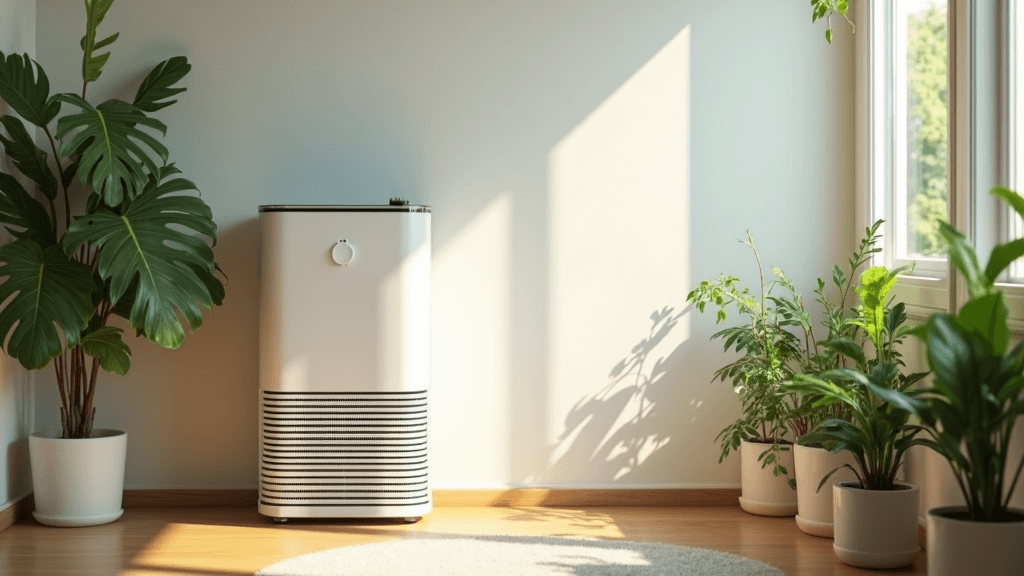
Why Eco-Friendly Air Purifier Use Matters
Air purifiers have changed home living, especially for folks dealing with allergies or city pollution. As convenient as these devices are, they use energy and create waste if not managed with care. Focusing on eco-friendly habits helps lower your carbon footprint and supports a healthier indoor environment.
Global interest in air quality is on the rise. Studies from the EPA show that indoor air can become up to five times more polluted than outdoor air due to chemical products and poor ventilation. Smart air purifiers make it easier to track air quality, but using them efficiently also helps cut down on energy use and filter waste. Every eco-friendly choice adds up over time, especially if you use your purifier every day.
Getting Started: Setting Up Your Smart Air Purifier Sustainably
Setting up your air purifier in a way that saves energy and resources can boost its performance and reduce your impact on the environment.
- Pick the Right Size: Choose a purifier that fits the size of your room. Oversized purifiers use more energy, while undersized ones run harder and waste more power trying to keep up.
- Location Counts: Place your purifier where the airflow isn’t blocked by furniture. Avoid putting it near open windows or doors since that can make it work overtime.
- Eco-Friendly the Modes: Many smart purifiers offer eco or sleep modes. These modes typically reduce fan speed and use less power, especially at night or when air quality is already good.
- Use Built-In Eco-Friendly Schedulers: Set cleaning cycles for times when you’re home or pollen levels spike. Schedulers help avoid running your purifier when it isn’t needed, which saves energy.
Day-to-Day Eco-Friendly Habits for Smart Air Purifier Owners
Building the right habits can go a long way in making your air purifier use more sustainable. Small changes can help save both energy and money over time.
- Turn Off When Not Needed: If you’re not home or the air quality is already great, switch off the purifier. Use app controls to turn it on or off remotely.
- Clean Filters Regularly: Washable prefilters can be cleaned and reused, cutting down on waste. For nonwashable HEPA filters, gently tap out dust outside to prolong the life between full replacements.
- Monitor Air Quality Trends: Use your purifier’s built-in sensors and app data. If you notice consistent clean readings, consider reducing usage or using a lower fan speed.
- Close Doors and Windows: When running your purifier, keep the space closed off as much as possible. This stops outside pollution from coming in and makes purifying faster and more efficient.
Changing your home filters is as easy as 1-2-3. FiltersFast.com Home Filter Club is a subscription service that protects your family’s health and your investment with filter deliveries for the products you need, on the schedule you need them. Check it off your to-do list today! Click here to sign up.
Filter Replacements: Making Greener Choices
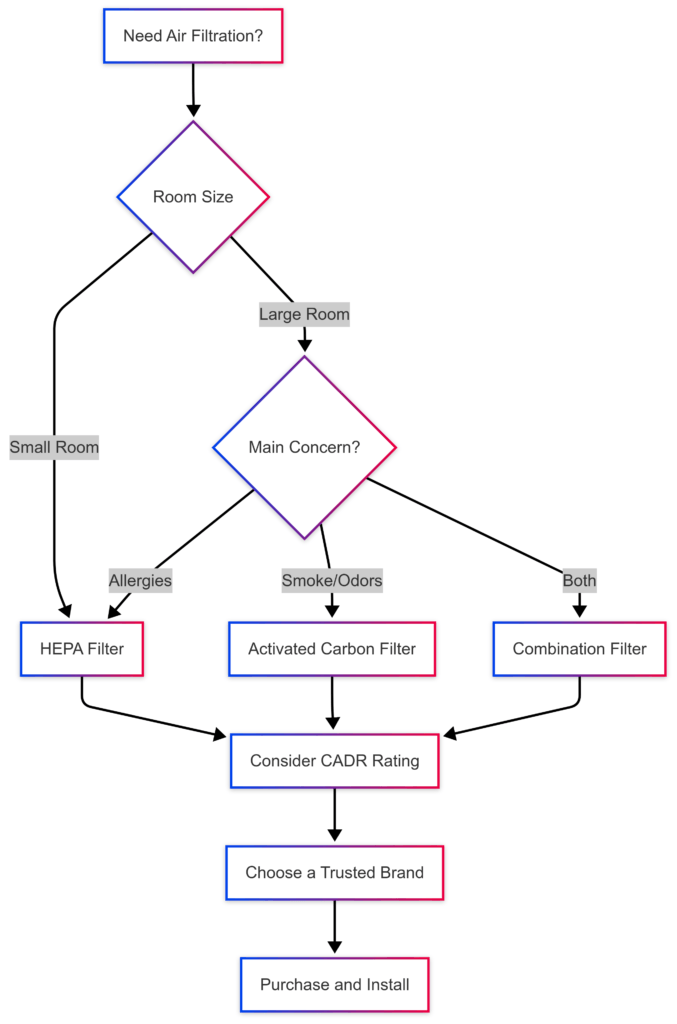
Filters are important for any air purifier, but old ones create a lot of waste. Working in a few mindful habits can help make the filtering process greener:
- Look for Washable or Reusable Filters: Some purifiers offer permanent or washable filters, reducing the amount of waste compared to single-use versions.
- Upgrade to Eco-Friendly single-use Filters: Several brands now offer filter options made from recyclable or biodegradable materials. They can be a bit pricier, but they help reduce plastic and synthetic waste long-term.
- Proper Disposal: Don’t toss filters in the regular trash right away. Check with your local waste management or the manufacturer. Some offer filter recycling programs, and some municipalities accept HEPA materials as hazardous waste. This keeps harmful components out of landfills.
- Bulk Buying Reduces Packaging: If you need to use disposable filters, buy in bulk where possible. This cuts down on the packaging and shipping emissions per filter.
![[FastFilters]](https://static.shareasale.com/image/121227/RZNewsletter68.png)
Energy Efficiency Tips for Smart Air Purifiers
Tech upgrades have made it possible to run air purifiers with a lot less energy. Even so, picking up a few efficiency tricks can make your setup greener without giving up clean air.
- Check for ENERGY STAR Certification: Models with this label are designed to use less power without sacrificing performance. It’s a quick way to spot machines that keep your bills low and emissions lower.
- Use the Lowest Effective Setting: Most smart purifiers automatically adjust fan speed according to air quality. If yours is manual, start with a higher speed and lower it once air quality improves.
- Schedule for HighPollution Times: Use sensors or app reminders to target pollen spikes, heavy traffic hours, or cooking times. Skip running it all day if the air quality is already good.
- Regular Maintenance: A clogged or dirty filter can make your purifier work harder, which burns more energy. Cleaning prefilters and keeping sensors dust-free helps avoid unnecessary strain on the motor.
Choosing Eco-Conscious Purifier Brands
Purchasing from brands that support sustainability means your investment goes a bit further. Here are some key things I look out for when shopping:
- Transparent Manufacturing: Some brands share details on their energy-efficient factories or use of recycled plastics. Check the brand’s website for info about environmental programs and certifications.
- Longer Warranty and Support: A longer warranty means your purifier isn’t likely to end up in a landfill after just a year. Brands that offer upgrade kits or affordable replacement parts help extend product life.
- Responsible Packaging: Larger companies are starting to use recycled or minimal packaging for their products. Some will even take back the packaging for recycling.
- Filter Subscription with Recycling: Smart brands often offer filter subscription plans, some of which include prepaid envelopes or drop-off points for sending back used filters for recycling.
Dealing With Common Challenges for Eco-Friendly Use
Like any home device, smart air purifiers come with their own set of challenges. Here are some practical fixes for the issues I see most often:
Filter Waste and Disposal
It’s easy to burn through a mountain of disposable filters, but there are ways to cut back:
- Go for units with washable filters or filter layers if allergies or sensitivities allow.
- Sign up for a takeback program through the manufacturer or check with local recycling centers about special handling for HEPA filters and activated carbon.
High Energy Use
Running a purifier all day and night bumps up energy use. Try a few simple tricks:
- Set custom schedules based on allergies, pollution alerts, or air quality trends in your area.
- Pair with other eco practices like opening windows when outdoor air is clean and using ceiling fans to help circulate air. Consider checking local air quality indexes to choose the best times to run your purifier and save energy. Also, sealing gaps around doors and windows can keep unfiltered air from sneaking back into rooms you’re trying to keep clean.
EcoUnfriendly Product Design
Some older models aren’t energy efficient and use hard-to-replace filters. When you’re in the market for a new purifier, prioritize upgrades that offer modular components or recyclable filters. As technology keeps improving, more brands are embracing recycled materials and longer-lasting designs.
RealWorld Ecofriendly Smart Purifier Examples
I’ve seen a few top brands taking the lead on green practices. For example, the Dyson Purifier line offers app scheduling, washable prefilters, and low-energy standby features. Another brand, Blueair, uses recyclable polypropylene in their filters and has a filter recycling program for customers in select locations. Even smaller brands are starting to put eco-friendly features front and center, so keep an eye out for companies supporting sustainability efforts through packaging or recycling programs.
- Smart Sensors and Triggers: Some purifiers hook into “smart home” setups, turning on only when sensors detect air quality drops, rather than running constantly. This targeted approach saves both power and wear on the machine.
- App Integration: Mobile apps can send notifications to change filters, run diagnostics, and adjust settings based on both indoor and outdoor data, helping you make smarter, greener choices in real time. These tools let you get a sense of how much you actually need to run your system, reducing unnecessary energy use.
Most Asked Questions about Eco-Friendly Air Purifier Use
How often should I change smart air purifier filters in any way?
The timing depends on the model and your air quality. Rinse washable filters every 1-3 months and replace disposables as the manufacturer suggests. Always check for local recycling programs for used filters to minimize your environmental impact with each filter swap.
Can I improve energy savings with my current smart purifier?
Yes. Use eco or auto modes, turn off during clean air periods, and take advantage of scheduling features via the app. Paying attention to seasonal factors or known allergy triggers can also help you cut extra runtime.
What’s the best green setting on a smart air purifier?
“Eco” or “sleep” modes typically run on the lowest fan speed while still monitoring air quality, making them great choices for saving energy. These modes are perfect for nighttime or during times when pollution levels are consistently low.
Final Thoughts,
Using a smart air purifier with eco-friendly habits isn’t complicated; it just comes down to awareness and forming simple habits. The cleaner your practices, the cleaner your air, and the smaller your environmental impact. Smart features and mindful upkeep make it easier than ever to breathe easy without any guilt, knowing you’re helping protect the planet too. Try out just a few of the steps noted above, and over time, you’ll see your green habits pay off with both fresh air and energy savings. Living cleaner doesn’t have to be hard or expensive—it’s all about getting into the right routine and making practical, planet-friendly choices every day.
