Smart air purifiers in 2026 do more than clean the air. They integrate with Alexa and Google Home, automate filtration based on real-time air quality, and reduce allergens, smoke, and VOCs without constant manual control. This guide compares the best smart air purifiers for connected homes, explains which features actually matter, and helps you choose the right system for your space and budget.
Why smart air purifiers matter more in 2026
Smart purifiers solve a specific problem:
They react faster and more accurately than people do.
Instead of guessing when to turn them on, smart models:
Indoor air quality is no longer a niche concern. Wildfire smoke, urban pollution, allergens, and sealed modern homes mean the air inside is often worse than outside.
- Monitor particulate matter (PM2.5), VOCs, and humidity
- Adjust fan speed automatically
- Integrate with voice assistants and smart routines
- Notify you when filters actually need replacement
For connected homes, that automation is the real value.
What “smart” actually means for air purifiers
Not every purifier labeled “smart” deserves the name.
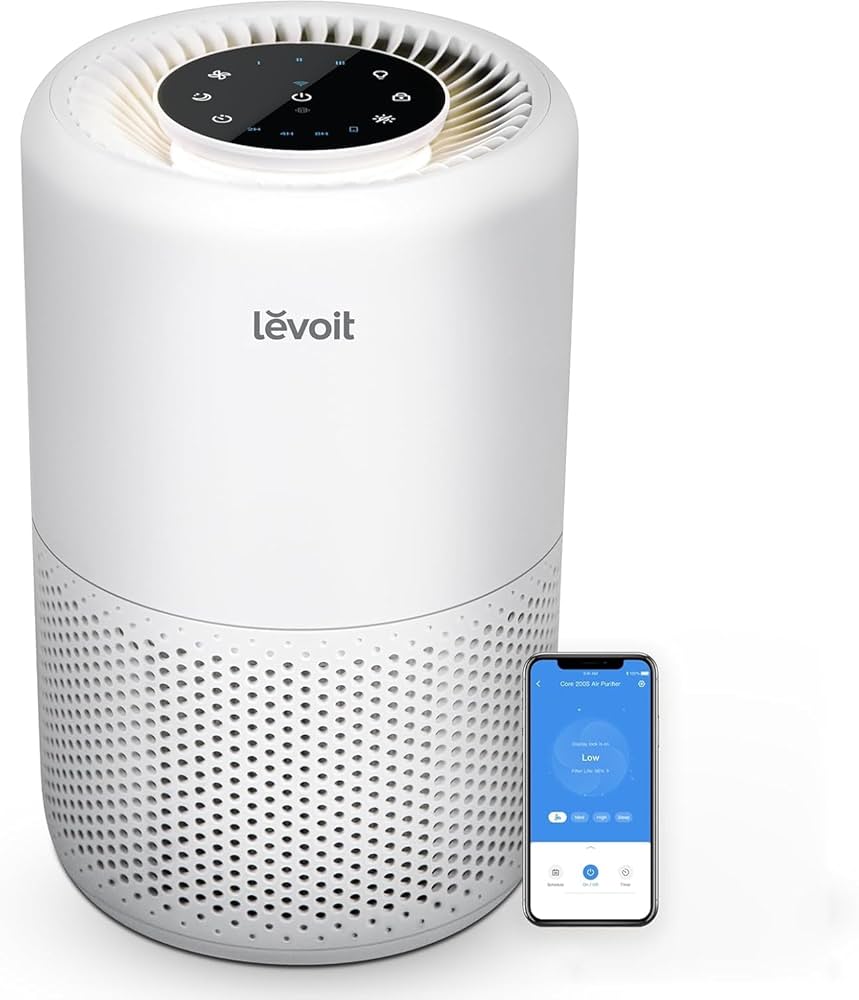
True smart purifiers include:
- Wi-Fi connectivity
- App-based monitoring and control
- Voice assistant support (Alexa, Google Assistant)
- Real-time air quality sensors
- Automated modes tied to pollution levels
If a purifier has only a remote or a timer, it is not smart. It is just convenient.
Best smart air purifiers for connected homes in 2026
Top overall smart purifier ecosystem
Field Controls
Field Controls focuses on whole-home and HVAC-integrated air quality systems rather than single-room gadgets. For smart homes, this matters.
Why it stands out
- Designed for whole-house coverage
- Integrates with HVAC systems
- Professional-grade filtration options
- Built for long-term reliability
Best for: Homeowners who want clean air everywhere, not just one room
👉 https://www.fieldcontrols.com/
Best filter replacement ecosystem
FiltersFast
FiltersFast is not a purifier manufacturer. That is its advantage.
Why it matters
- Massive selection of compatible replacement filters
- Easier maintenance across multiple purifier brands
- Subscription-friendly filter delivery
- Reduces long-term operating costs
Smart purifiers only stay smart if filters are replaced on time.
Best value-focused smart air purifiers
Mid-range smart purifier category
This category focuses on:
- Alexa and Google Home support
- Room-based coverage
- HEPA filtration with carbon stages
These models typically offer:
- App control
- Auto mode based on sensors
- Good performance without premium pricing
Smart air purifier comparison table
| Feature | Whole-Home Systems | Room Smart Purifiers | Budget Smart Models |
|---|---|---|---|
| Coverage | Entire house | Single or multiple rooms | Single room |
| Smart Control | HVAC + app | App + voice | App only |
| Automation | Advanced | Moderate | Basic |
| Filter Costs | Lower over time | Moderate | Higher long-term |
| Best For | Homeowners | Apartments, condos | Small spaces |
Alexa integration: what actually works
Voice control sounds cool. Automation is what matters.
Useful Alexa commands:
- “Alexa, turn on the air purifier”
- “Alexa, set purifier to auto mode”
- “Alexa, what is the air quality?”
The real benefit comes when:
- Purifiers activate during cooking
- Increase speed when smoke or pollen spikes
- Slow down automatically at night
If a purifier cannot do this, voice support is mostly cosmetic.
Energy efficiency and noise in smart homes
Smart purifiers in 2026 are significantly more efficient than older models.
Key improvements:
- Variable-speed motors
- Sensor-driven fan control
- Night modes are tied to ambient noise
This matters because:
- Lower energy use means you can run them continuously
- Quieter operation means no manual shutoff
- Consistent airflow improves overall air quality
Filter types that actually make a difference
Ignore marketing labels. Focus on these:
- True HEPA for allergens and fine particles
- Activated carbon for odors and VOCs
- Pre-filters for pet hair and dust
UV and ionizers are optional. In many homes, they add cost without measurable benefit.
DisclosureFAQ
What is the best smart air purifier for Alexa in 2026?
The best option depends on whether you want whole-home coverage or room-based purification. HVAC-integrated systems offer the most consistent results.
Do smart air purifiers really improve air quality?
Yes, especially when automated. Continuous, sensor-based operation outperforms manual use.
Are smart air purifiers worth the money?
They are if you value automation, energy efficiency, and consistent filtration.
How often should filters be replaced?
Most HEPA filters last 6–12 months. Smart systems notify you when airflow drops.
Can one purifier clean an entire house?
Only if it is integrated into the HVAC system. Portable units are room-specific.
Make your smart air purifiers part of your smart home
Smart lighting and thermostats are common. Clean air should be just as automatic.
If you want fewer allergens, less dust, and cleaner air without thinking about it, a smart purifier is one of the most practical upgrades you can make in 2026.
Choose the system that matches how you live, automate it once, and let it work quietly in the background.