Indoor air can get pretty nasty without you even noticing. Pet dander, dust, mold spores, wildfire smoke, and invisible chemicals hang in the air much more often than most people think. That’s precisely the kind of problem smart air purifiers are designed to tackle. They offer a way to monitor and clean up your space without needing to fiddle with settings all day. I’m jumping into what smart air purifiers actually do, why people swear by them, and how to decide if they’re a smart buy for your home.
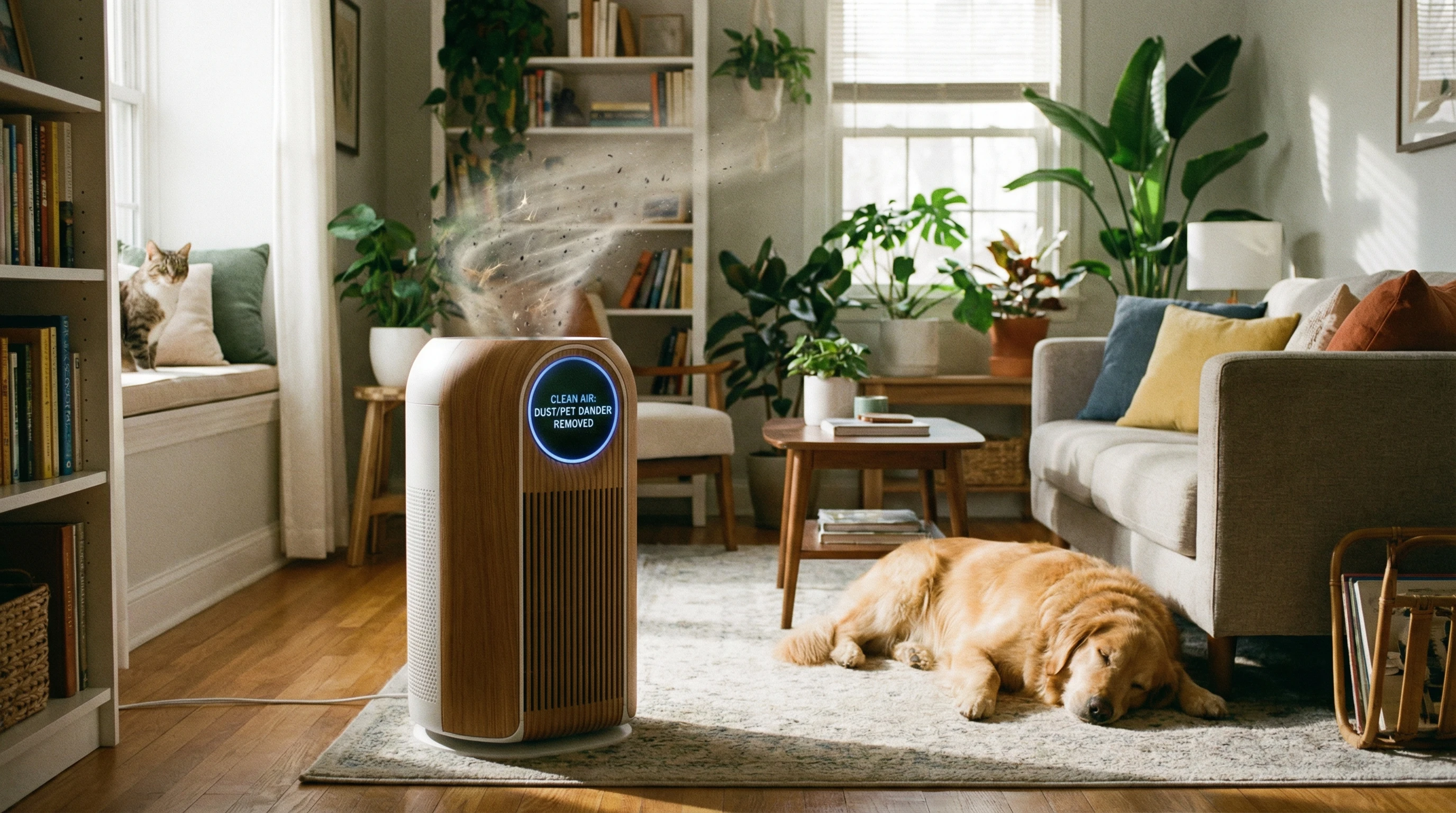
How Smart Air Purifiers Work
Unlike older air purifiers that just ran on one or two settings, smart models come with built-in sensors, WiFi connectivity, and app controls. They read the current air quality and automatically adjust the fan speed or filtration settings as needed. Having your own personal air quality assistant running in the background is pretty handy, especially if you live in a city, have allergies, or want an easier way to track indoor pollution.
Smart purifiers measure things like PM2.5 (microscopic airborne particles), VOCs (volatile organic compounds from cleaning sprays or paint), and sometimes carbon dioxide or humidity. Instead of guessing if the air is fresh, you get real-time numbers plus alerts when things get out of hand. Most models let you control everything with a smartphone app or set up schedules, and many can even link with home assistants like Alexa or Google Home. These extra touches make it easy to keep your indoor air at its best without much effort.
Why People Choose Smart Air Purifiers
Choosing a regular air purifier does help with dust and pollen, but smart air purifiers add a layer of convenience, peace of mind, and sometimes even cost savings over time. Here are a few reasons these high-tech purifiers are so popular right now:
- Hands-Off Operation: The purifier turns itself up or down based on actual air quality readings, so you don’t have to remember to change settings.
- Easy Tracking: Smartphone apps show you air quality trends and history, which is great if you want to see how your environment changes after house cleaning, cooking, or opening windows.
- Timely Maintenance: Most smart models will let you know when it’s time to wash or replace filters, so you’re never left wondering if it’s still cleaning properly.
- Energy Savings: By adjusting fan speed automatically, these purifiers often run less when air quality is good, cutting down on unnecessary electricity use.
- Remote Control: Turning the purifier on before you get home or while traveling can help people with allergies walk into a fresher space.
Additionally, the control and feedback loop smart purifiers provide can help you spot patterns—such as noticing when certain activities spike indoor pollution. Being able to backtrack and identify triggers gives you another way to keep indoor air fresh and healthy.
What To Think About Before Buying
Like any smart device, there are a few considerations worth thinking through before putting your money down on a smart air purifier. Thorough research and a clear idea of your own space help make sure the purifier you pick fits your actual needs, as well as your budget. Consider the following:
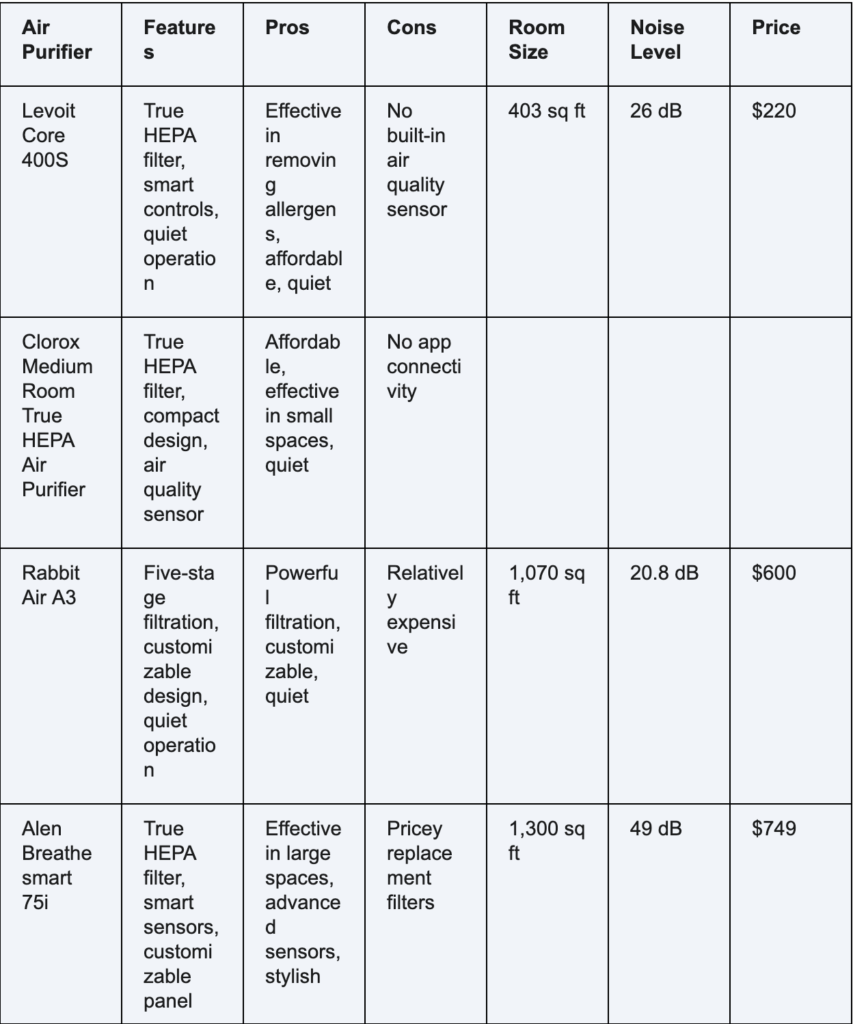
- Room Size: Not all models are cut out to clean big living rooms or whole apartments. Always check the “coverage area” in the specs.
- Smart Features: Some purifiers only offer basic tracking, while others give deep data histories, scheduling, geofencing, or voice assistant support. Extra features might cost more, but can be worth it depending on your routine.
- Filter Replacement Cost: Even top models need filter changes every 6–12 months, depending on use. Price out filters in advance so you aren’t surprised later.
- Noisy Operation: Some people are fine with a little white noise; others want something whisper-quiet at night. Check decibel ratings if noise is a big deal for you.
- Data Privacy: Because many smart purifiers use WiFi and apps, check what data is being collected and how it’s used. Most reputable brands are upfront about it, but it’s still good to take a look at privacy policies.
Here’s a super practical guide to choosing air purifiers for your exact needs if you’re still figuring out which details matter most to you.
Real-World Benefits of Smart Air Purifiers
I’ve tested several smart air purifiers in everything from tiny bedrooms to open-plan apartments. They aren’t magic, but in spaces with pets, smokers, home renovations, or city pollution, they make a noticeable difference in air freshness. Walking into a place after the purifier has turned on feels lighter; sometimes it’s even less stuffy, and you may see less dust piling up on surfaces, too.
The biggest advantage, in my experience, is being able to glance at an app and know exactly what I’m breathing in. It takes out the guesswork and is a big relief during allergy or wildfire season. Plus, I like being able to control and monitor the purifier from my phone—even when traveling. No need to keep the thing running all the time when the air is good. That was an unexpected way to save on both filters and power bills.
For households with kids, elderly relatives, or anyone with asthma/allergies, smart air purifiers sometimes mean fewer sneezing fits and less reliance on allergy meds. At least in my own example and stories I’ve heard from readers, cleaner air can also cut down on lingering cooking or pet smells pretty fast, which is great if you have guests or just want fresher vibes indoors. Plus, you gain peace of mind knowing you’re helping to protect vulnerable folks in your household from invisible air threats.
There’s also a mental benefit—just seeing those low air quality readings after a deep cleaning or after keeping windows closed on a smoggy day offers real reassurance that your efforts are making a difference. And if you work from home or have a dedicated home office, smart purifiers help reduce headaches or fatigue that can come from breathing in indoor pollutants all day.
Possible Drawbacks and Challenges
No technology is perfect, and smart air purifiers have their quirks. Here are a few challenges I’ve seen pop up most often, plus some quick strategies for dealing with them:
- Initial Cost: Smart models tend to be pricier upfront. Over time, though, energy and filter savings, not to mention better air quality, can help balance out the investment.
- Connectivity Issues: Like any smart home device, WiFi drops or glitches can make features like remote control or data tracking unreliable from time to time. Most still work in basic modes even if the smart side is temporarily down, but you’ll lose some of the cool tracking features temporarily.
- Subscription Fees: Some brands hide advanced tracking features or historical data behind a paywall, so double-check which perks are included up front. I prefer models that offer full functionality without yearly subscriptions.
- Learning Curve: For anyone not into apps or smart tech, setup can be a little intimidating. Many companies now offer friendly onboarding guides and video support to make things less confusing.
- False Alarms: Sometimes, a purifier’s sensor picks up things like cooking steam or scented candles, sending the auto mode into a spin. Knowing what triggers spikes in your home helps make readings more useful in the long run.
If you’re concerned about trickier sensor accuracy or want backup air quality readings, pairing your purifier with a dedicated air quality monitor can help clarify any confusion over specific readings.
Noise Level
A few of the more powerful models get pretty noisy at full blast, especially when reacting to big pollution spikes from vacuuming or the neighbor’s grilling session. Using the scheduling, night mode, or fan speed adjustment in the app can keep things quieter during sleep or work hours. Here’s a run-down of top quiet purifiers worth checking out if this is a dealbreaker for you.
For those who want continuous purification but struggle with noise sensitivity, some of the latest generation models use special engineering to reduce fan noise while still moving plenty of air—a feature definitely worth looking for if you have a light sleeper in the house or a quiet office setup.
Ongoing Maintenance
Filters trap everything from pollen to smoke, so ignoring them defeats the purpose of a purifier. A classic mistake is forgetting regular swaps; luckily, smart purifiers send reminders or let you track filter life. Some even let you order replacement filters directly through the app. This makes keeping up with maintenance so much easier than just setting a phone alert or sticky note.
I usually order my filters through FiltersFast.com (affiliate link), which saves time and helps make sure I’m not missing out on deals for replacement cartridges. Regular maintenance not only prolongs the life of your purifier but also guarantees maximum cleaning efficiency. If you work in a dusty environment, live near ongoing construction, or have high pollen seasons, you may even want to check filters monthly for the best performance.
Advanced Features That Might Win You Over
If you want to get even more out of a smart air purifier, some models have cool features that make them even more useful. Here are a few extras you might want to look for:
- Multiroom Monitoring: Some setups can control or monitor several purifiers across different rooms from one app dashboard. This is especially great for large homes or small businesses.
- Air Quality Insights: A few purifiers provide seasonal or weekly reports to help spot trends or issues, like a neighbor’s chimney, pollen peaks, or ventilation problems.
- Voice Control: Many models now support commands through Alexa, Google Home, or Apple HomeKit so you can turn them on, off, or adjust settings hands-free.
- Automatic Filter Ordering: Some apps prompt you to order or auto-renew filters based on usage data, which is pretty useful if you’re forgetful like me.
Not everyone needs every smart feature, but these can be game changers in bigger spaces or family households. For anyone with a busy schedule, these features add a layer of freedom so you don’t need to babysit your air quality every day.
Common Questions About Smart Air Purifiers
If you’re still deciding, you’re not alone. These are some of the most common questions people ask before making the leap:
Question: Do smart air purifiers really work better than basic ones?
Answer: Both clean the air, but smart purifiers make life easier by automatically adjusting settings and giving feedback on indoor conditions. It’s the hands-off convenience and better insight that most people end up liking.
Question: Are they safe for babies or people with asthma?
Answer: Most smart air purifiers are very safe. Just double-check that they use HEPA filters and avoid ozone. Models marketed specifically for allergies or asthma are worth a look if you have those conditions.
Question: What happens if the WiFi goes down?
Answer: The air cleaning part keeps working, but features like tracking, alerts, and app-based control may pause until your connection returns.
Question: Do smart purifiers save money long term?
Answer: Generally, yes. Auto-mode cuts wasted energy, and reminder systems keep you from running clogged filters. Upfront costs are higher, but they can pay off with energy savings and better health.
Question: How do I choose the right smart air purifier?
Answer: Look for HEPA filtration, low noise if needed, realistic coverage for your room size, and smart features that fit how you’ll actually use them. Check filter replacement costs up front, too. Here’s my favorite list for 2024 smart air purifiers if you want a shortcut.
Making the Choice: Are They Worth It?
Smart air purifiers are a good option if you want cleaner air with less hassle. The upfront investment brings some definite perks. Automatic adjustments, real-time tracking, and lower filter hassle all add up to a simpler and sometimes healthier home. They’re especially handy for families, pet lovers, and those living in high-pollution zones. If you want to keep tabs on your air without the guesswork, a smart purifier can offer real value and a bit of peace of mind along the way. When you factor in the energy savings and possible health improvements, the cost becomes easier to justify for many folks.
If you’re ready to compare models or find a good deal on filter replacements, I recommend FiltersFast.com (affiliate link) for a wide selection, competitive prices, and reliable shipping so you don’t run out unexpectedly. For more resources and real-world reviews, check out my latest hands-on purifier reviews here.
Breathe easier. Smart tech is finally making indoor air quality something simple you can manage without stress. Cleaner air isn’t a luxury anymore—it’s something you can actually keep up with, thanks to just a few smart upgrades in your home.