Air-to-Water Technology Explained: How Kara Water Turns Humidity Into Clean Drinking Water
Kara Water uses advanced air-to-water technology to extract moisture from the air, purify it, and mineralize it into safe drinking water—without relying on plumbing, bottled water, or groundwater sources.
This guide explains how Kara Water’s system works, why the Kara Pure 2 stands out, and where air-to-water technology fits into the future of sustainable hydration.
In an era where sustainability and technological innovation increasingly intersect, Kara Water has emerged as a serious contender in next-generation water solutions. Its flagship system, the Kara Pure 2, produces up to 10 liters (2.5 gallons) of clean, mineralized water per day by harvesting humidity from the air.
The concept is inspired by the Namibian desert beetle—an organism capable of capturing water vapor in one of the driest environments on Earth. Kara Water applies this principle using modern filtration, sterilization, and mineralization systems, offering a practical response to growing global water stress.

How the Kara Pure 2 Works
The Kara Pure 2 pulls in ambient air, condenses moisture into liquid water, and then runs it through a multi-stage purification process. This includes filtration, UV sterilization, and mineral infusion to ensure the water is both safe and pleasant to drink.
Unlike traditional filtration systems, this process does not depend on an existing water supply. That distinction makes air-to-water technology especially valuable in regions facing water contamination, infrastructure limitations, or frequent shortages.
More Than a Water Generator: A Dual-Purpose System
One of the most practical advantages of the Kara Pure 2 is its secondary role as a dehumidifier. By extracting moisture from indoor air, it helps reduce humidity levels that contribute to mold growth, musty odors, and microbial activity.
This dual functionality positions the system as both a water solution and an indoor air quality improvement tool—particularly useful in humid climates or tightly sealed modern homes.
Is Air-to-Water Technology Sustainable?
Air-to-water systems are often evaluated on efficiency, energy use, and long-term impact. Compared to bottled water and groundwater extraction, this approach reduces plastic waste and minimizes strain on existing water infrastructure.
While no system is entirely impact-free, air-to-water technology is increasingly viewed as a complementary solution—especially in areas where traditional water sources are unreliable or compromised.
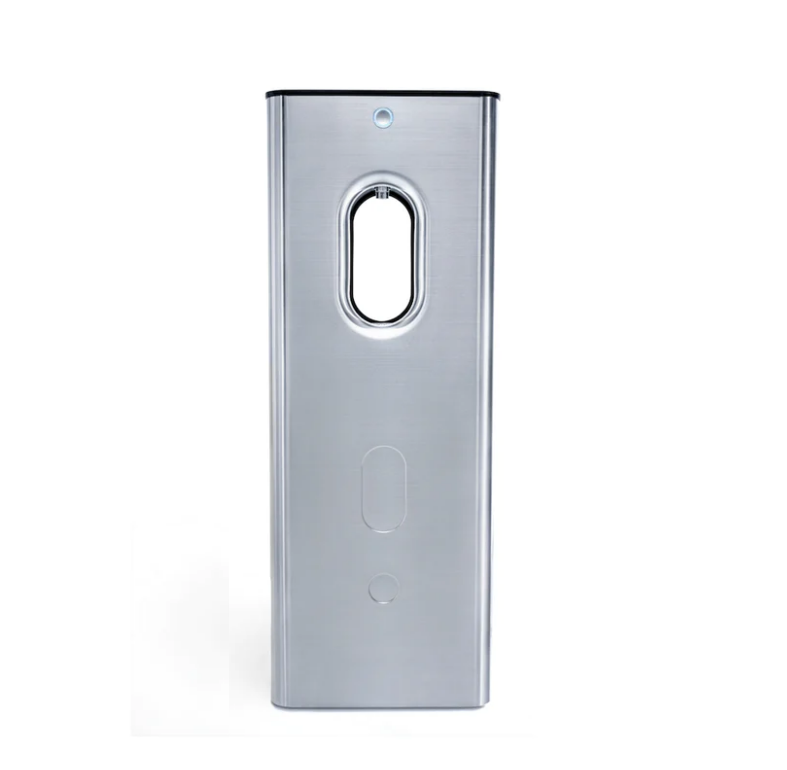
Disclosure: This link may earn a commission at no additional cost to you. Recommendations are based on product relevance, documented functionality, and real-world use cases.
Where the Kara Pure 2 Makes the Most Sense
The Kara Pure 2 is particularly well-suited for:
- Homes seeking independence from bottled water
- Offices prioritizing sustainability initiatives
- Regions with questionable water quality
- Preparedness-focused households
Because performance depends on ambient humidity, results are strongest in moderate-to-humid environments, though the system is designed to operate across a wide range of indoor conditions.
Mineralization and Water Quality
After purification, Kara Water adds essential minerals during dispensing. This step improves taste and supports balanced hydration—an important distinction from distilled water systems that strip minerals entirely.
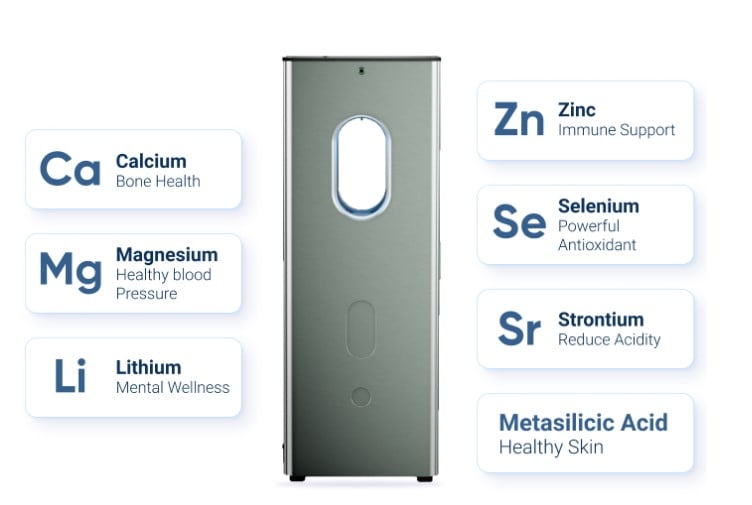
Expanding the Technology: Kara Pod and Future Applications
Kara Water’s air-to-water platform is not limited to drinking systems. The Kara Pod coffee brewer, showcased at CES 2025, applies the same technology to everyday appliances—demonstrating how atmospheric water generation can integrate into daily routines.
This signals broader potential for air-to-water systems beyond hydration, especially as water scarcity becomes a more frequent concern.
Final Takeaway
The Kara Pure 2 represents a meaningful shift in how clean water can be sourced indoors. By combining atmospheric extraction, purification, mineralization, and humidity control, it offers a compelling alternative to traditional water solutions.
As climate pressures continue to affect water availability, air-to-water technology is likely to play an expanding role in sustainable living strategies.
Learn more about Kara Water here