
Indoor air quality has become a growing concern, especially for homeowners looking to create healthier living environments. Smoke—whether from wildfires, cooking mishaps, or cigarettes—poses a serious threat, filling the air with fine particulate matter and harmful chemicals. Fortunately, smart air purifiers offer an effective solution, removing pollutants and improving the air you breathe.
This guide explores the benefits of smart air purifiers, compares popular models, delves into their environmental impact, and looks at future innovations shaping the industry.
How Smart Air Purifiers Improve Health
One of the most immediate benefits of a smart air purifier is its ability to reduce respiratory problems caused by smoke. Fine particles, particularly PM2.5, are small enough to penetrate deep into the lungs, aggravating asthma, COPD, and other respiratory conditions. A purifier equipped with a HEPA filter efficiently captures these tiny particles, preventing them from circulating in the air. Many users notice a significant reduction in coughing, wheezing, and shortness of breath after introducing a high-quality air purifier into their space.
Beyond smoke, air purifiers also tackle other airborne irritants such as pet dander, dust mites, and pollen, which are common triggers for allergies and asthma. By continuously filtering the air, these devices help create a cleaner, more breathable environment, reducing congestion and other allergy-related symptoms.
Cleaner air also plays a crucial role in sleep quality. Many people experience nighttime discomfort due to airborne allergens that cause nasal congestion or throat irritation. A smart air purifier helps by removing these particles, leading to uninterrupted sleep and a more restful night. Some models even feature night modes that reduce fan noise while maintaining air quality, ensuring a quieter and more comfortable sleeping environment.
Smoke is more than just an irritant; it also contains harmful pollutants such as volatile organic compounds (VOCs) and carbon monoxide, which can have long-term health consequences. Air purifiers that combine HEPA filtration with activated carbon effectively remove both fine particles and dangerous gases, providing an added layer of protection against indoor air pollution.
Understanding the Environmental Impact
While smart air purifiers contribute to healthier indoor spaces, it’s important to consider their environmental footprint. Energy consumption is a key factor, as some models run continuously to maintain air quality. Choosing an Energy Star-certified purifier ensures efficiency, reducing electricity usage without sacrificing performance. Many modern purifiers also include eco-friendly modes that adjust filtration speed based on real-time air quality, optimizing energy consumption.
Filter disposal presents another environmental challenge. Many air purifiers require frequent filter replacements, leading to waste accumulation. Some manufacturers offer washable or reusable filters, which help reduce waste, while others design recyclable options. Before purchasing a purifier, checking the manufacturer’s guidelines on filter lifespan and disposal methods can help minimize environmental impact.
Another concern is ozone emission. Some air purifiers use ionization technology, which can generate ozone—a pollutant that may cause respiratory irritation. To avoid this risk, it’s best to choose HEPA and activated carbon-based models, which clean the air without producing harmful byproducts.
Sustainability also extends to the manufacturing and shipping processes. Companies that prioritize eco-friendly materials, minimal packaging, and lower carbon emissions are making strides toward more sustainable air purification solutions. Homeowners who value environmental responsibility can look for brands that emphasize green initiatives and responsible sourcing.

Comparing Smart Air Purifiers for Smoke Removal
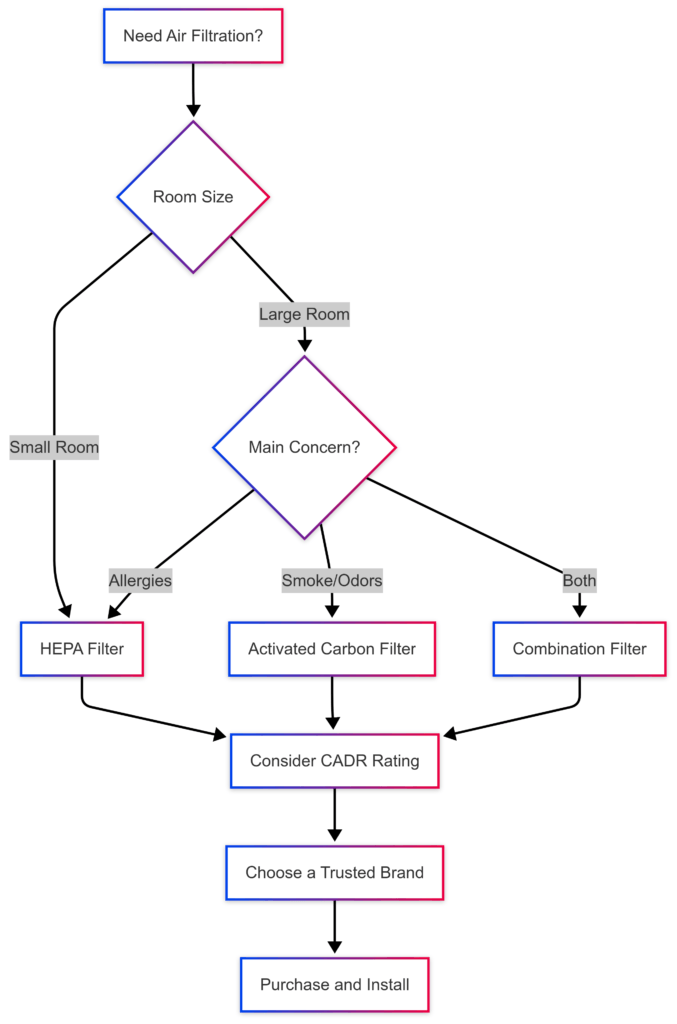
When selecting a smart air purifier, several factors influence its effectiveness, including Clean Air Delivery Rate (CADR), coverage area, and the presence of activated carbon for smoke odor removal. CADR measures how quickly a purifier can filter out pollutants, with higher numbers indicating faster performance.
Among the top contenders, Coway’s Airmega 400S stands out for its powerful filtration system, capable of covering up to 1,560 square feet, making it an excellent choice for large homes or open-concept spaces. Its smart features, including app connectivity and an energy-saving mode, add to its appeal.
For those seeking a balance between affordability and performance, the Levoit Core 400S offers a compelling option. With real-time air quality monitoring and voice assistant compatibility, it provides strong filtration at a more accessible price point. Similarly, Blueair’s Blue Pure 411i Max offers a sleek, compact design ideal for smaller rooms while maintaining excellent smoke-filtering capabilities.
For homes that require heavy-duty smoke removal, Austin Air’s HealthMate stands out with its 15 pounds of activated carbon, making it particularly effective at absorbing smoke odors. Meanwhile, IQAir’s HealthPro Plus features a HyperHEPA filter, capable of capturing ultra-fine particles that standard HEPA filters may miss.
Room size plays a crucial role in selecting the right purifier. To ensure effectiveness, it’s important to match the purifier’s coverage area with the dimensions of the space. A general guideline is to multiply the room’s square footage by the desired Air Changes per Hour (ACH) to determine the necessary coverage. In spaces with high smoke levels, opting for a purifier with a higher ACH is recommended.
The Evolution of Air Purification Technology
Air purifiers have undergone remarkable transformations since their early days. The concept of air filtration dates back to the 1800s, when basic charcoal-based purifiers were used in industrial settings. It wasn’t until the 1940s that HEPA filters were developed during World War II to remove radioactive particles from the air. This breakthrough eventually paved the way for residential air purifiers, which gained traction in the 1960s as awareness of air pollution increased.
By the 1980s and 1990s, HEPA and activated carbon filters had become the standard for home use, effectively removing both particles and odors. Timers and early automation features began appearing, allowing homeowners to set their purifiers to run at specific times. The early 2000s saw a surge in demand for smarter, more efficient models, leading to innovations such as real-time air monitoring, app integration, and voice control.
Today, smart air purifiers have become an integral part of home automation, offering features that not only improve air quality but also enhance convenience.
What’s Next for Smart Air Purifiers?
As technology advances, the future of smart air purification looks increasingly promising. AI-powered models are already beginning to analyze air quality patterns and adjust filtration settings automatically, optimizing performance without requiring manual input. These intelligent systems can learn from user behavior, adjusting their operation based on factors like outdoor pollution levels, room occupancy, and seasonal allergens.
Another exciting development is the incorporation of UV-C light sterilization, which targets airborne bacteria and viruses. Some newer purifiers are already experimenting with this technology, offering an additional layer of protection against microbial contaminants.
In the coming years, we can also expect to see greater multi-functionality in air purifiers, with models that double as humidifiers, dehumidifiers, or even air fresheners. By integrating multiple air quality solutions into a single device, manufacturers are making it easier for homeowners to maintain optimal indoor conditions.
Sustainability will remain a key focus, with an emphasis on longer-lasting filters, recyclable materials, and energy-efficient designs. As consumer demand for eco-friendly products grows, companies will continue to refine their production processes to minimize environmental impact.
Seamless smart home integration will also become more advanced, allowing users to control their air purifiers through a centralized home automation system. Compatibility with platforms like Amazon Alexa, Google Home, and Apple HomeKit will further enhance convenience, enabling effortless voice and app-based control.
Final Thoughts
A smart air purifier is more than just a tool for smoke removal—it’s an investment in better health, cleaner air, and enhanced home comfort. By carefully considering factors like filtration efficiency, room coverage, and smart features, homeowners can select a model that meets their specific needs. With continued advancements in AI, UV-C sterilization, and sustainable design, air purifiers will only become more efficient, making them an indispensable part of modern living.
For those looking to improve indoor air quality, now is the perfect time to explore the latest innovations in smart air purification. Choosing the right model can make all the difference in creating a healthier, more breathable home environment.