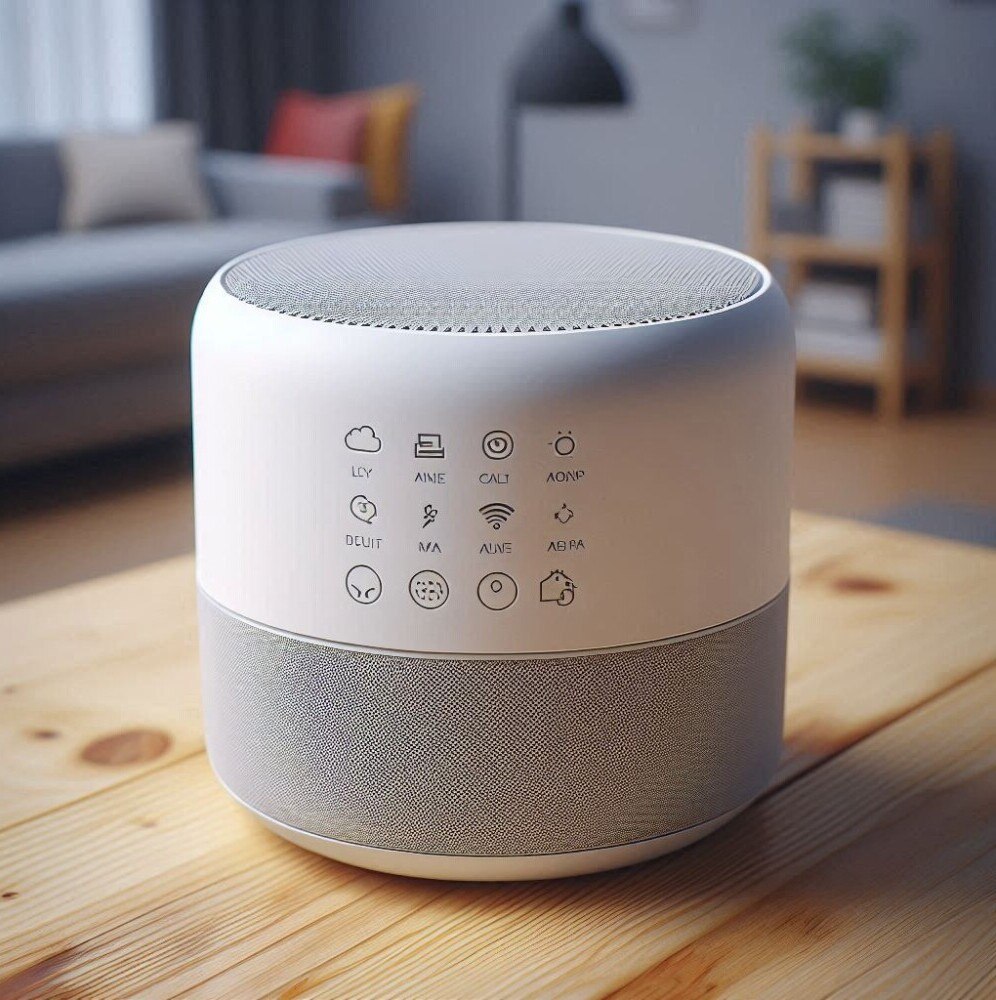
Smart air purifiers have become increasingly popular as people become more aware of the importance of indoor air quality. These intelligent devices go beyond the capabilities of traditional air purifiers by incorporating advanced technologies and smart features that enhance their performance and user experience. Essentially, smart air purifiers are traditional air purifiers with the added benefits of air quality sensors, smart apps, and voice control. In this article, we’ll explore the mechanisms and technologies behind smart air purifiers, examining their various components and features.
How Smart Air Purifiers Function
Smart air purifiers, like their traditional counterparts, operate by using a fan to draw in air and pass it through a series of filters that capture pollutants and particles. The purified air is then circulated back into the room, creating a healthier and more comfortable living space. However, what sets smart air purifiers apart is their ability to monitor air quality in real-time and adjust their operation automatically to optimize performance and energy efficiency.
Filtration Process
The filtration process in a smart air purifier typically involves multiple stages, each designed to target specific types of pollutants. Let’s take a closer look at how air is purified step-by-step:
- Pre-filtration: The first line of defense is the pre-filter, which captures larger particles like dust, lint, and pet hair. This prevents the subsequent filters from getting clogged prematurely, extending their lifespan and maintaining optimal airflow.
- HEPA filtration: The heart of most air purifiers is the HEPA (High-Efficiency Particulate Air) filter. HEPA filters are designed to trap a minimum of 99.97% of airborne particles with a size of 0.3 microns or larger. This includes common allergens like dust mites, pollen, mold spores, and pet dander, making HEPA filters highly effective in improving indoor air quality for allergy sufferers. It’s important to note the distinction between “HEPA” and “True HEPA” filters. While both are designed to meet the same efficiency standards, “True HEPA” filters are often tested and certified by independent organizations to ensure they meet those standards.
- Activated carbon filtration: After passing through the HEPA filter, the air encounters the activated carbon filter. This filter uses porous charcoal to adsorb gases, odors, and chemicals, such as smoke, volatile organic compounds (VOCs), and fumes. Activated carbon filters are particularly effective in removing unpleasant odors and improving the overall freshness of the air.
In addition to these core filtration stages, some smart air purifiers may incorporate further purification methods:
- UV-C light filtration: UV-C light filters use ultraviolet radiation to destroy or inactivate microorganisms like mold, bacteria, and viruses. This adds an extra layer of protection against harmful pathogens and can also help prevent the growth of mold and bacteria on other filters.
- Ionizers: Electronic air cleaners, including ionizers, use an electrostatic process to charge airborne particles. These charged particles are then attracted to an oppositely charged media within the air purifier, effectively removing them from the air. However, it’s important to be aware that some ionizers may produce ozone as a byproduct, which can be a respiratory irritant.
Filter Materials
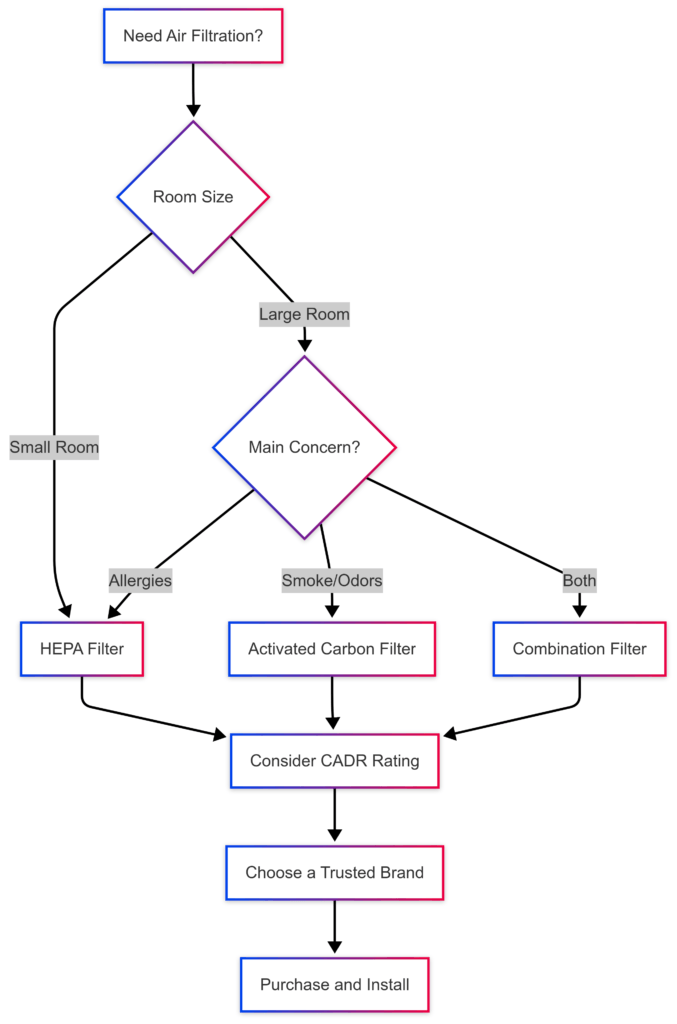
The effectiveness of an air purifier’s filtration system also depends on the materials used in the filters. Some common filter materials include:
- Fiberglass: Fiberglass is an affordable and reliable material often used in HEPA filters. It’s effective in trapping large contaminants like dust and pet dander. However, fiberglass filters may require more filter media, which can slightly reduce airflow.
- Activated carbon: Activated carbon is a highly porous material derived from charcoal. It’s excellent at adsorbing odors, gases, and VOCs. While activated carbon filters can be more expensive, they are highly effective and safe.
- Plastics: Some air purifiers use synthetic filters made from plastics, such as polypropylene. These filters are often washable, making them a more sustainable and cost-effective option.
The Role of the Fan
The fan plays a crucial role in the air purifier’s operation. It’s responsible for drawing in air, circulating it through the filters, and releasing the purified air back into the room. Modern air purifiers often utilize advanced fan designs that ensure quiet and efficient operation while consuming minimal energy.
Sensors and Smart Features
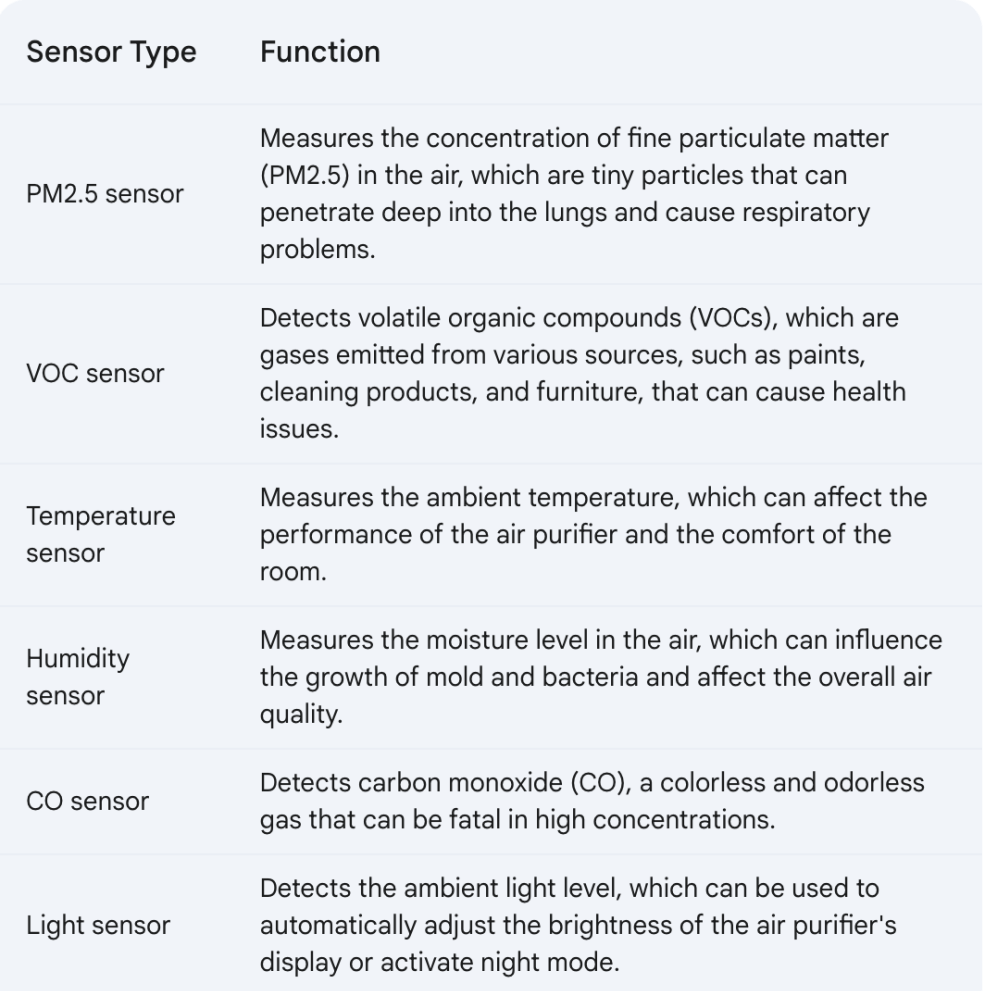
Smart air purifiers are equipped with a variety of sensors that allow them to monitor air quality in real-time and adjust their operation accordingly.
Sensors
| Sensor Type | Function |
These sensors work together to provide a comprehensive picture of the air quality in your home and allow the smart air purifier to adjust its operation accordingly. For example, if the PM2.5 sensor detects a high level of pollution, the air purifier will automatically increase its fan speed to clean the air more quickly. Some smart air purifiers also use this data to provide personalized recommendations, such as suggesting that you open a window to improve ventilation or avoid using certain cleaning products that emit high levels of VOCs.
FiltersFast.com is the #1 online filtration retailer in the USA