Whole-home air purification is quickly becoming a more popular solution for improving indoor air quality, with smart air purifiers now getting all the attention. Clean air indoors shapes how I feel, think, and even sleep.
These new systems promise real-time monitoring, automatic adjustments, and simple controls with just a tap or voice command. I want to help you understand if the latest smart purification systems are finally up to the challenge for a healthier home.
Why People Are Turning to Whole Home Air Purification
Several years ago, I noticed a difference in how I felt when I switched on my old portable air purifier in just one room. Still, dust and odors seemed to stick around elsewhere, and my seasonal allergies never really went away. This experience is pretty typical, which is why more people are looking beyond single-room filters.
Whole-home purification works by connecting to the HVAC (Heating, Ventilation, and Air Conditioning) system, allowing every area in the house to get cleaner air. Market research from Grand View Research shows that interest in these systems has been going up, with a greater focus now on solutions that tackle more than just dust.
Smart purifiers can help with fine particles, pet hair, mold, smoke, pollen, and even volatile organic compounds (VOCs). As people get more aware of how indoor air quality affects health, whole-home solutions offer an approach that doesn’t require lugging a machine from room to room.
Understanding How Smart Air Purifiers Work
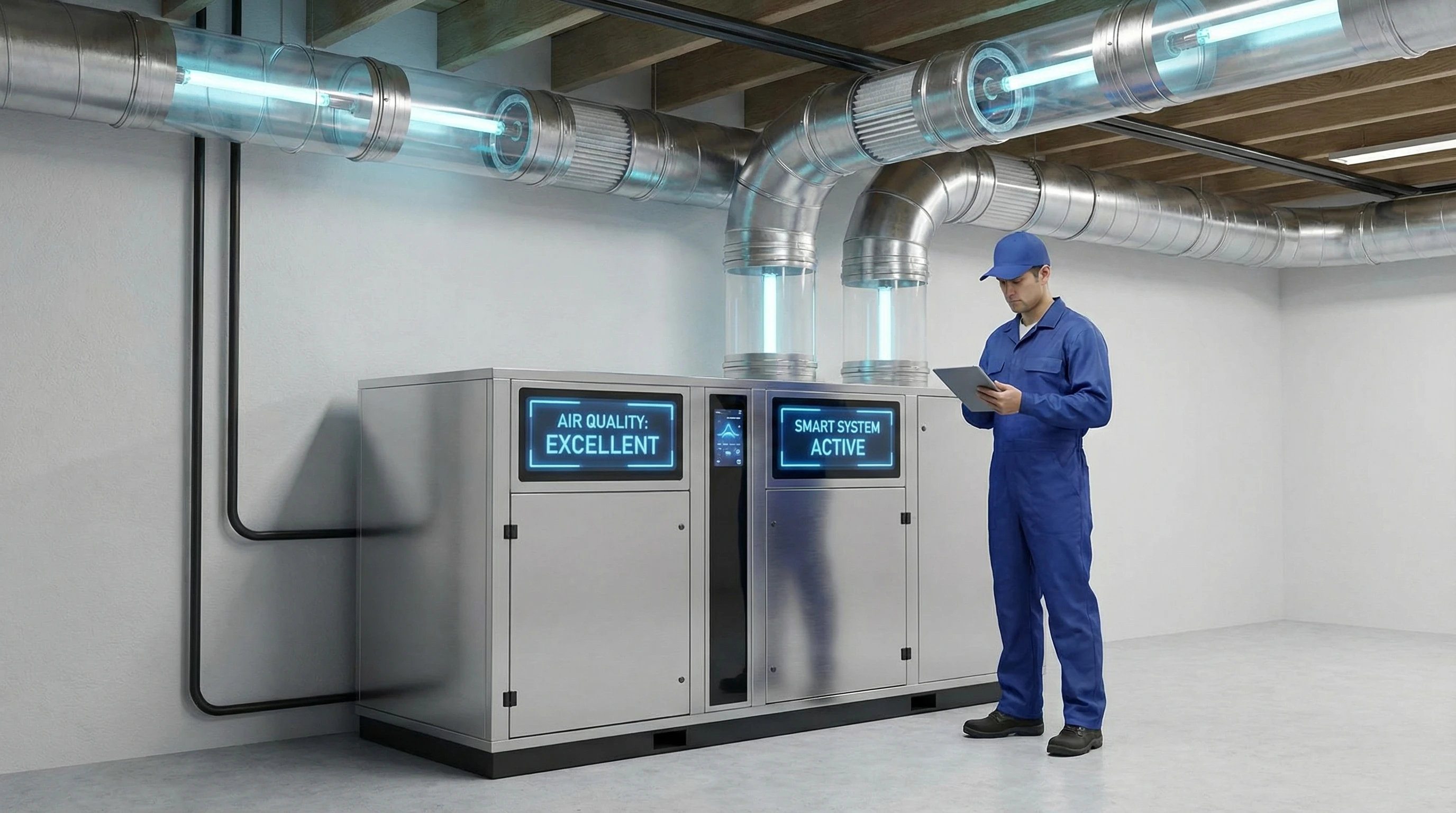
Many people ask what makes a smart air purifier different and how it works across the whole house. A traditional purifier draws air through a filter in a single room. Smart whole-home purifiers are integrated into the building’s ductwork or connected directly to a furnace or air handler. This allows a single unit to clean the air throughout every area the HVAC system serves.
Smart versions feature WiFi connectivity and sensor-based automation. The purifier can check particle and gas levels in real time, adjust speeds, and even turn off or switch modes when air pollution is low. Some models send alerts to my phone if the air quality dips. This level of control and feedback brings peace of mind, since it’s clear the air is actually being cleaned, not just filtered occasionally.
- Wide Coverage: Purifies air throughout the entire house, taking care of dust and allergens everywhere, not just in one space.
- Automated Response: Sensors look for changes in air quality and adjust purification levels without constantly needing input from me.
- Remote Monitoring: Most smart purifiers have apps so I can check air quality from wherever I am, even when I’m away from home.
What Really Makes a Wholehome Smart Air Purifier “Smart”?
Smart purification is more than just phone connectivity. Advanced models are equipped with sensors for particulate matter (PM2.5 and PM10), VOCs, humidity, and, sometimes, carbon monoxide. These let the purifier react immediately to things like cooking smoke, incense, or pollen. Some units feature learning modes that adjust to my habits or patterns in outdoor air quality.
Here are a few smart features I’ve found handy in whole-home air purifiers:
- Air Quality Sensors: Track pollutants as well as temperature and humidity in some models.
- App Control and Voice Commands: Change settings, check filter life, and schedule routines using my phone or a smart home assistant.
- Automated Filtering: Boosts or lowers filtration speed to respond to sudden spikes in particles or smoke.
- Maintenance Alerts: Notifies me when filters need changing or when it’s time for a cleaning.
With automation, purification no longer requires guesswork—clean air just happens, day or night, no matter what’s happening outside.
Types of Whole Home Purification Technologies
I’ve checked out the technology inside today’s whole-home purifiers, since performance depends so much on the type of filter and system involved. Here are the main options available now:
- HEPA Filters: High-efficiency particulate air (HEPA) filters trap more than 99% of fine dust, pollen, pet dander, and small particles.
- Activated Carbon Filters: These soak up gases, odors, chemical fumes, and VOCs, removing smells from cleaning, cooking, or furniture.
- UVC Light: Attacks living contaminants such as bacteria, viruses, and mold spores, often with a UVC lamp inside the air handler or duct.
- Electrostatic Filters: Send a charge to airborne particles so they stick to a collector plate, which can be rinsed and reused.
- Hybrid Systems: Most smart whole-home units mix two or more of these technologies to catch a broader array of pollutants.
Combining these technologies protects against most indoor airborne threats, and the smart features show me what’s happening in real-time.
How to Choose a Smart Whole Home Air Purifier
Picking the right system for my house took more than just comparing prices. I wanted high performance, easy controls, and filters that are simple to reorder. Here are the most important things I considered:
- HVAC Compatibility: Most systems attach to current ductwork or a furnace. I had to make sure my HVAC system matched or could be adjusted if required.
- Coverage: I checked the air changes per hour (ACH) rating and square footage to confirm the purifier could handle the whole house—not just one floor.
- Sensors: More kinds of sensor support (for particles, VOCs, and germs) meant better all-around coverage.
- Filter Replacement Costs: I looked into how often I’d need new filters and their cost. Ordering HEPA and carbon filters online through FiltersFast and FiltersCollection was straightforward.
- Maintenance: Some purifiers run themselves. Others require more hands-on cleaning and checks.
- App Support: A good, easy-to-use app simplified keeping track of filter life, air quality, and system controls.
A good warranty and strong customer service also counted, making installation easier and ensuring I could get help down the road if needed.
My Experience with Smart Wholehome Systems
After trying out different purifiers over the years, my switch to a smart whole-home system made the air in my house feel fresher everywhere—especially during allergy seasons. The most noticeable change happened during cooking and spring cleaning. Old purifiers lagged behind on dust, fumes, or pet dander, but the smart unit instantly sensed and upped the filtration as needed. The app lets me track air quality and filter health, making maintenance a breeze.
I had good luck ordering filters from FiltersFast and FiltersCollection. For advanced control systems and dependable UVC options, I also recommend checking out FieldControls, which supplies products for commercial settings.
Addressing the Most Common Concerns
- Smart Security: People sometimes ask me if WiFi is secure for a home air purifier. I always pick models with strong encryption and trusted apps. Using a safe home WiFi network keeps data protected.
- Installation: Most whole-home systems need professional installation to be sure everything is set up right and airflow isn’t blocked.
- Filter Replacement: Smart reminders take the hassle out of keeping up with changes, but I also check filters myself every few months.
- Energy Use: Newer models run efficient fans and motors that won’t increase the energy bill much. Air quality data sometimes helps me use the system less when it’s not needed, actually saving energy overall.
Key Things to Decide Before You Buy
- Home Size and Layout: Multistory homes or ones with closed rooms might need extra returns or extra purifiers for best results.
- Allergy or Sensitivity Types: Anyone sensitive to pet allergens, chemical fumes, or pollen should pick a system that targets those issues specifically.
- Ongoing Maintenance: Even top models need regular filter checks and occasional cleaning. I recommend a subscription from FiltersFast for reliable, scheduled filter deliveries.
HEPA and Carbon Filter Longevity
While some manufacturers claim longer-lasting filters, how long they really last depends on home air pollution and how much the system runs. I found it helpful to check filters every month during high-pollen times, letting the smart app guide me during the rest of the year. Keeping vents and ducts clean has also saved money and extended filter life.
UVC and Advanced Filtration Methods
Lots of people have questions about UV lights or ionizers. UVC is an extra layer of protection, not a filter replacement. I personally skip ozone generators, since too much ozone can cause health problems. I look for systems that adhere to EPA guidelines to ensure safety and effectiveness meet standards.
Whole Home Air Purification in Real Life
I’ve seen many families and individuals with asthma and allergies, or who deal with wildfire smoke, get big benefits from smart whole-home purifiers. When outdoor air takes a turn for the worse, these systems adjust automatically, guaranteeing clean air inside wherever I am. In pet-friendly or cooking-inclined homes, sensor-based purifiers quickly handle hair, dander, and lingering smells better than small standalone units.
- Pet Owners: Limits dander and fur, meaning less cleaning and fewer sneezes.
- Families with Kids: Helps protect kids from air irritants as they play indoors.
- Remote Workers: Cleaner air in home offices has helped me stay sharp and feel less tired.
- People with Breathing Issues: Real-time tracking helps people who are sensitive to smoke, dust, or ozone manage their air better.
Frequently Asked Questions
Question: Do smart whole-home air purifiers really make a difference compared to portable units?
Answer: From my experience, whole-home purifiers are in a different league since they clean every room evenly. Portable units can’t keep up with air movement throughout the house. Whole-home systems run quietly in the background and respond without my intervention, which improved my air quality in a way I noticed right away.
Question: Can I install one of these myself, or do I need a professional?
Answer: Some DIY systems exist, but most reputable whole-home models (especially those that connect to ducts) require pros for installation. That way, I know everything is hooked up safely and covers the whole house as it should.
Question: How do I know if my air quality has really improved?
Answer: The majority of smart systems give data in the app showing changes in particle and gas levels. I noticed cleaner surfaces and easier breathing, particularly in allergy seasons, and tracking numbers over a few weeks tells the story as well.
Question: What about ongoing costs?
Answer: There are some ongoing expenses for replacement filters, typically every 6–12 months for HEPA and carbon types. I’ve found the comfort and health perks are worth the investment. Easy online orders from FiltersFast and FiltersCollection help keep costs reasonable.
Wrapping Up,
I’ve learned that smart whole-home air purifiers truly offer an answer to better indoor air quality. With air quality tracking, automation, and hassle-free maintenance, getting cleaner air is easier and more effective than ever. For anyone ready to upgrade, reliable HEPA filters, strong sensors, and thoughtful app controls invest pay off.
Looking at well-regarded suppliers like FiltersFast, FiltersCollection, and FieldControls makes finding the right fit smooth and straightforward. If cleaner, easier air management matters to you, too, these new smart systems are powerful enough to meet today’s air quality needs.