Air filters sometimes feel like one of those home items that just sit in the background, until allergies hit or dust starts collecting on every surface. A big part of how well your air filter works comes down to its MERV rating. These ratings can look a little confusing, but they actually make a difference in your air quality and, in turn, your overall health. I’ll break down what MERV ratings really mean, why they matter, and how to pick a filter that works for you and your family.
What Is a MERV Rating?
MERV stands for Minimum Efficiency Reporting Value. In plain terms, a MERV rating tells you how well a filter traps airborne particles of different sizes. The higher the rating, the more particles it can capture. These ratings run from 1 to 20, but most homes don’t need the highest numbers. Anything between MERV 8 and MERV 13 usually works for typical households.
MERV ratings are pretty handy for figuring out which filter works best in your space. They’re standardized, so you can trust that a MERV 8 from one brand filters out roughly the same particles as a MERV 8 from another. This makes comparing options much easier, especially if you’re new to picking filters.
Beyond just matching numbers, knowing your MERV helps you better understand exactly what you’re breathing. For example, someone living in a city with lots of traffic might want to use a filter with a slightly higher MERV score to capture more fine particles. Families with pets or small children often benefit from a step up in filtration, as it’s an easy way to give a boost to your home’s air quality without major changes.
How MERV Ratings Affect Indoor Air Quality
Higher MERV ratings mean the filter blocks tinier particles like pollen, mold spores, pet dander, and even some bacteria. Lower ratings trap bigger debris, such as dust and lint, but tend to let smaller stuff pass through. For anyone with asthma or allergies, going with a filter in the MERV 11-13 range can help capture more of those smaller irritants, though it’s worth making sure your HVAC system can handle a denser filter before swapping it in.
Some advanced ratings, like MERV 17-20 (often found in hospitals), block particles as small as viruses. However, these aren’t usually needed in regular homes and can sometimes block airflow or overwork your furnace or AC system. While they might appear tempting for the ultimate cleanliness, they are really made for specialized settings that demand intense filtration.
- MERV 1–4: Good for catching larger dust and pollen particles
- MERV 5–8: Filters out mold spores and pet dander
- MERV 9–12: Catches things like humidifier dust, lead dust, and auto emissions
- MERV 13–16: Removes bacteria, smoke, and fine allergens
If you want a full breakdown, the BestSmartPurifiers.com guide on MERV filters is worth checking out for more super detailed info. It’s helpful for comparing which particles certain filters block, so you can make a smarter choice for your situation.
Choosing the Right MERV Rating for Your Home
Picking an air filter isn’t just about going for the highest rating. Super high MERV ratings can actually lower airflow in some older HVAC systems, which stresses the equipment and may even raise utility bills. Most modern home units work well with filters rated between MERV 8 and 13. You’ll still get good filtration without risk of messing up your system.
For most people, a MERV 8 filter deals with basic dust, pollen, and some pet dander. If anyone in your home has allergies or a respiratory condition, or you live in a city with pollution, stepping up to a MERV 11 or 13 filter makes sense. Before switching, check your furnace or AC manual (or contact an HVAC pro) to make sure higher-rated filters won’t strain the blower motor.
If you rent, swapping in a higher MERV filter is a simple upgrade to boost your indoor air quality. Just make sure to change it regularly; most need to be replaced every 1–3 months, depending on use, pets, or the environment. Failing to swap out your filter on time means even the fanciest model eventually clogs up and stops doing its job.
To get the most out of your choice, always measure your current filter and buy the correct size. Oversized or undersized filters won’t work as intended. Also, watch for special features such as allergy control or odor reduction, which some brands offer at similar MERV ratings. These little perks make a noticeable difference for sensitive households.
Health Benefits of the Right Filter
Cleaner air indoors means fewer allergy symptoms, easier breathing, and even better sleep for some people. The right filter cuts down on dust mites, pollen, and airborne particles that float into your home from the street or open windows. For families, kids, or anyone with sensitive lungs, a filter upgrade can really make a difference. You may notice that reducing airborne irritants has a big impact on comfort, especially during high-pollen seasons or dry spells when allergies typically flare up.
There’s also growing evidence that continuous exposure to smaller airborne particles can trigger or worsen respiratory issues over time. Using a higher MERV filter (that works with your system) is an easy, low-cost way to help protect your health, even if it doesn’t totally remove every possible contaminant. While no filter is perfect, consistent use of a good-quality one dramatically reduces the particles you breathe, making indoor living safer and more pleasant overall.
Common Misunderstandings about MERV Ratings
- Higher isn’t always better. Some people assume that only the highest-rated filters are safe. In reality, compatibility with your HVAC matters just as much. If your system wasn’t built for super dense filters, a mid-level MERV does the job without causing problems.
- HEPA filters are not the same as high MERV. HEPA filters are super efficient (often MERV 17+), but most home systems aren’t designed to use them directly. Portable air purifiers with HEPA filters are better for rooms that need extra help.
- MERV ratings don’t measure chemical or gas removal. Regular air filters don’t catch things like VOCs (volatile organic compounds). For those, you need a carbon filter or a specific air purifier, which you can read more about on BestSmartPurifiers.com.
It’s also worth pointing out that higher-rated filters don’t always last longer. In fact, because they catch more particles more quickly, they may actually clog up sooner than basic filters. Stay on top of replacement intervals to keep things clean and flowing smoothly.
How to Check and Change Filters
Sticking with a good maintenance schedule keeps your air quality where you want it. Dirty filters fill up faster the more particles they trap. Here’s what I do regularly to get the best performance:
- Check filters every month, especially during pollen season or heavy use periods like winter and summer.
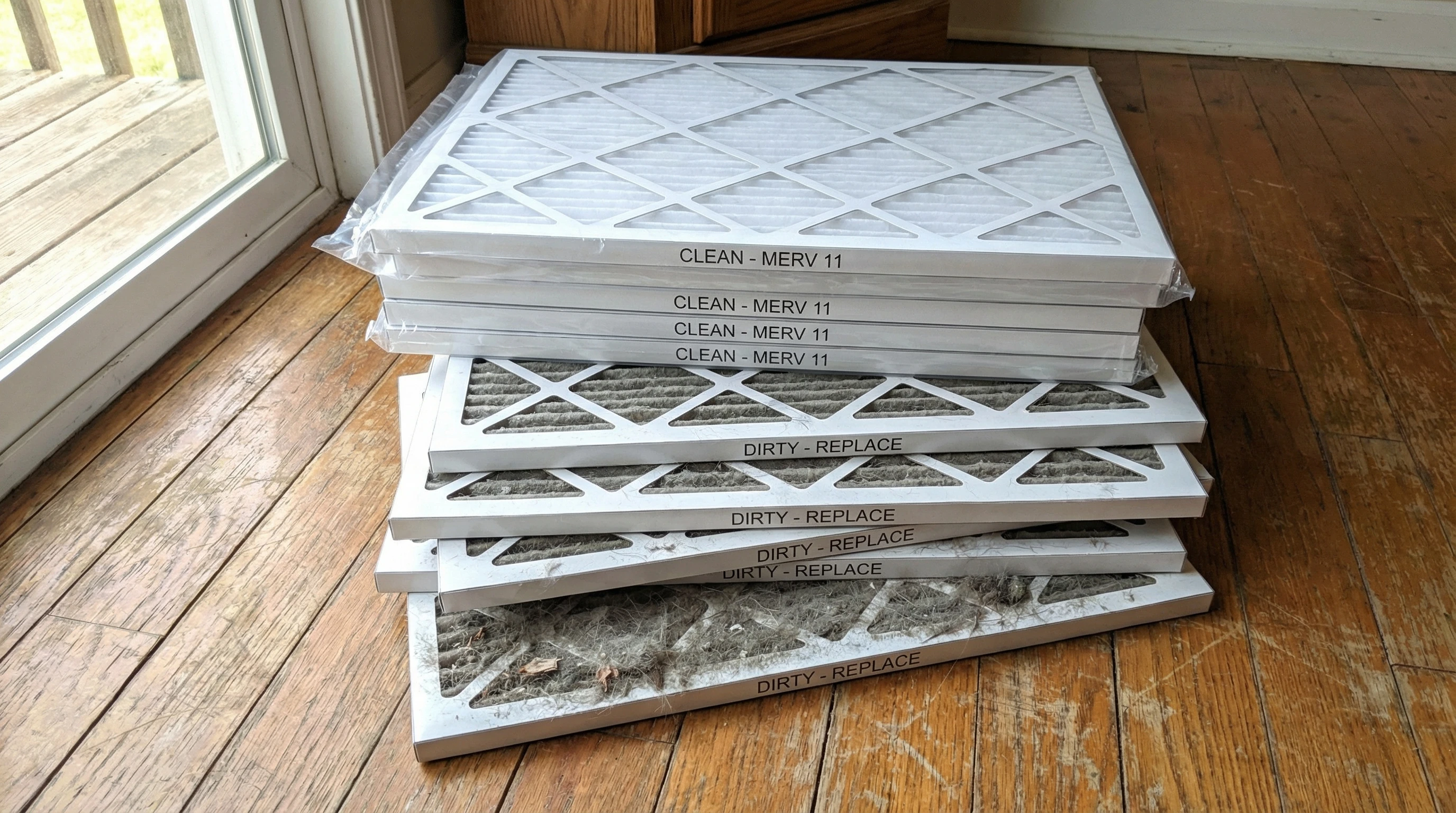
- Replace whenever the filter looks gray, feels clogged, or has visible dust buildup. If you notice rooms getting dustier than usual, it’s a clue that the filter needs attention.
- Mark the installation date on the frame, or set a calendar reminder on your phone—that little prompt helps a lot and ensures you’re not guessing when it’s time for the next change.
For the quickest regular delivery, I use FiltersFast.com. They make finding the right size and type super easy, and you can set up automatic shipments so you’re never scrambling for a fresh filter. With regular shipments, you always have a filter on hand to swap out quickly, keeping your HVAC happy and your air clean.
Other Ways to Boost Air Quality
Even the best air filter can’t do it all. Here are some ways I keep my indoor air really fresh, no matter the season:
- Use vent fans when cooking, showering, or cleaning to whisk away extra moisture and unwanted smells.
- Keep windows open for a few minutes daily when outdoor air quality is decent, allowing for fresh natural airflow.
- Vacuum carpets and mop floors weekly to get rid of trapped dust and allergens that settle out of the air.
- Pick up a portable air purifier for trouble spots such as bedrooms or home offices. For my picks, check the detailed reviews at BestSmartPurifiers.com.
- Change bedding often and wash pillowcases weekly, since soft surfaces trap dust and dander easily.
- Declutter—less stuff means less surface area for dust to settle on, making cleaning way easier and more effective.
Frequently Asked Questions
What’s the best MERV rating for allergies?
For most people with allergies, a filter rated between MERV 11 and MERV 13 works well. These traps smaller allergens like pollen, pet dander, and mold spores. Always check your system to make sure it’s compatible with those ratings.
Can a MERV 13 filter harm my HVAC?
It depends on your system. Some older or lower-power HVAC units can’t handle the thicker filters and may have reduced airflow. Always double-check your user manual or ask an HVAC tech before upgrading.
How often should I swap my air filter?
Most people benefit from changing filters every 2–3 months. If you have pets, allergies, or live in a dusty area, check monthly and swap out as needed.
Is a HEPA filter better than a high MERV filter?
HEPA filters are very effective, but usually aren’t compatible with built-in home systems. Use HEPA in portable purifiers if you want extra filtration in a single room.
Wrapping up: MERV Ratings and Health
Understanding MERV ratings doesn’t have to be confusing. Getting the right one helps keep your air clean, your health protected, and your HVAC running smoothly. You don’t always need the highest number—just the one that suits your home and your needs. Staying on top of filter maintenance and being mindful of what you need in your living space can make a surprising difference day-to-day. If you’re hunting for an easy filter upgrade, I recommend checking out my go-to supplier here on FiltersFast.com; it saves time, money, and hassle over the long run. And for more ways to give a boost to indoor air quality, take a quick browse at BestSmartPurifiers.com. Breathe easy, friends!