Fresh, breathable air plays a big role in how I feel at home. If you’re trying to pick between an air purifier and a humidifier, sorting out what each one does can help you decide what’s best for your specific needs. I often get asked whether it’s better to add moisture to dry air or to filter out airborne particles. So, I’m going to break down the basics of each device, compare the benefits, and share some tips based on experience.
Understanding Air Purifiers and Humidifiers: The Basics
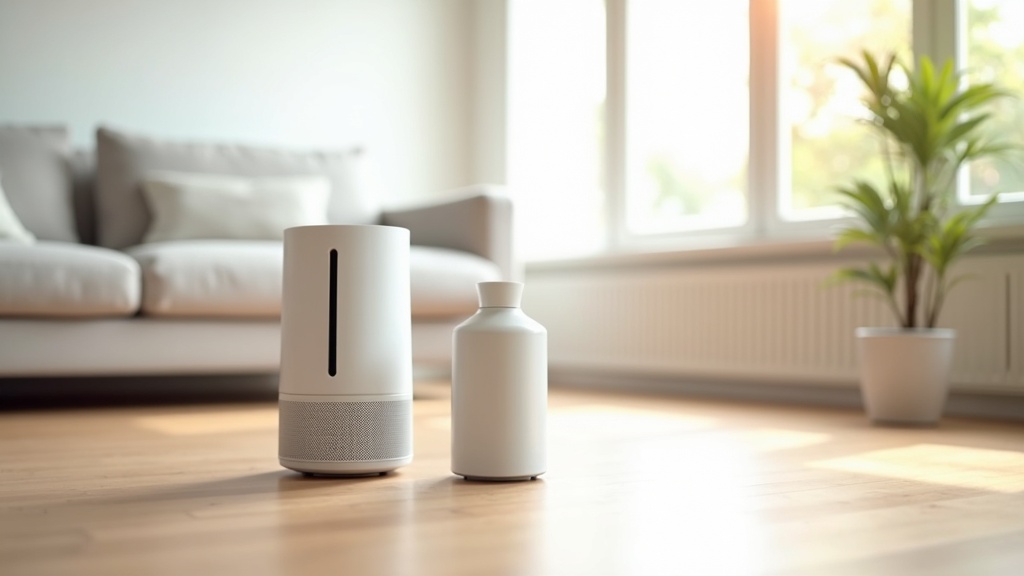
Both air purifiers and humidifiers change the quality of the air, but they do it differently. An air purifier removes particles like dust, pet dander, pollen, mold spores, and some even filter out odors or smoke. Many use HEPA (High Efficiency Particulate Air) filters, which are great for trapping tiny bits that can trigger allergy symptoms or make asthma worse.
A humidifier doesn’t filter the air. Instead, it adds moisture if the environment is too dry. This comes in handy in the winter or in climates where using central heat dries things out. Keeping the right level of humidity helps prevent dry skin, itchy eyes, and even nosebleeds. It can also ease breathing if you’re feeling congested from a cold. Dry air may even contribute to cracked lips and static shocks in the home, which a good humidifier can help prevent. Some people notice that plants also thrive better with proper humidity, making it not only good for your health but for your environment.
How Each Device Works, and When to Use One
Air purifiers pull air through a filter (or a series of filters). The best known type is the HEPA filter, which catches particles as tiny as 0.3 microns. Some purifiers include activated carbon to absorb gases and bad smells. I’ve found these handy not only for allergies, but also if you’re sensitive to lingering kitchen or pet odors. Air purifiers often have multiple speed settings, so you can adjust them for overnight use or when you have guests. The more you run the unit, the more air gets filtered—so try to keep it running in rooms where you spend the most time.
Humidifiers, by contrast, have a water reservoir. They create a cool mist or a warm vapor and release it into the air. I use a humidifier when running the heat leaves my skin dry or when static electricity seems especially bad. Humidifiers don’t remove germs, but some newer models have features that limit bacteria in the water tank. You might want a unit with an automatic shutoff or a built-in hygrometer to help keep humidity at a steady, comfortable level. Be sure to choose a size and model that matches the square footage of your room, as overhumidifying a small space can cause issues like mildew or unwanted mold growth.
Healthy Home Benefits: Choosing What Fits Your Needs
Picking an air purifier makes sense if you’re bothered by dust, pollen, or other allergens. Anyone with allergies or asthma may notice fewer symptoms and easier breathing after running a purifier for a while. Pet owners and smokers often notice a reduction in lingering smells. Houses near busy roads or in areas with wildfires can benefit from purifiers with strong filtration.
A humidifier works well for dry skin, scratchy throat, sinus irritation, or chronic nosebleeds in dry air. If you’ve got kids or older adults at home, keeping air at a comfortable humidity level can reduce illness and improve sleep. I like to measure humidity with a little digital meter (a hygrometer) to make sure things stay in the ideal 30 to 50 percent range. If the air is too dry or too damp, you might need to make small adjustments to your routine for the best results.
Getting Started With Air Purifiers or Humidifiers
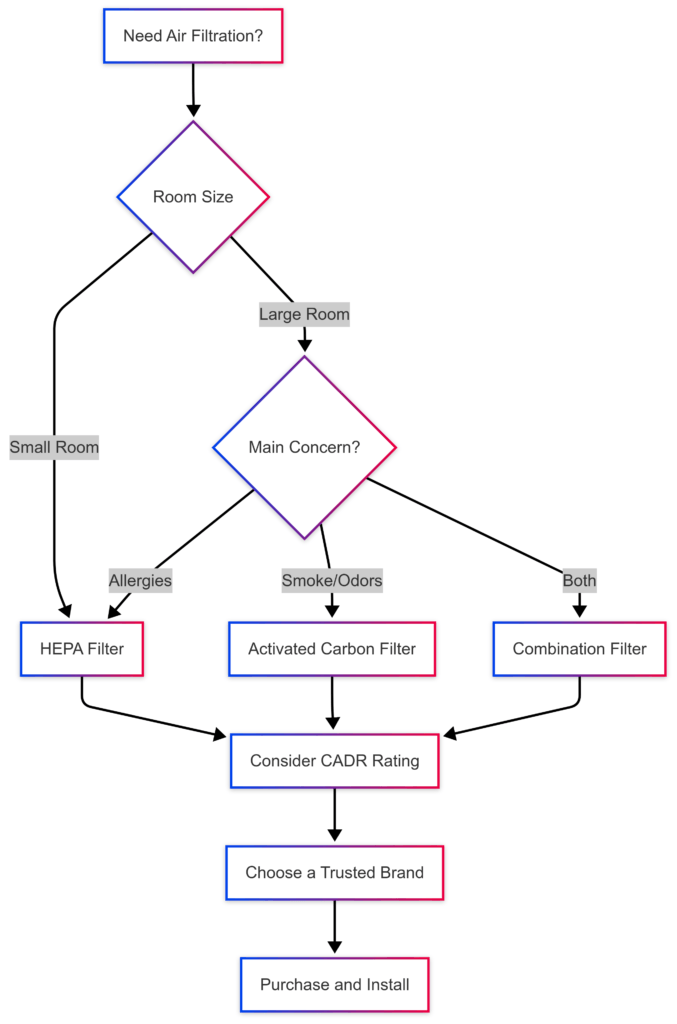
For your first air purifier, look for a unit with a true HEPA filter. If allergies are the main worry, make sure the air purifier’s rated for the room size where you want to use it. Placing the unit where you spend the most time works best. Don’t forget that filters need changing or cleaning. When I started using a purifier, I set calendar reminders so I wouldn’t forget. Clean filters really matter for keeping the machine working well.
For a humidifier, choose between ultrasonic, evaporative, or steam models. Each has its pros and cons, but the biggest is to use distilled water and to clean the tank often. Without regular cleaning, a humidifier can send musty smells or even mold into the air. That kind of defeats the point of creating a healthy home. Some models include extras like night lights, timers, or aroma pads so you can give the air a fresh scent or relaxing vibe while maintaining the right moisture level.
- HEPA Filter: Removes tiny particles that can cause allergies.
- Activated Carbon: Absorbs smells and some chemicals.
- Ultrasonic Humidifier: Uses vibrations to create a cool mist.
- Evaporative Humidifier: Draws air through a wet wick or filter.
- Steam Humidifier: Boils water to produce warm mist.
Practical Tips for Maintenance and Use
One thing I learned quickly, forgetting upkeep turns these helpful devices into problems. Purifier filters need swapping out every few months, depending on the make and the air quality. Humidifiers want a weekly cleaning and frequent water changes to stop bacteria from building up. I use a mild vinegar solution, then rinse thoroughly before refilling the tank.
If you’ve got pets or live somewhere dusty, you might find purifiers clog up faster. For humidifiers, tap water leads to white dust on furniture, so distilled water helps avoid that issue. Setting a reminder on your phone or marking your calendar for filter changes and deep cleans can help make upkeep second nature, turning maintenance into an easy routine.
Real-World Examples and Recommendations
The difference in comfort can be huge with just one of these additions. Years ago, after moving into a house with forced air heating, winter brought sinus headaches and bloody noses. A humidifier got rid of those problems within a weekend. Later, with a dog and seasonal allergies in the mix, an air purifier helped with congestion and sneezing, especially in the bedroom.
Families with babies sometimes use both devices, but never put a humidifier and purifier right next to each other. They work against each other, and the moisture can make the purifier’s filter wear out quicker.
If you want to make routine filter changes easy, having a subscription like FiltersFast.com Home Filter Club really streamlines things. I found that getting filters delivered on a schedule means I never let it go too long, which works much better for keeping my home clean and my air feeling fresh. If you have a busy lifestyle, these types of services are a real game-changer because they keep you supplied without the hassle of last-minute shopping.
Potential Downsides and Challenges
- Noise: Some air purifiers and humidifiers make a humming sound. Check reviews for quiet models if you’re sensitive to noise at night.
- Upkeep: Forgetting filter changes or cleaning leads to bad smells or even unhealthy air. I once had a humidifier that went unwashed for too long. The mineral buildup was tough to clean off and made the unit less effective.
- Over humidifying: Too much moisture leads to condensation on windows or mold in walls. Monitoring indoor humidity is really important for balance.
- Cost: Some replacement filters can get pricy. That’s why services like FiltersFast.com Home Filter Club catch my eye, because they help plan and budget for what you’ll need over time.
Frequently Asked Questions
Do I need both an air purifier and a humidifier?
Some homes benefit from both, but you only need both if you’re struggling with dry air and also bothered by dust, pollen, or strong odors. I sometimes run both in different rooms, especially if someone’s sick or if the season brings dry, dirty air. Generally, it’s best to assess your main problem areas and pick the device that matches your needs most closely; you can always adjust as you get a sense of what works.
Can I use an air purifier and humidifier at the same time?
You can, but keep them a few feet apart. Otherwise, the humidifier might affect how well the air purifier’s filter works, or the purifier can pick up moisture and wear out faster. Placement matters—consider running them at different times of day or in separate areas for the best effect.
How do I know if my filters need changing?
Most air purifiers have a light or indicator. Otherwise, if you notice weaker airflow or lingering smells, it’s probably time. Marking the date on a calendar when I last changed filters really helps. A fresh filter means better performance and healthier air, while a dirty one can strain the machine or even lead to noisy operation.
Should I get a subscription for filters?
If I forget to change a filter, my air purifier or humidifier loses a lot of its effectiveness. Subscriptions, like those from FiltersFast.com, mean I have replacements on hand and never forget. This approach takes the guesswork out of shopping, so there are no gaps in your maintenance routine.
What to Focus on When Choosing for Your Home
If allergies or pet dander are your main worries, an air purifier should be your top pick. For problems with dry skin, irritated sinuses, or static shocks, a humidifier is likely to help more. Read reviews, measure your space, and pick a model the right size for your rooms. Staying on top of maintenance, whether by using reminders or a filter subscription club, is really important for continual good results.
Choosing the best device comes down to what bothers you most at home. If you address the reason behind your symptoms, you’ll probably notice positive changes within a week or two. And, if you’re worried about keeping up with filter changes, I really recommend checking out a service that keeps the right supplies coming without any extra stress.
Taking steps to improve your indoor air quality not only makes your living space more enjoyable but may also bring long-term health benefits. Small changes add up over time, making it worthwhile to invest in equipment and habits that give your well-being a boost every day. Whether you want cleaner air, better sleep, or simply a more comfortable home, finding the right combination of devices and routines is key to making your indoor environment truly work for you.