Air purification tech has come a long way since people first started worrying about pollution and indoor air quality. It’s packed with history, cool scientific milestones, and way more glow-up than you might expect from a category that began with simple filters and open windows. Here, I’ll walk you through the adventure of air purification—from its earliest days to the super-connected systems we find today.
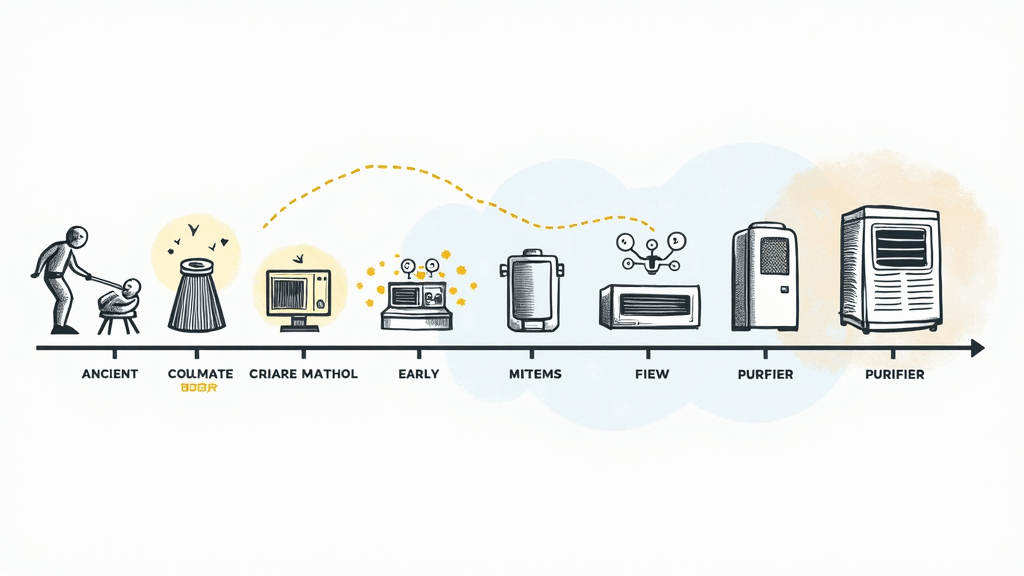
The Roots: Early Concerns About Air Quality
Humans have been looking for ways to make indoor air more breathable long before high-tech gadgets. Going back centuries, people hung wet sheets in doorways or used aromatic herbs to mask smells and contaminants, though they didn’t have an advanced understanding of microbes or airborne toxins. The concept of ventilating spaces by opening windows and designing buildings to catch breezes was probably the earliest “tech” for fresher air inside homes.
Real moves toward air purification started in the 19th century as cities grew. Factories, coal burning, and packed living spaces highlighted just how yucky indoor air could get. Around this time, scientists started connecting poor air quality with health problems like asthma, making clean air a public discussion point. People began to dig into the ways air quality impacted daily life, especially in growing urban environments.
The Birth Of Mechanical Filtration
The start of proper air purifiers really took off in the late 1800s and early 1900s. Mechanical air filtration showed up in hospitals and early industrial buildings. These systems used layers of woven cloth and basic fans to trap visible dust and some pathogens.
Mechanical filtration became more important during the spread of airborne diseases like tuberculosis. Hospitals began to see filtered air as a way to reduce contamination. As industrial pollution worsened, homes and offices, especially in urban areas, started to adopt these primitive filters.
If you’ve ever used a vacuum cleaner bag or a simple furnace filter, you’re working with the modern descendant of these old-school methods. They led technology to the famous HEPA filter, which was first developed in the 1940s during efforts to filter radioactive dust from nuclear labs. It was a prime example of using science to step up public health and safety.
Changing your home filters is as easy as 1-2-3. FiltersFast.com Home Filter Club is a subscription service that protects your family’s health and your investment with filter deliveries for the products you need, on the schedule you need them. Check it off your to-do list today! Click here to sign up!
HEPA, Activated Carbon, and The Golden Age of Filters
HEPA stands for “High Efficiency Particulate Air.” These filters, first made for the Manhattan Project in the 1940s, were designed to catch tiny radioactive particles. The science behind HEPA filters is pretty clever; they can capture at least 99.97% of particles that are 0.3 microns in diameter, making them great at trapping dust, pollen, mold spores, and even some bacteria.
By the 1950s and 1960s, as air conditioners and forced-air heating started popping up in more homes, HEPA filters and other high-efficiency mechanical filters began to enter the consumer market. Hospitals, clean rooms, and allergy sufferers were the first to really benefit from these upgrades, but soon, everyday households tracked down these features for cleaner air.
Activated carbon filters joined the scene as another big deal for tackling air pollution. These filters use charcoal treated with oxygen to open up millions of pores between carbon atoms, grabbing and trapping odors, fumes, and some chemical vapors. If you’ve got a purifier that claims to target VOCs (volatile organic compounds), chances are it’s got some kind of carbon layer. Combined with HEPA, these two filter types offer an all-in-one solution for a wide range of indoor air issues.
Electrostatic and UV Technology
While good filters can catch small stuff, sometimes you want to tackle particles you can’t see. That’s where newer methods come in. Electrostatic air purifiers started popping up in the 1970s and ‘80s. They use charged plates or wires that attract dust, dander, and even smoke, pulling particles out of the air with a static electric charge. The upside is that many of these systems don’t need regular filter changes, but maintenance is still needed to keep them working well.
Ultraviolet (UV) air purifiers use a totally different approach. UV-C light, which sits at a specific wavelength, can disrupt the DNA of bacteria and viruses, basically zapping them out of action. UV lamps have been used in hospitals and labs for decades, and started showing up in air purifiers for home use in the late 20th century. While they’re not perfect—air has to pass close enough to the light for long enough to really make a difference—they’re a handy extra layer for anyone worried about germs.
Modern Tech: Smart Features and Multifunctional Devices
Air purifiers today pack a ton of new features. IoT (Internet of Things) connectivity, real-time air quality sensors, high-powered fans, and voice assistant controls all make modern devices stand out compared to those clunky filtered boxes from the past. Some units now combine several technologies—HEPA, carbon, UV, and even ionization—all in one small device. Many machines can even self-adjust depending on the particles or gases detected in your air at any given time. Some even use app connectivity to let you monitor and control your indoor air from anywhere.
Newer methods, like photocatalytic oxidation (PCO), rely on a chemical reaction triggered by UV light and a special catalyst. This process can break down certain viruses, bacteria, and VOCs on a molecular level. Likewise, plasma and bipolar ionization tech promise to neutralize pollutants by releasing charged molecules that attach to and break down particles and microbes. For people with allergies, asthma, or respiratory sensitivities, these methods open up new ways to control air quality in specialized environments.
For folks with smart homes, a device that adjusts automatically or sends updates to your phone is not just convenient; it’s a way of being proactive about health. You can even track trends or get alerts if your air changes for the worse. This kind of precision would have amazed early air quality pioneers, showing just how far technology has come in not just cleaning air, but also in keeping an eye on the entire indoor environment.

Free replacement filter and lamp with the purchase of Trio Plus
Key Considerations When Picking Air Purification Tech
Choosing an air purifier can get confusing quickly, especially with all the different terms and claims floating around. Doing a bit of research is useful before spending your money. Here are a few important things to think about if you’re in the market:
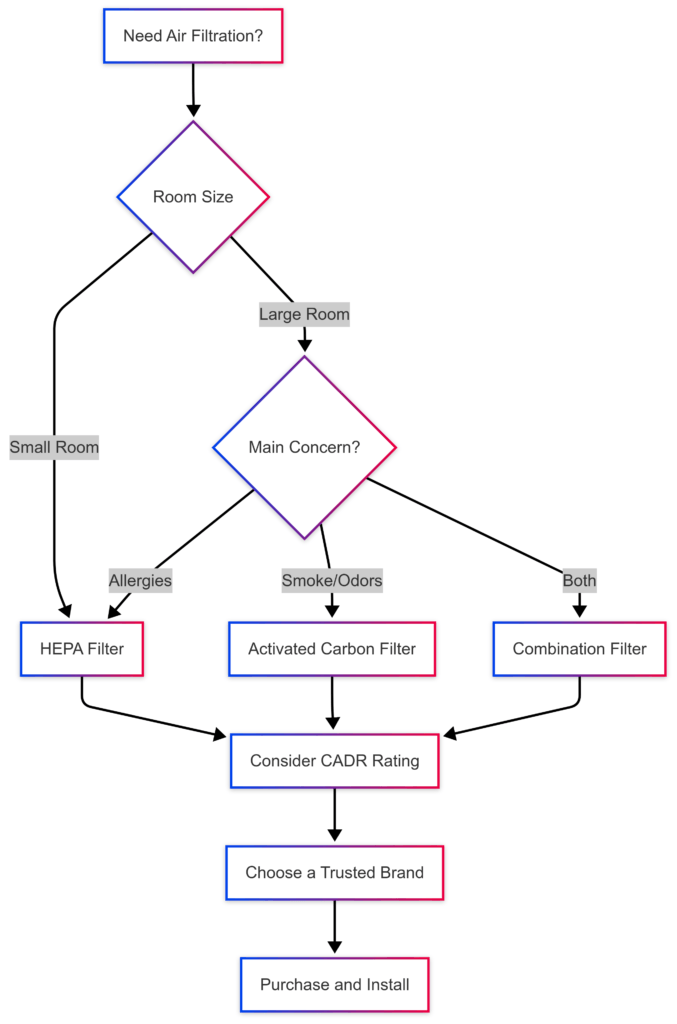
- Type of use Particles: HEPA filters are usually best for dust, pet dander, and pollen. If you’re more concerned about smoke, gases, or chemical fumes, go for carbon-based or hybrid systems.
- Room Size: Not all purifiers are strong enough for big rooms. Check the device’s coverage range and figure out where you want cleaner air most. For those with open-concept areas, you might need several machines.
- Noise Levels: Some units hum along quietly, while others make more of a racket; something to think about if it’ll run in a bedroom or workspace. Look for decibel ratings if silence is important to you.
- Maintenance: Filters need changing, plates need cleaning, and sensors need checking. Go for something you can keep up with so it actually works over time. Many new models have indicators or reminders built right in to help you stay on top of upkeep.
- Certifications: Look for AHAM (Association of Home Appliance Manufacturers) Verified, Energy Star ratings, or marks from organizations like CARB (California Air Resources Board) to know you’re getting reliable performance and extra peace of mind.
Room Size & Coverage
A small desk purifier won’t cut it for a large living room. Make sure to check the “CADR” (Clean Air Delivery Rate) and square footage recommendations on any device you’re eyeing. These numbers help you match a purifier’s strength to your actual space. Keep in mind the ceiling height and furniture layout, which can influence airflow.
Filter Replacement Costs
Units with cheaper upfront costs sometimes make up for it through pricier filters. Researching the cost and frequency of replacement parts can keep budgets on track and prevent surprises down the line. Some brands offer subscription services for filters, making the process easier to manage.
Tech Features
From WiFi connectivity to air quality sensors and auto modes, newer models pack all sorts of extras. Decide which features fit your style and needs, then check if they’re actually useful rather than just marketing buzzwords. For example, app integration, timers, and allergen alerts can add real value in certain situations.
Frequently Asked Questions
Here are some questions people usually ask when they’re curious about air purification tech:
What’s the difference between HEPA and other filters?
HEPA filters are tested and certified to remove very small particles, while standard filters (like those for central air systems) usually remove only larger dust and dirt. If allergies or respiratory sensitivities are a concern, HEPA is usually worth the investment because it targets particles that can make you sneeze or feel stuffy.
Can air purifiers remove viruses?
Some technologies, like HEPA and certain UV or PCO systems, can help reduce the number of viruses, but no air purifier guarantees total removal of all airborne viruses. Good ventilation, cleaning, and other safety steps are also important parts of a healthy routine at home or work.
How often should filters be changed?
This really depends on use and filter type. HEPA filters are usually replaced every 6 to 12 months, while carbon filters might need to be changed more often if they’re dealing with strong odors or smoke. Always check the manual and set reminders if possible.
Do I still need to ventilate if I have an air purifier?
Yes. Air purifiers can help reduce pollutants, but opening windows or using a ventilation system helps clear out carbon dioxide and some gases that most purifiers can’t catch easily. Regular airflow from outside remains important for super detailed air quality care.
Wrapping Up: From Ancient Airing Out to Smart Sensors
The history of air purification is full of smart ideas layered over hundreds of years. Starting with basic fresh-air solutions, it’s now moved into powerful, feature-packed home appliances and commercial systems. Staying informed before choosing what to buy means getting the best value out of all the options out there. Cleaner air is way more attainable than it used to be, and the future’s probably got even next-level cool tech on the horizon. Getting a sense of your goals and space will help you bring better air to your day-to-day life, no matter what kind of tech you pick out down the line.
