Air purification has come a long way, evolving from simple traditional methods to advanced technological solutions designed to improve indoor and outdoor air quality. This adventure is full of interesting twists that show how society has responded to changes in environment, lifestyle, and scientific understanding.

Tracing the History of Air Purification
In ancient times, people relied on nature and rudimentary techniques to keep the air clean. Traditional methods included burning specific herbs believed to purify indoor spaces and using charcoal and natural fibers to filter smoke and dust. Many cultures developed practices that combined ritual and practical needs, aiming to improve health and create a serene environment.
For instance, early societies used smoky incense and simple cloths to capture impurities. These practices, though primitive by today’s standards, paved the way for understanding how airborne particles affect human health. Historical accounts reveal that even without modern equipment, the importance of reducing pollutants was recognized, influencing later inventions in filtration technology.
Modern Air Purification Technologies
The last few decades have seen a surge in innovative air purification methods. Today’s systems include advanced technologies such as HEPA filters, UV sterilizers, and activated carbon filters. These devices are designed to remove airborne pathogens, dust, and allergens from both residential and commercial spaces.
These modern systems offer a clear advantage over traditional methods with their ability to filter microscopic particles with precision. Improved sensor technology and automation have further stepped up the performance of air purifiers, ensuring that devices operate optimally without constant human intervention. The glow-up from manual techniques to automated solutions highlights the blend of tradition with technology.
Understanding Key Concepts in Air Purification
Several essential concepts explain how air purification works. Grasping these basics can help anyone understand the benefits that modern devices offer:
- Filtration: This process physically traps particles as air passes through a filter made of fine mesh or fibrous materials.
- Adsorption: Activated carbon filters use adsorption to capture odors and chemical pollutants, attracting molecules onto a solid surface.
- Ionization: Some systems use charged particles to cause contaminants to clump together, making them easier to capture.
These methods form the building blocks for how air purifiers are designed. The blend of these techniques in one system can significantly boost its effectiveness in removing various types of pollutants from the air.
From Tradition to Tech-Driven Solutions
The glow-up from traditional air-sanitizing techniques to modern mechanical systems is a fascinating one. The leap to technology was made possible by accumulating scientific knowledge and the growing need to combat urban pollution. While ancient practices provided a basic level of air cleaning, technology offers a well-rounded approach with precision and efficiency.
This transition is best understood by looking at a few significant milestones:
- The Discovery of Filter Media: Natural materials like charcoal were recognized for absorbing impurities. This concept later influenced the development of the activated carbon filters that are widely used today.
- Advances in Material Science: The invention of synthetic fibers and advanced polymers improved the efficiency of mechanical filters, allowing the creation of HEPA standards that capture the tiniest particles.
- Integration of Sensor Technologies: Modern air purifiers incorporate sensors that monitor air quality in real time. This feature automatically adjusts the system’s performance, ensuring consistent air quality without requiring manual settings.
- Automation and Smart Control: The incorporation of wireless connectivity and smart home compatibility has pushed air purification into the tech-driven era. Remote control and monitoring through mobile apps make it easy to maintain optimal performance even from afar.
These developments mark an important switch up in how air quality is managed, reflecting broader changes in how technology meets human needs.
Challenges and Considerations in Air Purification Systems
Even with modern advancements, air purification faces several challenges. Understanding these obstacles helps consumers and designers alike to make informed decisions.
- Maintenance Requirements: Regular maintenance of filters is very important to ensure that modern systems function effectively. Unlike traditional methods that require minimal upkeep, technological systems demand frequent replacement and cleaning of filter media. Neglecting this can compromise performance.
- Energy Consumption: Advanced systems that include fans, sensors, and automated controls typically consume more energy. Managing the balance between performance and efficiency is a continuous concern. Energy-saving modes and sustainability standards have been developed to help ease this challenge.
- Cost Implications: The investment in modern air purification technology can be significant. Consumers must weigh the startup costs against long-term benefits such as reduced health risks and improved indoor comfort. Budget-friendly models exist, though they often compromise on advanced features.
- Regulatory Standards and Certifications: With rapid technological changes, regulatory bodies have worked to establish guidelines ensuring that products meet safety and performance criteria. Keeping up with these standards is necessary for both manufacturers and end users.
While the challenges are obvious, ongoing research and development continue to address these issues, paving the way for more efficient, cost-effective, and environmentally friendly solutions.
Maintenance Requirements
Modern systems require regular filter changes and sometimes deep cleaning. If maintenance is neglected, efficiency declines, and indoor air quality can suffer. Understanding how to maintain a device can extend its lifespan significantly.
Energy Consumption
Despite improvements in energy-saving technologies, some machines still use a considerable amount of power. Choosing energy-efficient models can help minimize operational costs. Technology is evolving, and newer designs increasingly focus on lower power consumption without sacrificing performance.
Cost Implications
Initial costs might be higher for technologically advanced air purifiers, but the long-term benefits, such as increased health and fewer repairs, often justify the investment. Knowledge of the total cost of ownership is a valuable part of the purchasing process.
Regulatory Considerations
Staying informed about coverage and compliance ensures that the systems are safe and effective. As regulations tighten, manufacturers must meet stricter guidelines to promote consumer safety.
Advanced Trends and Future Outlook
As air purification technology continues to develop, several trends are emerging that hint at a promising future. Innovations are steering the industry toward smarter systems that communicate with other smart home devices and use artificial intelligence for optimized performance.
One innovative concept is the integration of the Internet of Things (IoT) technology. IoT-enabled air purifiers can analyze real-time data and adjust their operation based on occupancy, time of day, or seasonal variations. This connectivity makes systems more adaptive and efficient.
Meanwhile, advancements in nanotechnology are being explored to create filters that are both highly efficient and long-lasting. Researchers are investigating materials that can capture particles at a microscopic level, potentially transforming basic filtration into a process that actively combats pollutants at their source.
These technologies, when fully developed, promise a future where clean air is managed seamlessly by smart devices that coordinate with broader environmental monitoring networks. The potential benefits include not only improved indoor air quality but also better public health outcomes as air quality standards rise.
Key Features to Look Out For
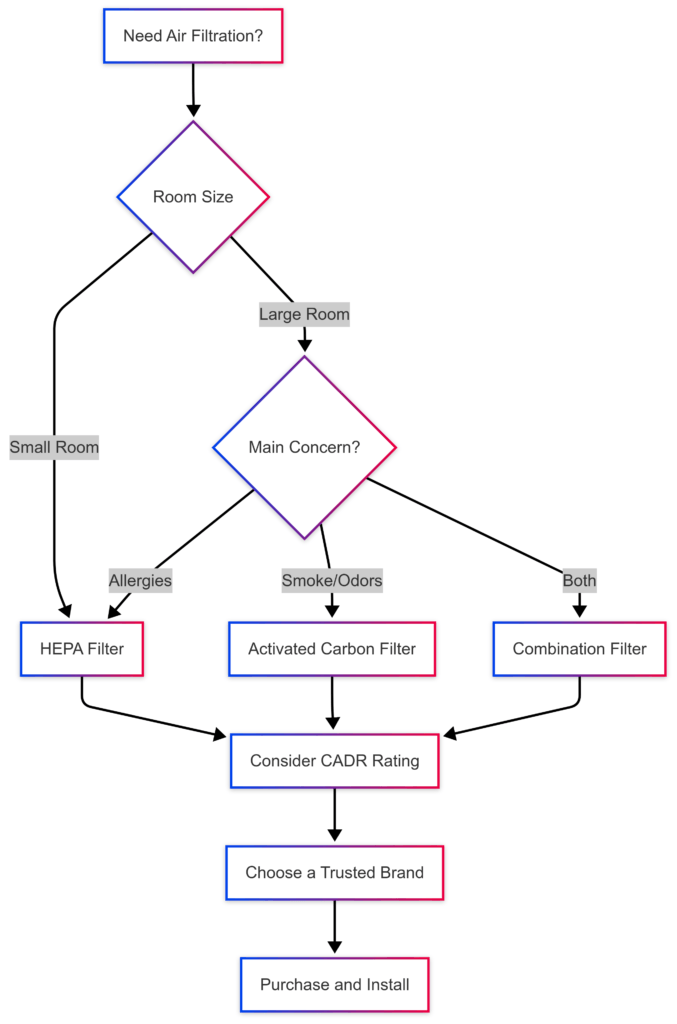
When exploring air purification systems, it is important to consider key features that ensure effective performance. Choosing the right system involves analyzing technical specifications and design advantages.
Some critical aspects to keep in mind include:
- Filtration Efficiency: Devices with multiple filtration stages, including HEPA, activated carbon, and pre-filters, tend to perform better in capturing a wide range of pollutants.
- Automated Monitoring and Control: Systems featuring real-time air quality monitoring and automatic adjustments provide seamless and continuous air management, ensuring that clean air is maintained at all times.
- Energy Efficiency: Look for models that balance performance with power savings. Advanced sensors and energy-saving modes are useful features that reduce operational costs over time.
- Ease of Maintenance: A system that offers easy-to-replace filters and self-cleaning functions can make upkeep less time-consuming and more efficient.
- Design and Noise Levels: It is very important to consider where the device will be placed. Compact, unobtrusive designs that operate quietly are generally preferred for home or office environments.
These features not only give a boost to the user experience but also ensure that air purification systems remain an integral part of a clean and healthy living space.
Frequently Asked Questions
Here are some common questions related to the glow-up and usage of air purification systems:
Question: What traditional methods influenced modern air purification?
Answer: Early practices such as the use of natural charcoal and herbal fumigation laid the groundwork for the advanced filtration techniques we see today. These methods highlighted the need for clean air and sparked innovation in material science and filter design.
Question: How do modern air purifiers differ from traditional methods?
Answer: Modern devices are designed for high efficiency and incorporate multiple layers of filtration, automated sensors, and smart technology to monitor and adjust air quality in real time. Traditional methods were limited in scope and manual in operation.
Question: Are there specific regulatory guidelines for air purifiers?
Answer: Yes, current standards require devices to meet specific efficacy and safety benchmarks that have evolved alongside technological advancements. It’s important for consumers to check for certifications and compliance labels when purchasing systems.
Question: What future trends should consumers expect?
Answer: The integration of IoT, nanotechnology, and advanced sensor networks is likely to shape the next generation of air purifiers, making them even more efficient and user-friendly. Future designs will likely offer greater automation and improved environmental responsiveness.
Final Thoughts,
The glow-up of air purification shows how traditional practices can merge with modern technology to create systems that improve our everyday lives. From the humble beginnings of herbal fumigation to today’s smart devices, the adventure reflects our growing commitment to health and well-being.
Adopting modern air purification technology is not just about cleaning the air. It is about investing in a healthier lifestyle. With continuous advancements and thoughtful design, future innovations are expected to bring even more effective ways to maintain air quality, ensuring that our living and working spaces remain as fresh and comfortable as possible.
Whether you are looking to upgrade an older system or install a new one, having a good understanding of the glow-up behind today’s air purifiers helps you make an informed choice. The blend of traditional knowledge with modern innovation is truly a testament to human ingenuity, continuously striving to improve the quality of the air we all depend on.
Looking Ahead: Innovations and Environmental Impact
Looking forward, the future of air purification is set to take a significant leap as new innovations begin to merge with an increased focus on environmental responsibility. Researchers and engineers are teaming up with environmental experts to develop systems that not only clean the air efficiently but also contribute positively to sustainable building practices. In the coming years, we can expect to see advancements that make air purifiers an integral part of smart, eco-friendly architecture. Buildings of the future may incorporate embedded purification systems that work in tandem with natural ventilation, reducing energy consumption and creating healthier living environments.
This next stage in air purification is more than merely about filtering particles. It is about creating experiences that uplift the quality of life in urban spaces. Manufacturers are investing in research to design systems that operate quietly, using renewable energy sources and recyclable materials. Such innovations promise to lower operational costs while having a reduced environmental footprint. As cities become smarter and more connected, these advanced systems will play a key role in ensuring that clean air is accessible to everyone, ultimately supporting better public health and environmental well-being.
Moreover, the integration of advanced analytics, real-time monitoring, and sustainable design principles will transform air purifiers into multi-functional devices. Not only will they purify, but they will also provide useful insights into local air quality trends, allowing communities to take proactive measures to protect vulnerable populations. This holistic approach to air quality management marks a significant shift in how technology serves society, paving the way for innovative solutions to some of our most pressing environmental challenges.
